
Plant of the Day:
Prunus Laurocerasus
Med Rating: 3/5
Description: The fresh leaves are antispasmodic, narcotic and sedative[4, 7]. They are of value in the treatment of coughs, whooping cough, asthma, dyspepsia and indigestion[4, 238]. Externally, a cold infusion of the leaves is used as a wash for eye infections[238]. There are different opinions as to the best time to harvest the leaves, but they should only be used fresh because the active principles are destroyed if the leaves are dried[4]. Although no specific mention has been seen for this species, all members of the genus contain amygdalin and prunasin, substances which break down in water to form hydrocyanic acid (cyanide or prussic acid). In small amounts this exceedingly poisonous compound stimulates respiration, improves digestion and gives a sense of well-being[238].
Source: https://pfaf.org/user/Plant.aspx?LatinName=Prunus+laurocerasus
#Health #Bitcoin #Herbs #Plants #Prunus #Cancer 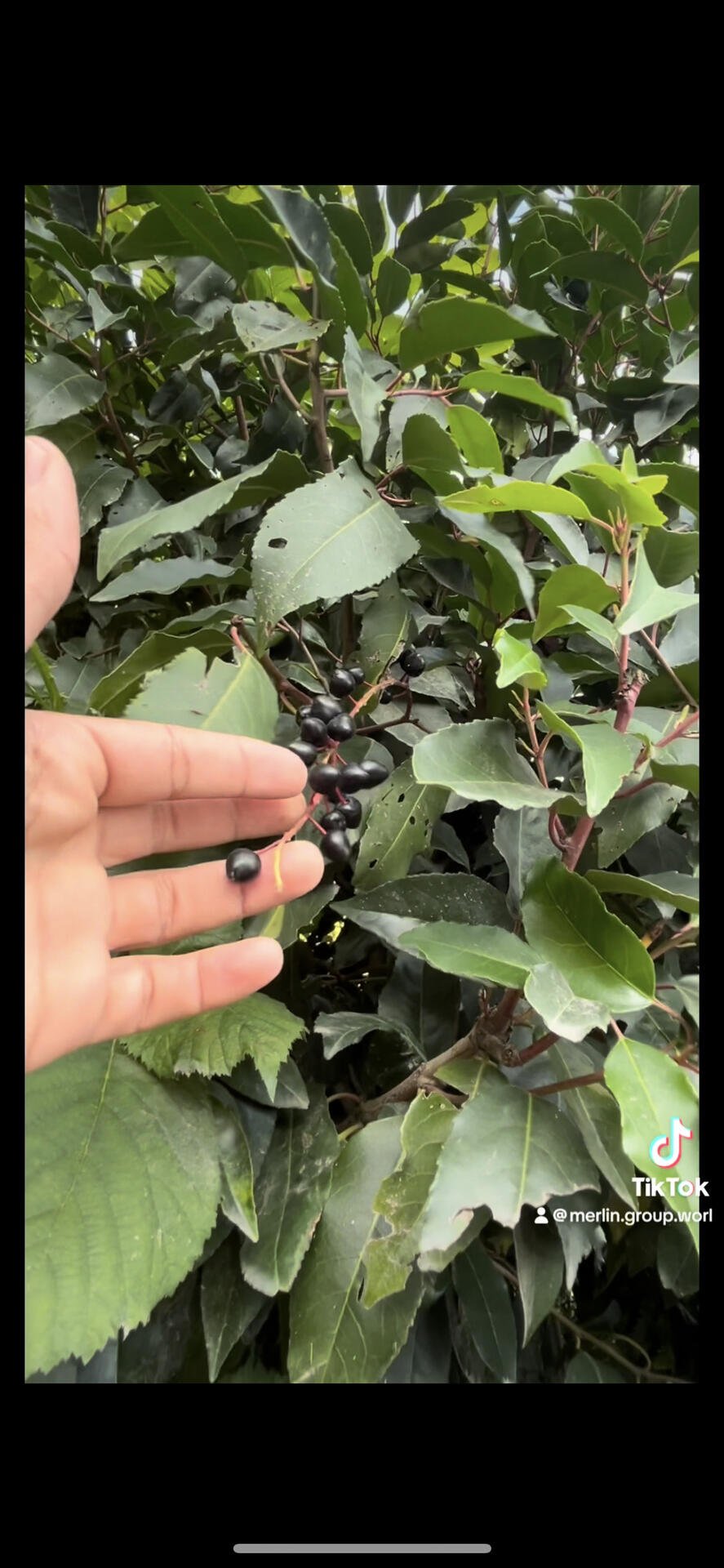
Plant of the Day:
Senna alata
Med Rating: 4/5
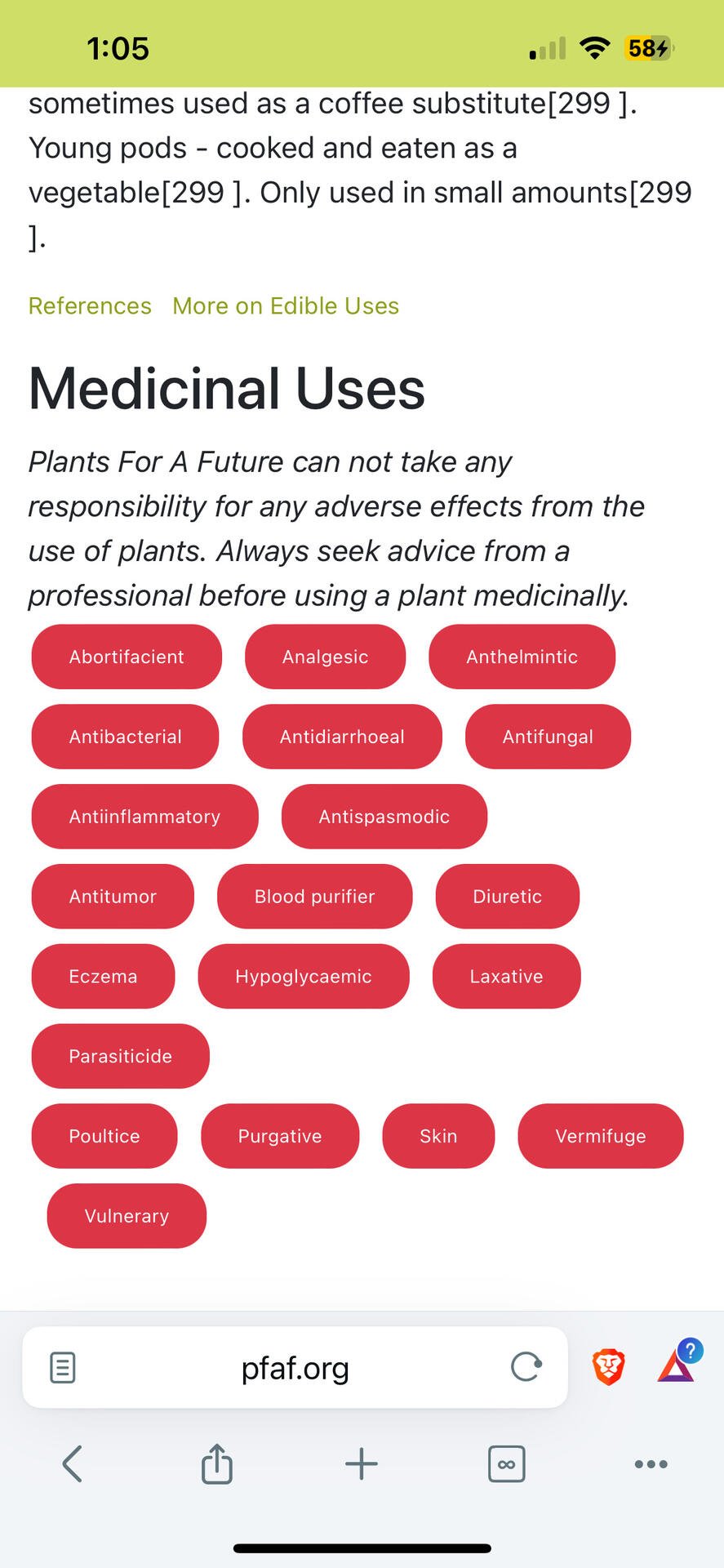
Description: Ringworm bush is widely used as a traditional medicine, particularly valued for its laxative effect and its effective treatment of several skin conditions, including ringworm and scabies. Research has tended to confirm the validity of these traditional treatments. A number of anthraquinone derivatives have been isolated from the leaves, such as aloe-emodin, chrysophanol, isochrysophanol and rhein, as well as the alkaloid tyramine and the common steroid beta-sitosterol[299 ]. Crude leaf extracts have shown antibacterial activity against a range of bacteria (such as Dermatophilus congolensis, which causes a serious skin condition in cattle), antifungal properties (such as against Pityriasis versicolor in humans), and also antitumour activity[299 ]. The bark contains tannins[299 ]. The petals contain anthraquinones, glycosides, steroids, tannins and volatile oil[299 ]. Extracts of the petals have bactericidal activity against gram-positive bacteria but not against gram-negative bacteria[299 ]. The plant is laxative, antibacterial, antitumor, anti-inflammatory, diuretic, analgesic, vulnerary, weakly antifungal, hypoglycaemic, and antispasmodic[311 ]. The leaves are laxative[348 ]. They are taken internally as a remedy for constipation and to purify the blood[311 ]. The leaves are decocted, with or without Tripogandra serrulata and Persea americana, as a treatment for biliousness and hypertension. The leaves are widely used in treating skin diseases[298 ]. They can be applied as a tincture; as a poultice; powdered, then mixed with oil as an ointment; or the sap can be spread over the affected area - they form an effective treatment for skin blemishes, scabies, ringworm and other fungal skin infections[302 , 310 , 311 ]. The bark is used to treat skin diseases, diarrhoea, worms, parasitic skin diseases, scabies and eczema[311 ]. The root is laxative. An infusion is used in the treatment of diarrhoea, tympanites, uterus problems and filaria worm expulsion[348 ]. The root is applied externally to treat sores and skin fungi[348 ]. The flowers are used as a laxative and vermifuge[348 ]. An infusion is used for remedying spleen conditions[348 ]. A decoction combined with Zingiber officinale, is used as a treatment for grippe and as an abortifacient[348 ]. They are decocted with coconut milk for use as a laxative[348 ]. The leaves, flowers and fruit are mixed in an infusion to treat stomach problems[348 ]. The seed is laxative and anthelmintic. It is cooked and used as a remedy for intestinal worms[348 ]. The leaf contains the purgative anthraquinone, and also shows some antimicrobial activity[348 ]. The stem contains chrysophanol, emodin, rhein and aloe emodin[348 ]. The leaf and fruit contain purgative anthracene derivatives of aloe emodin and rhein[348 ].
Source: themerlingroupworld.com/apoth
https://pfaf.org/user/Plant.aspx?LatinName=Senna+alata
#RingwormBush #Plants #Health #Herbs #HerbalMedicine #Apothecary #Bitcoin #nostr 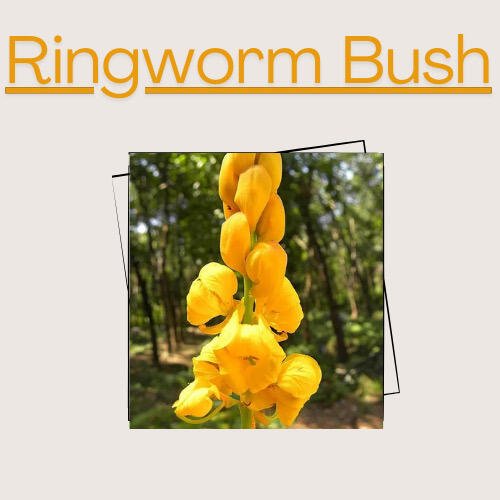
Plant of the Day:
Black Locust Tree
Med Rating: 2/5
Description: Febrifuge[13, 46]. The flowers are antispasmodic, aromatic, diuretic, emollient and laxative[218]. They are cooked and eaten for the treatment of eye ailments[218]. The flower is said to contain the antitumor compound benzoaldehyde[269]. The inner bark and the root bark are emetic, purgative and tonic[4, 7, 218, 257]. The root bark has been chewed to induce vomiting, or held in the mouth to allay toothache[222, 257], though it is rarely if ever prescribed as a therapeutic agent in Britain[4]. The fruit is narcotic[13]. This probably refers to the seedpod. The leaves are cholagogue and emetic[7]. The leaf juice inhibits viruses[218].
Source: https://pfaf.org/user/plant.aspx?latinname=Robinia+pseudoacacia
#Health #BlackLocust #Plants #Vancouver #Bitcoin #nostr #HolisticMedicine https://video.nostr.build/9623c0729cbe8214a3453e79927ee7d798540d7ab8c5fe995cf330c1f18aae05.mp4
Benefits of Black Raspberry
.
.
#Health #Cancer #BlackRaspberry #Antioxidants #nostr #bitcoin https://video.nostr.build/06569818da9d69815842e9905d3e6814a1d51b489734f769aba4ef5c39077106.mp4
Rosa Nutkana
Med Rating: 2/5
Description:
An infusion of the roots and sprouts has been used as an eyewash for sore eyes[257]. A decoction of the roots has been used by women after giving birth and also in the treatment of sore throats[257]. A decoction of the bark has been taken to ease the labour pains of childbirth[257]. A poultice of the chewed leaves has been used to alleviate the pain of bee stings[257]. A decoction of the branches, combined with chokecherry (Prunus virginiana) and red willow (Salix bonplandiana), has been used in the treatment of various women's complaints, diarrhoea and vomiting[257]. The leaves have been placed in shoes as a protection from athletes foot[257]. The fruit of many members of this genus is a very rich source of vitamins and minerals, especially in vitamins A, C and E, flavanoids and other bio-active compounds. It is also a fairly good source of essential fatty acids, which is fairly unusual for a fruit. It is being investigated as a food that is capable of reducing the incidence of cancer and also as a means of halting or reversing the growth of cancers[214].
Source: https://themerlingroupworld.com/apoth
#Health #Bitcoin #Vancouver #Canada #Plants #Herbs #VitaminA #VitaminC #VitaminE #Nature #HolisticMedicine #HerbalMedicine #nostr 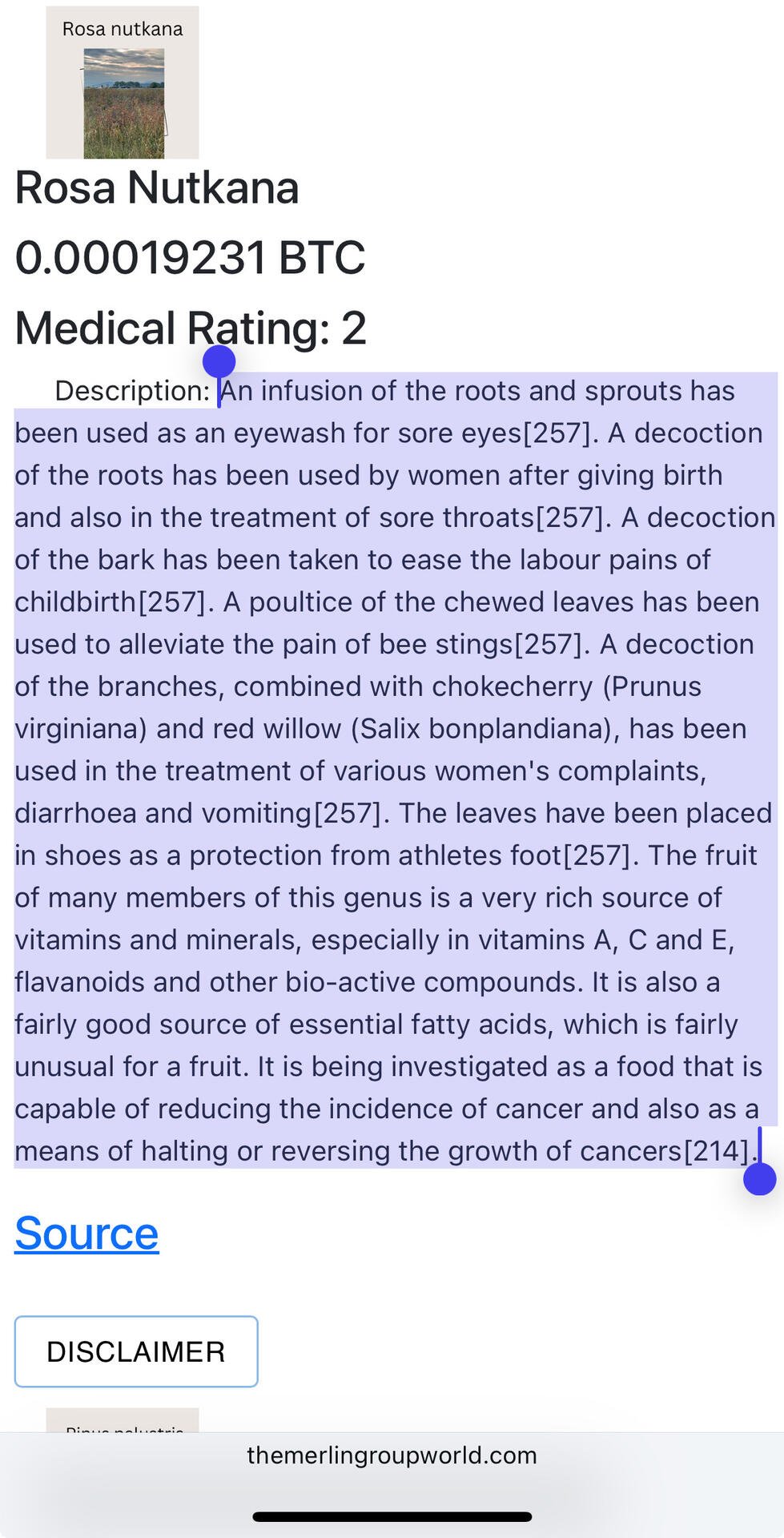
Plant of the Day:
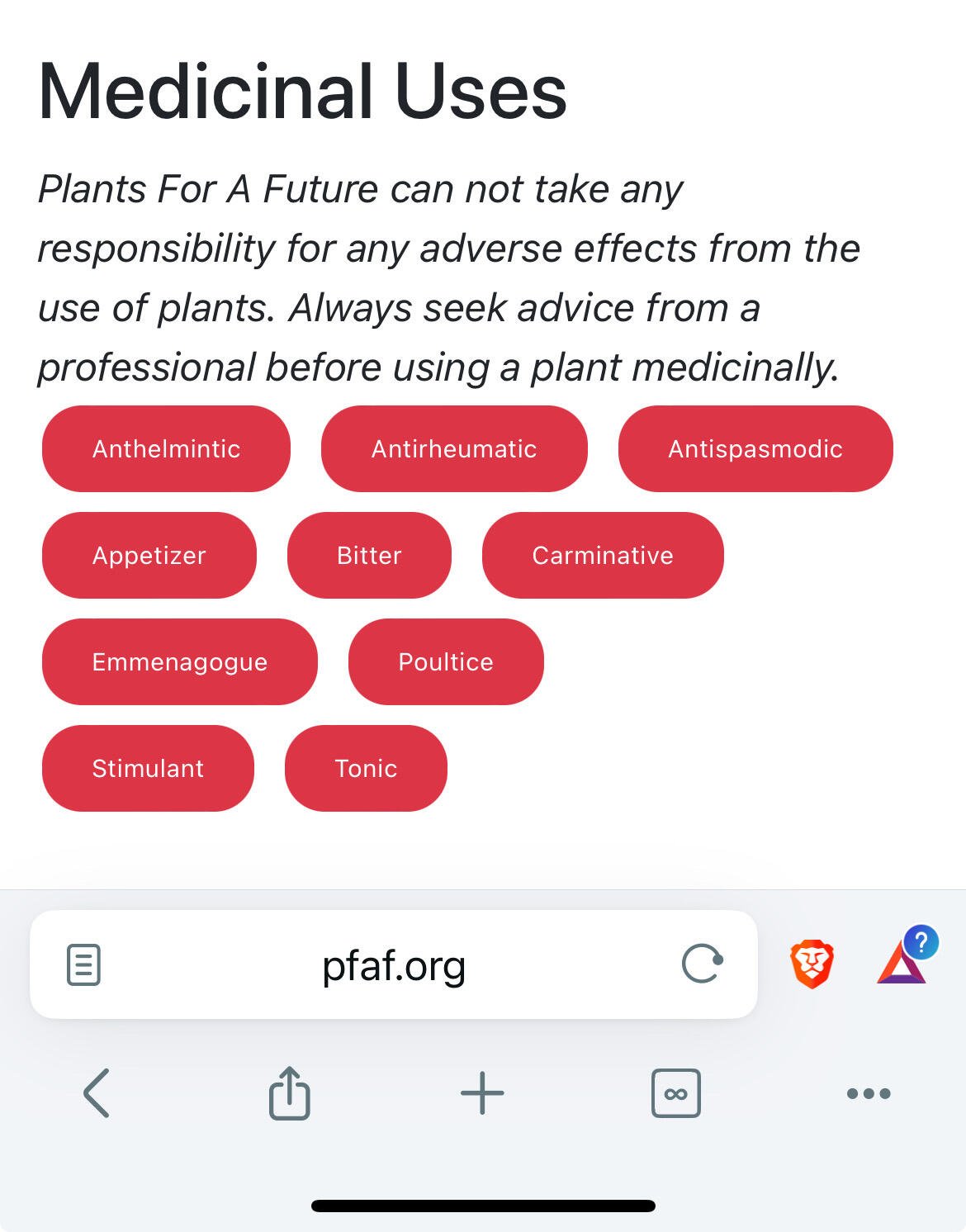
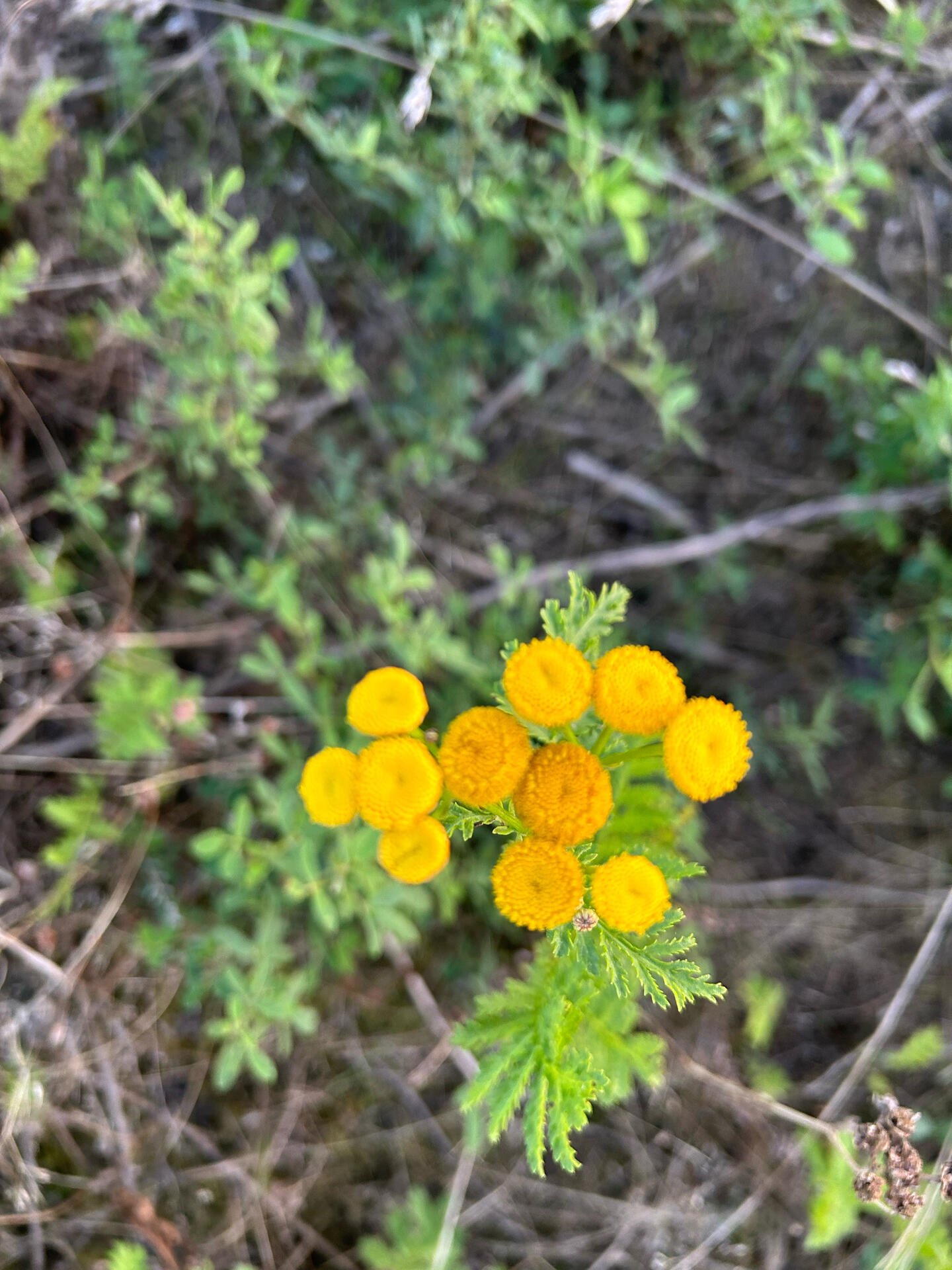
Tanacetum vulgare
Med Rating: 2/5
Description: (Images)
Source: https://pfaf.org/user/Plant.aspx?LatinName=Tanacetum+vulgare
#Health #Canada #Herbs #HolisticHealing #HolisticHealth #HerbalMedicine #Bitcoin 
Bonus Plant of the Day:
Echinacea angustifolia
Med Rating: 5/5
Description: Echinacea is one of the world's most important medicinal herbs. Research shows that it has the ability to raise the body's resistance to bacterial and viral infections by stimulating the immune system[254]. It is also antibiotic and helps to relieve allergies[254]. Plants in this genus were probably the most frequently used of all North American Indian herbal remedies. They had a very wide range of applications and many of these uses have been confirmed by modern science. The plant has a general stimulatory effect on the immune system and is widely used in modern herbal treatments[222]. There has been some doubt over the ability of the body to absorb the medicinally active ingredients orally (intravenous injections being considered the only effective way to administer the plant), but recent research has demonstrated significant absorption from orally administered applications[222]. In Germany over 200 pharmaceutical preparations are made from Echinacea[222]. The roots and the whole plant are considered particularly beneficial in the treatment of sores, wounds, burns etc, possessing cortisone-like and antibacterial activity[222]. The plant was used by North American Indians as a universal application to treat the bites and stings of all types of insects[213]. An infusion of the plant was also used to treat snakebites[213]. The root is adaptogen, alterative, antiseptic, depurative, digestive, sialagogue[4, 21, 61, 165]. It is harvested in the autumn and dried for later use[238]. The plant has been used as a diaphoretic[213]. The German Commission E Monographs, a therapeutic guide to herbal medicine, approve Echinacea for common cold, cough and bronchitis, fevers and cold, urinary tract infections, inflammation of the mouth and pharynx, increase resistance to infection, wounds and burns (see [302] for critics of commission E).
Source: https://pfaf.org/User/Plant.aspx?LatinName=Echinacea+angustifolia
#Health #Echinacea #Herbs #Bitcoin #Nutrition #Herbalism 
Plant of the Day:
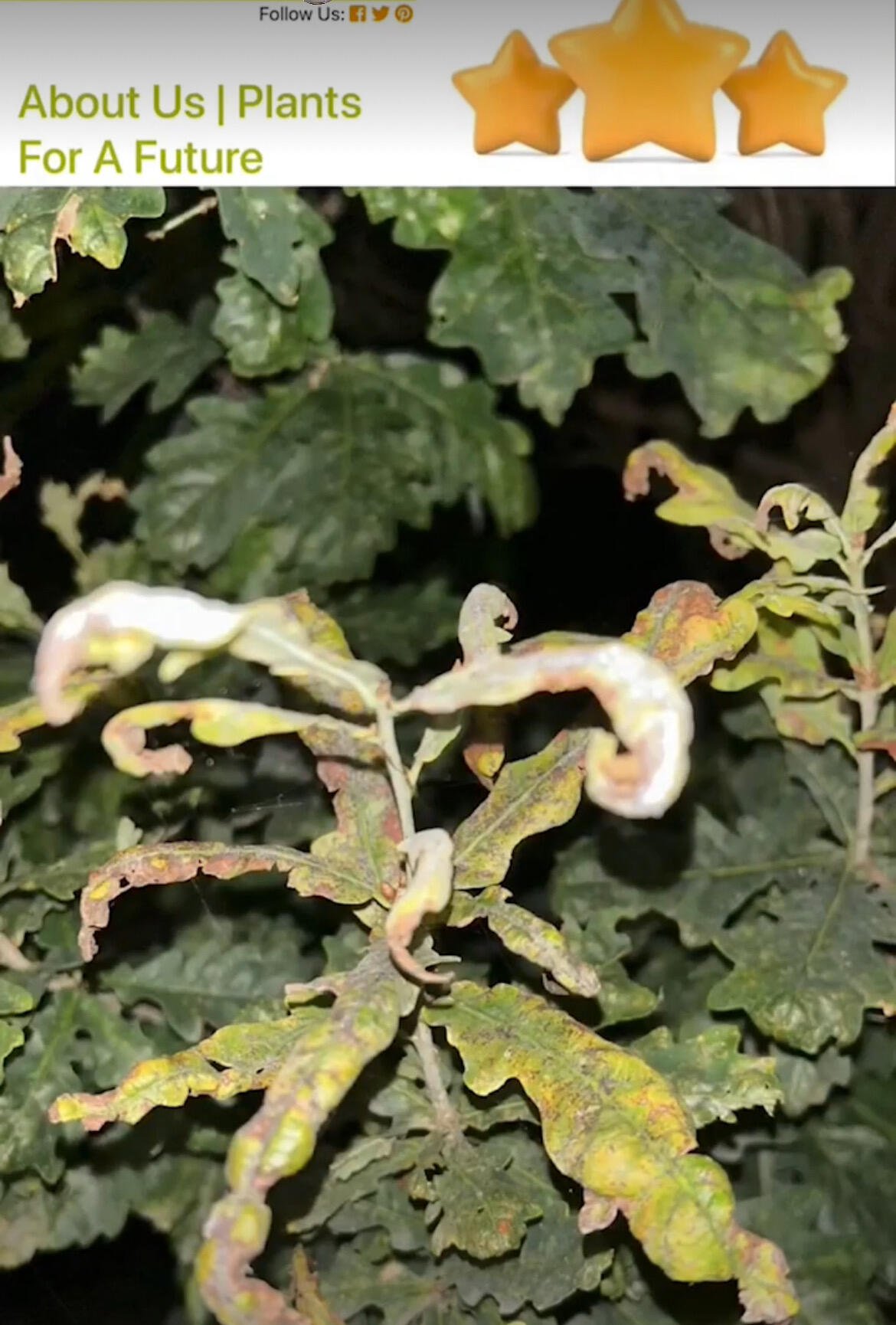
Quercus Rober
Med Rating: 3/5
Description:
The oak tree has a long history of medicinal use. It is anti-inflammatory, antiseptic, astringent, decongestant, haemostatic and tonic[4, 7, 9, 13, 21, 165]. The bark is the part of the plant that is most commonly used[4], though other parts such as the galls, seeds and seed cups are also sometimes used[7]. A decoction of the bark is useful in the treatment of chronic diarrhoea, dysentery, intermittent fevers, haemorrhages etc[4]. Externally, it is used to bathe wounds, skin eruptions, sweaty feet, piles etc[9]. It is also used as a vaginal douche for genital inflammations and discharge, and also as a wash for throat and mouth infections[9]. The bark is harvested from branches 5 - 12 years old, and is dried for later use[9]. Any galls produced on the tree are strongly astringent and can be used in the treatment of haemorrhages, chronic diarrhoea, dysentery etc[4]. The plant is used in Bach flower remedies - the keywords for prescribing it are 'Despondency', 'Despair, but never ceasing effort'[209]. A homeopathic remedy is made from the bark. It is used in the treatment of disorders of the spleen and gall bladder[9]. The German Commission E Monographs, a therapeutic guide to herbal medicine, approve Quercus robur Pedunculate Oak for coughs/bronchitis, diarrhoea, inflammation of mouth and pharynx, inflammation of the skin (see [302] for critics of commission E).
Source: https://pfaf.org/user/Plant.aspx?LatinName=Quercus+robur
#Health #Bitcoin #Niagara #Oak #plants #Travel #tree #photography #nostr #HerbalMedicine 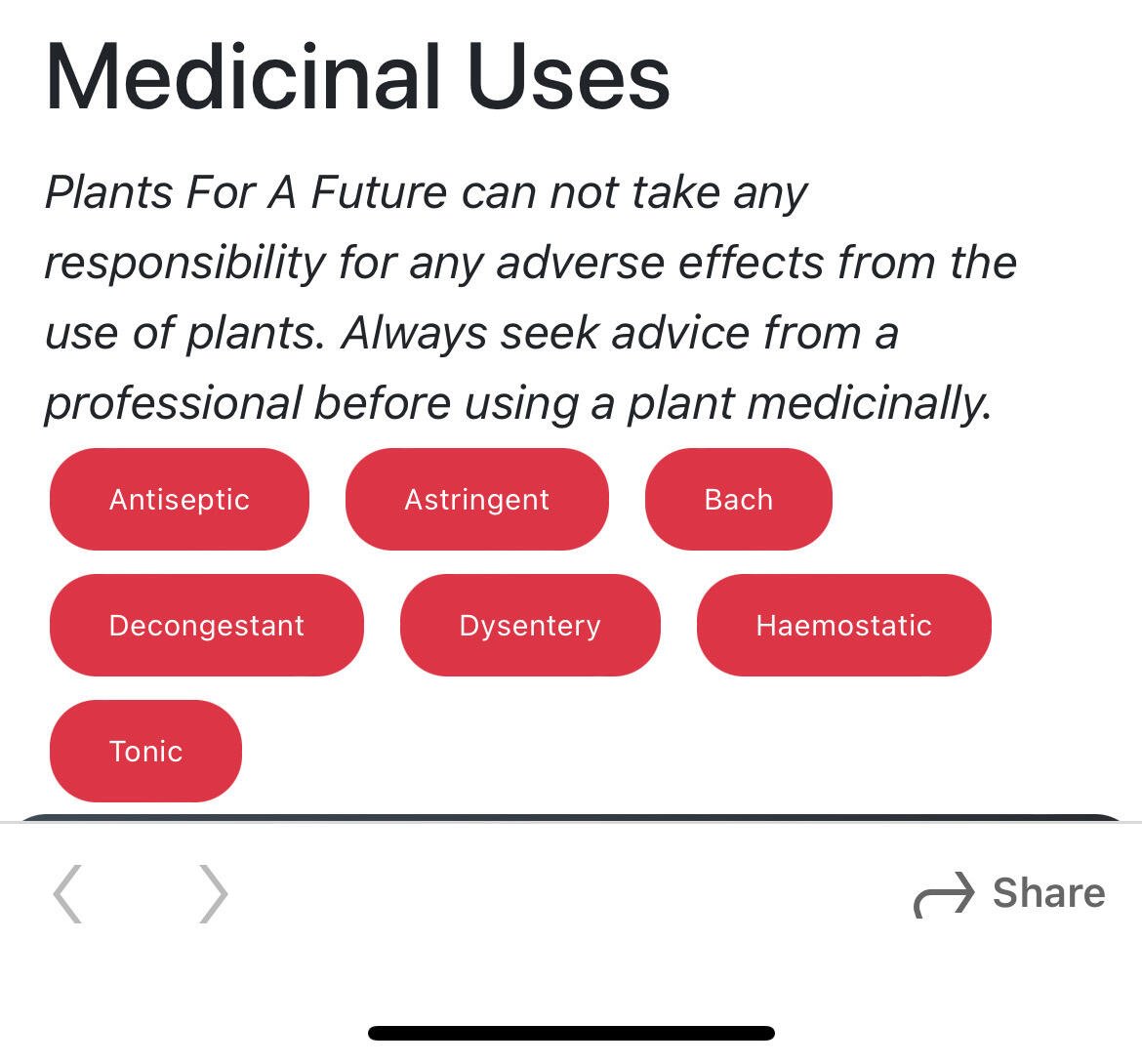
Reminder that Cancer Documentary on Vitamin B17 is Live!
More Cancer Docs Upcoming!
#Health #Cancer nostr:note1dwhl58wrkm87wkc2selwlsuawxa4eh27dvgs26w68kldqf5sxpfsmlqn6s
Plant of the Day:
Moringa oleifera
Med Rating: 4/5
Description: The horseradish tree is a nutritious, diuretic, laxative herb that is expectorant, increases milk flow, controls bacterial infections and is rubefacient when applied topically[238 ]. It contains a potent antibiotic[238 ]. Ben oil, obtained from the seeds, has no taste, smell or colour and is exceptionally resistant to oxidation[238 ]. The young leaves are taken internally to increase the milk flow in nursing mothers[238 ]. The root is used as a vesicant[287 ]. The alkaloid spirachin (a nerve paralyzer) has been found in the roots[303 ]. The root juice is used internally in the treatment of asthma, gout, rheumatism, enlarged spleen and liver, bladder and kidney stones, inflammatory conditions[238 ]. Externally, the root is used to treat boils, ulcers, glandular swellings, infected wounds, skin diseases, dental infections, snake bites and gout[238 ]. The roots and bark are used for cardiac and circulatory problems, as a tonic and for inflammation[303 ]. The bark is an appetizer and digestive[303 ]. The gum is demulcent, diuretic, astringent and abortifacient[303 , 307 ]. It is used in cough syrups and in the treatment of asthma[303 ]. The bark and gum are used in the treatment of tuberculosis and septicaemia[238 ]. Flowers and immature fruits are said to be a good rubefacient[287 ]. A decoction of the flowers is used as a cold remedy[303 ]. The seeds are effective against skin-infecting bacteria Staphylococcus aureus and Pseudomonas aeruginosa. They contain the potent antibiotic and fungicide terygospermin[303 ]. Oil of Ben is used for hysteria, scurvy, prostate problems and bladder troubles[303 ]. A number of compounds with medicinal properties have been isolated. The fruit and leaf contain oxalic acid, the bark moringinine, the stem vanillin, the flower kaempferol and quercetin and the root spirochin and pterygospermin[299 ]. The seeds contain a glucosinolate that on hydrolysis yields 4-(alpha-L-rhamnosyloxy)-benzylisothiocyanate, an active bactericide and fungicide[299 ].
Source: https://pfaf.org/user/Plant.aspx?LatinName=Moringa+oleifera
#moringa #plants #herbs #vlog #Health #Bitcoin #nostr 
Plant of the Day:
Lobelia siphilitica
Med Rating: 2/5
Description:
The root is cathartic, diaphoretic and emetic[4, 46, 103]. It is used in the treatment of dropsy, diarrhoea, stomach complaints, syphilis and dysentery[4, 257]. A poultice of the root has been applied to sores that are hard to heal[257]. The leaves are analgesic and febrifuge[257]. An infusion has been used in the treatment of colds and fevers[257]. A poultice of the crushed leaves has been applied to the head to relieve the pain of headaches[257]. At one time in N. America the root of this plant was believed to be effective in the treatment of VD[103, 222]. When used in Europe, however, it was found to be ineffective[213]. This might have been because the N. American Indians used the fresh root (which still contained the volatile oils) and also used it in conjunction with Podophyllum peltatum and Prunus virginiana, and then dusted the ulcers with the bark of Ceanothus americanus[213]. It was believed by some native North American Indian tribes that if the finely ground roots were secretly added to the food of an arguing couple then this would avert a divorce and they would love each other again[213]. A homeopathic remedy is made from the roots[4].
https://pfaf.org/USER/Plant.aspx?
LatinName=Lobelia+siphilitica
#Health #Lobelia #travel #plants #photography #nostr #herbs #bitcoin #niagarafalls #niagara #Canada https://video.nostr.build/3c4f89d336cfa56e5b21eb9c96c27cacebb7dee1fda08f1b97935f9221ed56a6.mp4
Reminder that the Vitamin B17 documentary is LIVE: themerlingroupworld.com/cancer
Doing a #Bitcoin Giveaway for the Release of my Documentary:
The Curious Case of #Cancer: B17
The person that showcases the documentary most and gets most plays - WINS FREE #BTC
.
.
#Health #VitaminB17 #Nostr #Cancer #Bitcoin #zaps #zapathon #LFG #HolisticMedicine #damus #freedom https://video.nostr.build/a2a0ba7d40054fb450451a05144846175572e7cbfed18d9f8f7f69438d37a508.mp4
Plant of the Day:
Monarda fistulosa
Med Rating: 2/5
Description: Wild bergamot was often employed medicinally by several native North American Indian tribes who used it to treat a variety of complaints, but especially those connected with the digestive system[257]. It is still sometimes used in modern herbalism. The leaves and flowering stems are carminative, diaphoretic, diuretic and stimulant[4, 222]. An infusion is used internally in the treatment of colds, catarrh, headaches, gastric disorders, aching kidneys, to reduce low fevers and soothe sore throats[213, 238, 257]. Externally, it is applied as a poultice to skin eruptions, cuts etc and as a wash for sore eyes[238, 257]. The leaves can be harvested before the plant flowers, or they can be harvested with the flowering stems. They can be used fresh or dried[238]. The plant contains the essential oil 'bergamot oil' which can be inhaled to treat bronchial complaints[213]. The leaves also contain 'thymol', an essential oil that can be used to expel gas from the digestive tract[213].
Source: https://pfaf.org/user/Plant.aspx?LatinName=Monarda+fistulosa
#WildBergamot #Herbs #Plants #HerbalMedicine #NiagaraFalls #HolisticHealth #HolisticMedicine #Health #Bitcoin #zaps #introductions https://video.nostr.build/91acf5ae22d0b411d3cd13c916f8fd0a479da1735cff53109df2533ceeeeeef7.mp4
Plants: Virginia Mountain Mint (Pycnanthemum virginianum)
Med Rating: 2/5
Description: A tea made from the leaves is alterative, diaphoretic and carminative[222, 257]. A poultice of the leaves is used in the treatment of headaches[222]. The tea is also used in the treatment of menstrual disorders, indigestion, colic, coughs, colds, chills and fevers[222, 238, 257].The flowering stems are cut as flowering begins and they can be used fresh or dried[238]. There is a suggestion that this plant can cause abortions, so it is best not used by pregnant women[257].
Source: https://pfaf.org/user/Plant.aspx?LatinName=Pycnanthemum+virginianum
#Health #photography #NiagaraFalls #Virginiamountainmint #plantoftheDay #herbs #zaps #Bitcoin #beauty #HolisticHealth #travel #plants  https://video.nostr.build/bb656686319ebb6efd07d4a5e1ce445cd0ab7c5a65a7f9393dcdd41b49d23ea3.mp4
Plant of the Day:
Elderberry
Med Rating: 3/5
Description: Elder has a very long history of household use as a medicinal herb and is also much used by herbalists[4]. The plant has been called 'the medicine chest of country people'[4]. The flowers are the main part used in modern herbalism, though all parts of the plant have been used at times[238]. Stimulant[9, 53, 165]. The inner bark is collected from young trees in the autumn and is best sun-dried[4]. It is diuretic, a strong purgative and in large doses emetic[4, 7]. It is used in the treatment of constipation and arthritic conditions[238]. An emollient ointment is made from the green inner bark[4]. The leaves can be used both fresh or dry. For drying, they are harvested in periods of fine weather during June and July. The leaves are purgative, but are more nauseous than the bark[4]. They are also diaphoretic, diuretic, expectorant and haemostatic[4, 7]. The juice is said to be a good treatment for inflamed eyes[4]. An ointment made from the leaves is emollient and is used in the treatment of bruises, sprains, chilblains, wounds etc[4]. The fresh flowers are used in the distillation of 'Elder Flower Water'. The flowers can be preserved with salt to make them available for distillation later in the season[4]. The water is mildly astringent and a gentle stimulant. It is mainly used as a vehicle for eye and skin lotions[4]. The dried flowers are diaphoretic, diuretic, expectorant, galactogogue and pectoral[4, 7]. An infusion is very effective in the treatment of chest complaints and is also used to bathe inflamed eyes[4]. The infusion is also a very good spring tonic and blood cleanser[4]. Externally, the flowers are used in poultices to ease pain and abate inflammation[4]. Used as an ointment, it treats chilblains, burns, wounds, scalds etc[4]. The fruit is depurative, weakly diaphoretic and gently laxative[4, 7]. A tea made from the dried berries is said to be a good remedy for colic and diarrhoea[4]. The fruit is widely used for making wines, preserves etc., and these are said to retain the medicinal properties of the fruit[4]. The pith of young stems is used in treating burns and scalds[46, 61, 100]. The root is no longer used in herbal medicine but it formerly had a high reputation as an emetic and purgative that was very effective against dropsy[4]. A homeopathic remedy is made from the fresh inner bark of young branches[4]. It relieves asthmatic symptoms and spurious croup in children[4]. The German Commission E Monographs, a therapeutic guide to herbal medicine, approve Sambucus nigra for cough and bronchitis, fevers and colds (see [302] for critics of commission E).
Source: https://pfaf.org/user/plant.aspx?latinname=Sambucus+nigra
.
.
#Health #photography #Elderberry #Plants #plantoftheDay #zaps #herbs #nostr #grownostr #HerbalMedicine #Canada #HolisticHealth #travel #beauty #Bitcoin #zapathon  https://video.nostr.build/0db42d1b0a6a383563db9455e045bf61e4171122d5cd3f5260d10605e802e5e4.mp4
Video from Last Nights Plant of the Day
Rhus Typhina
Med Rating: 2
Description:
Stag's horn sumach was often employed medicinally by several native North American Indian tribes who valued it especially for its astringent qualities[257]. It is little used in modern herbalism. Some caution is advised in the use of the leaves and stems of this plant, see the notes above on toxicity. The bark is antiseptic, astringent, galactogogue and tonic[222, 257]. An infusion is used in the treatment of diarrhoea, fevers, piles, general debility, uterine prolapse etc[213, 222]. An infusion is also said to greatly increase the milk flow of a nursing mother - small pieces of the wood were also eaten for this purpose[257]. The inner bark is said to be a valuable remedy for piles[257]. The roots are astringent, blood purifier, diuretic and emetic[222]. An infusion of the roots, combined with purple coneflower (Echinacea purpurea) has been used in the treatment of venereal disease[257]. A poultice of the roots has been used to treat boils[257]. The leaves are astringent. They have been used in the treatment of asthma, diarrhoea and stomatosis[222]. An infusion of the fruits has been used as a tonic to improve the appetite and as a treatment for diarrhoea[257]. The berries are astringent and blood purifier[257]. They were chewed as a remedy for bed-wetting[222, 257]. A tea made from the berries has been used to treat sore throats[213]. The flowers are astringent and stomachic. An infusion has been used to treat stomach pains[257]. The sap has been applied externally as a treatment of warts[226]. Some caution is advised here since the sap can cause a rash on many people[K].
Source: https://pfaf.org/user/plant.aspx?LatinName=Rhus+typhina
.
.
#Health #Canada #Rhustyphina #Plants #PlantoftheDay #Herbs #herbalmedicine #Bitcoin #nostr #grownostr #nature #travel #zaps #HerbalMedicine #HolisticHealing #PlantIdentification #NostrVideo https://video.nostr.build/9ea7b06a7babea789cf0e5507f4de387fd71b45da9c69c4c4437b81727666557.mp4
Bonus Plant of the Day:
Rhus Typhina
Med Rating: 2
Description:
Stag's horn sumach was often employed medicinally by several native North American Indian tribes who valued it especially for its astringent qualities[257]. It is little used in modern herbalism. Some caution is advised in the use of the leaves and stems of this plant, see the notes above on toxicity. The bark is antiseptic, astringent, galactogogue and tonic[222, 257]. An infusion is used in the treatment of diarrhoea, fevers, piles, general debility, uterine prolapse etc[213, 222]. An infusion is also said to greatly increase the milk flow of a nursing mother - small pieces of the wood were also eaten for this purpose[257]. The inner bark is said to be a valuable remedy for piles[257]. The roots are astringent, blood purifier, diuretic and emetic[222]. An infusion of the roots, combined with purple coneflower (Echinacea purpurea) has been used in the treatment of venereal disease[257]. A poultice of the roots has been used to treat boils[257]. The leaves are astringent. They have been used in the treatment of asthma, diarrhoea and stomatosis[222]. An infusion of the fruits has been used as a tonic to improve the appetite and as a treatment for diarrhoea[257]. The berries are astringent and blood purifier[257]. They were chewed as a remedy for bed-wetting[222, 257]. A tea made from the berries has been used to treat sore throats[213]. The flowers are astringent and stomachic. An infusion has been used to treat stomach pains[257]. The sap has been applied externally as a treatment of warts[226]. Some caution is advised here since the sap can cause a rash on many people[K].
Source: https://pfaf.org/user/plant.aspx?LatinName=Rhus+typhina
.
.
#Health #Canada #Rhustyphina #Plants #PlantoftheDay #Herbs #herbalmedicine #Bitcoin #nostr #grownostr #nature #travel #zaps 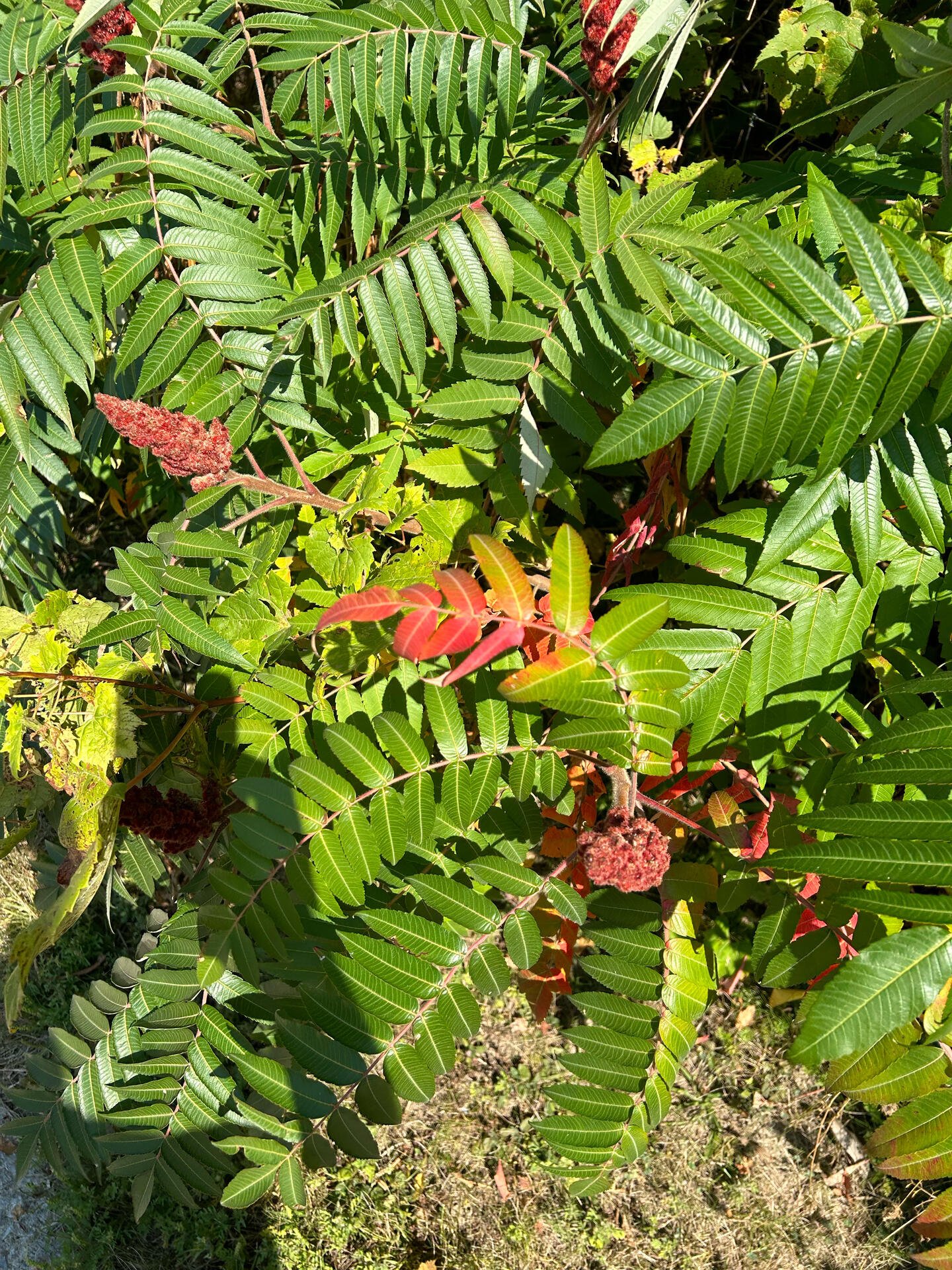
Plant of the Day:
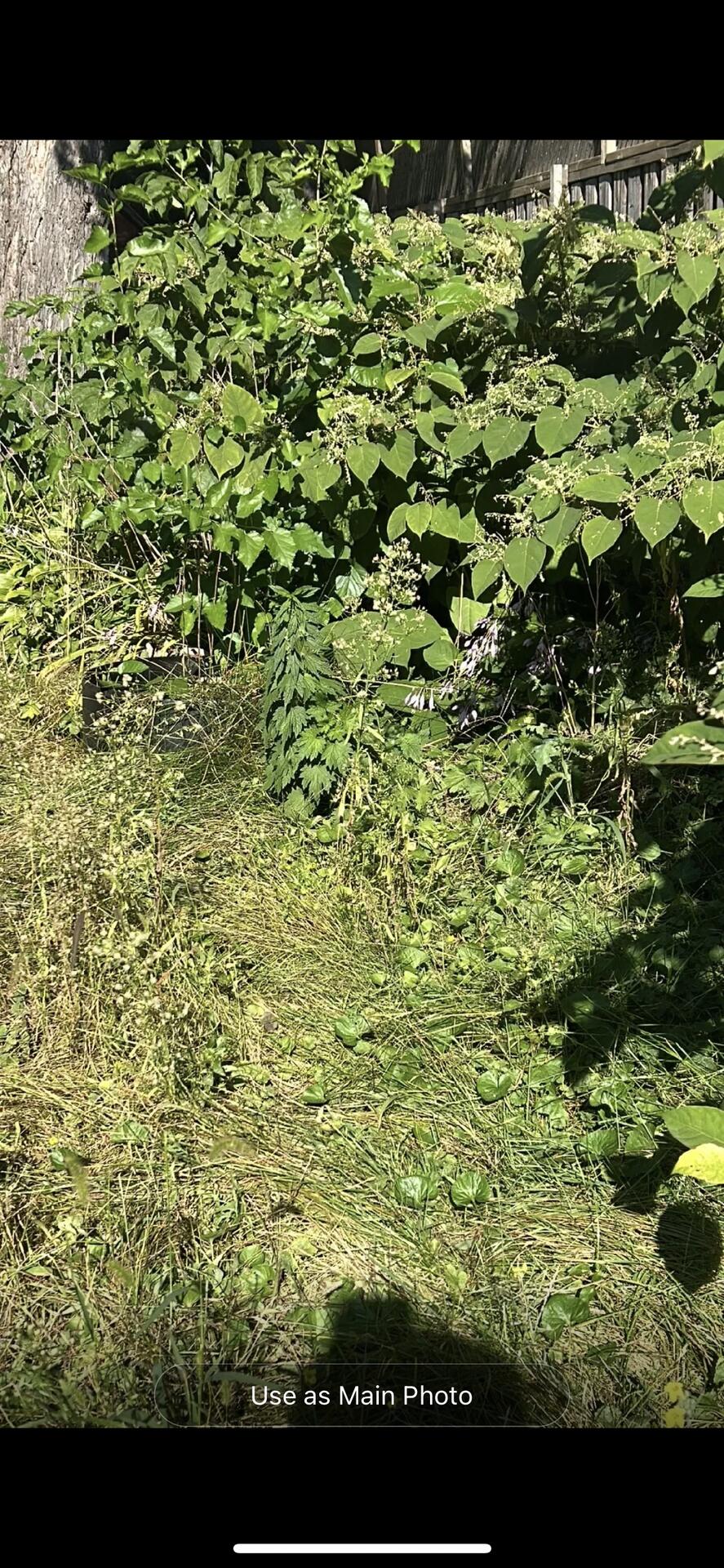
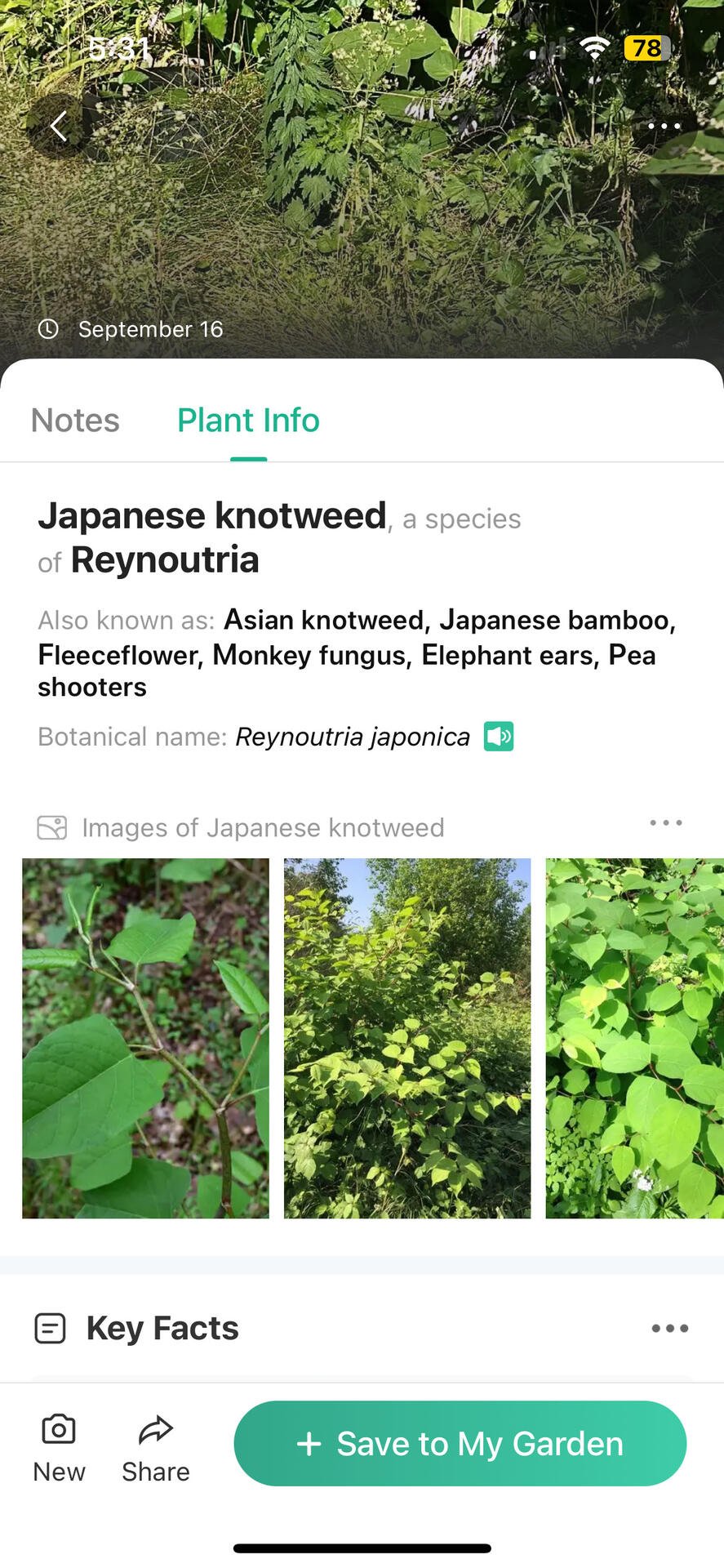
Japanese Knotweed
(ALL PLANTS FOUND ON WEBSITE AVAILABLE IN #BITCOIN themerlingroupworld.com/apoth)
Med Rating: 3/5
Description:
Possibly may have similar properties to other knotweeds where the root can be antiphlogistic, bechic, depurative, diuretic, emmenagogue, emollient, febrifuge, stomachic and vulnerary[46, 61, 147, 178, 218]. It is also used in the treatment of women's complaints[147]. A decoction is used in the treatment of burn injuries, boils and abscesses, poisonous snakebites, acute hepatitis, appendicitis, traumatic injuries and menstrual irregularities[147]. The leaves can be crushed and applied externally as a poultice to abscesses, cuts etc, whilst the dried roots can be ground into a powder and applied externally[147]. Extracts of the plant have shown antitumour activity[218].
Source: https://pfaf.org/user/Plant.aspx?LatinName=Reynoutria+japonica
#Health #Herbs #Plants #Herbology #HolisticHealth #HerbalMedicine #nostr #zapathon 
Average Income % of Average House Price (real sources, real data, No AI BS)
Data:Images
.
.
#BuyBitcoin #Inflation #RealEstate #Nostr #Bitcoin #Economics #finance #tech 



Plant of the Day:
Golden Rain Tree
Med Rating: 1/5
Source: https://pfaf.org/User/Plant.aspx?LatinName=Koelreuteria+paniculata
Description: The flowers are ophthalmic[178, 218]. They are used in the treatment of conjunctivitis and epiphora[218].
.
.
#Health #Herbs #Nutrition #Plants #HolisticHealth #HerbalMedicine #Permaculture #nature #Cancer #plantoftheday https://video.nostr.build/7ad6945e80947deb6c128f34fec6beabda5e8a4fe647e396e9665dfea583409d.mp4