
#Bitcoin is inherently hard to describe. It is a new thing, and any attempt to draw a comparison to previous concepts — be it by calling it digital gold or the internet of money — is bound to fall short of the whole. Whatever your favorite analogy might be, two aspects of Bitcoin are absolutely essential: decentralization and immutability.
From nostr:npub1dergggklka99wwrs92yz8wdjs952h2ux2ha2ed598ngwu9w7a6fsh9xzpc 's
A 10-year old MacMini with Linux and a 1TB installed works as a #Bitcoin node.
They can't make more #Bitcoin than your node will allow.



Good work, Isabella. Teaching useful knowledge to others who desire to learn is noble and worthwhile.



Hello #nostr my name is Ace 😼#introductions
nostr:npub1z4m7gkva6yxgvdyclc7zp0vz4ta0s2d9jh8g83w03tp5vdf3kzdsxana6p onboarded me 🫂 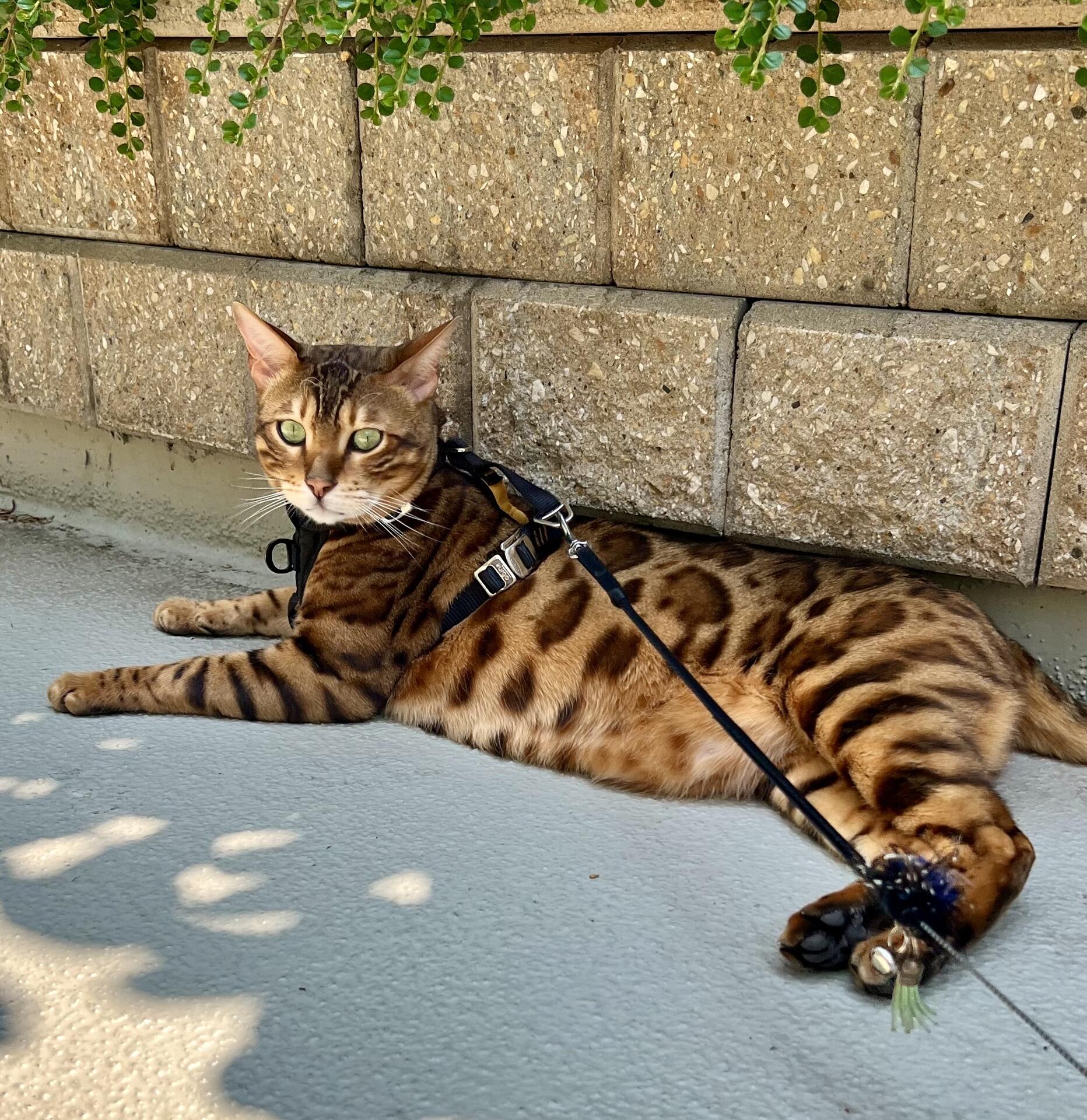
whoa, that is a striking cat
super cool!

I'm dubious of a universal income because I think it breaks the so-called "law of sowing and reaping" or cause-and-effect in relation to an individual's actions and incentives.
That being said, I have a difficult time envisioning what paradigm-shifting advances in AI and automation might mean for us.
I think the next 10 years may be very interesting.

Happy to share, I’m launching a new virtual conference!
Our aim is to provide a virtual conference experience that is globally accessible with the very best Lightning and Nostr speakers in the world. All value to value.
Our conference will be action packed with:
- 4 stages of content
- buildathon
- StarCraft BW tournament
- community (vendor booths and game rooms)
The 4 stages.
- Main Stage
- Lightning
- Nostr
- StartUps
When?
September 21-22
Learn more at https://www.zapconf.xyz
This is interesting to me
Love the Broodwar aspect

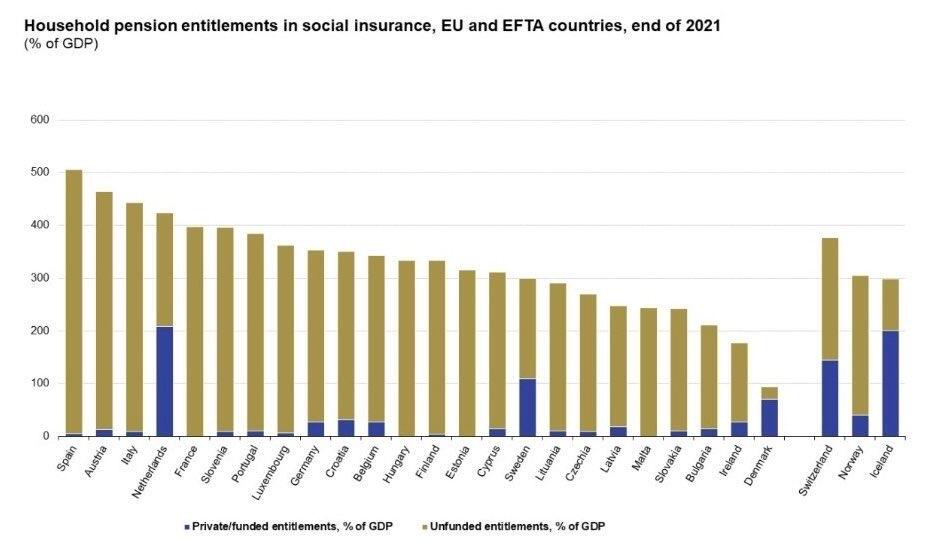
I think about this every paycheck, when I see the amount of money being taken from me to go to support someone else in their retirement. The promise is that I'll likewise be supported by others in the same way in my old age. I fear the reality is that I will never see the money again.


The #Bitcoin rabbit hole has caused me to start buying books.
(1) I think Bitcoin's fiat price is strongly impacted by people who value fiat more than Bitcoin, and see Bitcoin as a means to get more fiat:
fiat -> BTC -> FIAT
[repeat]
(2) But others value Bitcoin based on its own characteristics and utility, and these people are largely interested in only a one-way transaction:
fiat -> BTC.
#plebchain
#Bitcoin

I 🧡 sats

Really well done: concise, practical, clear

Blockchain by habit, but moving toward Timechain.... a shift I guess from what it is to what it does


#bitcoin price on June 22nd https://video.nostr.build/5fb6c87bb550c2108ec03ec3dcc6e82466b11227fb0fcaa47e44ca0346e4772d.mp4
cool, smooth animation as always. Nice job nostr:npub14uhkst639zvc2trx2nlsvk4yqkjp690zk89keytnzgmq2az0qmnq58ez89

Today's farmers market was crazy. Everybody wanted to know more about #Bitcoin and our nostr:npub14f26g7dddy6dpltc70da3pg4e5w2p4apzzqjuugnsr2ema6e3y6s2xv7lu
solutions 😎
Hoy la feria del agricultor fue una locura! todos quieren conocer más sobre Bitcoin y nuestras soluciones de Bitcoinjungle! 😉
#winning #puravida #bitcoin


Love the shirts
Yeah; I hear what you are saying...
I was thinking about the adjacent issue.
I was focusing primarily about the decision a person has to make about complying [or not complying] with tax laws.
Using Monero doesn't make that particular decision go away; Monero is under the same tax regulation as all cryptocurrencies.
----
Monero's usefulness to the person who decides not to report crpytocurrency transactions to the taxing rulers is a slightly different topic.

Philip almost went to jail so that we could privately interact with each other in this new era of digital, global, communication.
Come cool backstory for those who haven't discovered it yet:

For me, spending bitcoin is more about the decision it makes me face:
> Am I willing to ignore tax law in my jurisdiction? <
If not, I then have to treat my every Bitcoin transaction as a taxable event, requiring me to know and document the cost basis for every sat, and self-reporting this on a complex and obscure tax form that is likely to raise red-flags and the attention of the tax authorities who demand and enforce capial gains regulation.