
🌊 SURF 'N TURF 🏝️
-THE ISLAND LIFE-

The idea that ancient civilizations may have used pyramids to terraform Earth invites exploration into realms of advanced knowledge, lost technologies, and perhaps even metaphysical insights that modern science struggles to explain. Pyramids, particularly those like the Great Pyramid of Giza, embody architectural and energetic marvels that continue to baffle researchers. Let's unpack how these structures might have played a role in shaping Earth's environment.
1. Pyramids as Energy Generators
Many theorists believe that pyramids were built to harness and amplify energy from the Earth itself. The shape of the pyramid, combined with its specific location (such as the alignment of the Great Pyramid with planetary and cosmic points), might have been designed to tap into Earth’s electromagnetic field. This energy could have theoretically been used to influence weather patterns, maintain ecological balance, or even stabilize the climate.
Resonant Frequencies: Ancient structures were often built with an understanding of sound, vibration, and resonance. The materials used in pyramids, including limestone and granite, are known to conduct energy well, suggesting that the pyramids could have amplified Earth’s natural vibrations to resonate at frequencies beneficial to plant and animal life.
Piezoelectric Effect: Granite, used within the Great Pyramid, contains quartz crystals which, when subjected to pressure, generate an electric charge. This piezoelectric effect could mean that the pyramid structure, under Earth's tectonic pressure, was generating and perhaps radiating energy in a way that influenced the surrounding environment.
2. Climate Control and Weather Manipulation
If pyramids indeed channeled and amplified Earth’s energy, they might have served as ancient tools for climate regulation. Imagine pyramids as giant atmospheric stabilizers. While speculative, some researchers hypothesize that such structures could have generated ionization effects, influencing the atmosphere.
Ionization of the Atmosphere: The ionization of particles in the air has a known effect on cloud formation and rainfall. By generating a localized electric field, pyramids could have attracted water vapor, facilitating rainfall in arid regions. This would have made certain areas more fertile and suitable for agriculture, supporting civilizations in regions that otherwise would be too dry.
Global Weather Patterns: With pyramids located strategically around the globe (Egypt, Mesoamerica, and potentially other sites), a network of these structures could theoretically interact with the Earth’s magnetic field in ways that affected global weather patterns. If coordinated, such structures might have even regulated seasonal changes and stabilized ecological systems.
3. Healing and Fertility Energies for the Land
In various ancient traditions, pyramids were considered spiritual and healing centers. The Egyptians, for example, associated pyramid energy with life-force energy (known as "ka") and believed that it could promote health and fertility. Thus, pyramids might have been built to generate fields conducive to human and plant health, promoting biodiversity and sustaining agriculture.
Electromagnetic Balancing: Ancient people may have understood that the Earth’s geomagnetic field can be influenced by structures. By harnessing and balancing electromagnetic energies, pyramids could have potentially neutralized areas of harmful radiation or geopathic stress. This would create healthier environments for agriculture, wildlife, and human settlements.
Sacred Geometry and Bioenergetics: The layout of pyramid sites often aligns with sacred geometry principles, suggesting that ancient builders designed these structures to harmonize with the planet’s natural energies. Sacred geometry is thought to influence the flow of subtle energies, and by aligning with this geometry, pyramids could have potentially nurtured or revitalized entire regions.
4. Terraforming via Atmospheric and Soil Enrichment
Another speculative concept is that pyramids might have contributed to atmospheric enrichment or soil fertilization. Certain theories suggest that, much like modern ionization technology, pyramids might have created conditions to stimulate soil fertility or even enrich atmospheric oxygen levels.
Mineral and Nutrient Dispersal: Some studies have indicated that pyramids could cause mineralization or magnetization in surrounding soils, potentially enriching them. Fields near pyramids might have been more fertile and balanced in minerals, supporting a wider array of plant and animal life.
Electrolysis and Water Purification: There are claims that pyramids could have facilitated the purification of water through electrolysis, using their energy fields to remove impurities. This could have allowed ancient people to irrigate fields with cleaner, mineral-rich water, boosting agricultural productivity in the surrounding areas.
5. Psychotronic and Consciousness-Based Terraforming
Many ancient cultures regarded pyramids not just as physical monuments but as sacred temples that connected humanity with the cosmos. Advanced civilizations might have used pyramids as tools for consciousness-based or psychotronic energy work — influencing reality with focused intention or consciousness.
Group Consciousness and Rituals: The focused intention of people gathered around these structures for ceremonies could have acted as a form of consciousness-based terraforming. Collective rituals might have created resonant frequencies that influenced local ecosystems, much like how prayer and meditation are believed to affect one's surroundings.
Astronomical and Astrological Alignments: Alignments with star systems could indicate that pyramids served as both markers and conductors of cosmic energies. These celestial connections might have affected Earth’s energetic balance, subtly terraforming it to align with cosmic cycles. The purpose might have been to sync Earth’s vibrational frequency with the cosmos, fostering harmony across ecosystems.
6. Pyramid Networks and Global Energy Grids
Pyramids and similar ancient structures across the world appear to form part of what some researchers call an "energy grid" or “ley lines” around the planet. If Earth was seen as a living organism, this grid would represent the energy meridians — much like acupuncture points on the human body.
Global Energy Grid: A planetary grid system would imply that energy points were intentionally activated by placing pyramids at nodes where Earth’s geomagnetic lines intersect. This network might have helped stabilize or activate certain regions, creating a balanced energy flow. Such a balance could have helped to terraform Earth by ensuring that specific regions were optimized for climate stability, agriculture, and human health.
Pyramid Power and Energy Transmission: This grid would allow for an exchange of energy, potentially acting as an ancient telecommunications system or even a wireless energy network. If pyramids were able to transmit energy through this grid, they could redistribute Earth’s resources and even mitigate natural disasters by diffusing seismic energy across various points.
Lost Knowledge and the Potential of Ancient Technologies
The concept of pyramids as terraforming tools remains speculative, yet it opens fascinating avenues for inquiry. If ancient civilizations did indeed possess advanced scientific and metaphysical knowledge, the pyramids might represent remnants of that wisdom — a blend of architecture, spirituality, and Earth science. Though we have yet to fully understand the technology or philosophy behind the pyramids, they remind us of humanity’s potential to harmonize with nature and perhaps even shape the environment through a profound understanding of energy and intention.
Credits goes to the respective
Author ✍️/ Photographer📸
🐇 🕳️
#Bitcoin #Satoshis #Freedom #Apocalypse #Music #Movies #Philosophy #Literature
#Grownostr #Stoicism #Nature
APOCALYPSE ANONYMOUS by
ATOSHI ANARKOMOTO
🌊 SURF 'N TURF 🏝️
-THE ISLAND LIFE-

“Creativity is Intelligence having fun.”
~ Albert Einstein
Art: Convexum Fluxus, 2024
Created at Freshwater West, Pembrokeshire by Jon Foreman - Sculpt The World
Credits goes to the respective
Author ✍️/ Photographer📸
🐇 🕳️
#Bitcoin #Satoshis #Freedom #Apocalypse #Music #Movies #Philosophy #Literature
#Grownostr #Stoicism #Nature
APOCALYPSE ANONYMOUS by
ATOSHI ANARKOMOTO
🌊 SURF 'N TURF 🏝️
-THE ISLAND LIFE-

Breakfast of Champions, also known as Goodbye Blue Monday, is a 1973 novel by Kurt Vonnegut Jr.
The story is set predominantly in the fictional town of Midland City, Ohio, and revolves around two main characters: Kilgore Trout, an aging science fiction writer, and Dwayne Hoover, a successful but mentally unstable car dealer.
The novel begins with Trout, who is invited to speak at an arts festival in Midland City. Unbeknownst to him, his writings have a profound impact on Hoover, who becomes increasingly unhinged as he interprets Trout's work as a literal truth. This leads to a series of events that culminate in Hoover's violent breakdown, illustrating the dangers of misinterpretation and the fragility of the human mind.
Vonnegut employs a unique narrative style characterized by simple syntax, playful illustrations, and a blend of satire, black humor, and social commentary. The novel critiques various aspects of American society, including consumerism, mental illness, and the absurdity of existence. Through his characters and their interactions, Vonnegut explores themes of free will, the nature of reality, and the impact of art on life.
One of the central motifs in Breakfast of Champions is the idea that people are often like robots, programmed by societal norms and expectations. This concept is embodied in Dwayne Hoover, who, in his madness, begins to see everyone around him as mere machines, devoid of free will. This existential crisis reflects Vonnegut's broader concerns about the human condition and the dehumanizing effects of modern life.
The novel is also notable for its meta-fictional elements, as Vonnegut frequently breaks the fourth wall, addressing the reader directly and commenting on the writing process itself. This self-referential style adds a layer of complexity to the narrative, inviting readers to reflect on the nature of storytelling and the role of the author.
Breakfast of Champions is often regarded as one of Vonnegut's most significant works, showcasing his distinctive voice and his ability to blend humor with profound philosophical questions. The novel's exploration of the absurdities of life and the struggles of the individual against societal constraints continues to resonate with readers today.
Credits goes to the respective
Author ✍️/ Photographer📸
🐇 🕳️
#Bitcoin #Satoshis #Freedom #Apocalypse #Music #Movies #Philosophy #Literature
#Grownostr #Stoicism #Nature
APOCALYPSE ANONYMOUS by
ATOSHI ANARKOMOTO
🌊 SURF 'N TURF 🏝️
-THE ISLAND LIFE-

"Self-Portrait with Death Playing the Fiddle," 1872
Oil on canvas
Swiss Symbolist painter Arnold Böcklin (1827-1901)
The Alte Nationalgalerie
Berlin, Germany
Credits goes to the respective
Author ✍️/ Photographer📸
🐇 🕳️
#Bitcoin #Satoshis #Freedom #Apocalypse #Music #Movies #Philosophy #Literature
#Grownostr #Stoicism #Nature
APOCALYPSE ANONYMOUS by
ATOSHI ANARKOMOTO

🌊 SURF 'N TURF 🏝️
-THE ISLAND LIFE-

The anguish on Nessus's face!
“Hercules and the Centaur Nessus” is a marble statue by the Flemish-Italian artist, Giambologna. It was made between 1595 and 1599. Giambologna worked in the Mannerism, or Late Renaissance, art style that was popular in Italy during the mid to late sixteenth century.
This sculpture was commissioned in 1594 by the Grand Duke of Tuscany, Grand Duke Ferdinand I, born Ferdinando De’ Medici. It was originally placed on a pedestal at the crossroads of Canto dei Carnesecchi in Florence, Italy. It remained there until 1842 when it was moved to its current location.
In Greek mythology, Nessus’s father, Centauros, was killed by Hercules. In revenge for his father’s death, Nessus attempted to kidnap Hercules’s wife. He was caught in the act and killed, the scene which is depicted here. As tragedy would have it, Nessus had tainted blood, which was used to poison and kill Hercules in turn just several years later.
Giambologna was following the grand footsteps laid down by Michelangelo a century earlier. Notice the contrast in the facial expressions of Hercules with the wild centaur, who has already been struck down but is not yet defeated. This is thought to have been inspired after the famous sculpture by Baccio Bandinelli titled “Hercules and Cacus”. Giambologna tried to create a more dynamic version of the epic ending of the fight between Hercules and the Centaur, Nessus.
“Hercules and the Centaur Nessus” is on display at the Loggia dei Lanzi in the Piazza della Signoria in Florence, Italy.
For more on Giambologna, please visit his short biography here:
https://www.myddoa.com/artists/giambologna/
Credits goes to the respective
Author ✍️/ Photographer📸
🐇 🕳️
#Bitcoin #Satoshis #Freedom #Apocalypse #Music #Movies #Philosophy #Literature
#Grownostr #Stoicism #Nature
APOCALYPSE ANONYMOUS by
ATOSHI ANARKOMOTO
🌊 SURF 'N TURF 🏝️
-THE ISLAND LIFE-
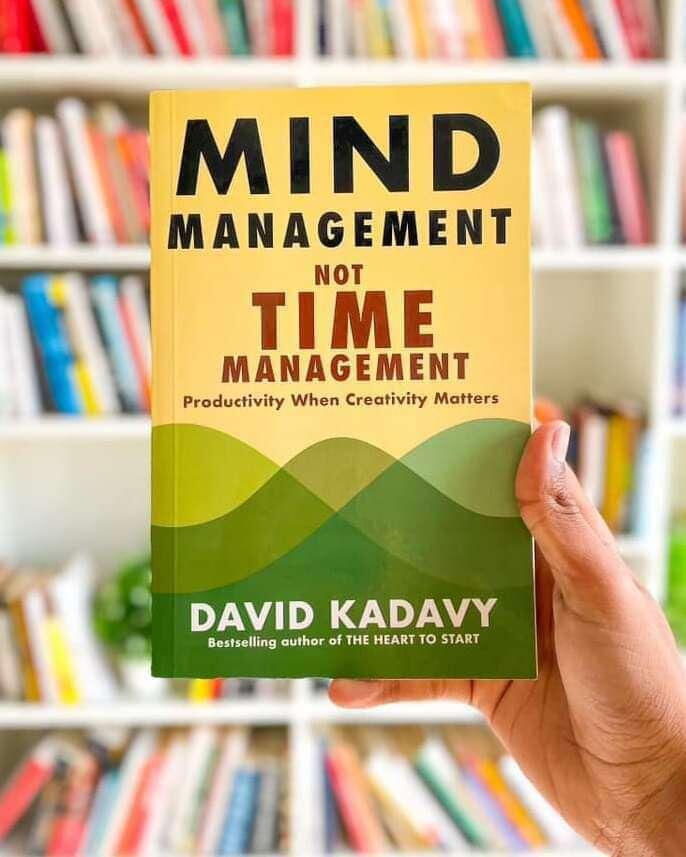
Here are 7 Powerful Lessons from "Mind Management, Not Time Management"
1. Ditch the Time Squeeze, Manage Your Mental State: This book challenges the idea of cramming more into your schedule. Instead, it argues for mastering your mind to unlock effortless productivity. By managing focus, energy, and motivation, you achieve more even with less time.
2. Harness the Power of "Passive Genius": Our greatest insights often come not during focused work, but during downtime. Embrace activities like walking, showering, or daydreaming as opportunities for your subconscious to work its magic. Capture these flashes of inspiration before they fade.
3. Slay the Myth of Writer's Block: Block isn't an enemy, but a signal. It tells you your approach is wrong. Try new methods, change environments, or break down projects into smaller, manageable steps. Remember, every creative endeavor starts with a single, imperfect step.
4. Decode the Patterns in Your Surroundings: Creativity thrives on inspiration. Look for patterns, connections, and unexpected juxtapositions in the world around you. Turn a random encounter into a story prompt, or use a quirky design as a springboard for your own work.
5. Master the Art of the 5-Minute Burst: Sometimes, all it takes is a short burst of focused attention to get the ball rolling. Dedicate just five minutes to your project, then step away. Often, this momentum will carry you further than an entire day of forced effort.
6. Befriend Your Inner Tech Ninja: Technology can be a productivity booster, not a distraction. Discover tools that enhance your workflow, eliminate roadblocks, and automate repetitive tasks. But remember, choose tech that serves you, not the other way around.
7. Embrace Chaos, Find the Big Idea: Don't fear the unexpected. Disruptions and unplanned events can spark hidden potential. Sometimes, getting off track leads you to your most original and groundbreaking work. Learn to adapt and find opportunity in the midst of change.
Credits goes to the respective
Author ✍️/ Photographer📸
🐇 🕳️
#Bitcoin #Satoshis #Freedom #Apocalypse #Music #Movies #Philosophy #Literature
#Grownostr #Stoicism #Nature
APOCALYPSE ANONYMOUS by
ATOSHI ANARKOMOTO
🌊 SURF 'N TURF 🏝️
-THE ISLAND LIFE-

"I don't come down on you with blood and fire, earthquake and lightning, but you must know that within me all of that exist too.. you can just imagine if everyone on earth did have one day where we just put all our minds together regardless where the force is, as long as it's positive, and just meditate for even an hour that day. And just live nice with them nice meditation. I mean, now the climate would be nice, the song would a leave.." -BobMarley
📸 Dalymont Park, Dublin, Ireland
July 6, 1980
Credits goes to the respective
Author ✍️/ Photographer📸
🐇 🕳️
#Bitcoin #Satoshis #Freedom #Apocalypse #Music #Movies #Philosophy #Literature
#Grownostr #Stoicism #Nature
APOCALYPSE ANONYMOUS by
ATOSHI ANARKOMOTO
🌊 SURF 'N TURF 🏝️
-THE ISLAND LIFE-
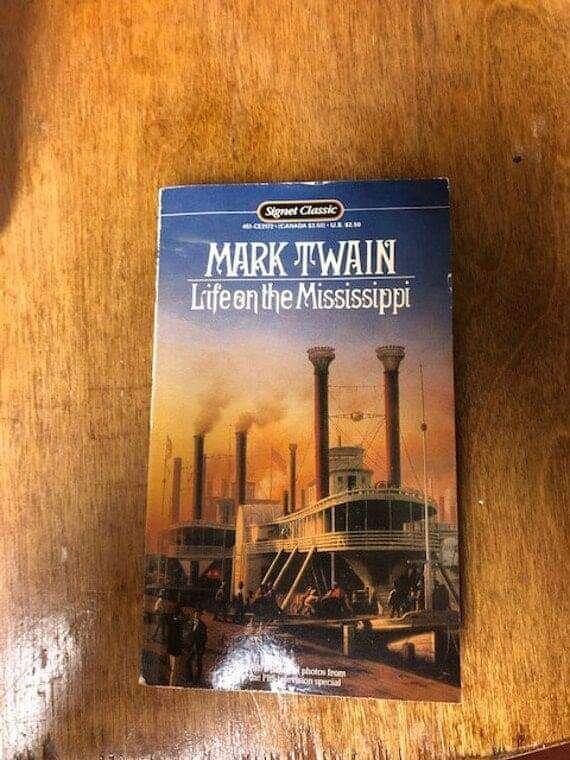
"Life on the Mississippi" by Mark Twain is a memoir that captures the author's experiences as a steamboat pilot on the Mississippi River before the American Civil War. Published in 1883, the book serves both as a personal narrative and a travelogue, recounting Twain's journeys along the river from St. Louis to New Orleans and back.
In this work, Twain reflects on his childhood dreams of becoming a riverboat pilot, a prestigious occupation at the time. He shares vivid descriptions of the river's landscapes, the challenges of navigation, and the vibrant life along the Mississippi. The book is rich with anecdotes, showcasing the culture, people, and the changing dynamics of the river during his time.
Twain's writing is characterized by its humor, nostalgia, and keen observations. He blends satire and celebration, offering insights into the social life and customs of the 19th-century American South. The narrative also touches on the broader themes of growth and change in America, as the river serves as a metaphor for the nation's development.
"Life on the Mississippi" is considered an important work in American literature, marking Twain's transition from a humorist to a serious writer. It provides a unique perspective on a pivotal period in American history and remains a classic for its engaging storytelling and rich historical context. Through this memoir, Twain not only chronicles his adventures but also captures the essence of a bygone era along one of America's most iconic rivers.
Credits goes to the respective
Author ✍️/ Photographer📸
🐇 🕳️
#Bitcoin #Satoshis #Freedom #Apocalypse #Music #Movies #Philosophy #Literature
#Grownostr #Stoicism #Nature
APOCALYPSE ANONYMOUS by
ATOSHI ANARKOMOTO
🌊 SURF 'N TURF 🏝️
-THE ISLAND LIFE-
"Hey y'all, heres a quick version of my track Too Late performed live in one take with Ableton Live, Push 3 & Launch Control XL.
Drums, bass, keys, rhythm & lead guitar are live looped and then dub mixed with my live vocal.
This is currently my favorite way to perform, though I do still really enjoy the live drum kit setup too.". -Prezence.
Credits goes to the respective
Author ✍️/ Photographer📸
🐇 🕳️
#Bitcoin #Satoshis #Freedom #Apocalypse #Music #Movies #Philosophy #Literature
#Grownostr #Stoicism #Nature
APOCALYPSE ANONYMOUS by
ATOSHI ANARKOMOTO
🌊 SURF 'N TURF 🏝️
-THE ISLAND LIFE-

Sadly, what many people didn't know at the time was that this would be Freddie's last public appearance, and that those three words would be his farewell
Freddie Mercury on stage at London's Dominion Theatre to collect his latest 'Brit Award', which rewarded Queen for their exceptional contribution to British music... 1990.
Credits goes to the respective
Author ✍️/ Photographer📸
🐇 🕳️
#Bitcoin #Satoshis #Freedom #Apocalypse #Music #Movies #Philosophy #Literature
#Grownostr #Stoicism #Nature
APOCALYPSE ANONYMOUS by
ATOSHI ANARKOMOTO
🌊 SURF 'N TURF 🏝️
-THE ISLAND LIFE-

The Daily Stoic.
Read aloud daily for you.
08 November 2024.
https://video.nostr.build/43602a1a3416879395602ff067f6d122b19b3d65481476c97a0dfe9e5da0d336.mp4
Bitcoin btc
76,105.89USD
Difficulty
101.65 TH
Block Height
869425

Credits goes to the respective
Author ✍️/ Photographer📸
🐇 🕳️
#Bitcoin #Satoshis #Freedom #Apocalypse #Music #Movies #Philosophy #Literature
#Grownostr #Stoicism #Nature
APOCALYPSE ANONYMOUS by
ATOSHI ANARKOMOTO
🌊 SURF 'N TURF 🏝️
-THE ISLAND LIFE-

Frank Sinatra, Elvis, Johnny Cash, Jimi Hendrix, Jim Morrison, David Bowie, Mick Jagger, Janis Joplin and Kurt Cobain (1930s-90s)
Credits goes to the respective
Author ✍️/ Photographer📸
🐇 🕳️
#Bitcoin #Satoshis #Freedom #Apocalypse #Music #Movies #Philosophy #Literature
#Grownostr #Stoicism #Nature
APOCALYPSE ANONYMOUS by
ATOSHI ANARKOMOTO
🌊 SURF 'N TURF 🏝️
-THE ISLAND LIFE-
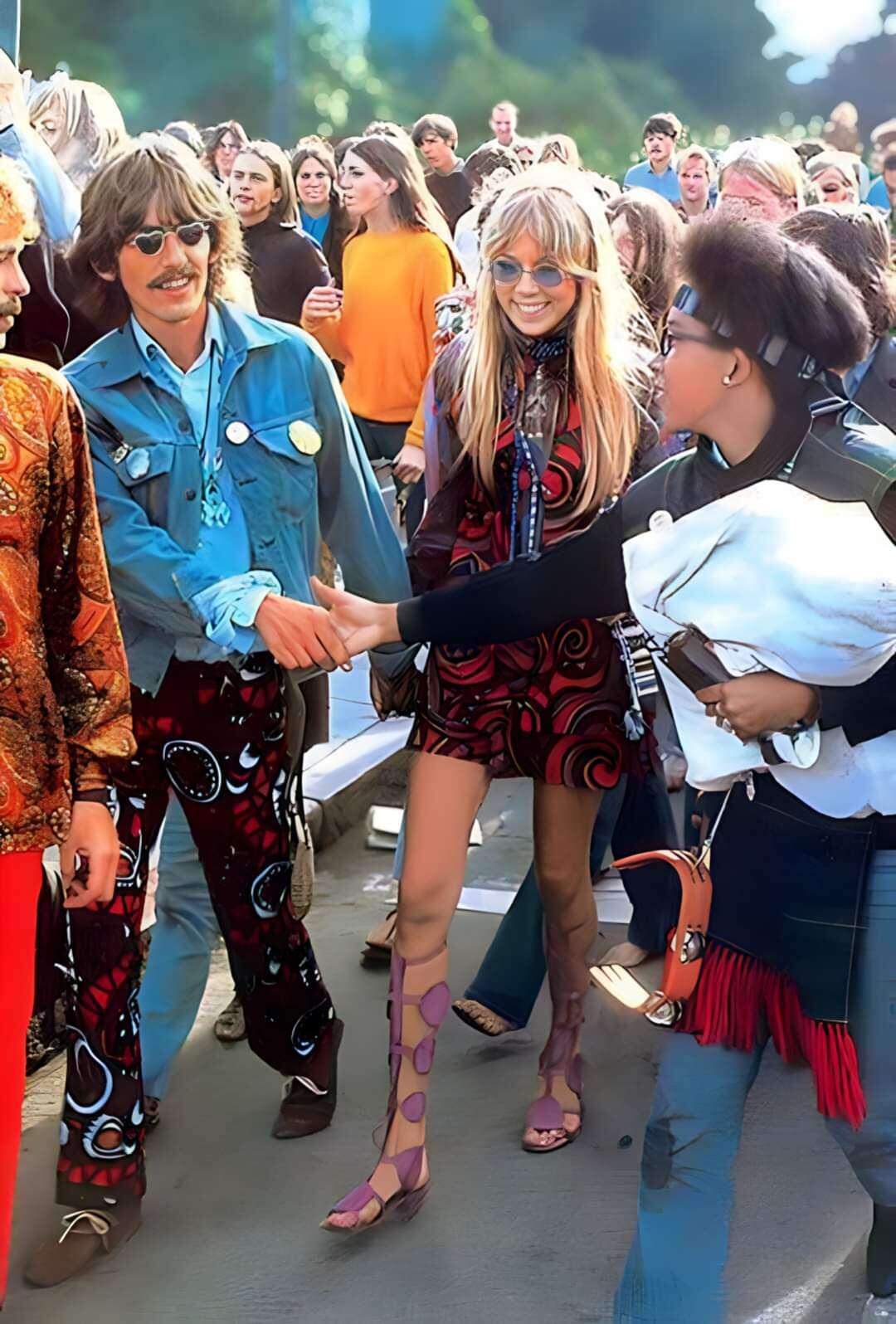
George Harrison and Pattie Boyd's romance is one of the most iconic love stories in rock history.
They first met in 1964 on the set of The Beatles' film *A Hard Day's Night*, where Boyd played a role as a model. Their relationship blossomed, leading to their marriage in 1966, making Boyd the inspiration for some of Harrison's most cherished songs, including "Something" and "Isn't It a Pity."
However, their marriage faced challenges, primarily due to Harrison's rising fame and Boyd's burgeoning modeling career. The couple's relationship strained in the 1970s, exacerbated by Harrison's increasing spirituality and Boyd's involvement with Eric Clapton, who famously penned "Layla" about her.
They eventually divorced in 1977, but their connection remained significant. Boyd later reflected on their time together fondly, emphasizing the deep emotional bond they shared, while Harrison continued to express admiration for Boyd’s influence on his music throughout his career. Their story remains a poignant example of love and artistic inspiration intertwined within the turbulent world of rock 'n' roll.
Credits goes to the respective
Author ✍️/ Photographer📸
🐇 🕳️
#Bitcoin #Satoshis #Freedom #Apocalypse #Music #Movies #Philosophy #Literature
#Grownostr #Stoicism #Nature
APOCALYPSE ANONYMOUS by
ATOSHI ANARKOMOTO
🌊 SURF 'N TURF 🏝️
-THE ISLAND LIFE-

This bronze head, found on the island of Delos in 1912, represents one of the most extraordinary masterpieces of #Hellenistic art that has survived to this day.
It dates back to the 1st or 2nd century BC. and is known among Anglo-Saxon scholars as the "Worried Man of Delos" due to the incredible expressiveness of his features.
Credits goes to the respective
Author ✍️/ Photographer📸
🐇 🕳️
#Bitcoin #Satoshis #Freedom #Apocalypse #Music #Movies #Philosophy #Literature
#Grownostr #Stoicism #Nature
APOCALYPSE ANONYMOUS by
ATOSHI ANARKOMOTO

GM ... Have a good one

🌊 SURF 'N TURF 🏝️
-THE ISLAND LIFE-

Learned Optimism by Martin Seligman explores how optimism can be cultivated and how it affects our mental health, resilience, and success. Seligman presents strategies for shifting from a pessimistic mindset to a more optimistic one.
Here are 10 lessons from the book:
1. Optimism Can Be Learned: Seligman argues that optimism is not an inherent trait but a skill that can be developed. By consciously changing how you interpret events, you can become more optimistic and improve your overall well-being.
2. The Power of Explanatory Style: The way you explain life’s events to yourself, known as your explanatory style, influences whether you are an optimist or pessimist. Optimists tend to view setbacks as temporary, specific, and external, while pessimists see them as permanent, pervasive, and personal.
3. Challenge Negative Thoughts: To foster optimism, you must learn to challenge and reframe negative thoughts. Seligman provides techniques to question and counter irrational or overly pessimistic interpretations of events.
4. Optimism Improves Resilience: Optimists are more resilient in the face of adversity because they believe they can influence outcomes and that setbacks are temporary. This mindset helps them bounce back from challenges more quickly.
5. Pessimism Is Linked to Depression: Pessimistic thinking patterns are associated with a higher risk of depression. Seligman shows that changing one's explanatory style can help alleviate depressive symptoms and increase overall mental health.
6. Optimism Enhances Performance: In both professional and personal contexts, optimists tend to perform better because they believe their efforts matter. This belief drives them to persist in the face of difficulties and continue striving toward their goals.
7. Take Control of Your Internal Dialogue: How you talk to yourself matters. Seligman encourages becoming aware of your internal dialogue and learning to replace self-defeating or pessimistic thoughts with more empowering, realistic ones.
8. Optimism Can Be Taught to Children: Seligman emphasizes the importance of teaching optimism to children early on. By helping them develop a healthy explanatory style, you can foster resilience and better emotional health throughout their lives.
9. Use the ABC Model for Optimism: Seligman introduces the ABC model—Adversity, Belief, and Consequence—as a tool for developing optimism. The key is to recognize that your beliefs about an adversity determine the consequences (emotions and behaviors), and by changing those beliefs, you can change the outcome.
10. Optimism Improves Physical Health: Optimistic individuals tend to experience better physical health, live longer, and have stronger immune systems. Seligman explains that optimism reduces stress, which in turn lowers the risk of illness.
These lessons from Learned Optimism demonstrate that adopting a more optimistic mindset can significantly improve your mental, emotional, and physical well-being. Optimism, as Seligman explains, is a tool that enhances both happiness and success.
Credits goes to the respective
Author ✍️/ Photographer📸
🐇 🕳️
#Bitcoin #Satoshis #Freedom #Apocalypse #Music #Movies #Philosophy #Literature
#Grownostr #Stoicism #Nature
APOCALYPSE ANONYMOUS by
ATOSHI ANARKOMOTO
🌊 SURF 'N TURF 🏝️
-THE ISLAND LIFE-

Barney Bubbles' futuristic artwork for the early 70s Hawkwind albums helped identify the band's hypnotic riffing as 'Space Rock'.

Collaborations with Michael Moorcock and sleeve notes claiming the band members were space adventurers completed the conceit.

Their stage shows (captured on the Space Ritual album) employed light shows, costumes and sonic assaults that must have made original audiences question whether these guys were human or some kind of extraterrestrial visitors.

'Technicians of spaceship Hawkwind, this is your captain speaking... Your captain is dead! Your captain is dead!'
Credits goes to the respective
Author ✍️/ Photographer📸
🐇 🕳️
#Bitcoin #Satoshis #Freedom #Apocalypse #Music #Movies #Philosophy #Literature
#Grownostr #Stoicism #Nature
APOCALYPSE ANONYMOUS by
ATOSHI ANARKOMOTO