

Gustav Nyquist
🌊 SURF 'N TURF 🏝️
-THE ISLAND LIFE-
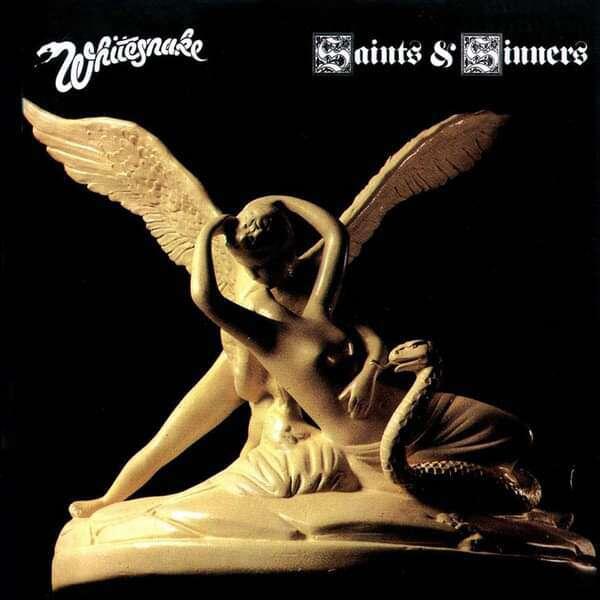
Released on this day 15th November 1982, "𝐒𝐚𝐢𝐧𝐭𝐬 & 𝐒𝐢𝐧𝐧𝐞𝐫𝐬" the fifth studio album by Whitesnake/David Coverdale
"𝐂𝐫𝐲𝐢𝐧𝐠 𝐈𝐧 𝐓𝐡𝐞 𝐑𝐚𝐢𝐧", "𝐇𝐞𝐫𝐞 𝐈 𝐆𝐨 𝐀𝐠𝐚𝐢𝐧", "𝐕𝐢𝐜𝐭𝐢𝐦 𝐎𝐟 𝐋𝐨𝐯𝐞".
Track listing
Side one
1. "Young Blood"
2. "Rough an' Ready"
3. "Bloody Luxury"
4. "Victim of Love"
5. "Crying in the Rain"
Side two
6. "Here I Go Again"
7. "Love an' Affection"
8. "Rock an' Roll Angels"
9. "Dancing Girls"
10. "Saints an' Sinners"
Personnel
David Coverdale – vocals
Micky Moody – guitar, vocals
Bernie Marsden – guitar
Neil Murray – bass
Ian Paice – drums, percussion
Jon Lord – keyboards
Credits Goes to the respective
Author ✍️/ Photographer📸
🐇 🕳️
#Bitcoin #Satoshis #Freedom #Apocalypse #Music #Movies #Philosophy #Literature
🌊 SURF 'N TURF 🏝️
-THE ISLAND LIFE-
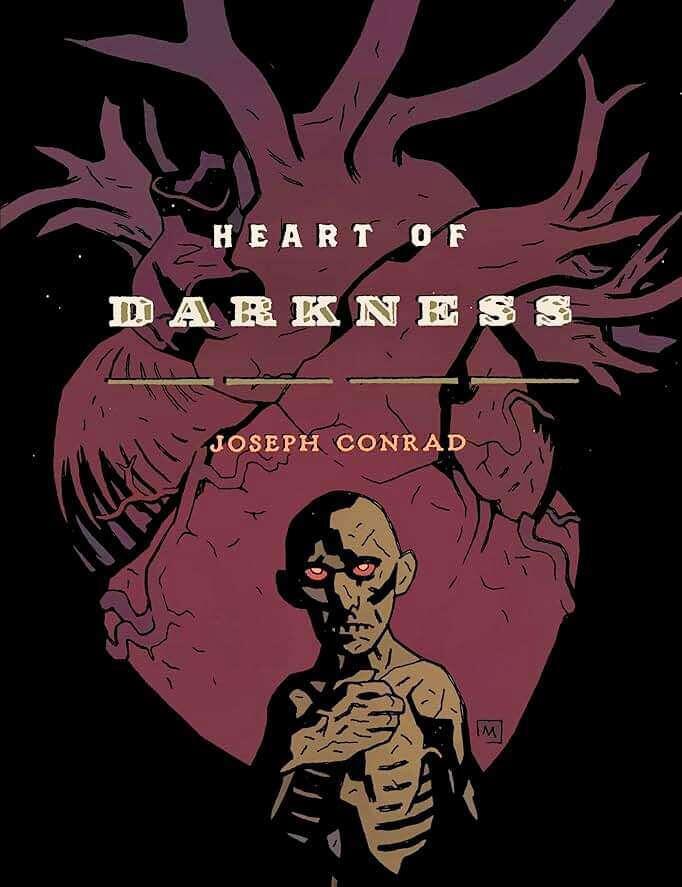
On this day in 1902, Heart of Darkness, Joseph Conrad’s haunting novella, was published in a single volume by William Blackwood in Edinburgh, marking a milestone in English literature that would resonate far beyond the quiet shelves of bookstores.
Conrad, a man who had known both the savage beauty and moral ambiguity of life on the high seas, poured his soul into this work, drawing from his own voyage up the Congo River a decade earlier. Born Józef Teodor Konrad Korzeniowski, a Polish immigrant and former mariner, Conrad had witnessed firsthand the brutal exploitation in the Belgian Congo, a place that would fuel his darkest musings about human nature and imperialism.
As he later wrote, the river had pulled him “into the depths of an impenetrable jungle” where he glimpsed “the heart of an immense darkness.” Now, in the quiet of his English study, he transformed those memories into fiction, a searing indictment of colonialism veiled in dreamlike prose. Heart of Darkness was not just a story; it was an autopsy of the human soul.
Within its pages, readers were guided by Marlow, Conrad’s thinly veiled alter-ego, as he ventured into the Congo in search of Kurtz, a mad ivory trader who had abandoned civilization and set himself up as a demigod over native tribes. “The horror!
The horror!” Kurtz’s final, shattering words, came to epitomize the bleak, existential darkness that Conrad saw festering within every human heart. It was a confrontation with the thin line between civilization and savagery, and in Conrad’s view, few men could stare into that abyss and emerge unchanged. The work laid bare what Conrad perceived as the hypocrisies of imperial Europe, with its lofty ideals masking unspeakable brutality.
Heart of Darkness would go on to influence writers, artists, and political thinkers alike, its themes growing only more relevant as the 20th century revealed new depths of inhumanity. In its brooding, relentless prose, Heart of Darkness achieved more than simply recounting a journey; it immortalized the bitter truth that, as Conrad himself wrote, “the mind of man is capable of anything.”
Credits Goes to the respective
Author ✍️/ Photographer📸
🐇 🕳️
#Bitcoin #Satoshis #Freedom #Apocalypse #Music #Movies #Philosophy #Literature
🌊 SURF 'N TURF 🏝️
-THE ISLAND LIFE-
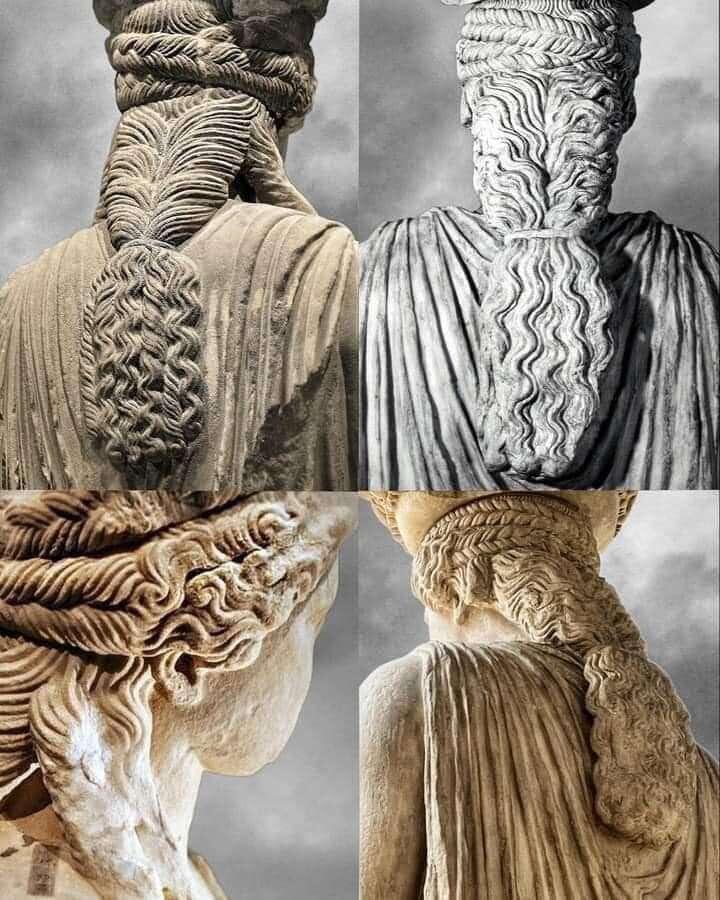
Elegant braided hair of Caryatid statues. Caryatids means "daughters of Karyai", a small town near Sparta, Greece, famous for its almost exotic natural beauty of its women.
The 2500-year-old statues used as columns once adorned the Temple of Erechtheion on the Acropolis of Athens and in particular the mausoleum of mythical King-founder Kekrops, half human half reptile. The originals are exhibited in the Athens Acropolis Museum ( five of them) and the British Museum in London( the 6th one).
Credits Goes to the respective
Author ✍️/ Photographer📸
🐇 🕳️
#Bitcoin #Satoshis #Freedom #Apocalypse #Music #Movies #Philosophy #Literature
🌊 SURF 'N TURF 🏝️
-THE ISLAND LIFE-
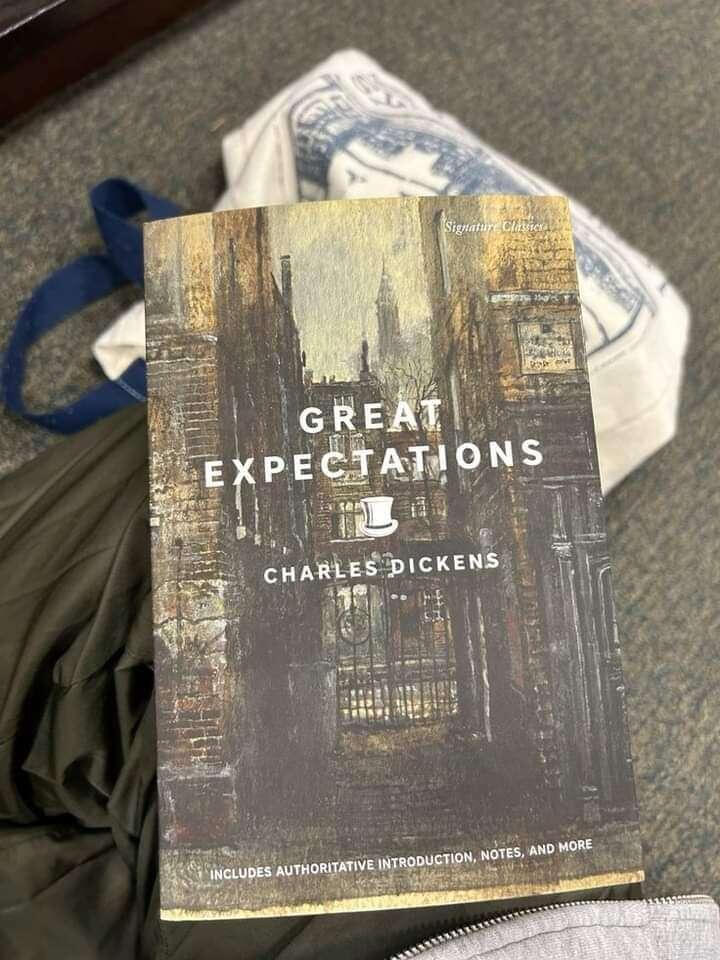
Here are seven lessons from Great Expectations by Charles Dickens:
Ambition Can Be a Double-Edged Sword: Pip’s desire to rise above his social class leads him on a journey filled with both triumph and disappointment. His ambitions push him forward, but they also cause him to lose sight of what truly matters, illustrating that ambition without self-awareness can be destructive.
The Importance of Loyalty and Integrity: Characters like Joe Gargery and Biddy exemplify kindness, loyalty, and integrity, standing by Pip even when he becomes prideful and distant. Through them, Dickens emphasizes the enduring value of staying true to oneself and those who care for you.
Wealth Doesn’t Equal Happiness: Pip’s “great expectations” revolve around becoming wealthy and respected, but he soon learns that money and social status do not bring happiness or fulfillment. True contentment comes from love, compassion, and personal connections rather than material wealth.
Redemption and Forgiveness Are Possible: Many characters in Great Expectations find a path to redemption. Pip learns to forgive himself and make amends, while Magwitch seeks redemption through helping Pip. This shows that everyone can seek forgiveness and start anew.
Love Can Be Painful and Unreciprocated: Pip’s unrequited love for Estella is a recurring theme, showing that love doesn’t always lead to a happy ending. Dickens suggests that while love can be transformative, it can also be a source of deep pain, especially if it is one-sided.
Appearances Can Be Deceiving: Several characters, including Magwitch and Miss Havisham, defy first impressions. Magwitch, a convict, turns out to be Pip’s greatest benefactor, while Miss Havisham, who initially seems benevolent, manipulates Pip and Estella for her own ends. Dickens cautions readers to look beyond surface appearances.
Growth Comes Through Hardship: Pip’s journey is filled with hardship, loss, and mistakes. Through these challenges, he learns humility, gratitude, and compassion. Dickens shows that personal growth often comes through difficult experiences, making us wiser and stronger.
Great Expectations is a profound exploration of character, class, and morality, reminding readers that the true riches of life lie not in wealth or status, but in relationships, integrity, and personal growth.
Credits Goes to the respective
Author ✍️/ Photographer📸
🐇 🕳️
#Bitcoin #Satoshis #Freedom #Apocalypse #Music #Movies #Philosophy #Literature


🌊 SURF 'N TURF 🏝️
-THE ISLAND LIFE-

Men Without Women by Haruki Murakami explores themes of loneliness, relationships, masculinity, and identity through seven short stories, each focusing on men who, in different ways, experience loss or disconnection from women in their lives. Here are ten lessons we can draw from this collection:
1. Loneliness Is Complex and Multi-Dimensional
The stories show that loneliness isn't just a physical absence of people but can stem from emotional and psychological isolation, even in the presence of others.
2. Relationships Shape Identity
Murakami’s characters reveal how relationships profoundly impact a person's sense of self, often struggling with identity when disconnected from those they love.
3. Unexpressed Emotions Create Inner Conflict
The men in these stories often hide or suppress their feelings, which leads to unresolved emotions and inner turmoil. The collection highlights the need for self-reflection and emotional honesty.
4. Love Isn’t Always Reciprocal or Fair
Love in Murakami’s world is often one-sided, unfulfilled, or lost. This emphasizes that love doesn’t always offer closure or satisfaction, a painful but universal truth.
5. Men’s Emotional Vulnerabilities Are Often Overlooked
The book challenges stereotypes about masculinity, showing men’s emotional depth and vulnerabilities and the consequences when society ignores them.
6. Memories Can Haunt as Much as They Heal
Many characters live in the past, haunted by memories of women they've lost. This underscores the difficulty of moving forward and how memories can both comfort and burden.
7. Human Connection Requires Effort and Presence
Meaningful relationships require more than physical presence; they demand emotional availability, understanding, and communication, often missing in these men’s lives.
8. Existential Isolation Is a Shared Experience
While each story is unique, a shared experience of existential solitude connects them all, reflecting the broader human condition.
9. Acceptance of Impermanence
The stories highlight the transient nature of life and relationships, reminding us to embrace impermanence and find meaning in what we have while it lasts.
10. Healing Often Comes Through Understanding Oneself
Ultimately, the stories suggest that healing comes from looking inward, understanding oneself, and finding peace within, rather than seeking validation or resolution through others.
Murakami’s Men Without Women is a subtle, thought-provoking meditation on love, loneliness, and self-discovery. Each story provides a nuanced view of what it means to be human and to navigate the complexities of relationships and solitude.
Credits Goes to the respective
Author ✍️/ Photographer📸
🐇 🕳️
#Bitcoin #Satoshis #Freedom #Apocalypse #Music #Movies #Philosophy #Literature
🌊 SURF 'N TURF 🏝️
-THE ISLAND LIFE-

On this day in 1971, the Don McLean’s second LP “American Pie” debuted on the US Billboard 200 Albums Chart at #164 (November 13)
The folk rock album containing the classic chart-topping singles "American Pie" and "Vincent" eventually reached #1 on the Billboard 200, and also topped the charts in Australia and Canada, and went to #2 in the UK.
McLean has said that for this LP he was influenced by the Beatles' Sgt Pepper album.
Interestingly, producer Ed Freeman decided to use accomplished musicians who were not "studio musicians who could act like a metronome" because he wanted to capture the feel of a "band that was really cooking”.
Click on the link below to watch Don McLean do it live:
Credits Goes to the respective
Author ✍️/ Photographer📸
🐇 🕳️
#Bitcoin #Satoshis #Freedom #Apocalypse #Music #Movies #Philosophy #Literature
🌊 SURF 'N TURF 🏝️
-THE ISLAND LIFE-
Hans Zimmer
Moog modular with Roland System 700 cabinets.

His works are notable for integrating electronic music sounds with traditional orchestral arrangements. Since the 1980s, Zimmer has composed music for over 150 films.
He has won two Academy Awards for Best Original Score for The Lion King (1994), and for Dune (2021). His works include Gladiator, The Last Samurai, the Pirates of the Caribbean series, The Dark Knight trilogy, Inception, Man of Steel, Interstellar, Dunkirk, No Time to Die, and the Dune series.
Zimmer spent the early part of his career in the United Kingdom before moving to the United States. He is the head of the film music division at DreamWorks Pictures and DreamWorks Animation studios and works with other composers through the company that he founded, Remote Control Productions, formerly known as Media Ventures.
His studio in Santa Monica, California, has an extensive range of computer equipment and keyboards, allowing demo versions of film scores to be created quickly.
Zimmer has collaborated on multiple projects with directors including Christopher Nolan, Ridley Scott, Ron Howard, Gore Verbinski, Michael Bay, Guy Ritchie, and Denis Villeneuve.
Credits Goes to the respective
Author ✍️/ Photographer📸
🐇 🕳️
#Bitcoin #Satoshis #Freedom #Apocalypse #Music #Movies #Philosophy #Literature
🌊 SURF 'N TURF 🏝️
-THE ISLAND LIFE-

Candi Sukuh is a 15th-century Hindu temple located on the western slope of Mount Lawu in Central Java, Indonesia.
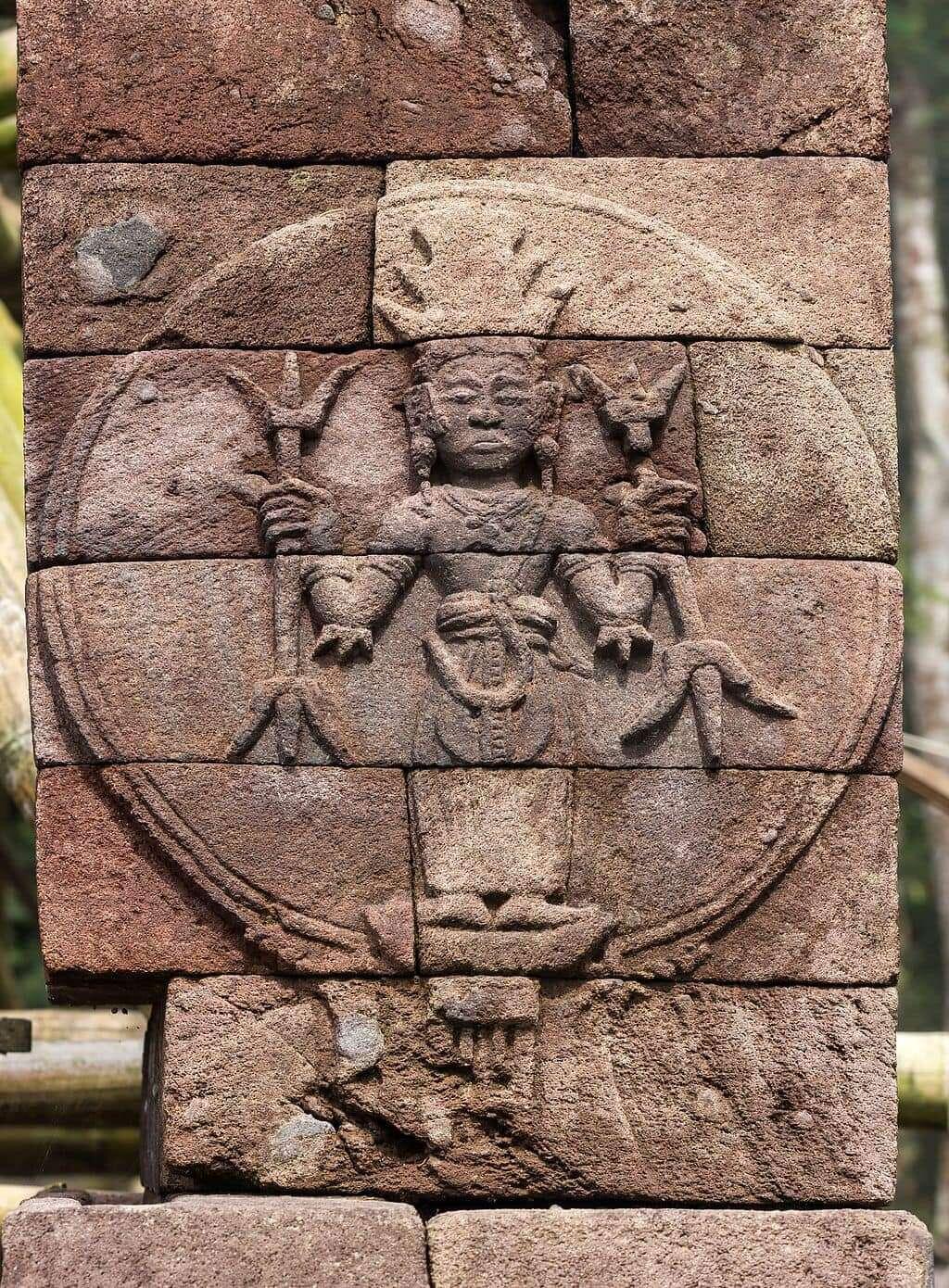
Constructed during the Majapahit Empire, it is believed to date to 1437 AD under the rule of King Brawijaya V or one of his successors, during a period of transition as the influence of Islam began to spread across Java. The temple’s purpose appears to have been associated with fertility rites as suggested by its numerous symbolic carvings and sculptures.

The temple has a truncated-pyramid design, which resembles Aztec structures more than the typical Javanese-style temples. It is built from andesite stone and features a main entrance flanked by gate structures, with a central courtyard that houses the pyramid and several smaller structures. The temple is adorned with carvings depicting Hindu deities, mythological scenes, and explicit fertility symbols.

Credits Goes to the respective
Author ✍️/ Photographer📸
🐇 🕳️
#Bitcoin #Satoshis #Freedom #Apocalypse #Music #Movies #Philosophy #Literature
🌊 SURF 'N TURF 🏝️
-THE ISLAND LIFE-
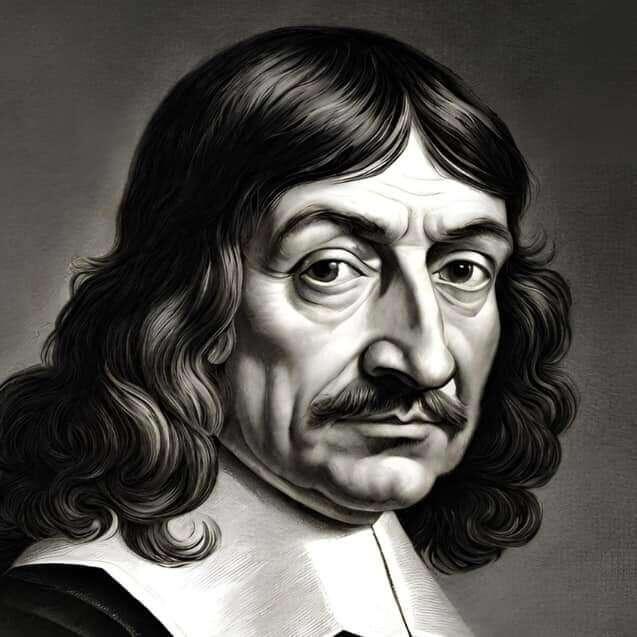
The Underrated Genius of René Descartes
Is the genius of René Descartes is underrated?
Although René Descartes (1596–1650) is often acknowledged for his famous phrases and contributions to Cartesian geometry, the breadth of his influence is frequently underestimated. His work fundamentally shifted how we view knowledge, inquiry, and even the nature of existence. In this sense, he is an underrated genius whose visionary ideas are woven through multiple disciplines—sometimes so deeply embedded that they’re overlooked. He made groundbreaking contributions across multiple fields, including philosophy, mathematics, and science.
Here’s an overview of some of his most influential contributions:
1. Philosophy: Cogito, Ergo Sum (“I Think, Therefore I Am”)
• Descartes’ most famous philosophical assertion, “Cogito, ergo sum,” was a foundational moment in Western thought. In his search for certainty, he arrived at the realization that while he could doubt everything, he could not doubt his own act of doubting, and thus, his existence. This insight established a basis for self-awareness and individual consciousness as fundamental truths.
• His method of methodological skepticism—doubting everything that could not be proven with absolute certainty—helped shape modern approaches to scientific inquiry and knowledge.
2. Dualism: Mind-Body Separation
• Descartes developed the concept of dualism, which posits that mind and body are fundamentally different substances. According to Descartes, the mind (a non-material substance) is separate from the body (a material substance), and they interact through the pineal gland. This idea had a profound influence on philosophy, psychology, and neuroscience, sparking debates that continue today about the nature of consciousness and the relationship between the mental and physical worlds.
3. Analytical Geometry
• In mathematics, Descartes’ analytical geometry revolutionized the field. He introduced a way to describe geometry through algebra by plotting points on a Cartesian coordinate system (named after him). This innovation allowed geometric shapes to be expressed as algebraic equations and enabled the development of calculus by Newton and Leibniz.
• The Cartesian plane (using x and y coordinates) remains fundamental to mathematics and physics, linking algebra and geometry and providing a basis for graphing functions and data.
4. Cartesian Doubt and Rationalism
• Descartes is often considered the father of rationalism, a philosophical view that emphasizes reason as the primary source of knowledge. His systematic doubt and emphasis on deductive reasoning laid the groundwork for the scientific method, influencing Enlightenment thinkers and shaping the development of Western philosophy.
5. Scientific Contributions and Mechanics
• Descartes made strides in optics, explaining the law of refraction (now known as Snell’s law) and advancing theories about light and vision. His work contributed to the early understanding of how light behaves, helping to bridge the gap between physics and philosophy.
• In mechanics, he proposed that the physical world operated according to certain mechanical laws, laying a foundation for classical physics. Though later revised by Newton, Descartes’ ideas were essential to early conceptions of motion and the mechanistic view of nature.
6. Mathematical and Scientific Terminology
• Descartes introduced terms and conventions still in use today. For instance, he used superscript numbers to denote exponents (e.g., x^2 for x squared), which is now standard in algebra.
• He also introduced the use of letters at the end of the alphabet to represent unknowns (e.g., x, y, z) and letters at the beginning to represent constants (a, b, c), conventions that remain essential in algebra.
7. Influence on Medicine and Neuroscience
• Though not entirely accurate by modern standards, Descartes’ ideas on the interaction between mind and body contributed to early studies in neuroscience and psychology. His view that the mind affects the body through the pineal gland was one of the first attempts to explain brain function, stimulating later research into the physiological basis of thought and behavior.
Summary
Descartes’ work in philosophy, mathematics, and science makes him the grandfather of modern thought, emphasizing skepticism, analytical reasoning, and the pursuit of knowledge through rational inquiry. His legacy endures in fields ranging from mathematics and computer science to philosophy and cognitive science, making him a pivotal figure in the development of Western intellectual history.
Credits Goes to the respective
Author ✍️/ Photographer📸
🐇 🕳️
#Bitcoin #Satoshis #Freedom #Apocalypse #Music #Movies #Philosophy #Literature
🌊 SURF 'N TURF 🏝️
-THE ISLAND LIFE-
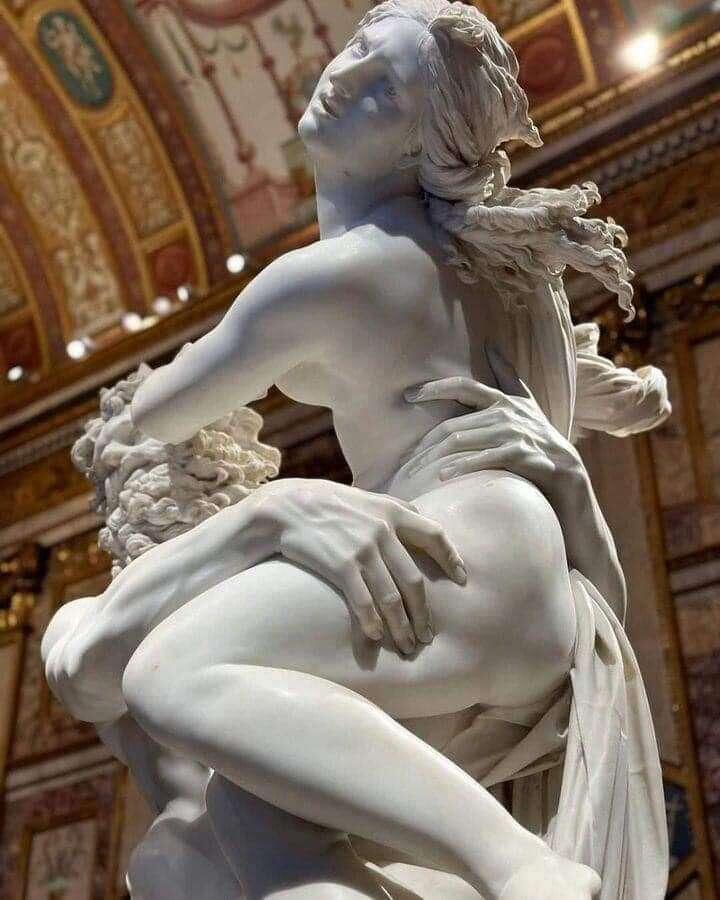
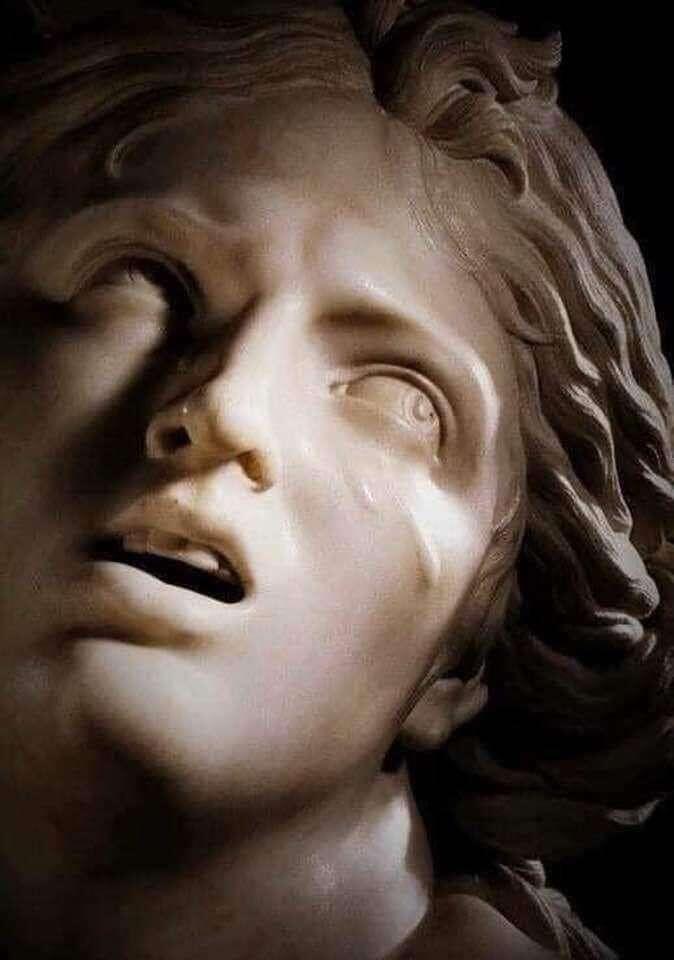
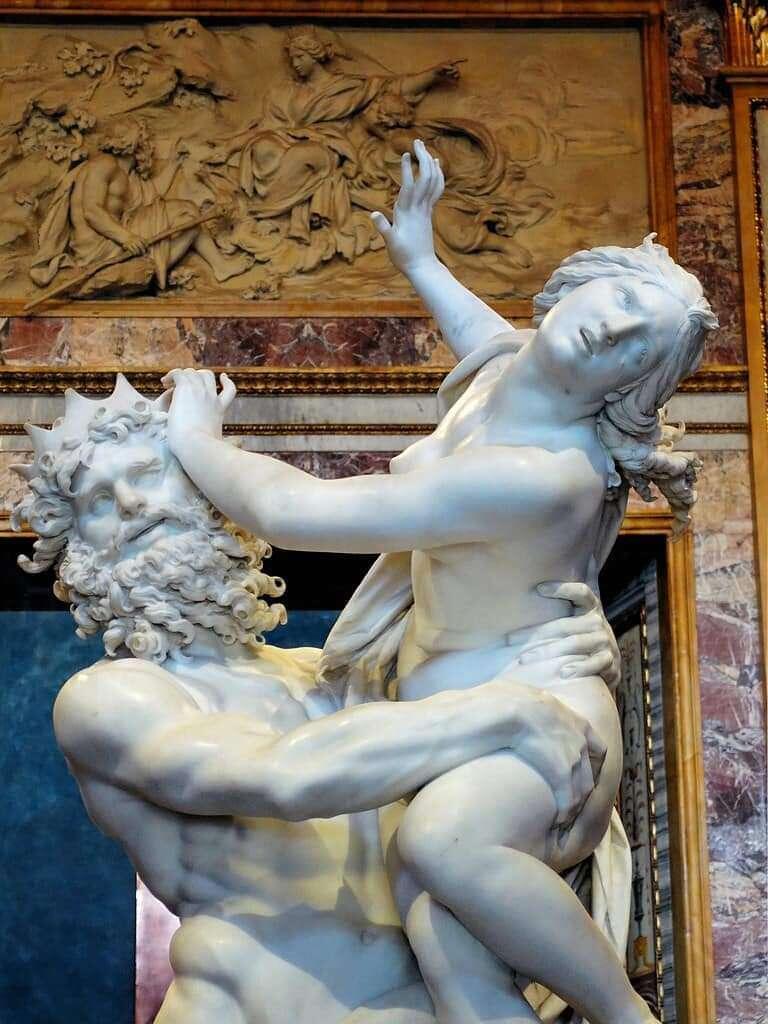
Gian Lorenzo Bernini's famous sculpture "The Abduction of Persephone" (Ratto di Proserpina) with the expression on Persephone’s face and tears, 1622,
Borghese Gallery, Rome, Italy.
"A large Baroque marble group sculpture made by Bernini between 1621 and 1622, at an early stage in the artist's career.
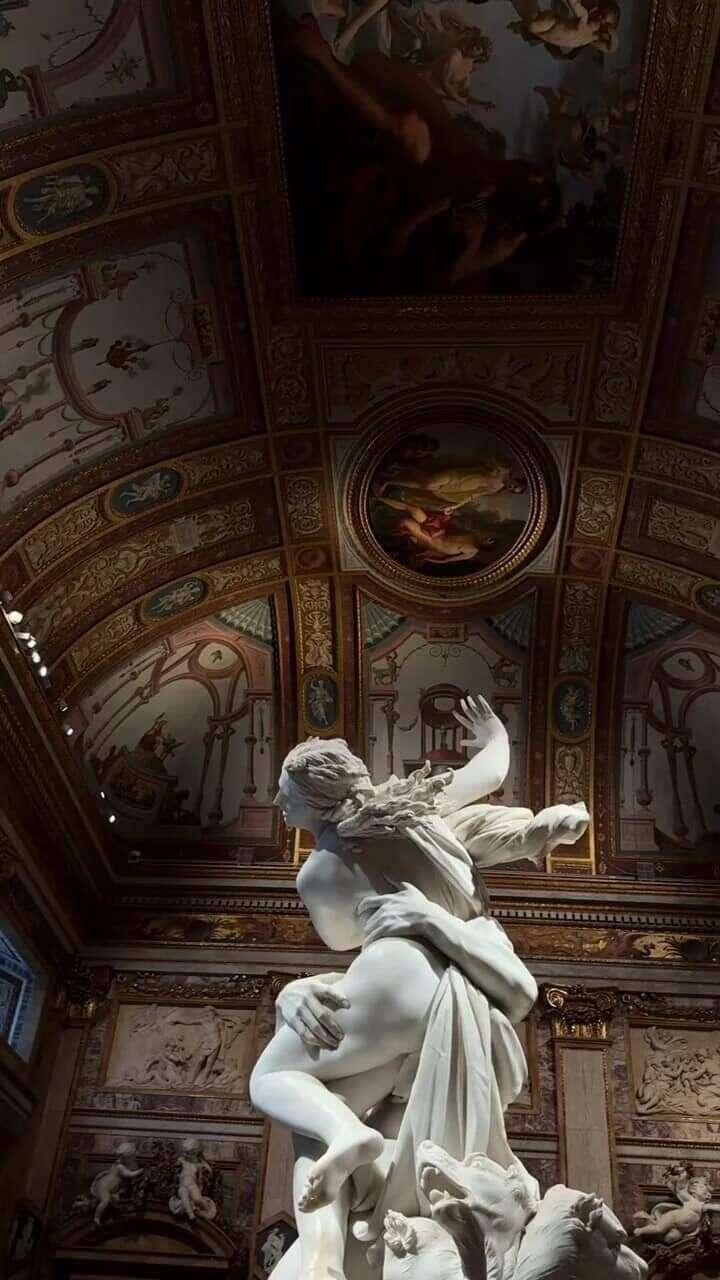
Completed when Bernini was only 23, the sculpture depicts the abduction of Persephone who is abducted by the god Pluto and taken to the underworld."
Credits Goes to the respective
Author ✍️/ Photographer📸
🐇 🕳️
#Bitcoin #Satoshis #Freedom #Apocalypse #Music #Movies #Philosophy #Literature
🌊 SURF 'N TURF 🏝️
-THE ISLAND LIFE-
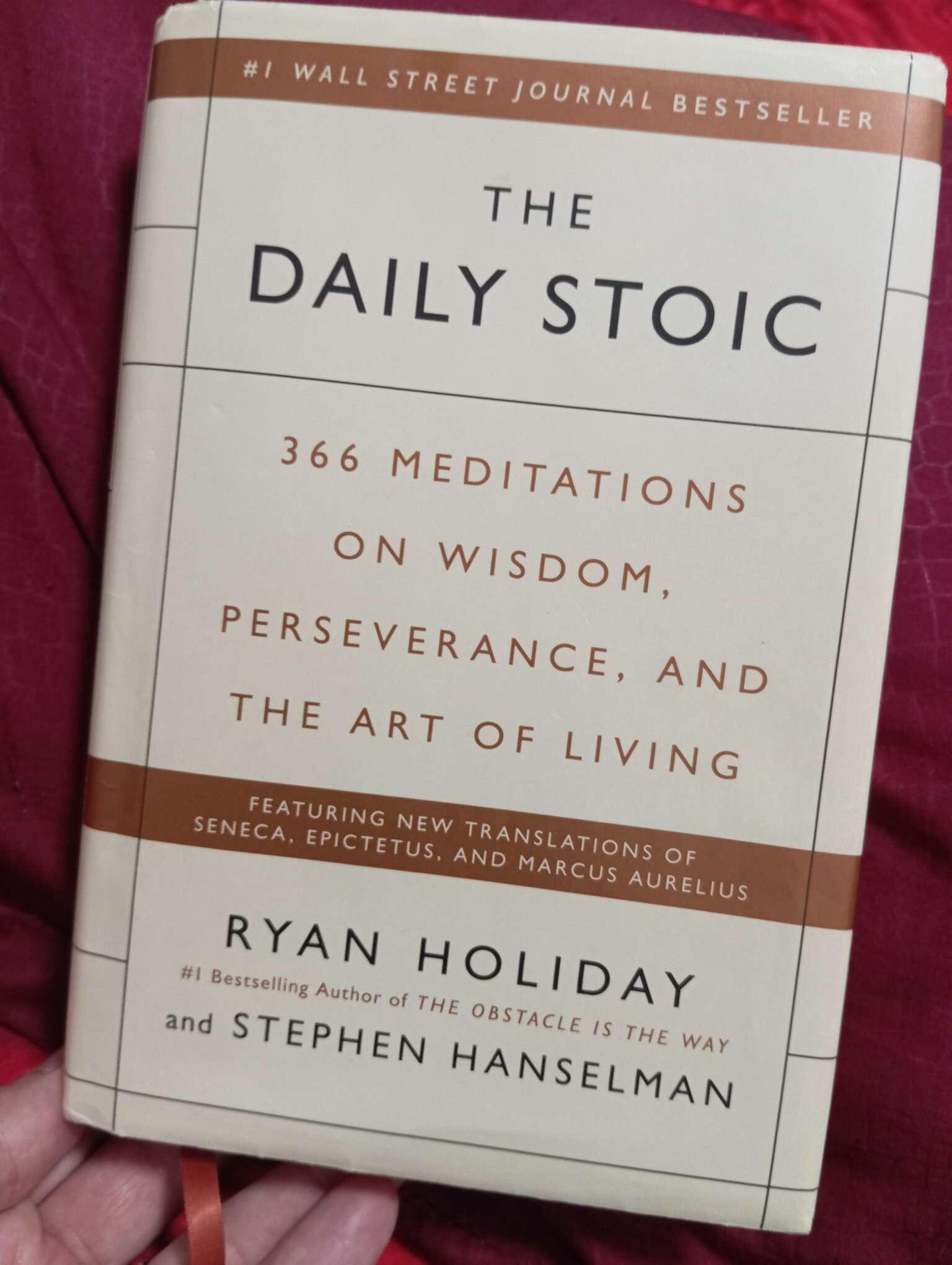
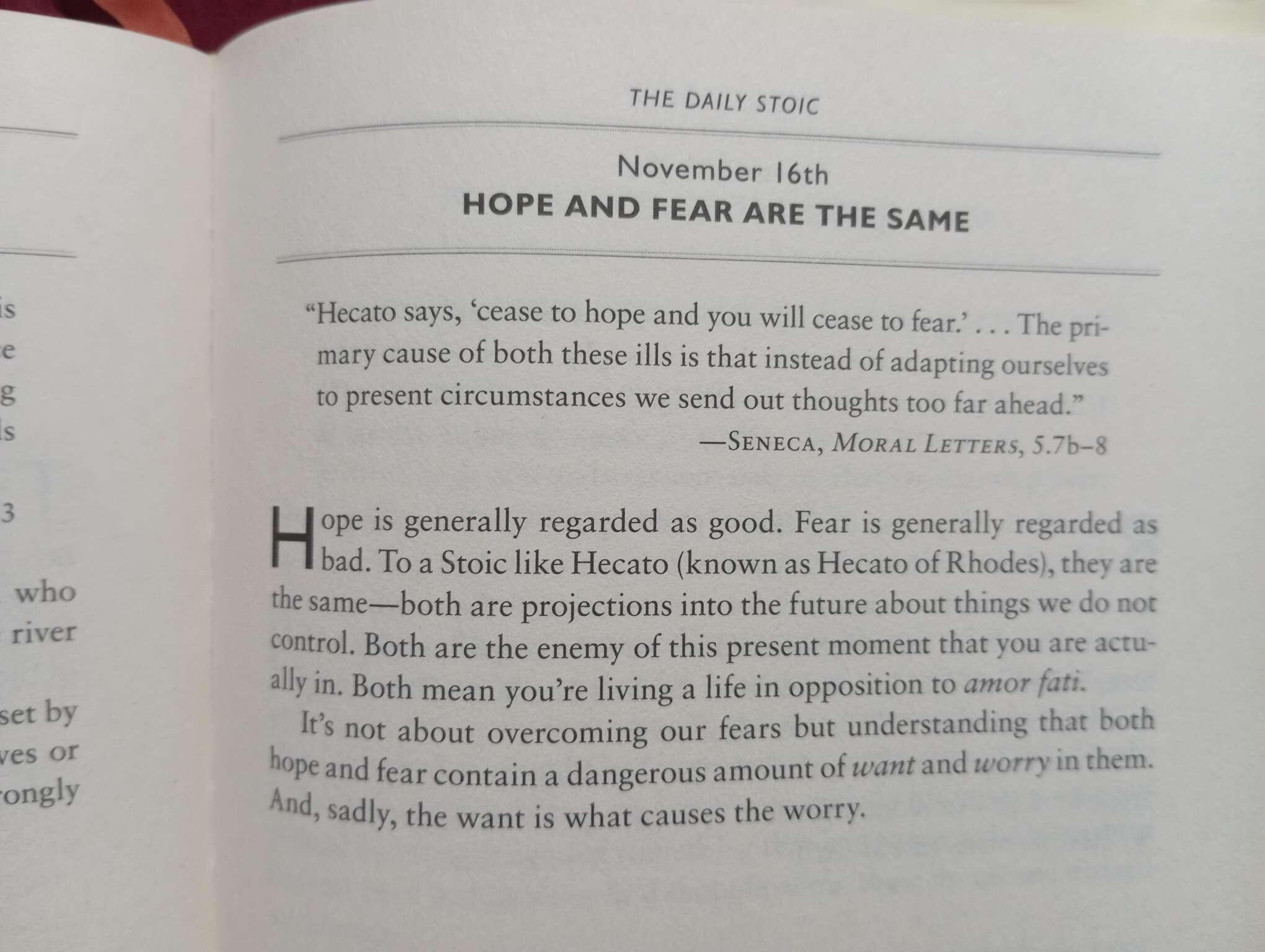
The Daily Stoic.
Read aloud daily for you.
16 November 2024.
https://video.nostr.build/d6089eb59fcf582cb81fabe140de2804eb2cb7b4d7a7ba57dcd806193afa0d17.mp4
Bitcoin btc
91,175.01USD
Difficulty
101.65 TH
Block Height
870523
Credits Goes to the respective
Author ✍️/ Photographer📸
🐇 🕳️
#Bitcoin #Satoshis #Freedom #Apocalypse #Music #Movies #Philosophy #Literature
🌊 SURF 'N TURF 🏝️
-THE ISLAND LIFE-
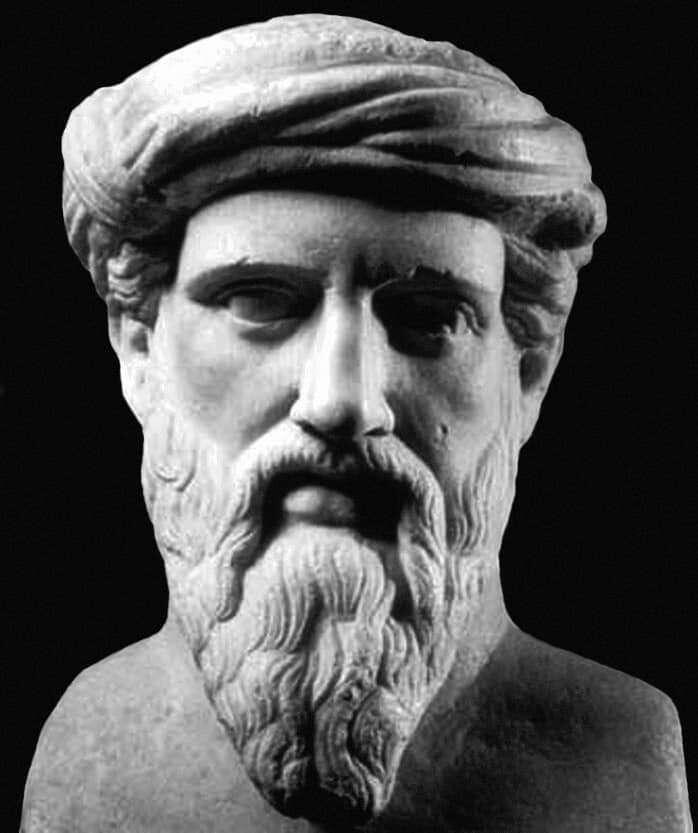
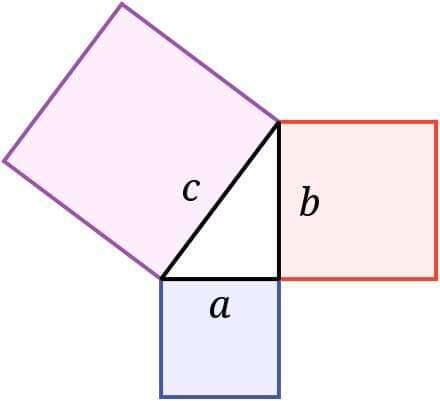
In mathematics, the Pythagorean theorem or Pythagoras' theorem is a fundamental relation in Euclidean geometry between the three sides of a right triangle. It states that the area of the square whose side is the hypotenuse (the side opposite the right angle) is equal to the sum of the areas of the squares on the other two sides.
There is debate whether the Pythagorean theorem was discovered once, or many times in many places, and the date of first discovery is uncertain, as is the date of the first proof. Historians of Mesopotamian mathematics have concluded that the Pythagorean rule was in widespread use during the Old Babylonian period (20th to 16th centuries BC), over a thousand years before Pythagoras was born.
The history of the theorem can be divided into four parts: knowledge of Pythagorean triples, knowledge of the relationship among the sides of a right triangle, knowledge of the relationships among adjacent angles, and proofs of the theorem within some deductive system.
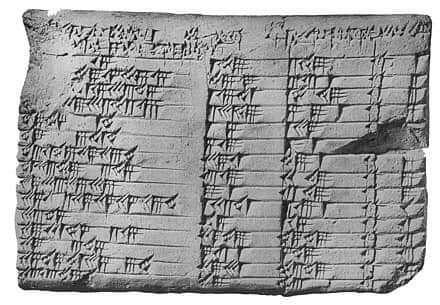
Written c. 1800 BC, the Egyptian Middle Kingdom Berlin Papyrus 6619 includes a problem whose solution is the Pythagorean triple 6:8:10, but the problem does not mention a triangle. The Mesopotamian tablet Plimpton 322, written near Larsa also c. 1800 BC, contains many entries closely related to Pythagorean triples.
In India, the Baudhayana Shulba Sutra, the dates of which are given variously as between the 8th and 5th century BC,contains a list of Pythagorean triples and a statement of the Pythagorean theorem, both in the special case of the isosceles right triangle and in the general case, as does the Apastamba Shulba Sutra (c. 600 BC).
Byzantine Neoplatonic philosopher and mathematician Proclus, writing in the fifth century AD, states two arithmetic rules, "one of them attributed to Plato, the other to Pythagoras",for generating special Pythagorean triples. The rule attributed to Pythagoras (c. 570 – c. 495 BC) starts from an odd number and produces a triple with leg and hypotenuse differing by one unit; the rule attributed to Plato (428/427 or 424/423 – 348/347 BC) starts from an even number and produces a triple with leg and hypotenuse differing by two units. According to Thomas L. Heath (1861–1940), no specific attribution of the theorem to Pythagoras exists in the surviving Greek literature from the five centuries after Pythagoras lived.However, when authors such as Plutarch and Cicero attributed the theorem to Pythagoras, they did so in a way which suggests that the attribution was widely known and undoubted.
Classicist Kurt von Fritz wrote, "Whether this formula is rightly attributed to Pythagoras personally ... one can safely assume that it belongs to the very oldest period of Pythagorean mathematics."Around 300 BC, in Euclid's Elements, the oldest extant axiomatic proof of the theorem is presented.
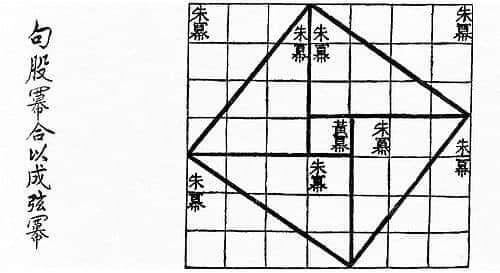
With contents known much earlier, but in surviving texts dating from roughly the 1st century BC, the Chinese text Zhoubi Suanjing (周髀算经), (The Arithmetical Classic of the Gnomon and the Circular Paths of Heaven) gives a reasoning for the Pythagorean theorem for the (3, 4, 5) triangle — in China it is called the "Gougu theorem" (勾股定理).During the Han Dynasty (202 BC to 220 AD), Pythagorean triples appear in The Nine Chapters on the Mathematical Art,together with a mention of right triangles.
Some believe the theorem arose first in China in the 11th century BC,where it is alternatively known as the "Shang Gao theorem" (商高定理),named after the Duke of Zhou's astronomer and mathematician, whose reasoning composed most of what was in the Zhoubi Suanjing.
Credits Goes to the respective
Author ✍️/ Photographer📸
🐇 🕳️
#Bitcoin #Satoshis #Freedom #Apocalypse #Music #Movies #Philosophy #Literature
🌊 SURF 'N TURF 🏝️
-THE ISLAND LIFE-
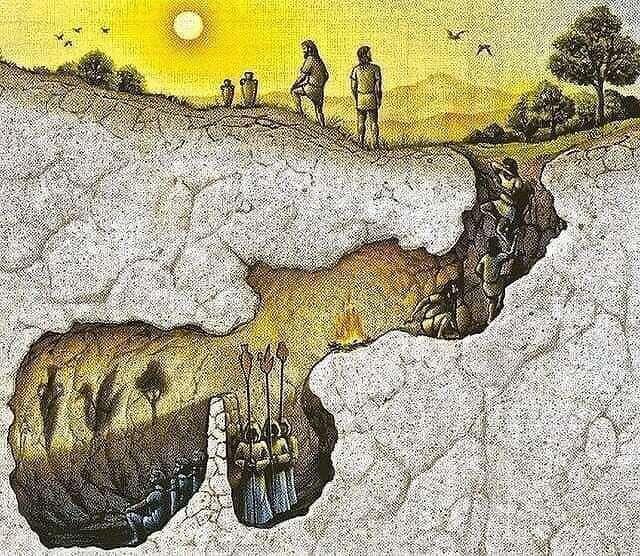
The allegory of the cave, or Plato’s Cave, was presented by the Greek philosopher Plato in his work Republic (514a–520a) to compare “the effect of education (παιδεία) and the lack of it on our nature”.
Plato has Socrates describe a group of people who have lived chained to the wall of a cave all of their lives, facing a blank wall. The people watch shadows projected on the wall from objects passing in front of a fire behind them, and give names to these shadows. The shadows are the prisoners’ reality, or the lowest level of Plato’s divided line. Three higher levels exist, that a rare philosopher will attempt to climb up to. The second level up is known today as the natural sciences. The third level up is mathematics, geometry, and deductive logic.
Socrates explains how the philosopher is like a prisoner who is freed from the cave and comes to understand that the shadows on the wall are not reality at all, for he can perceive the true form of reality rather than the manufactured reality that is the shadows seen by the prisoners. The inmates of this place do not even desire to leave their prison, for they know no better life.
The prisoners manage to break their bonds one day, and discover that their reality was not what they thought it was. They discovered the sun (the symbol for truth), which Plato uses as an analogy for the fire that man cannot see behind. Like the fire that cast light on the walls of the cave, the human condition is forever bound to the impressions that are received through the senses. Even if these interpretations are an absurd misrepresentation of reality, we cannot somehow break free from the bonds of our human condition—we cannot free ourselves from phenomenal state just as the prisoners could not free themselves from chains.
This allegory presents that if we were to escape our bondage, we would find a world that we could not understand—the sun is incomprehensible for someone who has never seen it. In other words, we would encounter another “realm”, a place incomprehensible because, theoretically, it is the source of a higher reality than the one we have always known. This is akin to Maya the great illusion.
Credits Goes to the respective
Author ✍️/ Photographer📸
🐇 🕳️
#Bitcoin #Satoshis #Freedom #Apocalypse #Music #Movies #Philosophy #Literature

Absolutely 💯
🧡
Yes. The Led Zeppelin patch on her ass...it's a subtle addition to the image. Very clever really.


🌊 SURF 'N TURF 🏝️
-THE ISLAND LIFE-
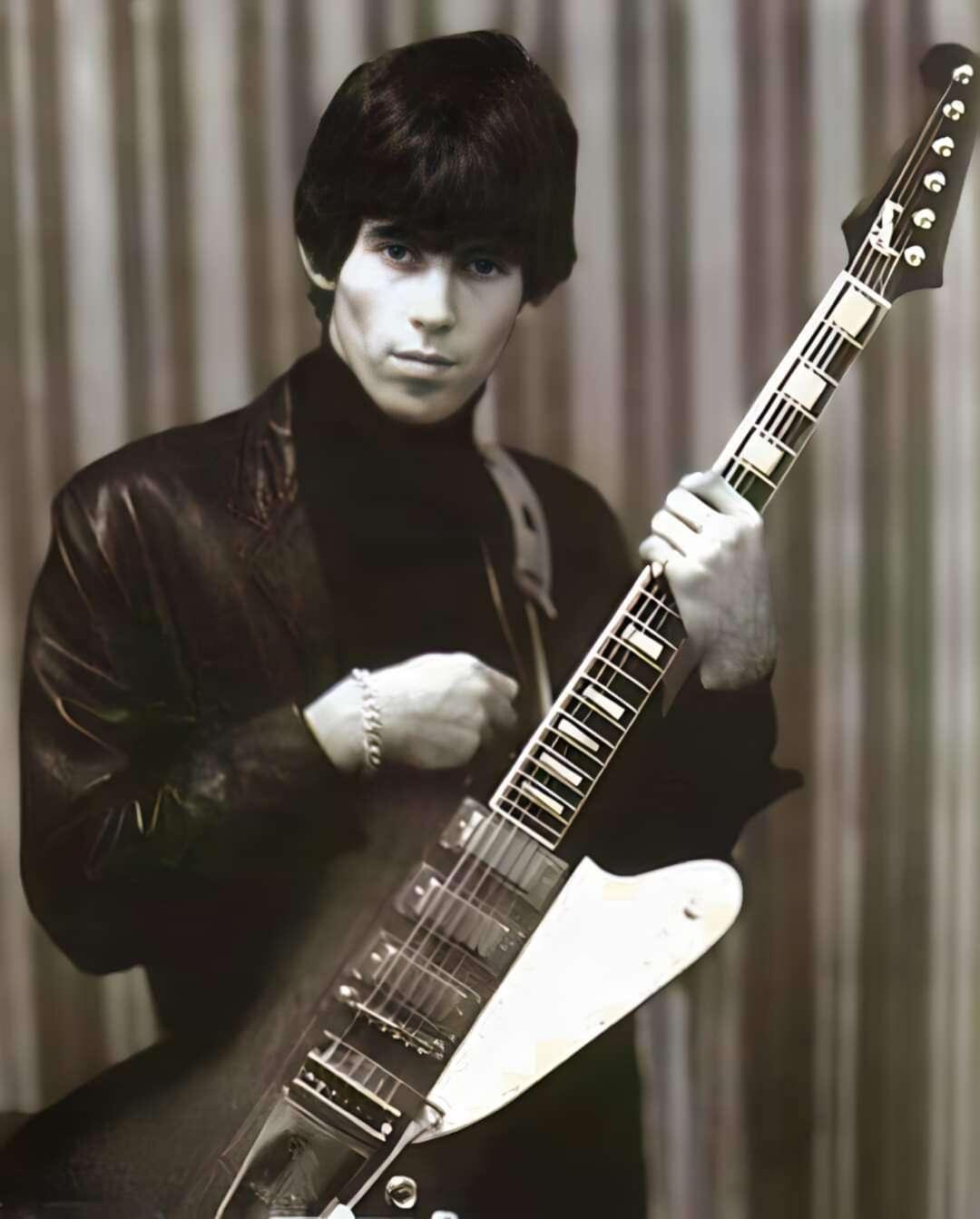
Young Keith Richards with a Gibson Firebird is an image that captures the essence of rock 'n' roll in its purest form.
Richards, known for his rebellious spirit and unmatched guitar playing, made the Firebird famous in the early days of The Rolling Stones.
The Firebird, with its distinctive reverse body shape and sharp tone, was the perfect instrument to complement Richards’ raw, blues-infused style.
Often seen wielding the guitar during the band's early performances, Richards helped define the sound of rock music in the 1960s, with his aggressive riffs and improvisational solos becoming anthems for generations of fans.
Credits Goes to the respective
Author ✍️/ Photographer📸
🐇 🕳️
#Bitcoin #Satoshis #Freedom #Apocalypse #Music #Movies #Philosophy #Literature
🌊 SURF 'N TURF 🏝️
-THE ISLAND LIFE-

📽The Road (2009)
The Road (2009), directed by John Hillcoat, is a haunting adaptation of Cormac McCarthy's Pulitzer Prize-winning novel that explores themes of survival, love, and the human spirit in a post-apocalyptic world.
Set in a desolate landscape ravaged by an unspecified cataclysm, the film follows a father (Viggo Mortensen) and his young son (Kodi Smit-McPhee) as they journey across a bleak, ash-covered America, struggling to find safety and sustenance while avoiding the violent remnants of humanity.
Their bond serves as a poignant reminder of hope amidst despair, as they cling to the notion of "carrying the fire" of humanity within them.
Visually, The Road is strikingly atmospheric, characterized by grim cinematography by Javier Aguirresarobe that captures the stark beauty and desolation of the setting.
Hillcoat's direction emphasizes the emotional weight of the story, blending moments of tension and vulnerability that reflect the characters' harrowing experiences.
The film's score, composed by Nick Cave and Warren Ellis, complements the bleakness of the narrative with haunting melodies that underscore the themes of loss and resilience.
Viggo Mortensen delivers a powerful performance, embodying the father's desperation and determination, while Kodi Smit-McPhee provides a touching portrayal of innocence and hope.
The supporting cast, including Charlize Theron and Guy Pearce, adds depth to the story's exploration of morality and survival.
Overall, The Road stands out as a deeply affecting and thought-provoking film, offering a sobering reflection on the human condition in the face of overwhelming adversity.
Credits Goes to the respective
Author ✍️/ Photographer📸
🐇 🕳️
#Bitcoin #Satoshis #Freedom #Apocalypse #Music #Movies #Philosophy #Literature