
Machine Learning Creates a Massive Map of Smelly Molecules

Scientists can finally predict a chemical’s odor without having a human sniff it
Air-Conditioning Discovery Eliminates Harmful Gases
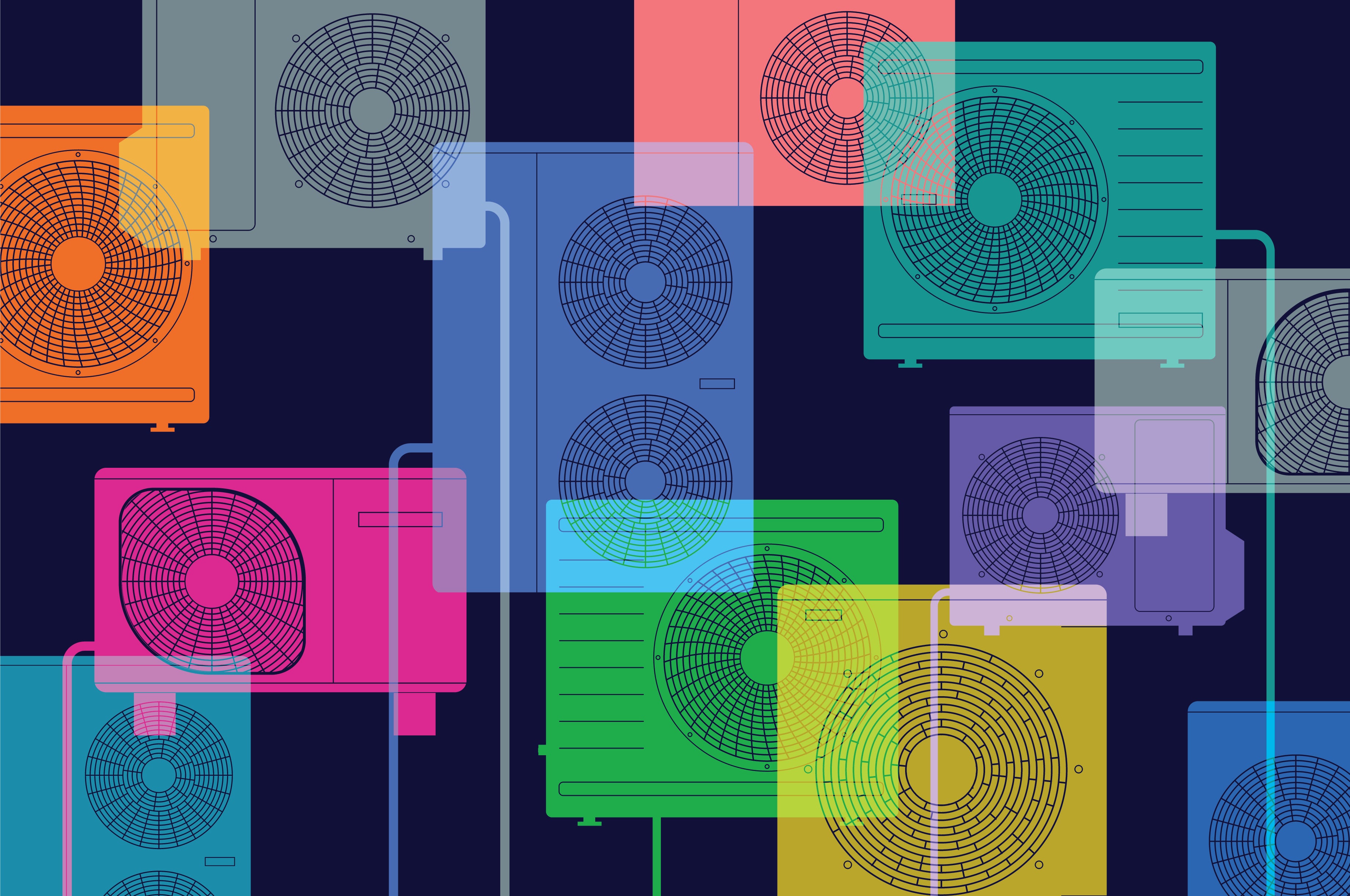
Heat pumps are ubiquitous in the form of air conditioners. Scientists just invented one that avoids harmful refrigerant gases
https://www.scientificamerican.com/article/air-conditioning-discovery-eliminates-harmful-gases/
The Members of This Reservation Learned They Live with Nuclear Weapons. Can Their Reality Ever Be the Same?
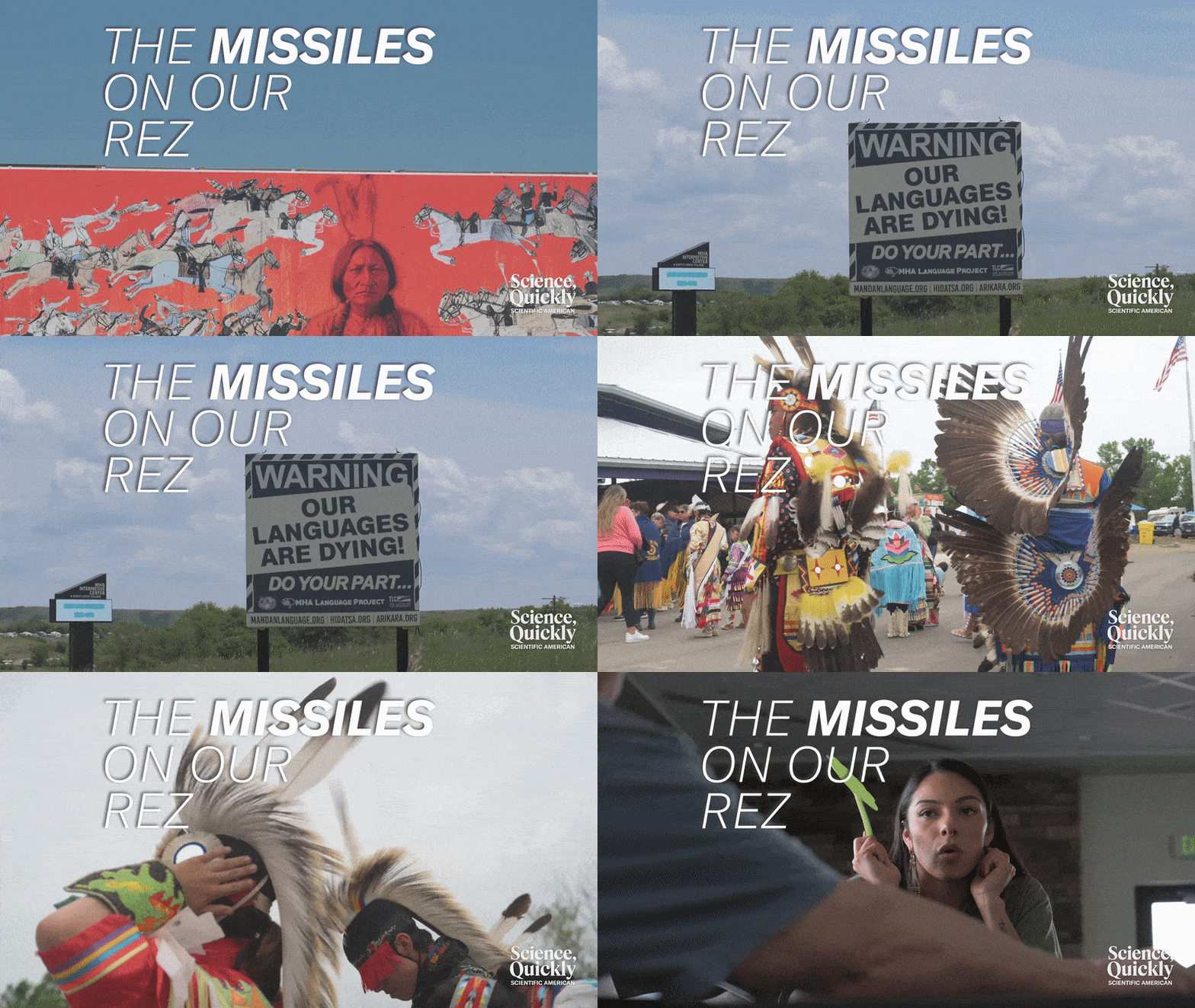
The Mandan, Hidatsa and Arikara peoples are learning more about the missiles siloed on their lands, and that knowledge has put the preservation of their culture and heritage in even starker relief.
How to Buy Your First Telescope
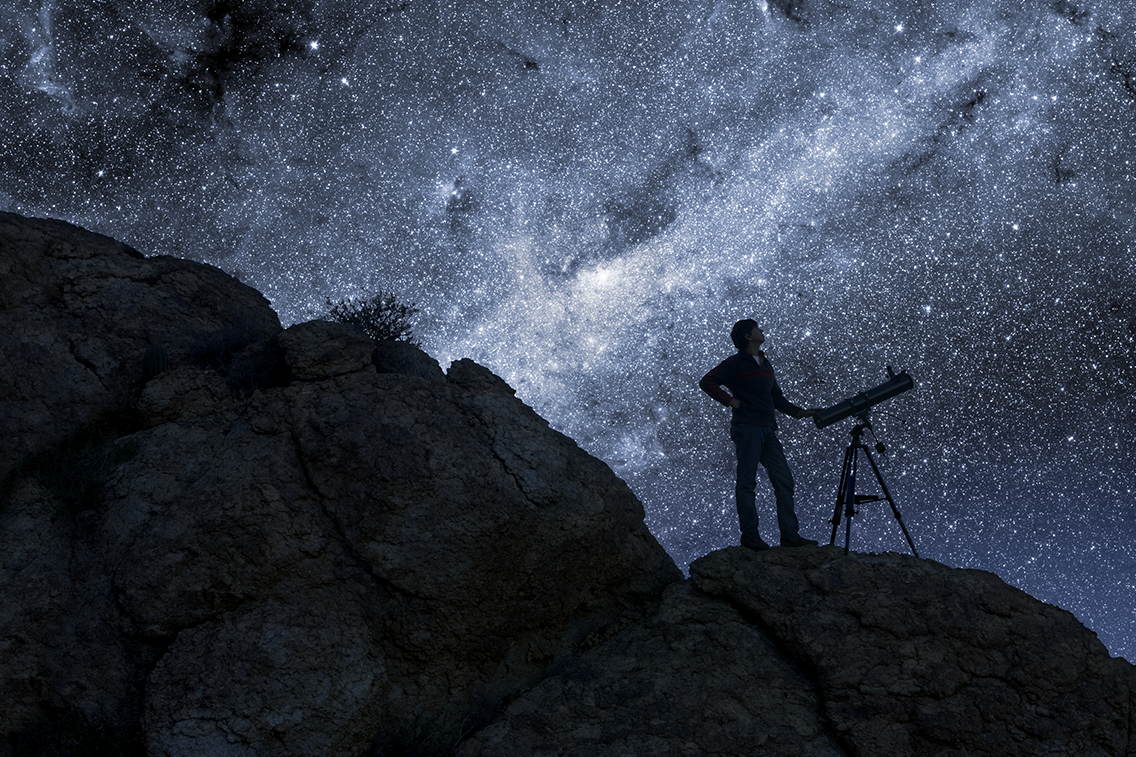
This beginner’s guide to telescope basics will help make holiday shopping a little more heavenly
https://www.scientificamerican.com/article/how-to-buy-your-first-telescope/
Earth's Earliest Rocks Forged by Colliding Tectonic Plates
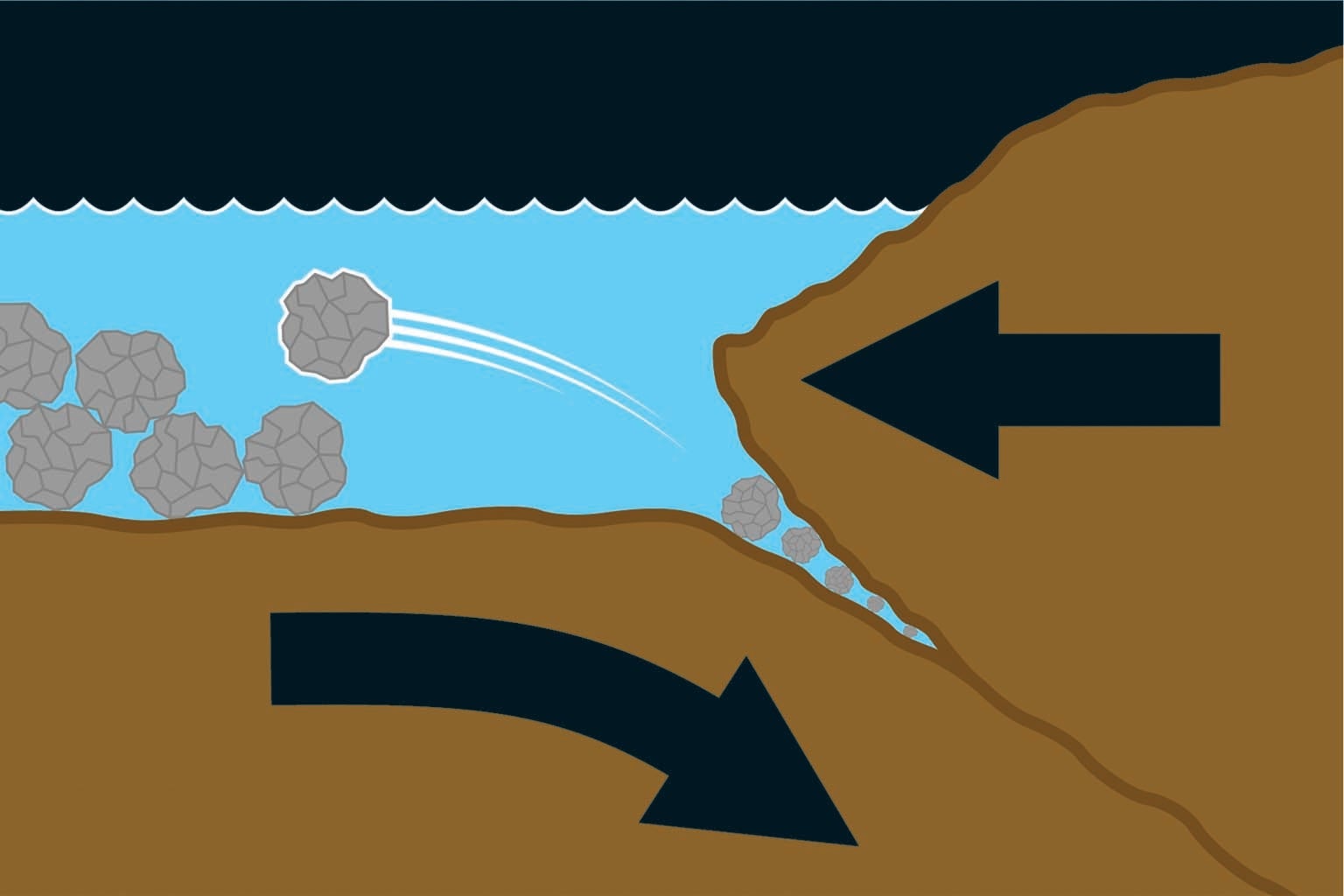
Our planet’s crust has been shifting and sliding for four billion years, a new study suggests
Air Pollution Is Really Dangerous, Even More New Evidence Shows

Dirty air has been linked to poor health outcomes, ranging from suicidality to low birth weight
Astronomy Is Facing an End Of The Era of Monster Telescopes
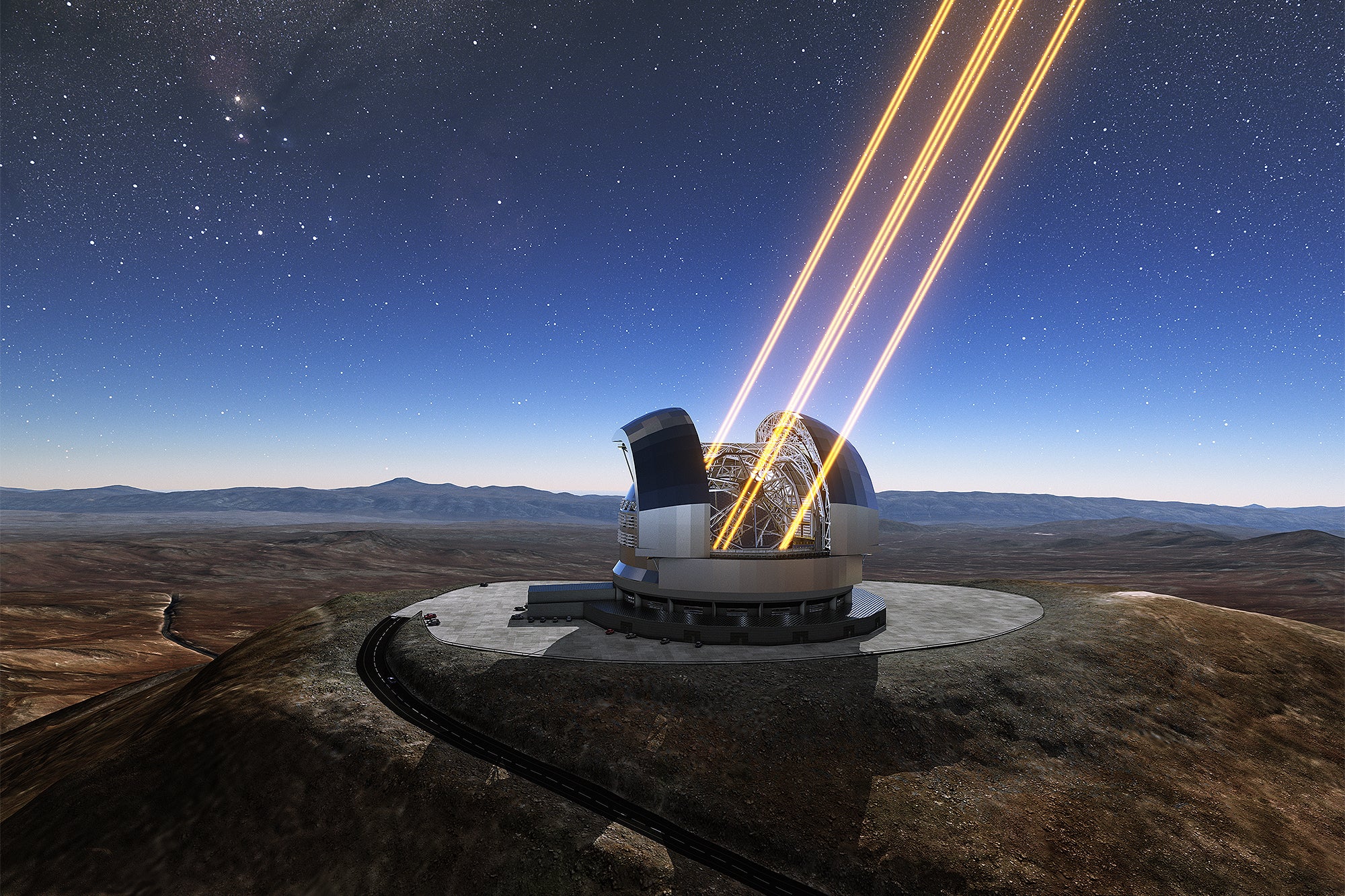
Money, engineering, and sheer geometry may mark an end of the line for building ever larger astronomical telescopes
Gluten's Complex Chemistry Contributes to Delicious Baked Goods

Gluten’s unique chemistry gives foods like bread and rolls their airy, stretchy textures
U.S. Targets Methane Emissions in New Batch of Rules
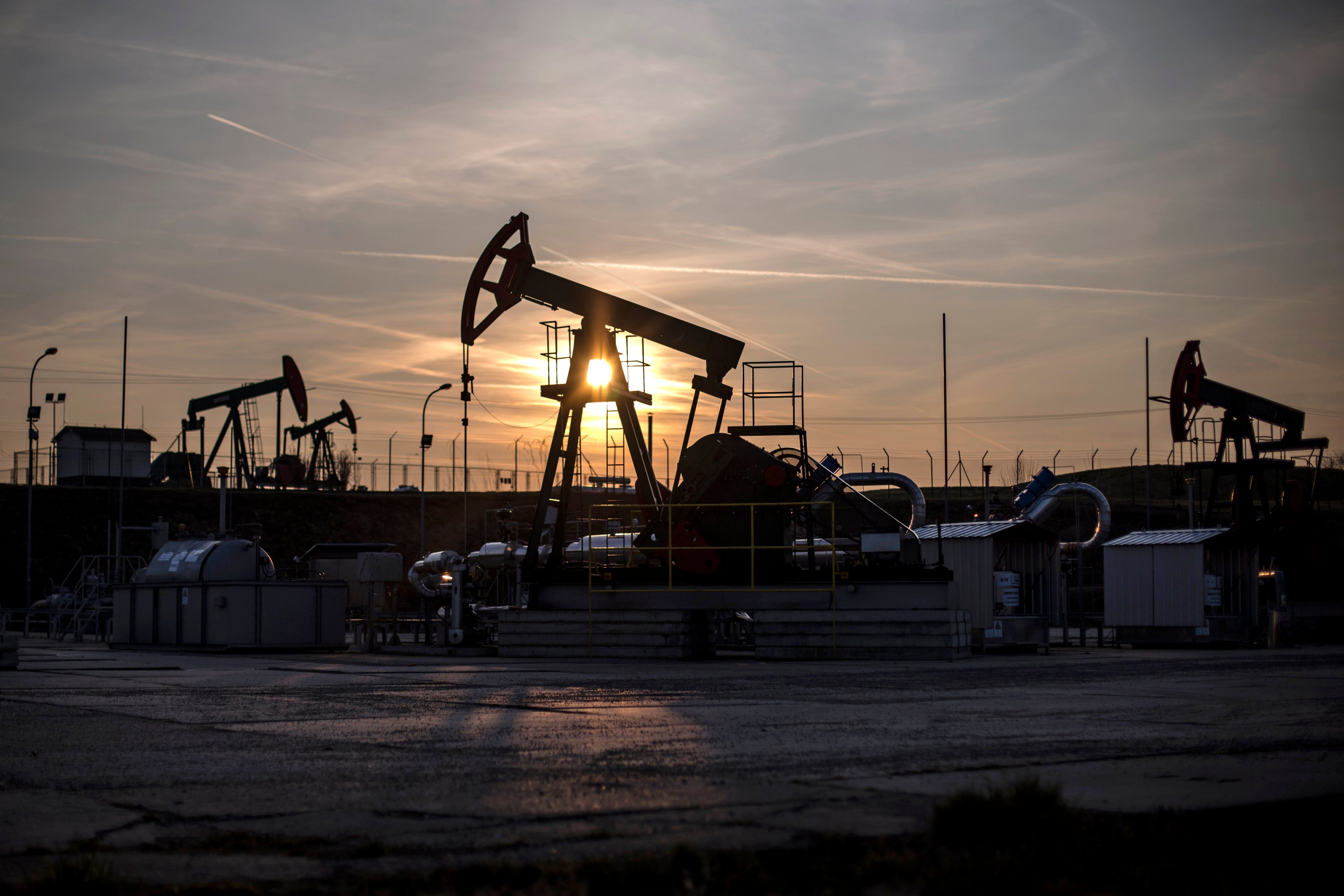
The Biden administration is poised to release rules and guidance to curb emissions of methane, a powerful greenhouse gas
https://www.scientificamerican.com/article/u-s-targets-methane-emissions-in-new-batch-of-rules/
Mysterious 'Tasmanian Devil' Space Explosion Baffles Astronomers
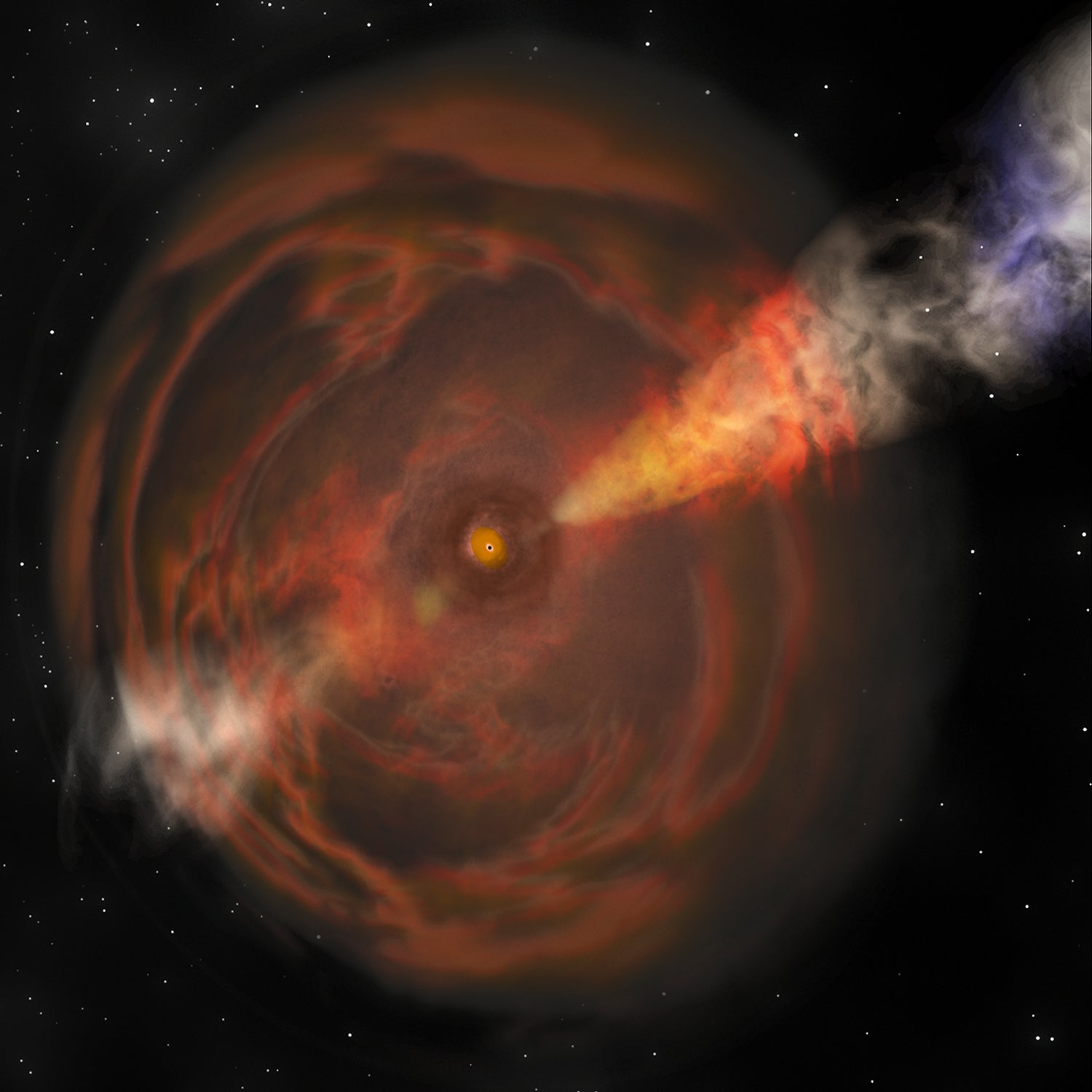
Scientists still can’t explain what is causing unusually bright explosions in space—but a surprising observation might offer clues
The Science to Be Grateful for This Year
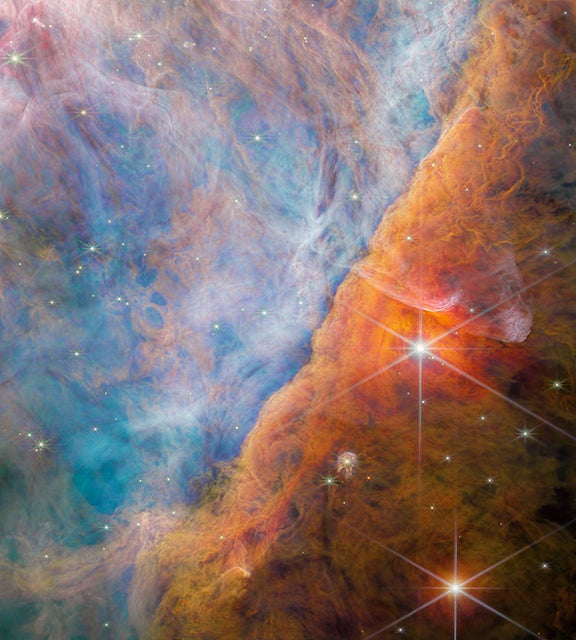
A year of exciting ideas and research has given us much to be grateful for
https://www.scientificamerican.com/article/the-science-to-be-grateful-for-this-year/
'A Shot in the Arm' Documentary Treats Vaccine Denialism with a Dose of Empathy
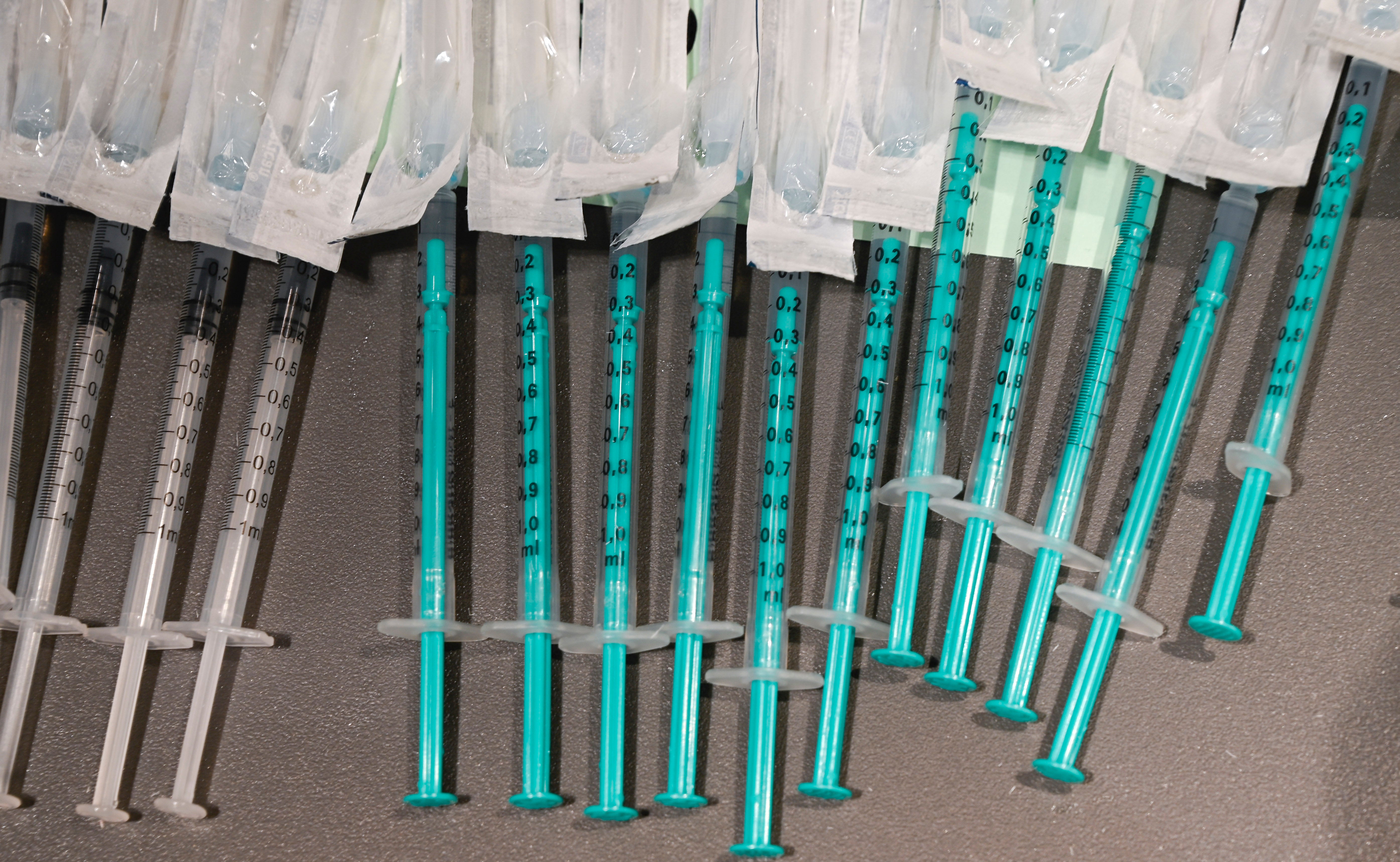
A pandemic film shows that compassion and civil dialogue might be the best antidote to vaccine distrust
The Amazon's Record-Breaking Drought Is about More Than Climate Change
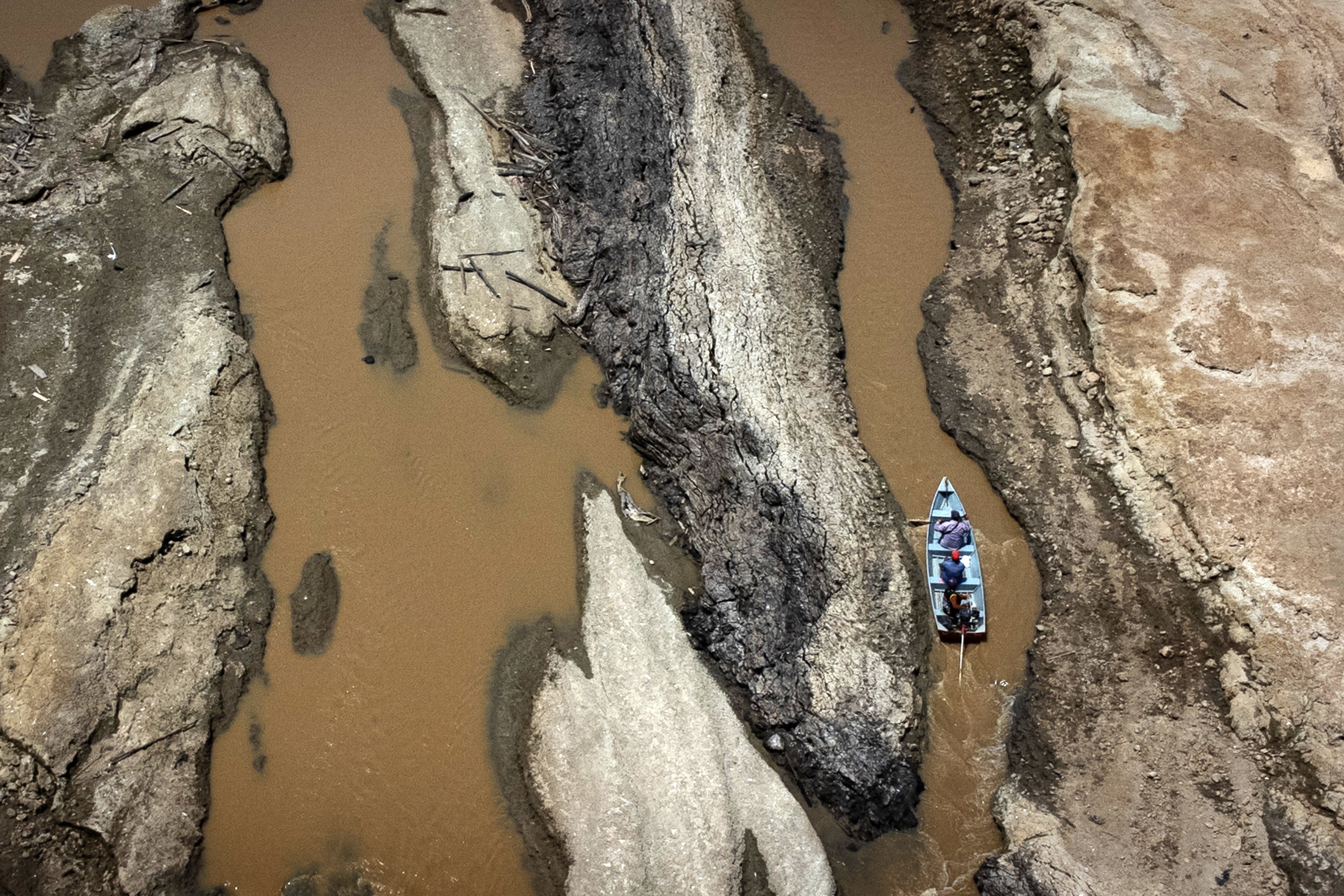
The Amazon rain forest is in the middle of a record-breaking drought because of deforestation, El Niño and climate change
This Bat Uses Its Oversized Penis as an 'Arm' during Sex
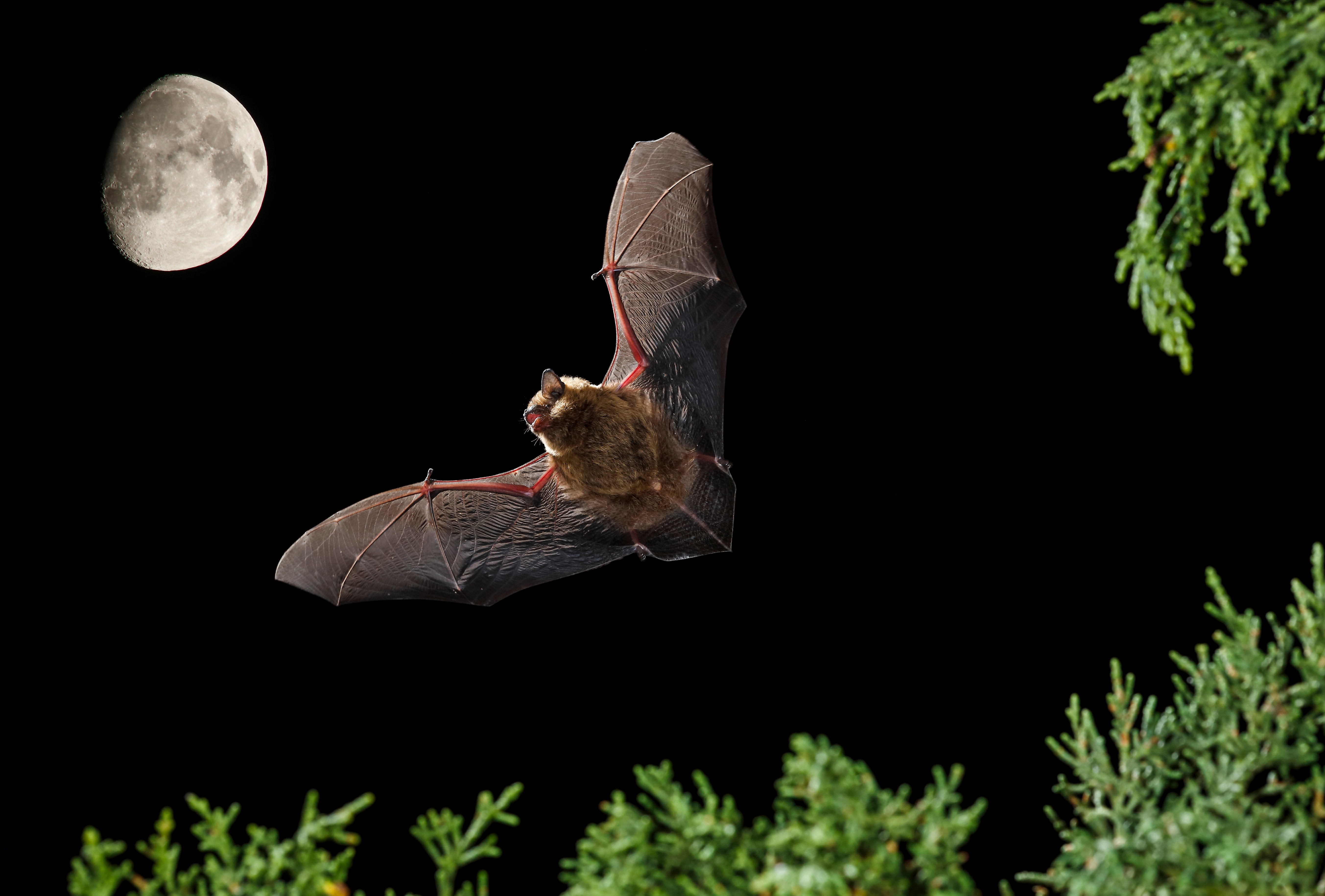
Dozens of mating bats caught on video at a Dutch church reveal an unusual use for their "huge" penises
https://www.scientificamerican.com/article/this-bat-uses-its-oversized-penis-as-an-arm-during-sex/
Fathers' Drinking May Be Linked to Fetal Alcohol Syndrome

Historically, only women’s drinking was considered a risk during pregnancy, but new research points to the role of fathers’ habits as well
https://www.scientificamerican.com/article/fathers-drinking-may-be-linked-to-fetal-alcohol-syndrome/
U.S. Carbon Emissions Set to Fall Again, a Key Sign of Progress
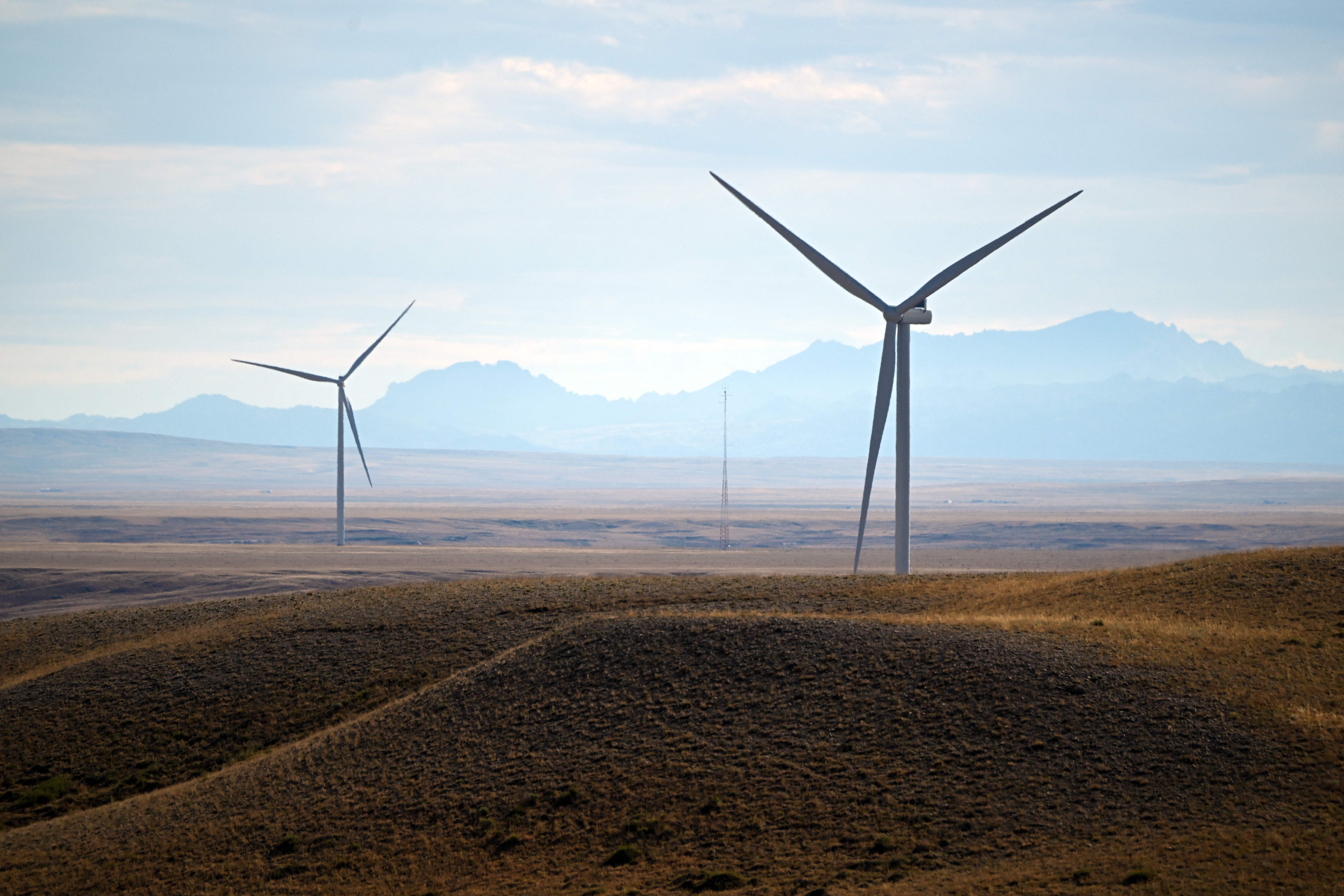
A projected drop in U.S. greenhouse gas emissions—one of the largest of the past decade—is still not enough to meet the country’s commitments under the Paris climate accord
China Delays Launch of Its Xuntian Space Telescope
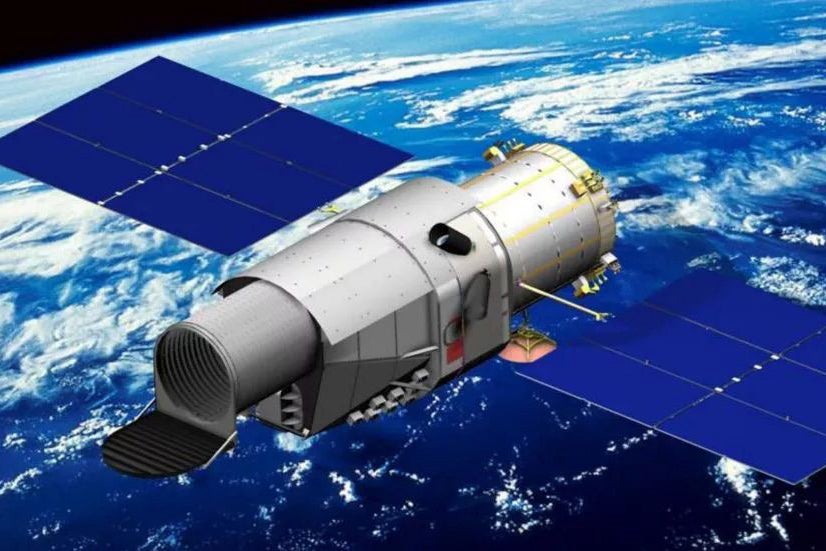
The Xuntian Space Telescope is China’s entry in a global race to unlock the secrets of dark energy, and it will now lift off no earlier than mid-2025
https://www.scientificamerican.com/article/china-delays-launch-of-its-xuntian-space-telescope/
When It Comes to AI Models, Bigger Isn't Always Better

Artificial intelligence models are getting bigger, along with the data sets used to train them. But scaling down could solve some big AI problems
https://www.scientificamerican.com/article/when-it-comes-to-ai-models-bigger-isnt-always-better/
The Most Shocking Discovery in Astrophysics Is 25 Years Old
A quarter of a century after detecting dark energy, scientists are still trying to figure out what it is
NASA May Pay $1 Billion to Destroy the International Space Station. Here's Why
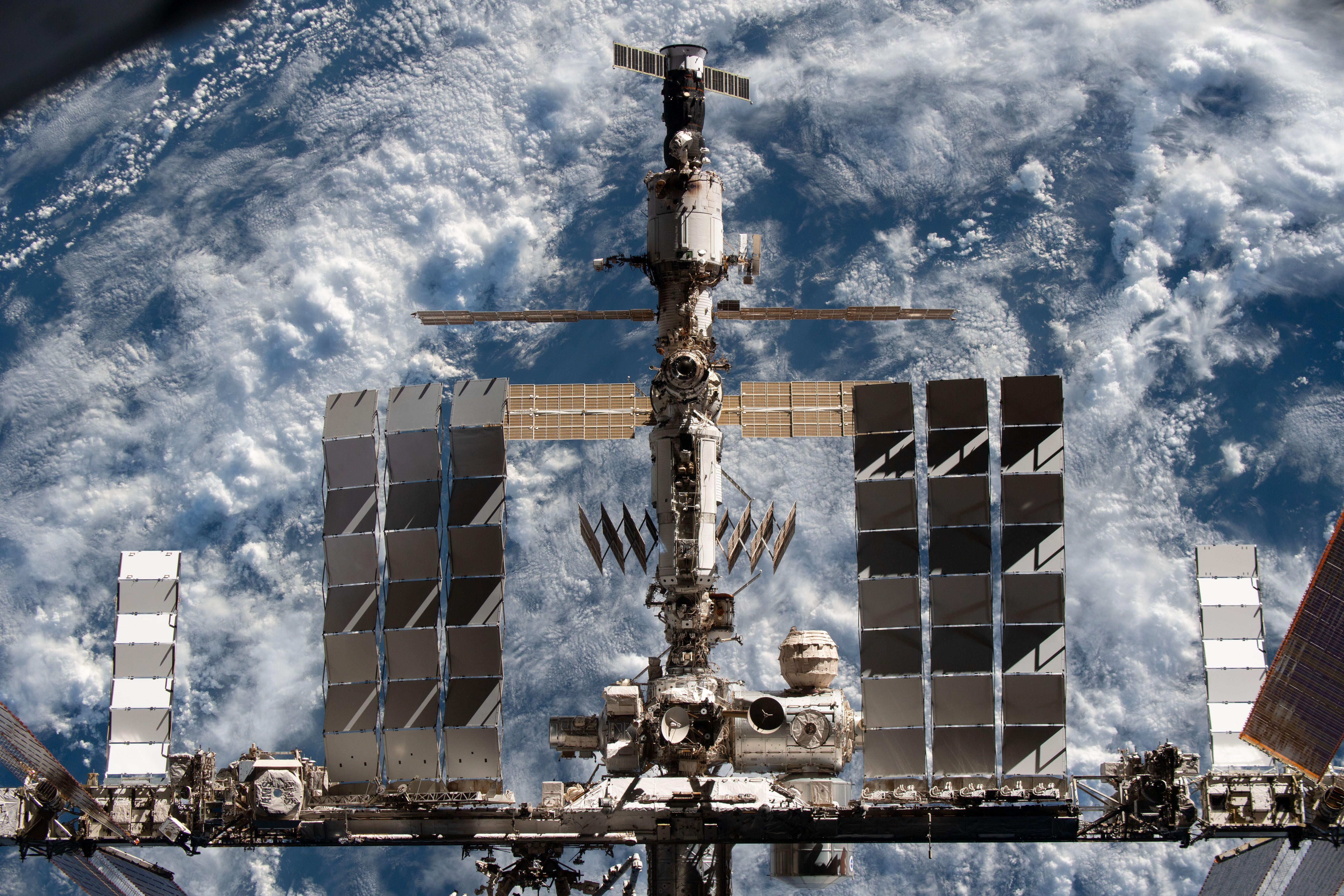
The International Space Station—larger than a football field and weighing almost 450 tons—must eventually fall to Earth. It’s a delicate, dangerous process