Although I’m not an expert on immigration law, I did go through the process in the 90s by hiring a very prominent New York lawyer. In 1995, I received an O-1 visa, which is granted to individuals with extraordinary ability in their field—whether in the arts, sciences, business, or athletics. It requires rigorous proof of significant achievements, major awards, or widespread recognition.
Unlike the H-1B visa, the O-1 has no annual cap or lottery system; it is entirely merit-based and reserved for those who have demonstrated excellence.
Following my lawyer’s expert advice, I transitioned from the O-1 visa to a green card and, within the proper timeframe, applied for naturalization. By 2004, I had earned my U.S. passport, following every step properly and with the correct permissions.
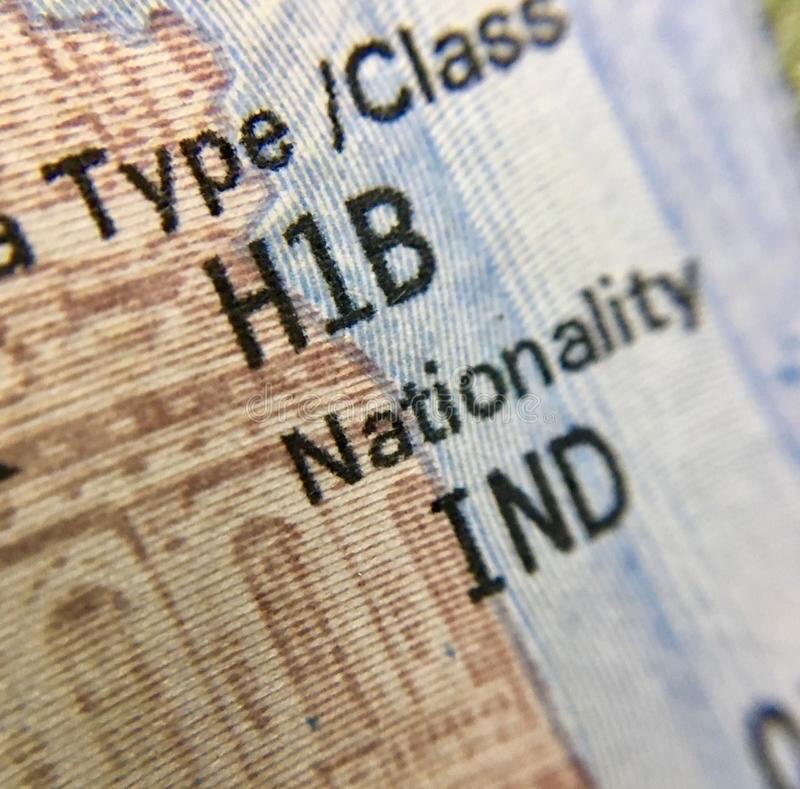
Now, the whole X is talking about H-1B visas, so let’s clarify the difference. The H-1B visa is designed for individuals in specialty occupations requiring at least a bachelor’s degree. However, unlike the O-1, the H-1B is subject to an annual cap of 65,000 visas, with an additional 20,000 reserved for those holding advanced U.S. degrees. When the number of applications exceeds the cap—which it almost always does—the selection is determined through a random lottery system. The H-1B is typically issued for an initial period of three years, with the possibility of a three-year extension, for a total of six years.
Before these categories were established by the Immigration Act of 1990, signed by President George H.W. Bush, employment-based immigration operated under simpler systems that prioritized family reunification and basic labor needs. Skilled workers were often petitioned directly for green cards by employers, or they entered through other temporary work visa programs. The O-1 and H-1B modernized these pathways, reflecting the evolving needs of the U.S. labor market.
There’s also the Diversity Visa Lottery Program, which has been around since the 1990s. It allocates 55,000 green cards annually to individuals from underrepresented countries. And of course, there are countless other types of visas depending on the purpose of entry, from tourists to students to investors.
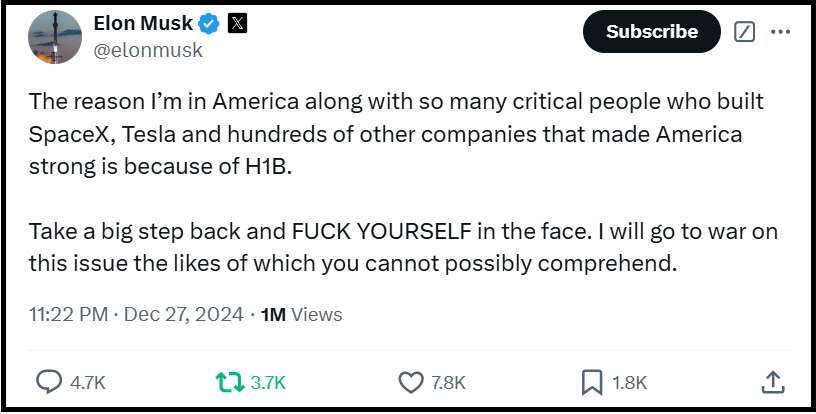
So, why the big fuss on X about the H-1B visa? Immigration isn’t a one-size-fits-all issue, and before turning this into a feud that has no way back, it’s important to understand how the system has worked for decades, how these laws were enacted, and who they benefit, before jumping to conclusions. Sure, it’s flawed—but let’s not forget how policies like these intersect with larger issues, like the deterioration of the U.S. educational system.
Instead of having a big feud about visas, why don’t we go deeper into the legacy of John D. Rockefeller? While his intent was to reshape the American education and health systems, what actually happened is that he created a monster (PHARMA and EDUCATION that trains children to become part of the socialist regime)
—one that is now working against the population of this country and has extended its influence to the rest of the world.
If you don’t know what I’m talking about, you should do your own research.
(Marxist - woke agenda’s created in academia, PHARMA… should I say more?)
So, instead of tearing each other apart over immigration policies, take a moment to consider where it all started: 1913, with the inception of the Federal Reserve, which is neither federal nor holds any reserves.
Study the history of money and understand that we are all debt slaves.
#nostr #immigration #hb1visa #freedom #endthefed #bitcoin