


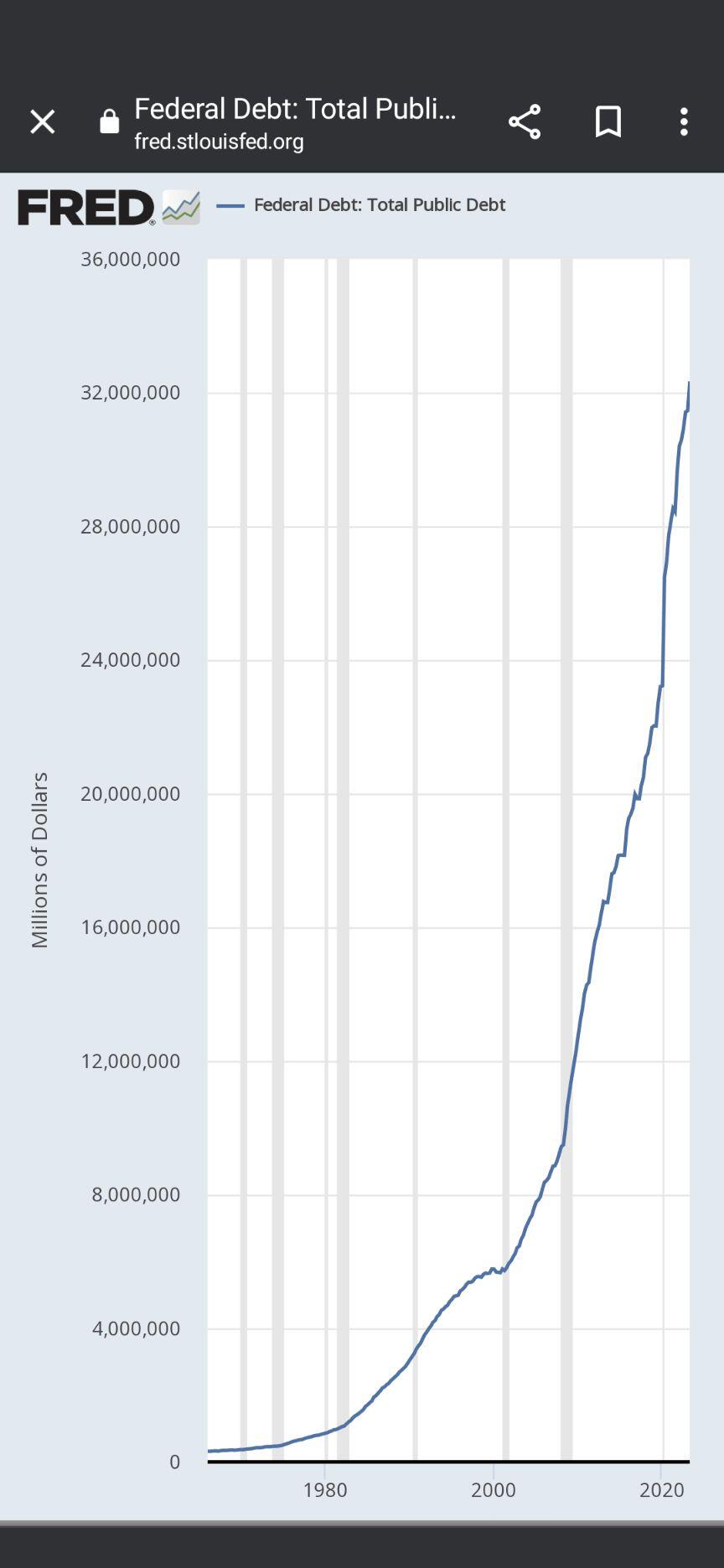


Besides it's #bitcoin not #crypto.

Reading the comments at the bottom of the article makes you think we're still early.

Biggest elephant in the world.
Known as Tim
nostr:npub1tztj8q5uj6k3ysd8et7tx23lsswrrrdwpqxz02wqhcj9xe0gcrqs6d97tx
https://video.nostr.build/dd426985aa8ec4327718849a5a357ab52219cf64143093731fe5e92e3134729a.mp4
Sadly not much forest anymore 🤔


Anyone knows #bitrefill? The no matter what closes any connection to their node. I tried to reach them via lightningnetwork.plus but they refuse to read any messages.
Tried several channels to open with them Still any connection will be closed immediately.

1. Transaction Privacy:
Bitcoin:
Transactions are pseudonymous. While real identities aren't directly tied to transaction and wallet addresses, transactions are fully transparent and can be traced back to individuals using sophisticated techniques.
Bitcoin transactions can be viewed and analyzed by anyone, as they are all recorded on a public ledger (the blockchain).
Monero:
Implements privacy at the protocol level, using technologies like ring signatures, stealth addresses, and Ring Confidential Transactions (RingCT). These technologies help to hide the sender, receiver, and amount of each transaction.
Transactions are confidential and untraceable.
2. Address Privacy:
Bitcoin:
Addresses are pseudonymous but can be analyzed using various methods, potentially exposing the user’s transaction history and balance.
Monero:
Uses stealth addresses, which are one-time use addresses created for each transaction on behalf of the recipient. This makes it difficult to link transactions to the same recipient.
3. Fungibility:
Bitcoin:
Because transaction history is public, certain bitcoins could be "tainted" by their history (e.g., used in illegal activities), which might lead to them being treated differently.
Monero:
Is fungible because its privacy features obscure the history of each unit of the cryptocurrency, meaning all units are considered equal and interchangeable.
4. Optional Transparency:
Bitcoin:
Transparency is not optional; all transactions are public.
Monero:
Offers optional transparency through the use of view keys, which allow users to reveal specific information about their account to chosen third parties while keeping other details private.
Conclusion:
Monero is designed for users who require higher levels of privacy and anonymity. However, this privacy comes at the cost of more complex technology and potentially higher transaction fees. Additionally, the privacy features of Monero have led to it being associated with illegal activities, which may lead to regulatory scrutiny.

No need of that. It needs to be transparent. How else can you verify
Michael nostr:npub15dqlghlewk84wz3pkqqvzl2w2w36f97g89ljds8x6c094nlu02vqjllm5m does not want Bitcoin to be a P2P digital currency that destroys central banks. He wants a rock that he can cash in for CBDC tokens in the future.
Saylor has said several times that Bitcoin will not be a currency, but an important commodity for the US dollar.
He also doesn’t want Bitcoin to have private transactions and ownership. He worries this will threaten the establishment, and explicitly says if you want privacy, "maybe you want to buy a Monero".
Which means Saylor does believe there is a "second best", and Bitcoin is not a threat to the establishment. Bitcoin needs to absorb all functions of shitcoins on L2s and make them obsolete.
This is probably why Saylor doesn’t like #drivechains. If the chain splits, I expect Saylor and BlackRock to pump the hard fork without drivechains. I’m staying with Bitcoin.
Looks like you're all in Montero. The only reason shitcoins like Monero exists is the majority missed out on #bitcoin
https://bitcoinmagazine.com/print/whitney-webb-bitcoin-and-the-plot-to-destroy-financial-privacy
Perhaps unsurprisingly, many of the groups looking to allegedly combat cybercrime in the U.S. and beyond, including the Department of Justice and the FBI, are part of an international public-private partnership housed within the World Economic Forum that is seeking to define these terms in unsettling ways. Not only that, but this group and its partner organizations are also seeking policy objectives that — if widely implemented — would treat anonymous cryptocurrency transactions, and specifically Bitcoin transactions involving mixers and related privacy tools, as criminal. They also assert, without evidence, that there is a direct link between an increase in the value of cryptocurrencies, especially of bitcoin, and cybercriminal activity.