
Happy New Year’s Eve! Tick tock. 
“There is a story of a Chinese sage who was asked, ‘How shall we escape the heat?’—meaning, of course, the heat of suffering. He answered, ‘Go right into the middle of the fire.’ ‘But how, then, shall we escape the scorching flame?’ ‘No further pain will trouble you.’”
— Alan Watts, The Wisdom of Insecurity 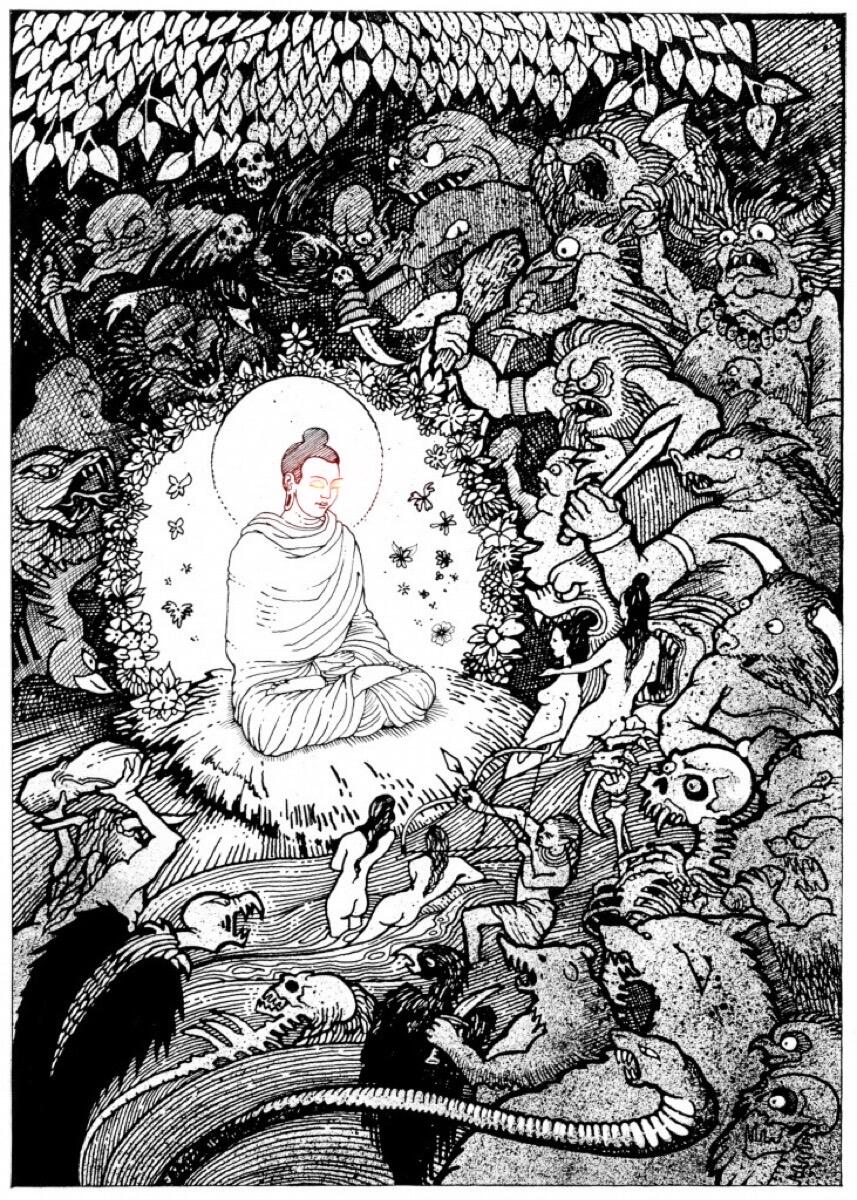

The most important part of the Sam Hyde “Dear Elon” video — https://video.nostr.build/4e6016195cbf962ca0c06c976fd96bce14ec754f0cca8fda17ec3f06f3b0669c.mp4
Break free from fiat. Save in #Bitcoin 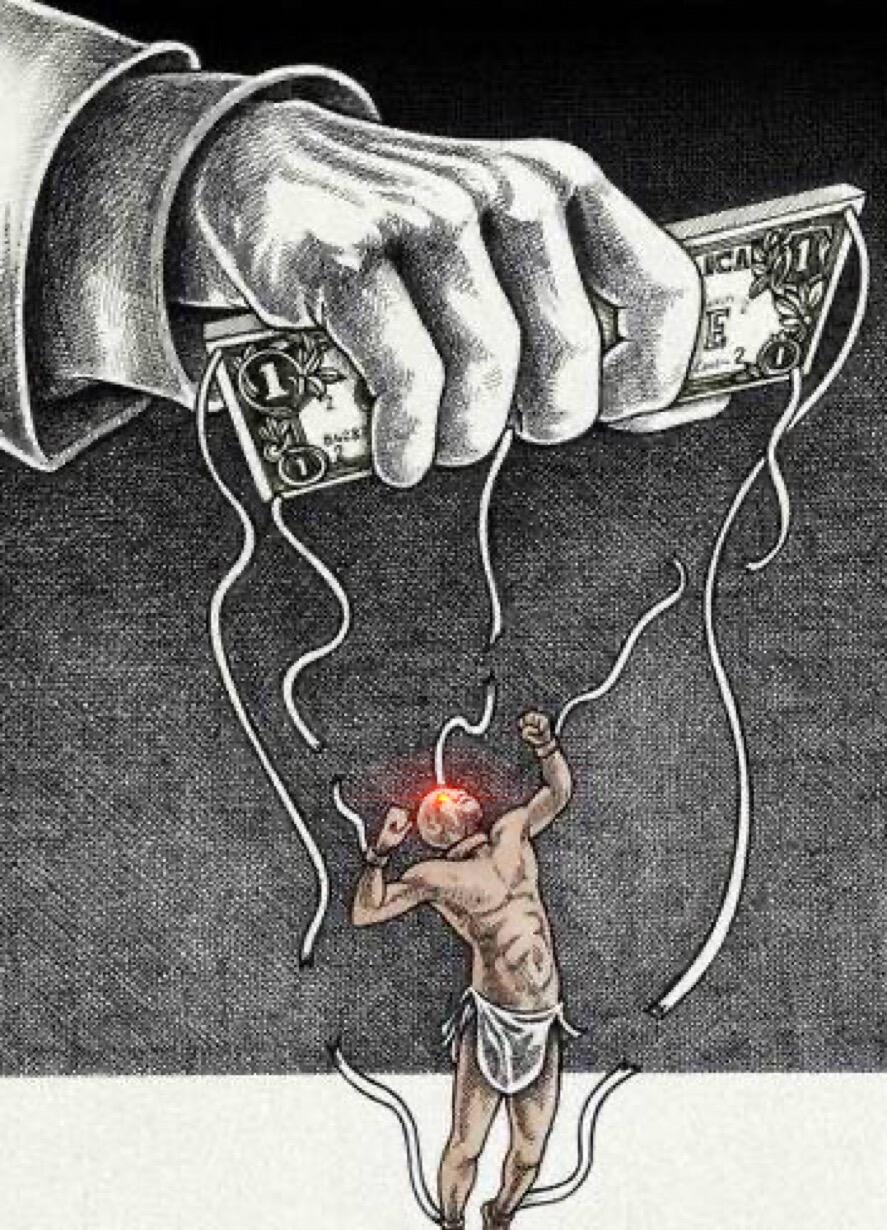
“Odd as it may sound, the ego finds that its own center and nature is beyond itself. The more deeply I go into myself, the more I am not myself, and yet this is the very heart of me. Here I find my own inner workings functioning of themselves, spontaneously, like the rotation of the heavenly bodies and the drifting of the clouds. Strange and foreign as this aspect of myself at first seems to be, I soon realize that it is me, and much more me than my superficial ego. This is not fatalism or determinism, because there is no longer anyone being pushed around or determined; there is nothing that this deep ‘I’ is not doing. The configuration of my nervous system, like the configuration of the stars, happens of itself, and this ‘itself’ is the real ‘myself.’”
— Alan Watts, This Is It 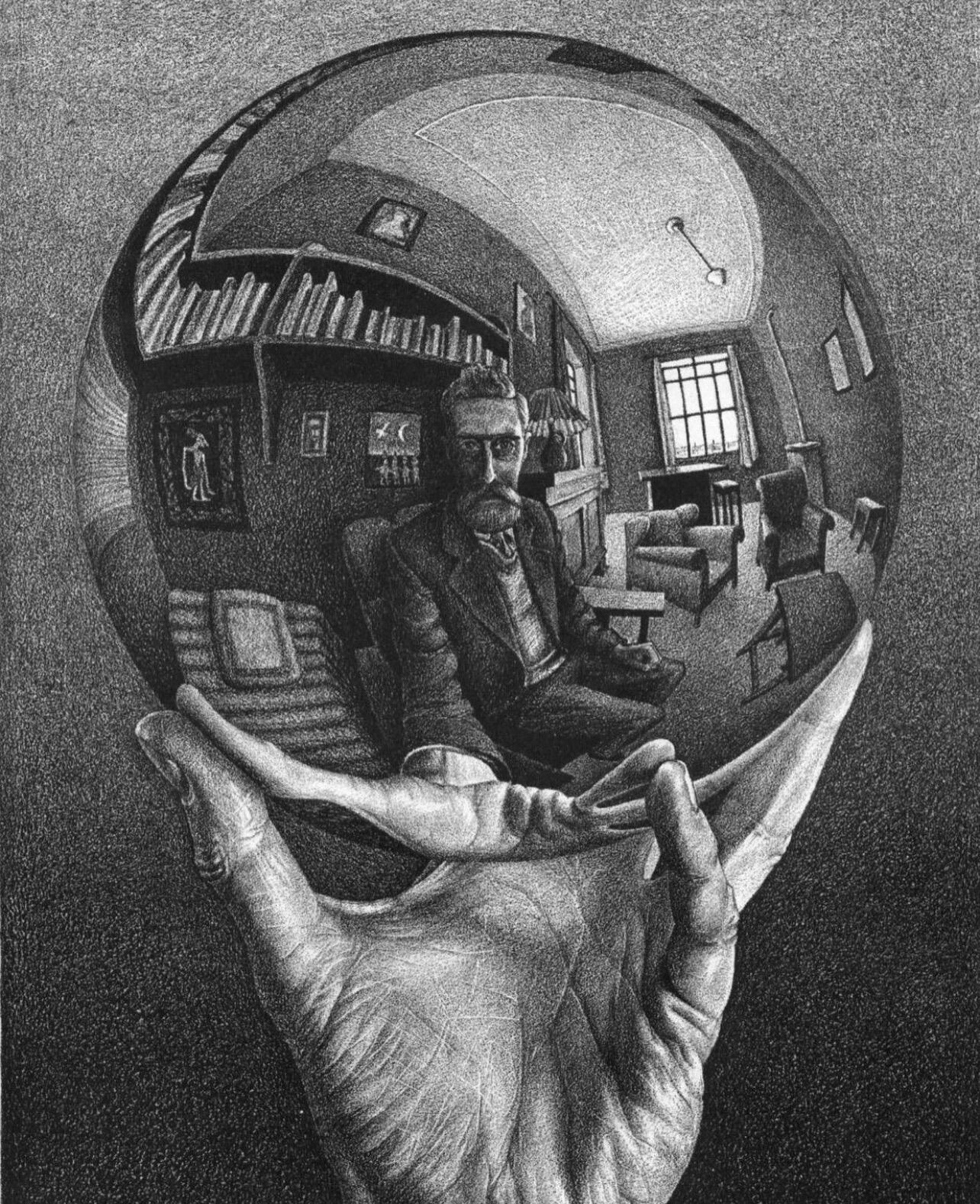
Which opinion has you like this? 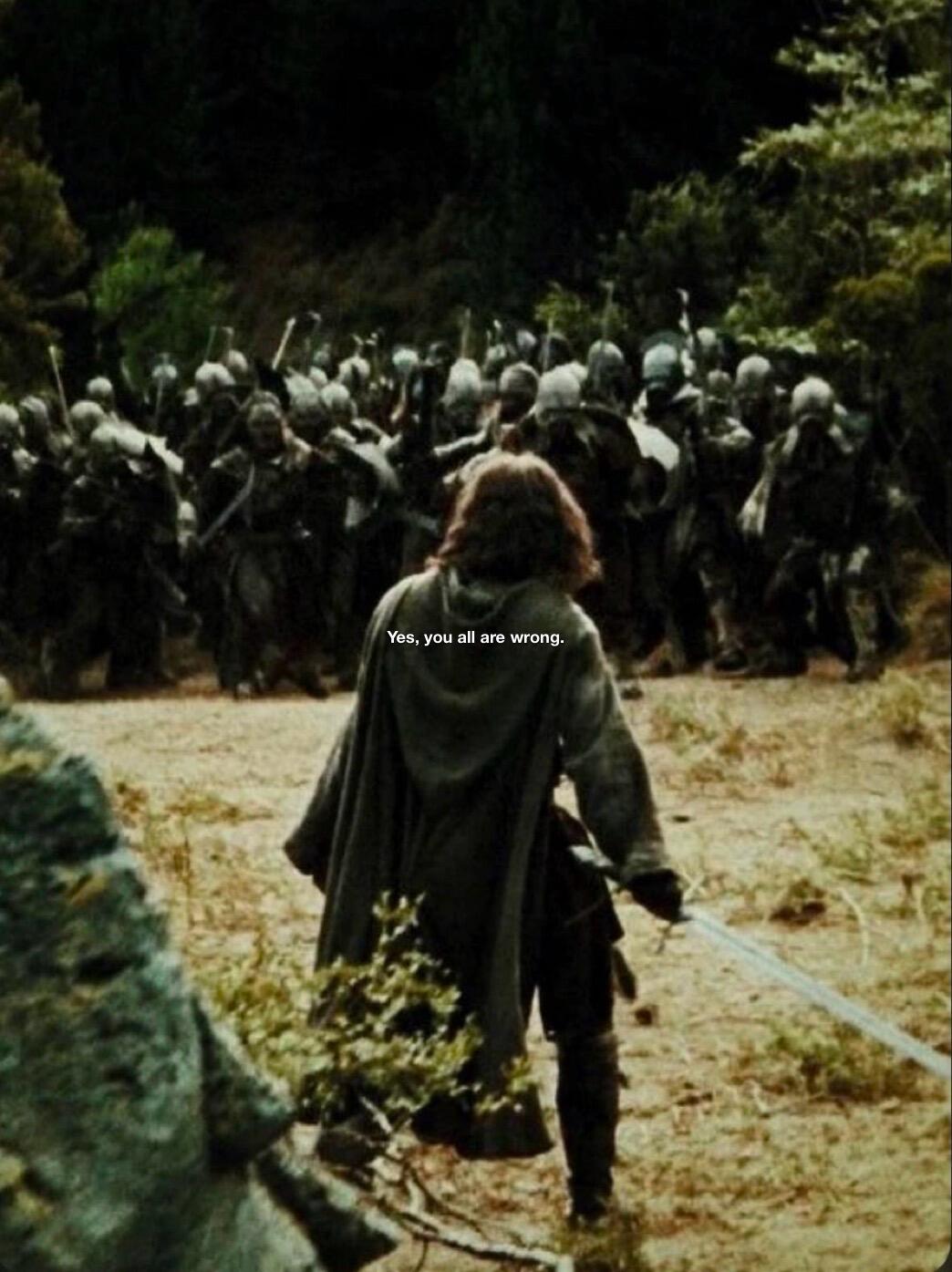
The exact lines from Hamlet:
“There are more things in heaven and earth, Horatio, Than are dreamt of in your philosophy.”
(Hamlet, Act 1, Scene 5)  nostr:note17vkx8jf5er6lnm0e78m3mgdv52zdl4hcf36f0uttg6px2mqt37gsfsfpwl
“There is more in heaven and earth than is dreamed of in your philosophy.”
— Alan Watts quoting Shakespeare, This Is It 
“There is more in heaven and earth than is dreamed of in your philosophy.”
— Alan Watts quoting Shakespeare, This Is It
“Father, forgive them; for they know not what they do.”
— Luke 23:34 (KJV) 

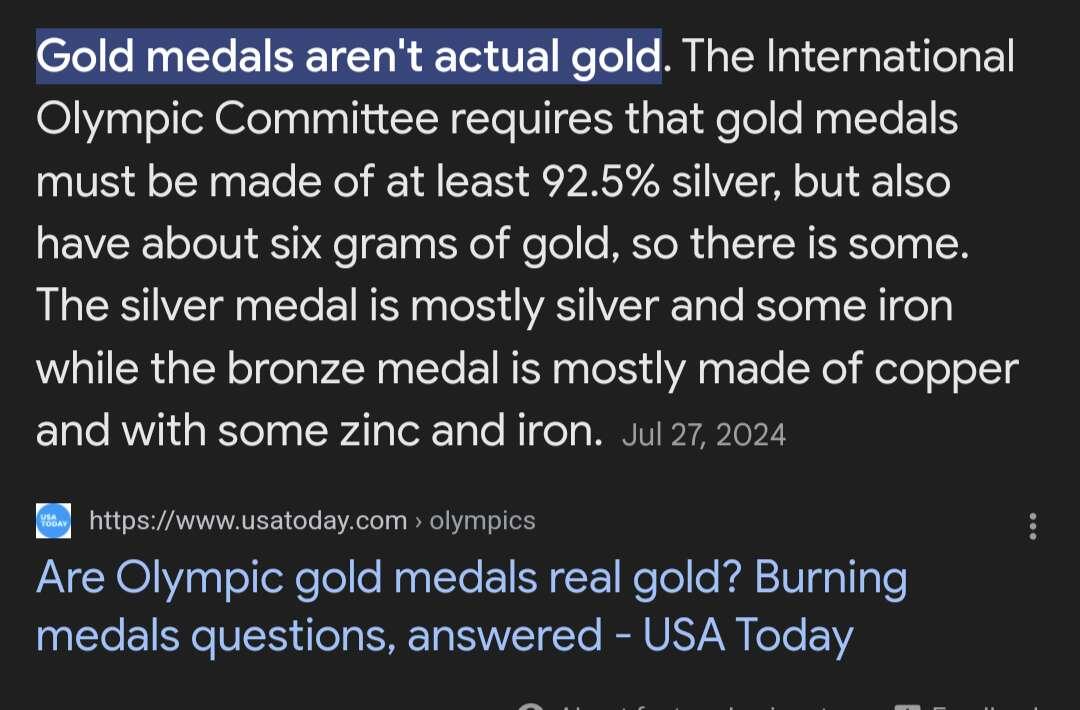
The fiat system degrades everything. Thankfully, in time, #Bitcoin fixes this. 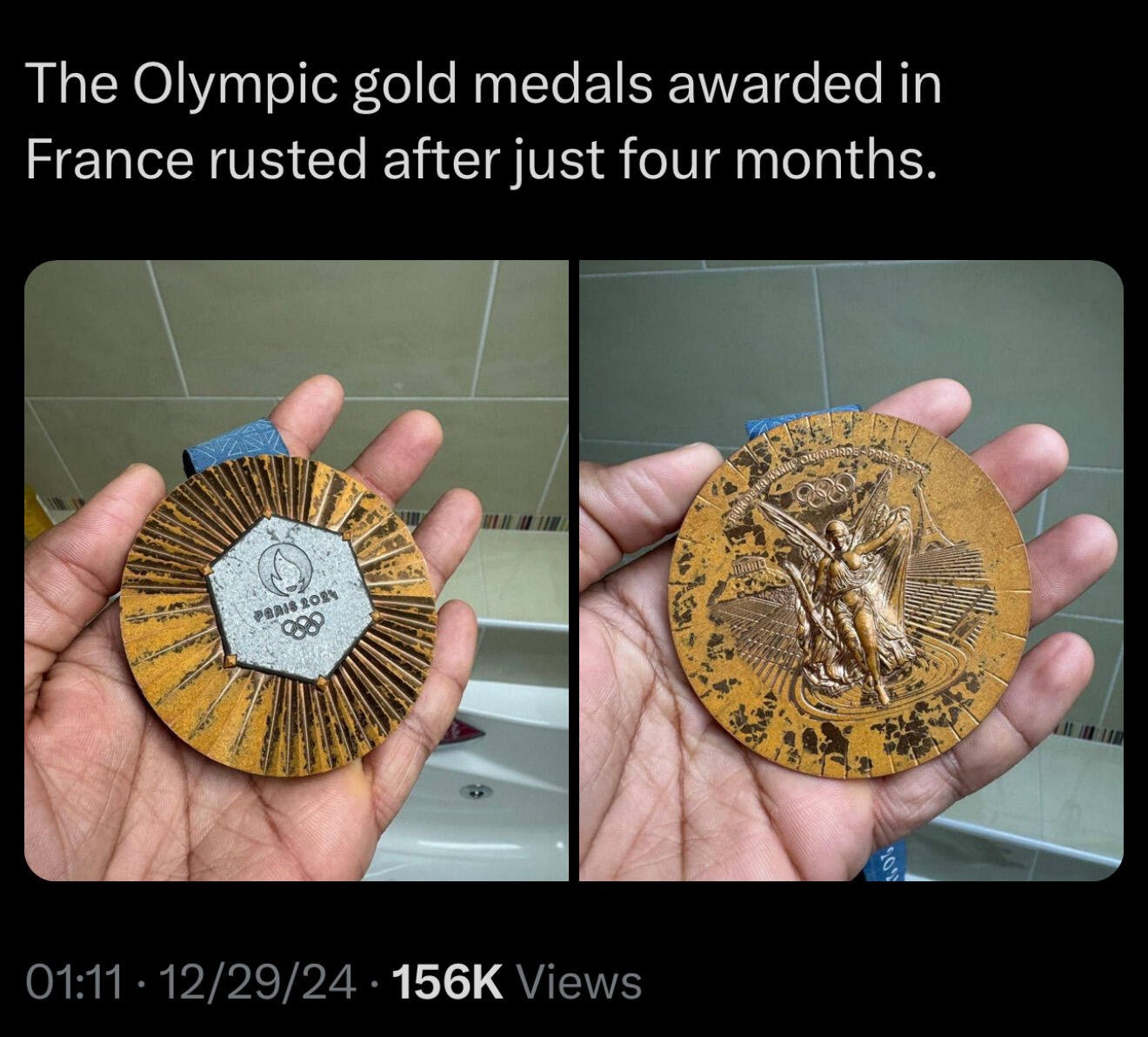
“The socially conditioned persona or role-playing ego is, however, never a free agent. Man is free to the extent that he realizes his genuine self to be the author and origin of nature.”
— Alan Watts, Nature, Man And Woman 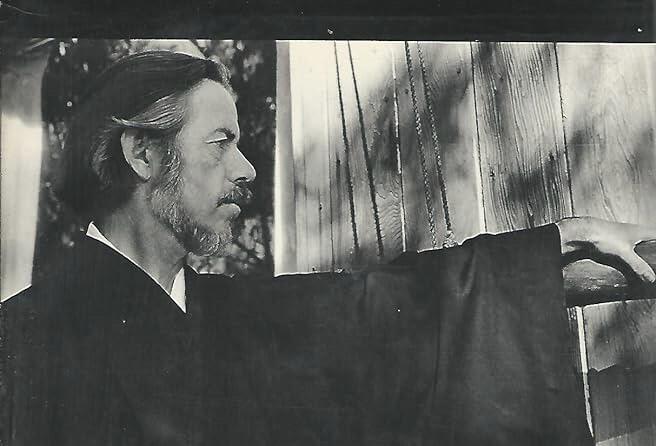
“The question ‘Why should one act?’ has meaning only so long as motivation seems necessary to action. But if action or process rather than inert substance is what constitutes the world, it is absurd to seek an external reason for action. There is really no alternative to action, and this is not to say that we must act, since this would imply the reality of the inert, substantial ‘we’ reluctantly activated from outside. The point is that, motivated or not, we are action. But when action is felt to be motivated, it expresses the hungering emptiness of the ego, the inertness of entity rather than the liveliness of act. When, however, man is not pursuing something outside himself, he is action expressing its own fullness, whether weeping for sorrow or jumping for joy.”
— Alan Watts, Nature, Man and Woman 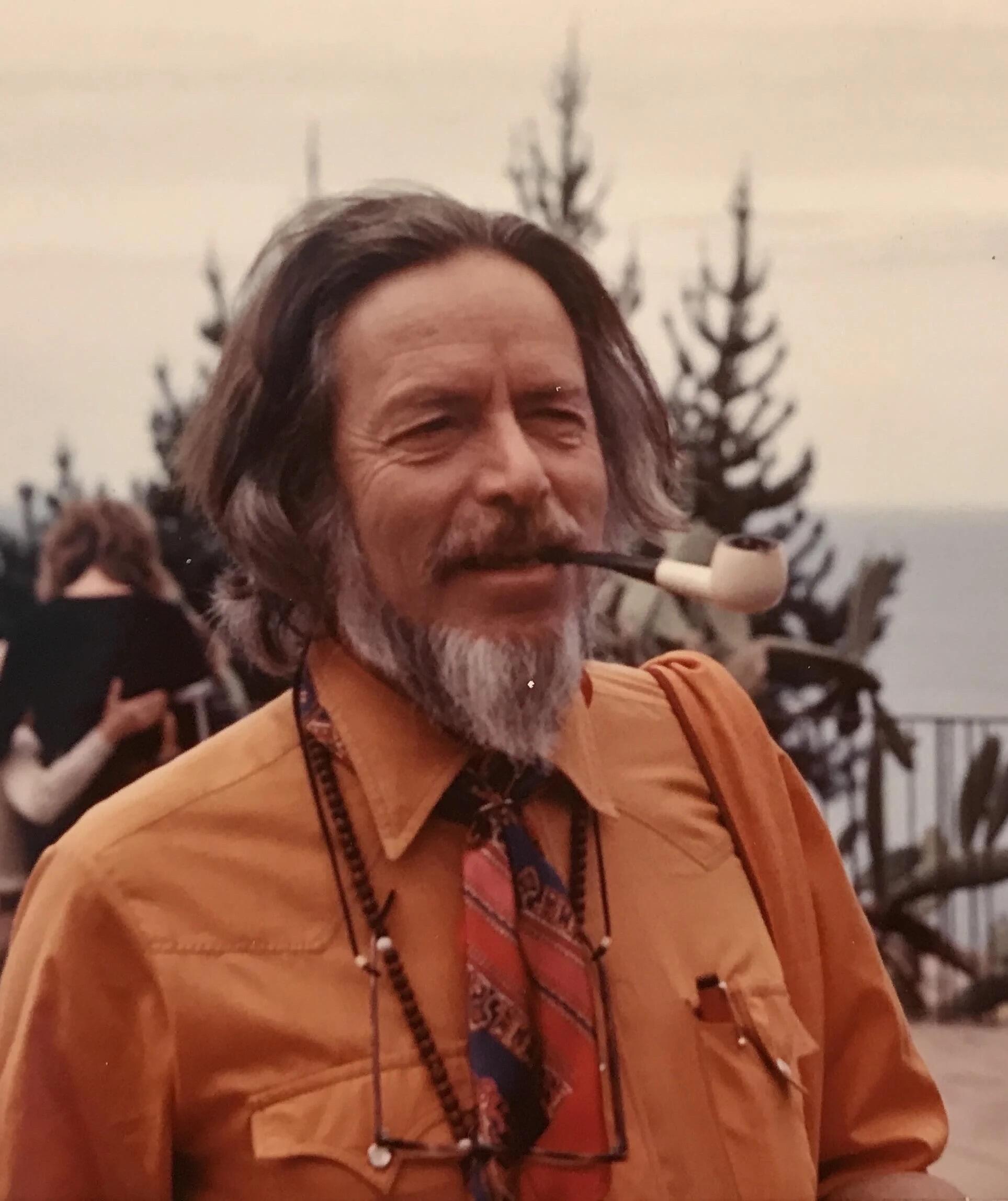
“A human being should be able to change a diaper, plan an invasion, butcher a hog, conn a ship, design a building, write a sonnet, balance accounts, build a wall, set a bone, comfort the dying, take orders, give orders, cooperate, act alone, solve equations, analyze a new problem, pitch manure, program a computer, cook a tasty meal, fight efficiently, die gallantly. Specialization is for insects.”
— Robert Heinlein, Time Enough for Love 
"The illusion that organisms move entirely on their own is immensely persuasive until we settle down, as scientists must do, to describe their behavior carefully. Then the scientist, be he biologist, sociologist, or physicist, finds very rapidly that he cannot say what the organism is doing unless, at the same time, he describes the behavior of its surroundings. Obviously, an organism cannot be described as walking just in terms of leg motion, for the direction and speed of this walking must be described in terms of the ground upon which it moves. Furthermore, this walking is seldom haphazard. It has something to do with food-sources in the area, with the hostile or friendly behavior of other organisms, and countless other factors which we do not immediately consider when attention is first drawn to a prowling ant. The more detailed the description of our ant's behavior becomes, the more it has to include such matters as density, humidity, and temperature of the surrounding atmosphere, the types and sources of its food, the social structure of its own species, and that of neighboring species with which it has some symbiotic relationship."
— Alan Watts, The Book 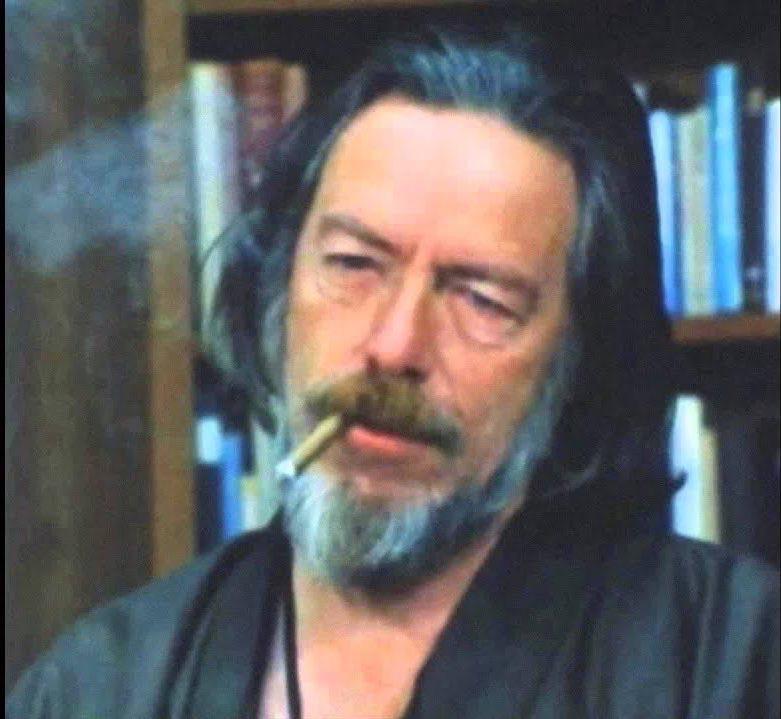
Happy Boxing Day. 
“And the angel said unto them, Fear not: for, behold, I bring you good tidings of great joy, which shall be to all people. For unto you is born this day in the city of David a Saviour, which is Christ the Lord.”
— Luke 2:10-11 (KJV) 
Received this wonderful gift: Tolkien’s Letters from Father Christmas 
