?itok=nLqd0FDe
Love the flyers!
Are there any initiatives to encourage use of Phoenix or something instead of BlueWallet who don't host their own Lightning solution any longer or Muun which relies heavily on onchain activity (which comes with high fees)?
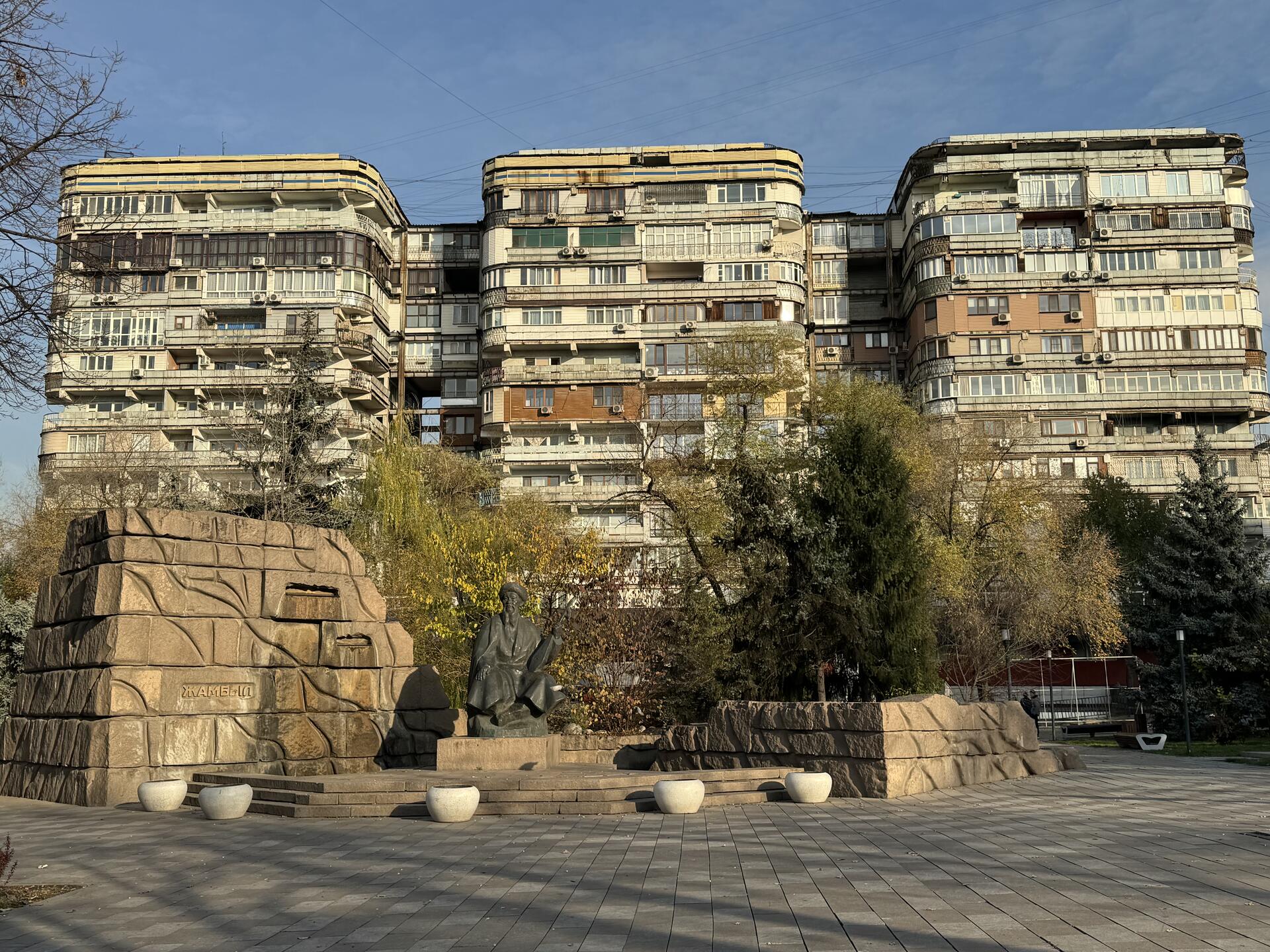
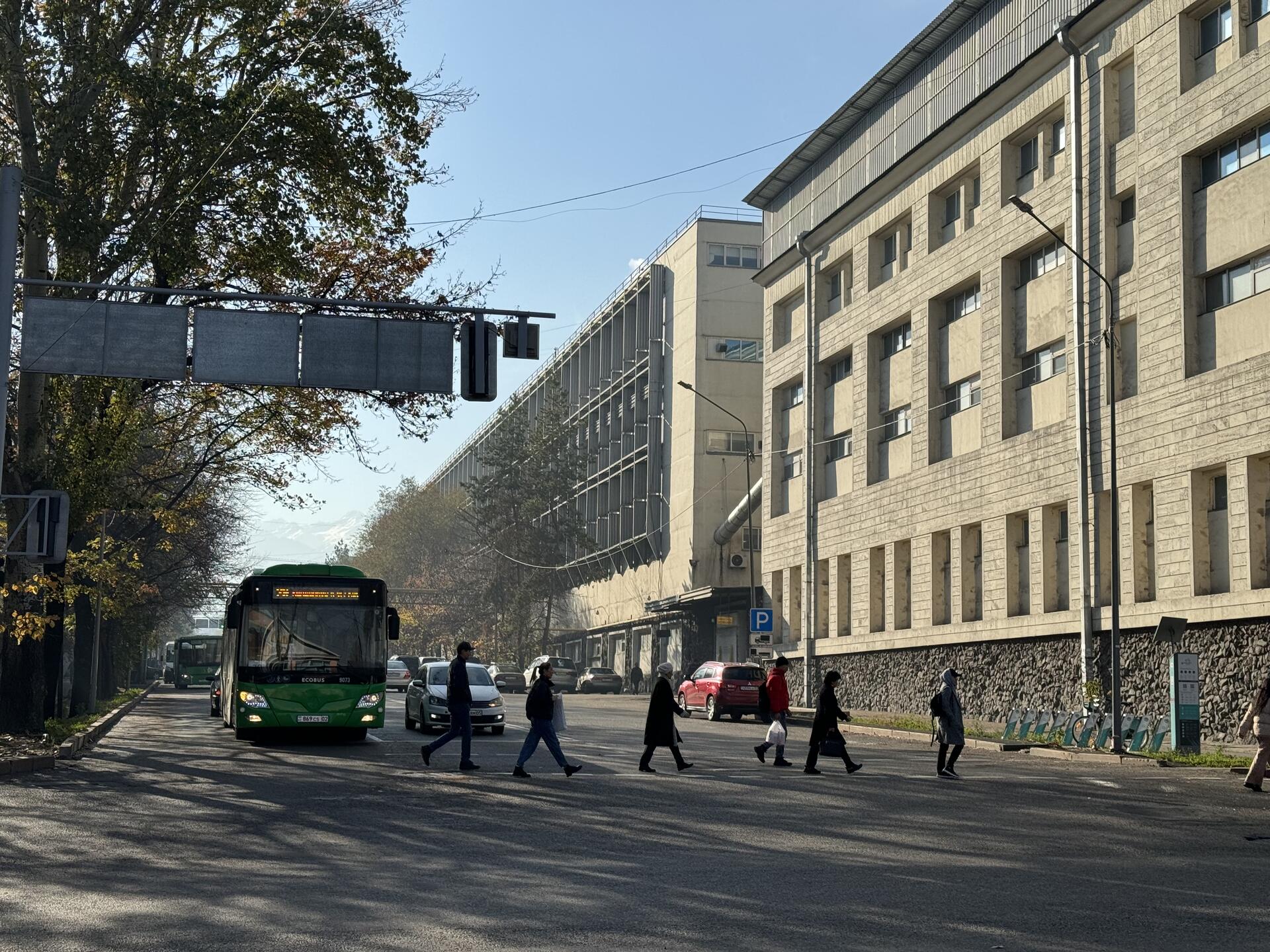
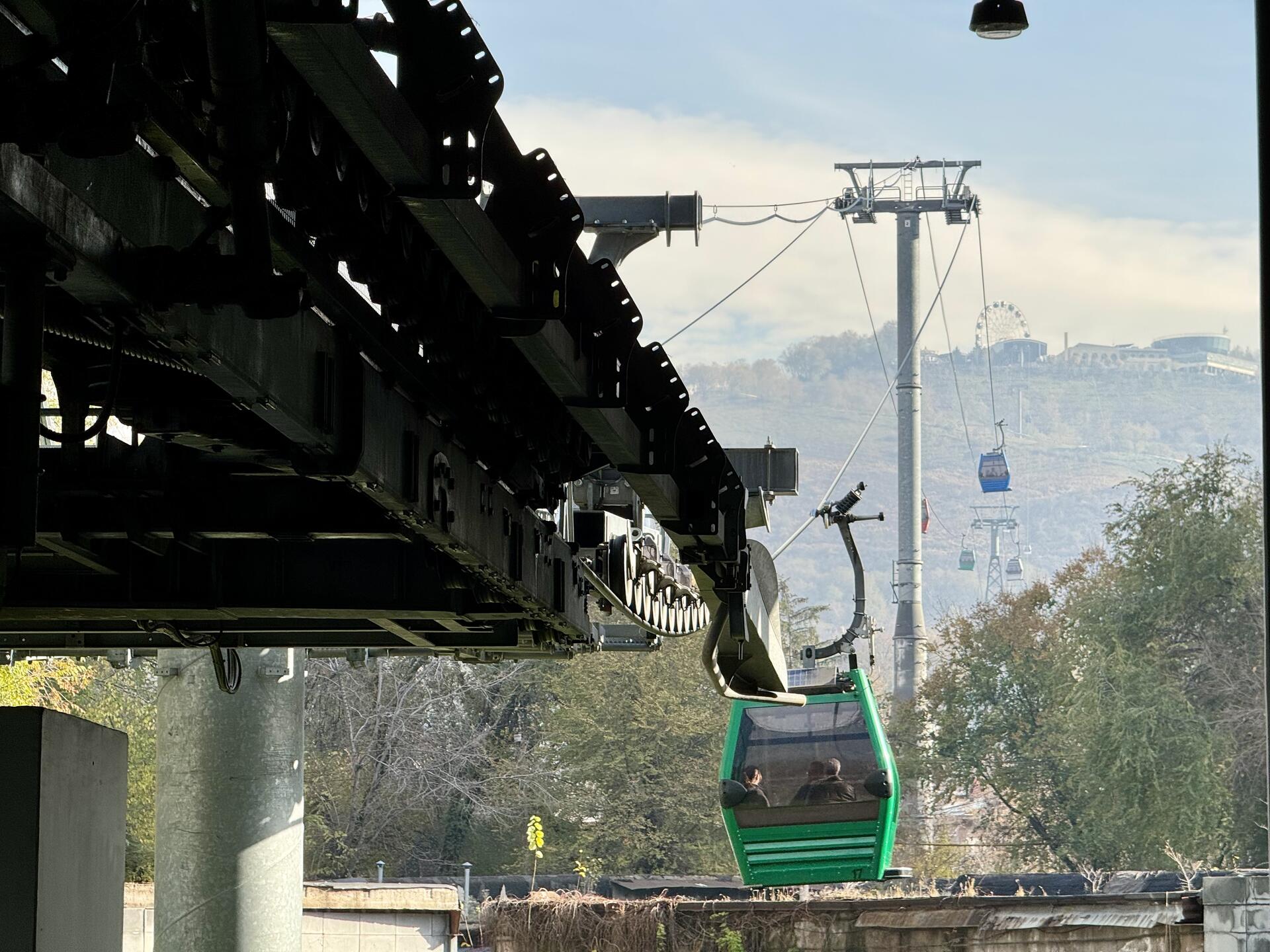
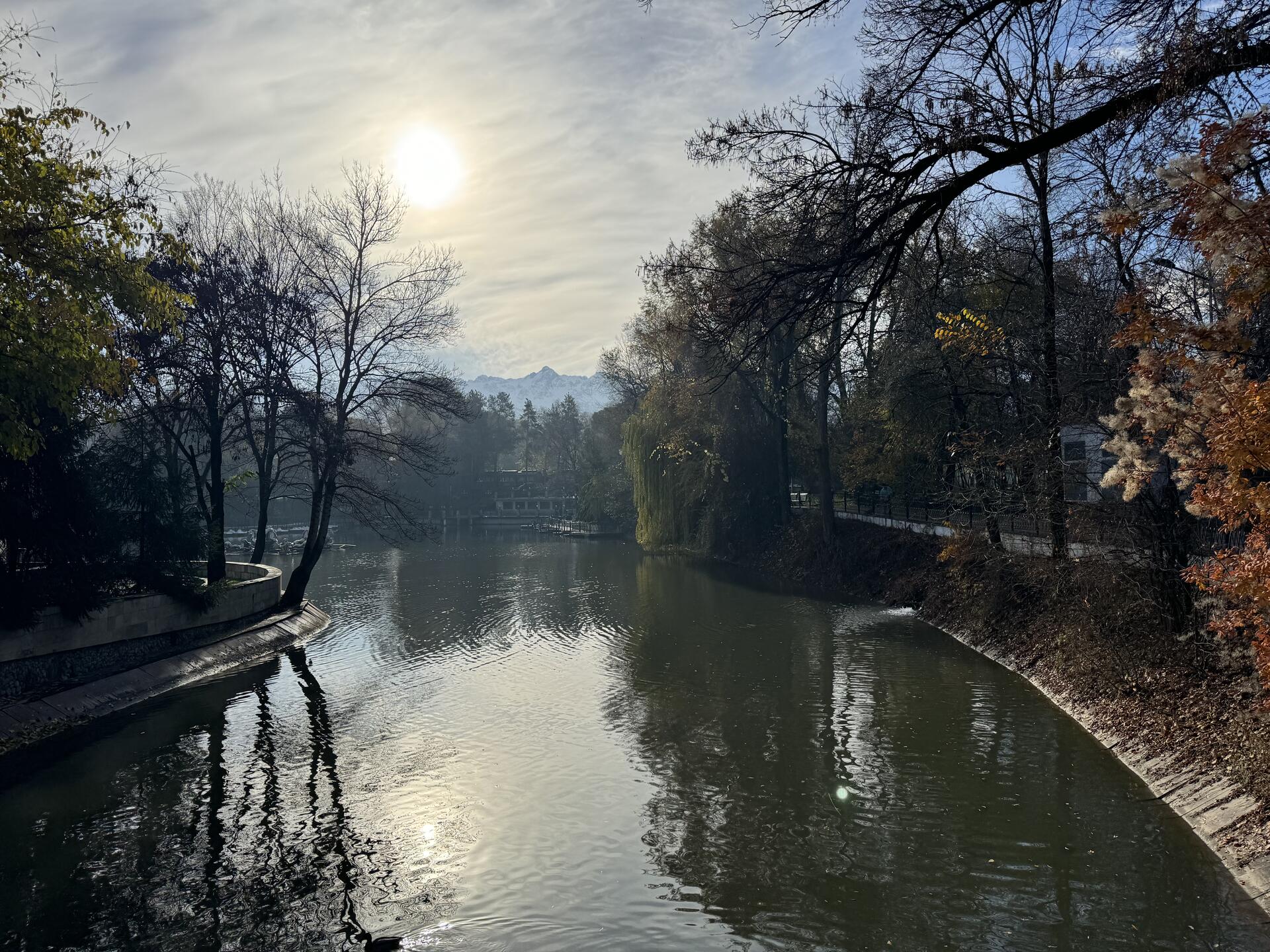
Quick visit to #Almaty in #Kazachstan on my way back to Europe. The metro is only ten years old, so it's retro-soviet architecture. #cityscapes
And yes it has plenty of Starbuckses. 

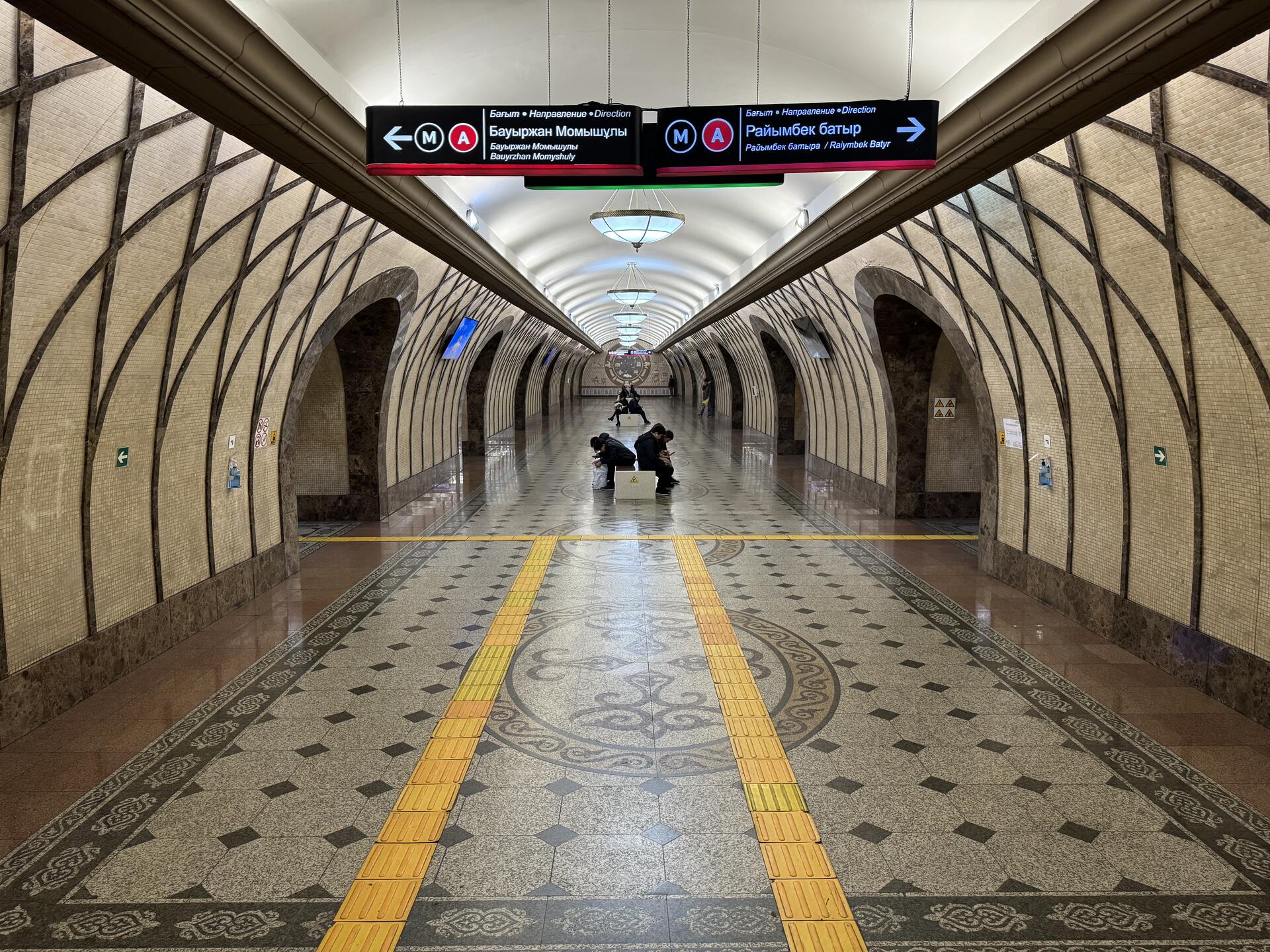
 https://video.nostr.build/2eda575a56506b54bec5e3fc1ae1b239084007ea8f4d506169667a8541164413.mp4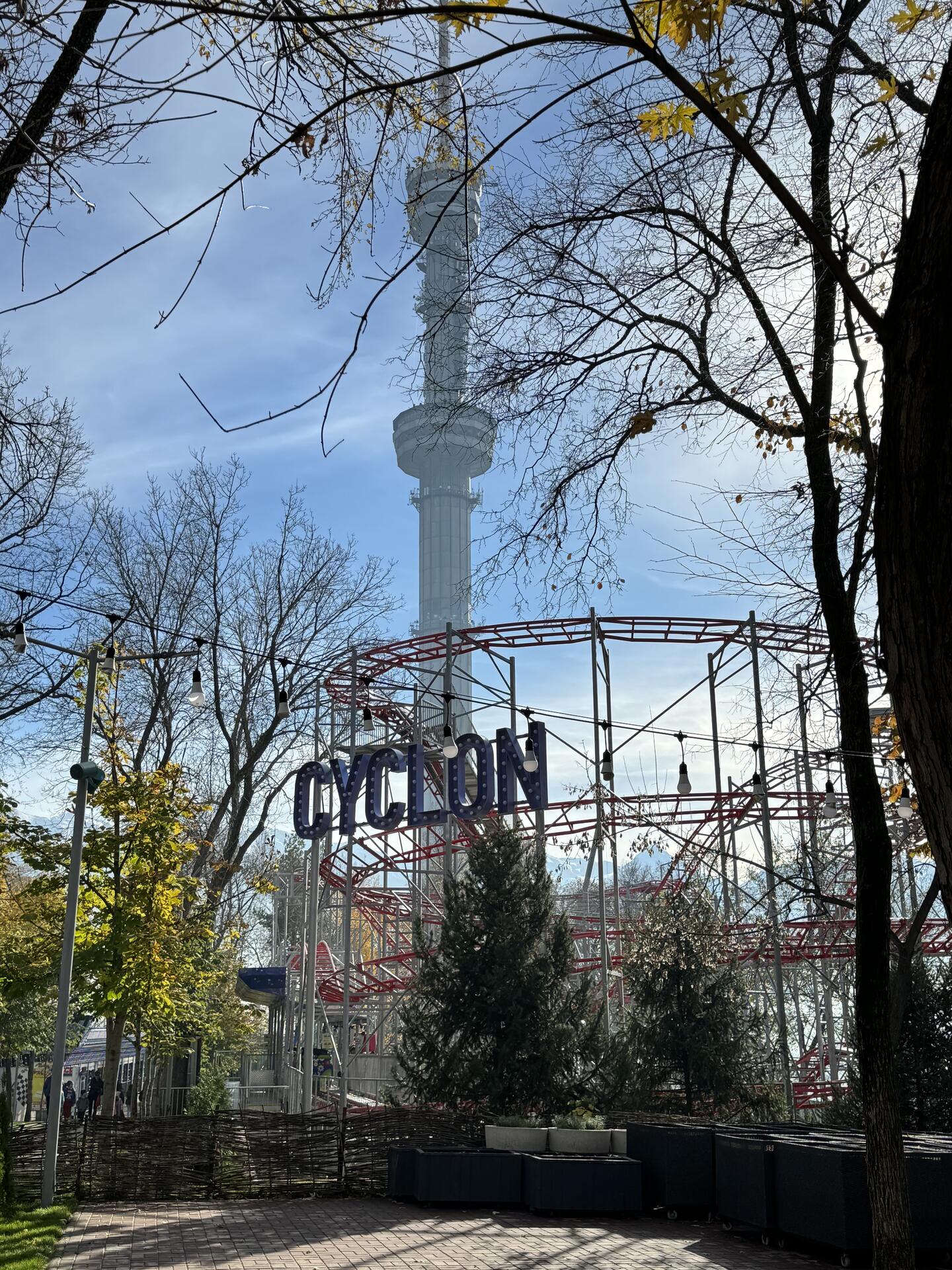


Subway platform looks like a replica of one in Moscow. 🙂
Have you looked into Free Market Medical Association? They seem to bring prices down for some procedures: https://shophealth.fmma.org

If you're a dev who could realistically make a contribution to Bitcoin development, then do not sit back and relax too much. Bitcoin needs fresh blood as older contributors move on.


He behaved like a top-rate degen in the past and should still pay for it. He should bow out and shill other influers on the way.
Not saying I would have a dramatically better accent, not from the US either. nostr:npub1lelkh3hhxw9hdwlcpk6q9t0xt9f7yze0y0nxazvzqjmre3p98x3sthkvyz is a good filmmaker and Bitcoin is lucky to have him but IMHO he probably should hire a guy on fiverr to do these narrations.


Clockwork Orange

His accent just sounds unfortunately scammy/sleazy. Maybe should focus on getting rid of accent or not do his own voice overs.

GC vs Borrow checker is down to trade-offs. The former is a well proven strategy, probably easier to implement and less verification work for the compiler. For the time Go was released, it's understandable they went with GC.
Agree on the learning curve.
Would be interesting to see a third language, striving for simplicity and fast compilation but with borrow-checking.
The borrow checker is unfortunately complicated. It forces code to be written in certain ways and not in others. C++ is the fad language used for Bitcoin Core. By its own it enforces simpler programs, I think it's more general programming fads that make the code hard to read.
Maybe C++ and Rust are geared toward large-scale systems with many developers of differing experience and knowledge about the systems. Totally overkill for smaller self-contained codebases, or larger with senior devs.
Agree Rust is overly complicated, would love to see a flavour without async and with fast compilation as a top priority.
GC like async is out of the question for me when it comes to systems programming.
Respect your work.

I've enjoyed being away from the digital world for a while. I've lurked and made the occasional poast here and there, but for much of this year I've been focused life in meatspace.
Writing, reading, lifting, grappling, living, travelling, eating, reading, sun, sand, seawater, sex - and building..
It's a strange feeling coming back to bird app (is it even a bird anymore??) - but here we go. I definitely got pulled into the vortex of stupidity in 2022, so it will be interesting to see how I manage it this time.
I've got 3 primary project this year, and I'll be posting about them + doing a podcast and spaces roadshow to discuss each.
1. nostr:npub1tayp5jjjfqx4ufukxqamsl28wd5pggvteqe6u9n3svjn62lfr0hsp89l42 - this is an attempt to build a more 'based', Bitcoin-Austro-AnCap language model that doesn't waste half the response moralising and apologising, and the other half on platitudes. The hope is that it will become more than just a tool for Orange-Pilling people, but also one they can use for some biased feedback / ideas / opinions that are not of the woke variety..
2. BitcoinTimes.io - In its 6th time around the sun, this year's Bitcoin Times will be "The Energy Edition." Bitcoin has fundamentally transformed our understanding of "What is Money," and it is now compelling us to dig even deeper. Vaclav Smil said that "Energy is the currency of the Universe." Turns out Bitcoin is a symbiosis of both. If you've got an interesting on take on Bitcoin through the lens of energy, or energy through the lens of Bitcoin, reach out because Gideon Powell & I are co-writing a piece, and we have room for 2 more collaborators. You'll be joining nostr:npub1guh5grefa7vkay4ps6udxg8lrqxg2kgr3qh9n4gduxut64nfxq0q9y6hjy Drew Armstrong of Cathedra, Harry Sudock & Brian Gitt
3. Last but not least, The Bushido of Bitcoin, being published by Bitcoin Magazine. This is a different kind of Bitcoin book, and one focused more on WHO one must become, if Bitcoin does transform the world in the way we think it will. What Virtues will be most important to embody and inculcate in our kin? What will the new playbook-for-life look like, when the materialist-oriented, money printing machine dies, and the measuring stick for human competition and cooperation becomes fixed & incorruptible? I ask some very hard questions in this book, and will challenge your thinking about Warfare, morality, the body and the mind, money, affluence and much more.
I'm adding the finishing touches to the book now, and hope it will be available for The Bitcoin Conf in Amsterdam.
I know some of you have asked me if I'm going to kick the Podcast off again. For now, no. I want to focus on my own things right now, and as you can probably tell, my plate is pretty full.
In saying that, I will endeavour to do some writing again, both for Bitcoin Magazine and on my own Substack; The Remnant Chronicles.
A particular topic I want to delve into is Bitcoin Nietzscheanism, and how "Energy Money" as a concept makes way for a world in which Quality, Excellence, Merit, Ingenuity, and Vitality once more become North Stars.
That's an update from me, not that you asked for it. More a diary entry for me.
Good timing too. I just realised it's the 1st of August!
My favourite month..
See y'all around.
Sats/zaps don't show?

This guy came from a muslim background: https://www.boschfawstin.com/

You will own nothing.

Has Muun adapted to high on-chain fee situations yet?

Wen APK?