Du musst noch deine LN wallet aufsetzen fuer zaps… geht einfach mit nostr:npub1hcwcj72tlyk7thtyc8nq763vwrq5p2avnyeyrrlwxrzuvdl7j3usj4h9rq oder in primal integriert.. nostr:npub12vkcxr0luzwp8e673v29eqjhrr7p9vqq8asav85swaepclllj09sylpugg
Wer möchte ihm gern seine persönliche Nostr Erfahrungen mitteilen?
👇🏻
Diese #nostr 💊 Pille wurde über Linkedin gereicht. Folgt ihm gern:
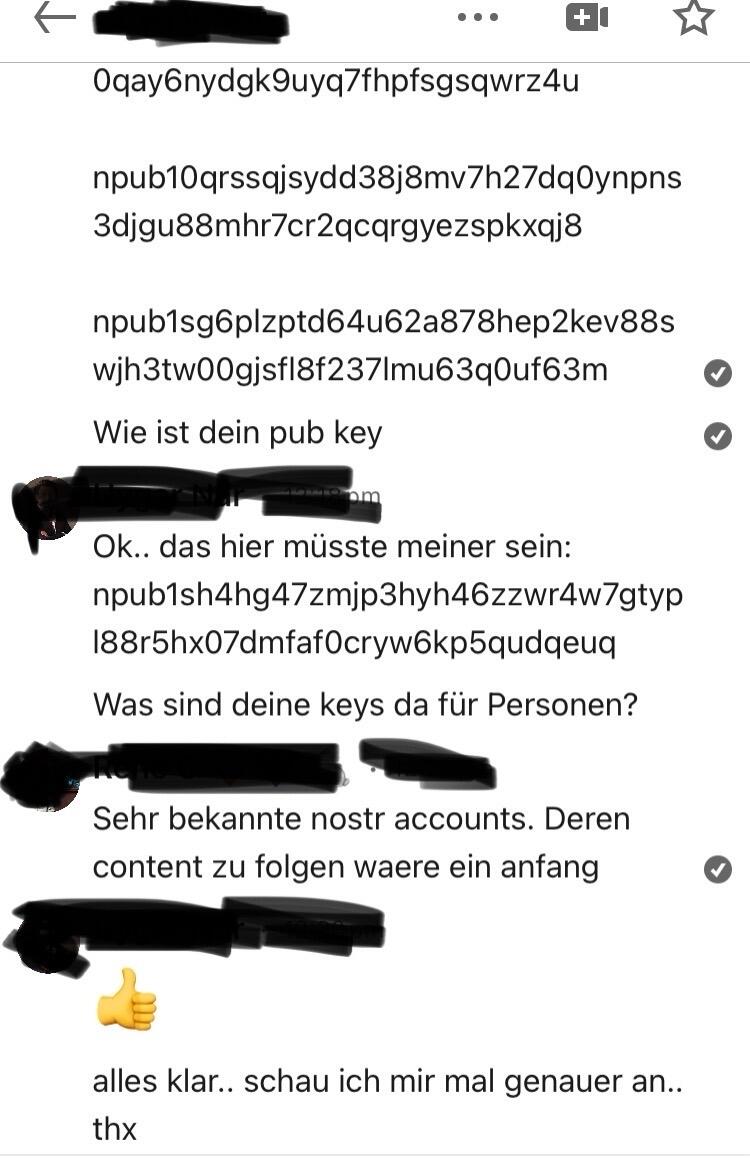
“Ok.. das hier müsste meiner sein:”
nostr:npub1sh4hg47zmjp3hyh46zzwr4w7gtypl88r5hx07dmfaf0cryw6kp5qudqeuq
Und lasst ein paar Zaps ⚡️ da für ihn. 👻 Study #bitcoin 🧡 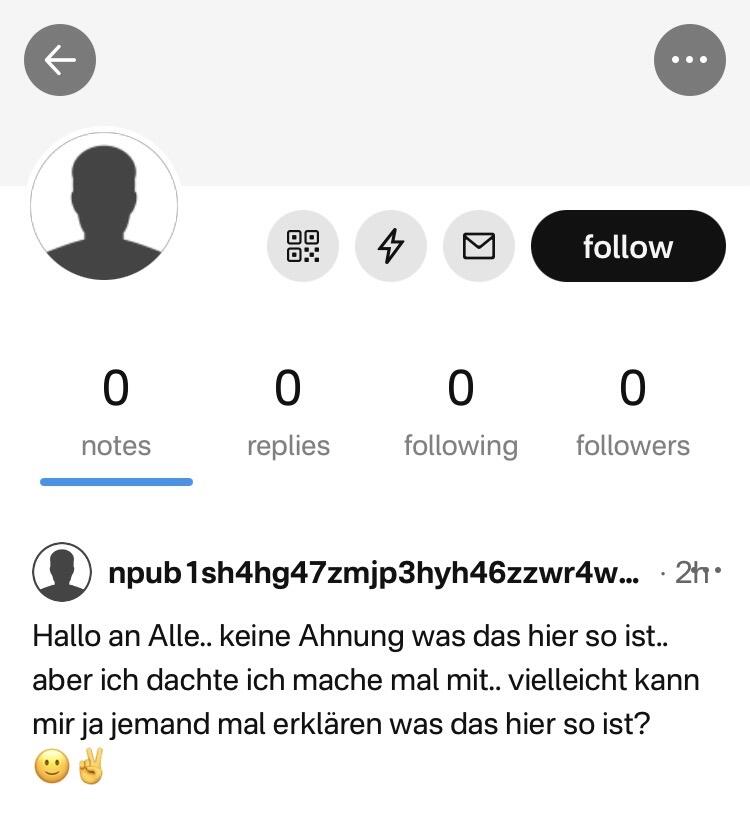



Wir suchen jemanden, der das Vorwort für die deutsche Ausgabe von "The Sovereign Individual" schreibt, da die Autoren nicht mehr Peter Thiel als Vorwort haben möchten.
nostr:npub1dergggklka99wwrs92yz8wdjs952h2ux2ha2ed598ngwu9w7a6fsh9xzpc kann man dich dazu gewinnen? 🙂
😮

"I will sell every #Bitcoin I ever own, and I will invest every dollar back into the industry that helps the world the most." - Gary Cardone with nostr:npub1cj8znuztfqkvq89pl8hceph0svvvqk0qay6nydgk9uyq7fhpfsgsqwrz4u
😆
nostr:npub1tg779rlap8t4qm8lpgn89k7mr7pkxpaulupp0nq5faywr8h28llsj3cxmt 😮 https://video.nostr.build/840d01e48e1ab64e732dadf7ba68a70094f8baf7cdbc75de48f5682894423a2c.mp4 nostr:note1jj720fjv0esdlyvr46ze3q7uulft8uph2kw3mz2c3fhkwjvg8kkql0u7my
Discover the essence of Swiss craftsmanship with a Hardware Wallet from nostr:npub1tg779rlap8t4qm8lpgn89k7mr7pkxpaulupp0nq5faywr8h28llsj3cxmt 🧀 🐮 🏔️ 🌸
🇨🇭 Swiss made Open Source
🇨🇭 Swiss made Security
🇨🇭 Swiss made Usability
🇨🇭 Swiss made Privacy
🇨🇭 Swiss made Independence
Use discount code WALKER for 5% off. nostr:npub1cj8znuztfqkvq89pl8hceph0svvvqk0qay6nydgk9uyq7fhpfsgsqwrz4u - host of THE Bitcoin Podcast nostr:npub10qrssqjsydd38j8mv7h27dq0ynpns3djgu88mhr7cr2qcqrgyezspkxqj8
☟
#plebchain
#bitcoin 🧡
#coffeechain
#nostr 💜 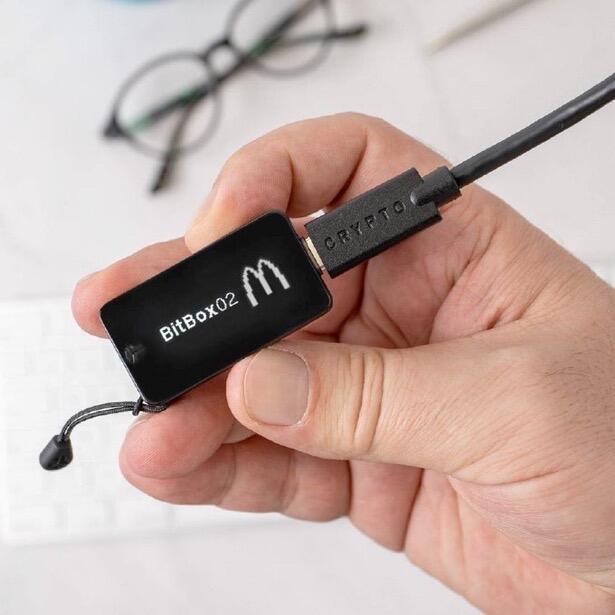
Wo verbringt Ihr den 3. Weltkrieg? Schreibt es in die Kommentare. Freu mich auf Eure Ausflugsziele! 😊🤗
Hodl Harder. #bitcoin 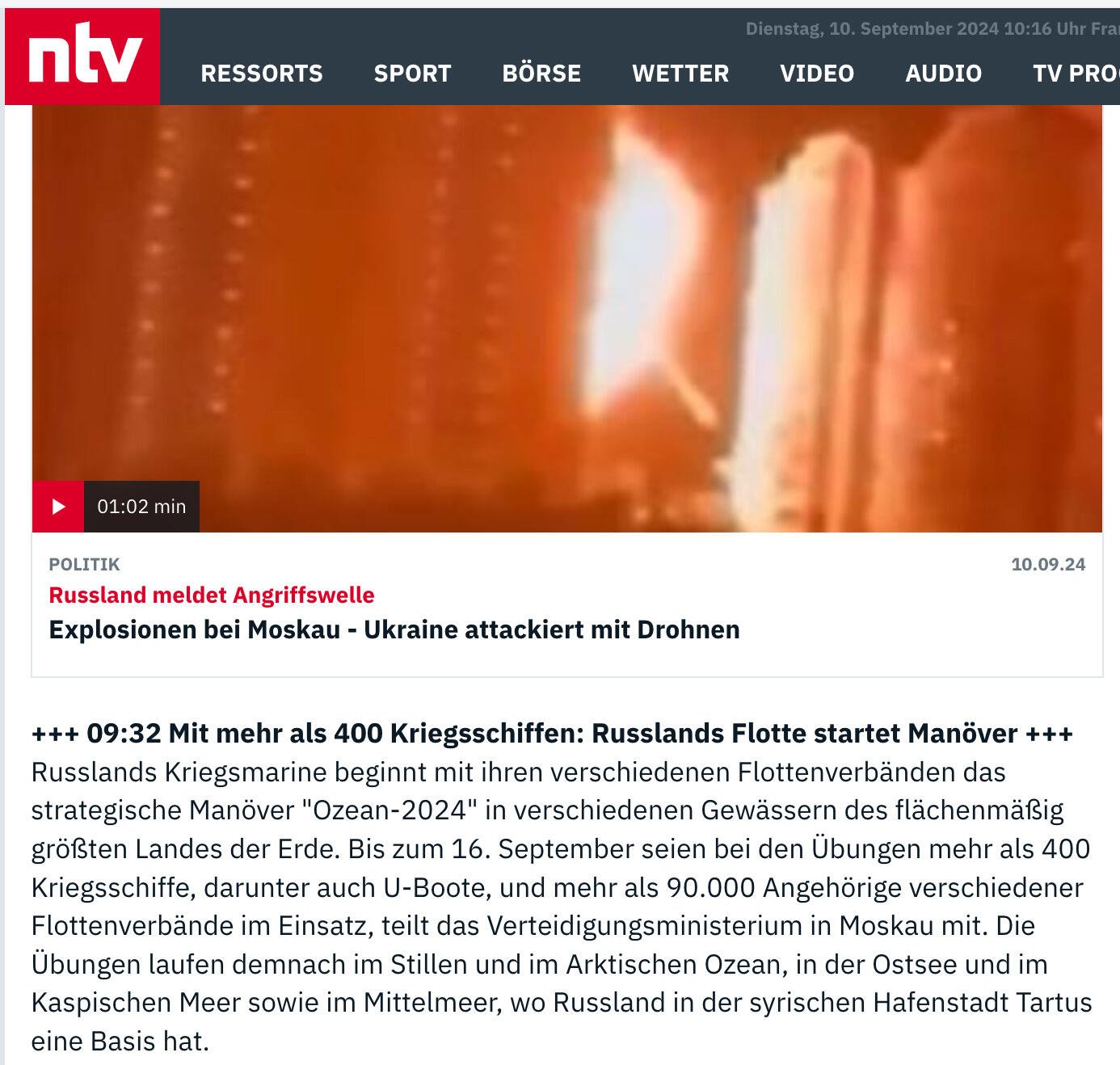
Phaseout of the petrodollar?
Hodl harder.
#gold #bitcoin 🧡 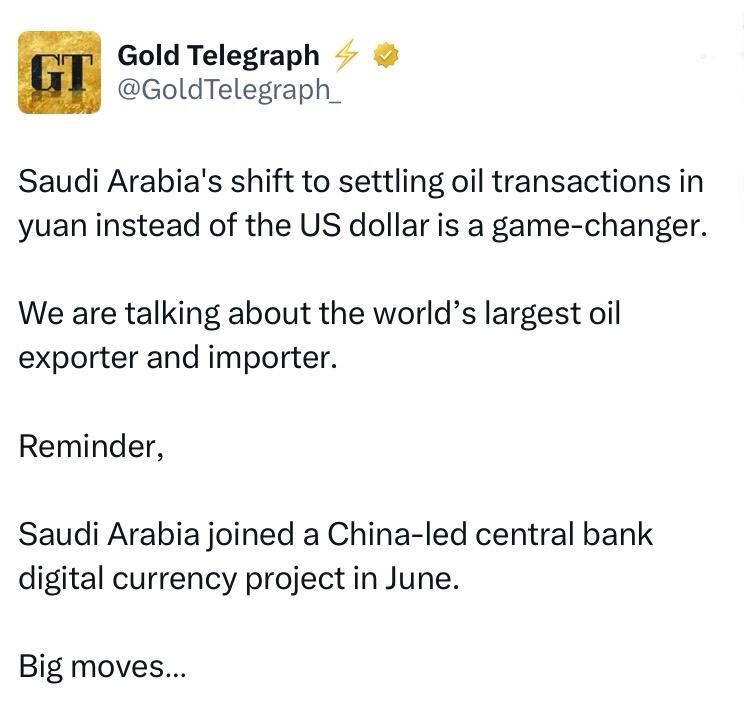 nostr:note154sagwy5nkkds5wqzeehgf7te7n4n59guqce2y4udf4htcjq2pwqcyxesc




GM #58gang on #nostr 💜 
NEO, remember. There is no leaving the path once you start to study #bitcoin 🧡 

Reports suggest that Saudi Arabia may no longer base its oil sales on the US dollar…
While these claims about the potential end of the decades-old petrodollar agreement are questionable, one undeniable fact remains: current geopolitical upheavals are reshaping the currency landscape and initiating a process of de-dollarization.
The petrodollar system was established in the mid-1970s after President Richard Nixon ended the dollar's convertibility to gold. This system mandated that oil prices be set in dollars, compelling oil-exporting nations to invest their surplus earnings in dollar-denominated assets. This arrangement solidified the dollar's status as the world's reserve currency, granting the US decades of prosperity as global demand for the greenback surged, making it the preferred currency for international business.
The petrodollar agreement traces back to a secret deal between Saudi Arabia and the US in 1974, where the Saudis invested petrodollars in US Treasury bonds in exchange for American security guarantees. This strategic alliance shaped global politics, and by the following year, OPEC had agreed to price oil in dollars. As oil became an essential resource for growth and technological advancement, the demand for dollars soared, further entrenching its dominance. By 2000, over 70% of foreign exchange reserves were held in dollars, even as Asian economies began to challenge US supremacy.
However, the tides are turning. There are increasing signs of a shift away from the dollar. Central banks have more than doubled their #gold purchases between 2021 and 2022 and maintained high levels in 2023. Simultaneously, the use of local currencies in bilateral trade is on the rise. For the first time in 2023, India paid for oil from the Emirates in rupees, while China now conducts about half of its cross-border trade and investments in renminbi, supported by currency swap agreements with over 40 central banks worldwide.
The gradual move away from the petrodollar is driven by several factors. Before 2000, the US was the primary trading partner for over 80% of countries; today, that figure has plummeted to below 30%. China has largely taken over this role, becoming the main buyer of Saudi oil. Additionally, digitalization is facilitating the use of domestic currencies, with central banks in Malaysia, Singapore, and Thailand implementing QR-code-based systems for digital cross-border payments.
The rise of the Global South also plays a crucial role. America's extensive use of sanctions has highlighted the political and financial risks associated with reliance on the dollar as a reserve currency. Countries are now diversifying their foreign exchange reserves to mitigate these risks. In 2022, the dollar's share of global reserves fell ten times faster than in the previous two decades, dropping to 58% from 73% in 2001. According to the IMF, the use of the renminbi in cross-border payments has surged significantly between 2014 and 2021, with the shift away from the petrodollar being a key factor. By 2023, one-fifth of global oil trade was already being conducted in currencies other than the dollar, with Saudi Arabia's deepening energy ties with China leading to long-term oil trade contracts denominated in renminbi.
Given the ongoing geopolitical conflicts, this trend is far from over. The decline of the dollar seems inevitable, and the world is witnessing a significant transformation in the global financial landscape.
Study #bitcoin 🧡