
https://youtu.be/ONeDDZNb8Ks?si=LxovV7D8pI5zvFsK
#nakba #freepalestine #palestine #michaellüders #hamas #gaza #zionismus
Die Geister ( Hamas), die die israelische Regierung gerufen hat, werden sie nicht mehr los.

This is very realistic price projection of bitcoin from a bitcoiner’s perspective.
But this will obviously shock the normies when they hear someone calling for $500k or $600k per #Bitcoin .
Just like it would have shocked anyone hearing $30k per bitcoin in 2015. https://video.nostr.build/6a4d593b09b5cc9c409eacae1ad2066071ae98e5a843b80462692f365cfafc9b.mov
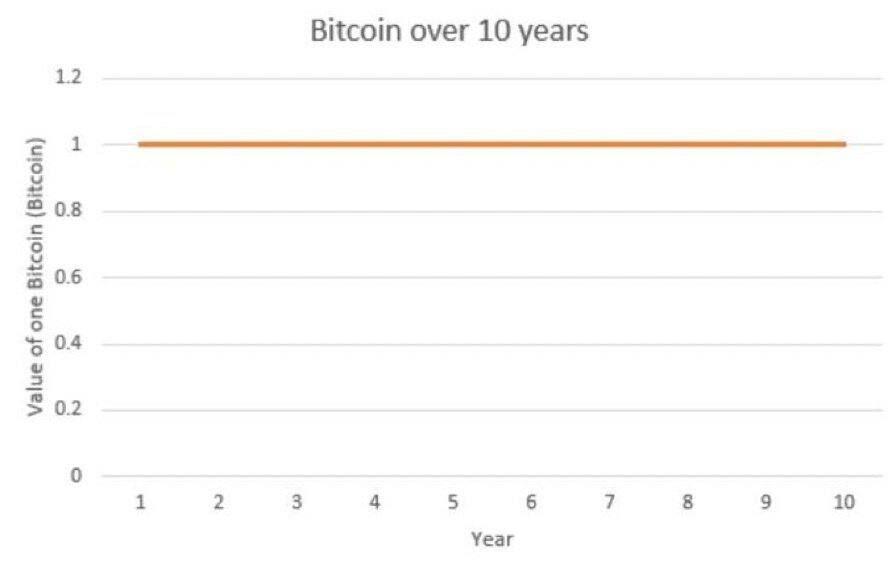
#Bitcoin is boring
What's going on in #niger #burkinafaso and #Mali?

https://ordpool.space/block/0000000000000000000363beacc8dbbba425cd1f00d47c1f755e76dba59e1cac
#ordinals #inscriptions #bitcoin #timechaine



Bitcoin is an energy rat. It consumes energetic waste.
# Bitcoin #energy
#BLK 's Bitcoin Spot ETF Ticker #IBTC
https://twitter.com/EricBalchunas/status/1716529570759704832
No fomo please

Feel the same with 61
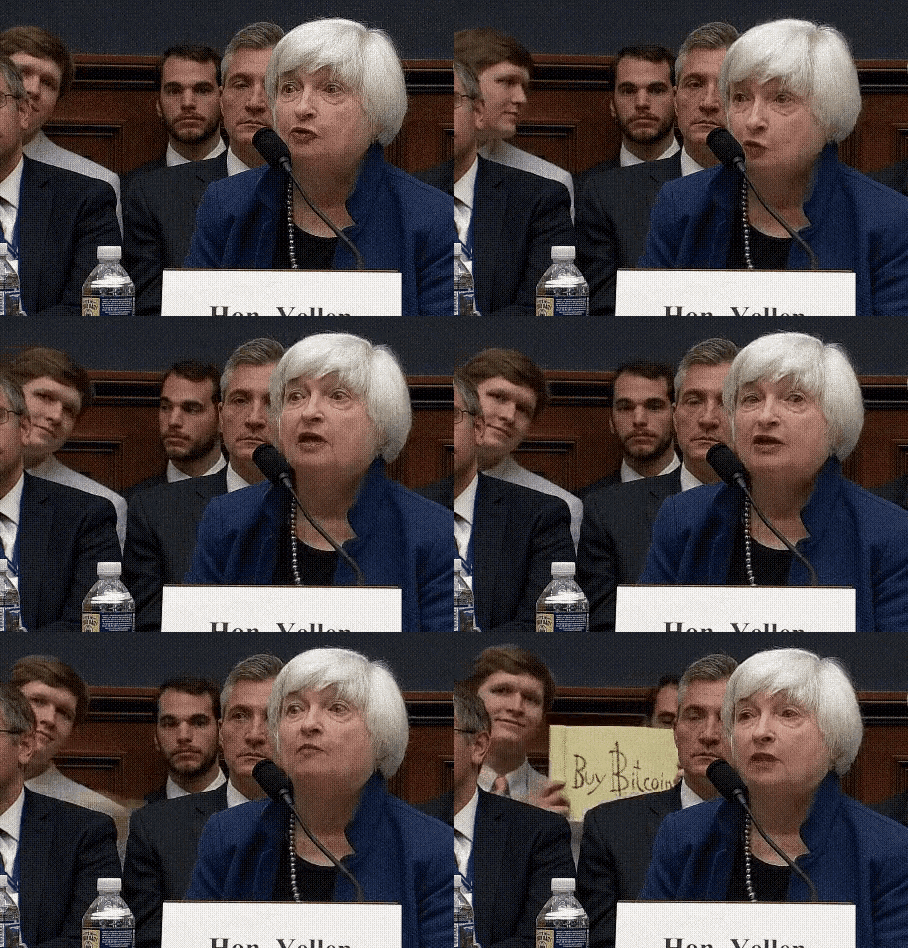



https://twitter.com/mattkratter/status/1687837973143068673?t=43LwngjwEWb3_DKQj6vgbw&s=19
#MatthewRKratter #bitcoin #fitch
#scottritter #stephengardner Seymourhersh

In our view, what nostr:npub1a2cww4kn9wqte4ry70vyfwqyqvpswksna27rtxd8vty6c74era8sdcw83a summarizes in this segment below is one of the most important concepts to grasp when assessing the fiscal (& broader macro) environment of the 2020s.
And trust us, water doesn't work well on grease fires.😉
👇👇👇
"During the 1940s, interest rates were not used as a policy tool to fight inflation, because it was fiscal-driven inflation rather than lending-driven inflation. Instead, the primary policy tools focused on ending the war, ceasing the fiscal deficits, and pivoting back towards a period of financial austerity.
During the 1970s, raising interest rates and performing other actions to reduce the high rate of bank lending was a successful inflation-fighting strategy, because it tackled the problem head on. Other non-monetary policies included improving the supply-side, such as resolving or getting around geopolitical oil embargoes. Federal debt as a percentage of GDP was only 30%, so higher rates on the public debt were manageable compared to the reduced rate of loan creation in the private sector that higher rates led to.
During the 2020s, we have a different problem. Most of the inflation was caused by large 1940s-style fiscal deficits, and yet the Federal Reserve has primarily used a 1970s-style playbook of raising interest rates to deal with it, even though that’s primarily a tool to constrain lending. However, raising interest rates when federal debt is over 100% of GDP substantially increases those deficits at an equal or larger pace than it reduces loan creation in the private sector.
An issue here is that the Federal Reserve doesn’t really know what else to do, because their tools don’t really address deficit-driven inflation; their tools are meant to deal with lending-driven inflation. It’s a fiscal matter, and so the best the Federal Reserve can do is try to suppress the private sector to offset some of what’s happening in the public sector, even though that’s not addressing the core problem.
So as the Federal Reserve raises rates, federal interest expense increases, and the federal deficit widens ironically at a time when deficits were the primary cause of inflation in the first place. It risks being akin to trying to put out a kitchen grease fire with water, which makes intuitive sense but doesn’t work as expected.
[....]
As we look years into the future via the following chart from the Congressional Budget Office, the rising federal debts and deficits will cause the fiscal dominance to continue into increase, which means interest rates become a less and less useful inflation-fighting tool over time."
Full newsletter here: https://www.lynalden.com/july-2023-newsletter/
Kitchen grease fire