Avatar
Dhamar
41b3a7b59a3d95a0e5879bc8481bdbb728505aef54c55fd660cd9f6fde0463d6
🪶Second Round Orange🧡 No Context Notes

Happy Easter to all who celebrate ✨

May your holiday be as vibrant and joyful as a guinea fowl's dazzlin feathers!

🐦Greet you a unique charm of “ayam mutiara” strutting into the festive season.

#EasterVibes #grownostr

https://link.storjshare.io/raw/jxnczpjqnubxehq5ozejgdvd6zpq/freefrom-prod/bc65909be1f2d3f4658050b75b898cffe9d44c56ad8c0a1774df1efe715d096a.MOV

🇮🇩Kartini’s spirit in fighting for women’s freedom and dignity in Indonesia remains a strong inspiration. Her struggle is a timeless symbol of courage, always relevant to the lives of women across Nusantara’s hundreds of ethnic groups. This spirit must be nurtured and celebrated from generation to generation.

Sadly, many women claim to follow Kartini but betray her values by engaging in corruption, collusion, and nepotism (KKN) in government. Some come from respected families, have top education, and move in powerful circles. They win awards, speak at events, and appear in famous magazines. Their actions against Kartini’s ideals must be sharply criticised and stopped. Beauty, fancy lifestyles, or powerful connections must not shield their incompetence or abuse of power. These ‘fake’ Kartinis must be called out and removed to uphold integrity.

✨Unleash the fierce spirit of Kartini, igniting justice and empowerment for women across Indonesia’s thousands of tribes and hundreds of ethnic groups!

Rise with unstoppable strength!💪🏽

Happy Kartini Day❤️‍🔥💃

April 21, 2025 https://cdn.nostrcheck.me/41b3a7b59a3d95a0e5879bc8481bdbb728505aef54c55fd660cd9f6fde0463d6/c09c86c38e833fa9f0ee62e04077f3a61958078b0dcef3aa3569a56a1ba56939.webp

Happy Easter🌾🪷🐇🐣

Replying to Avatar Anarko

🌊 SURF 'N TURF 🏝️

-THE BITCOIN BORACAY ISLAND LIFE-
30 Weeds You Should Stop Killing and Start Eating

Dandelions, plantain, purslane, chickweed, and mallow are all considered weeds by many people. But did you know that these so-called weeds are actually edible?

Not only are they edible, but they're also packed with nutrients that are good for your health. So before you reach for the weed killer next time you see one of these plants in your garden, consider pulling it up and adding it to your dinner instead.

You may be surprised to learn that many of the weeds in your garden are actually edible! With a little bit of know-how, you can turn these pesky plants into a delicious and nutritious meal.

1. Dandelion Greens

Dandelion Greens

Dandelion greens are an excellent source of vitamins A, C, and K. They also contain calcium, iron, and fiber. You can eat dandelion greens raw in salads or cook them like you would any other green vegetable.

2. Plantain Leaves

Plantain Leaves

Plantain leaves contain vitamins A and C, as well as potassium and magnesium. These nutrients make plantain leaves a great home remedy for insect bites, poison ivy, and other skin irritations. You can eat plantain leaves raw or cooked. Be sure to remove the tough central vein before eating cooked plantain leaves.

3. Purslane

Purslane

Purslane is a succulent herb that is high in vitamins A, C, and E, as well as omega-3 fatty acids. It has a mild, lemony flavor and can be eaten raw in salads or added to soups and stews.

4. Chickweed

Chickweed

Chickweed is high in vitamins C and A, as well as iron and magnesium. It has a slightly sweet flavor and can be eaten raw in salads or used as a garnish on soup or other dishes.

5. Mallow Flowers & Leaves

Mallow Flowers

Mallow flowers & leaves contain vitamins A and C, as well as calcium and iron. They have a sweet flavor similar to that of honey. Mallow flowers & leaves can be eaten raw or cooked. If cooking mallow flowers & leaves, be sure to remove the tough central vein first.

6. Bittercress

Bittercress Weed

This weed is often found in gardens and is easily identifiable by its small, white flowers. The entire plant is edible, and can be used in salads or as a garnish. Bittercress is a good source of vitamins A and C, as well as calcium and iron.

7. Dead Nettle

Dead Nettle

Dead nettle is a herb that is frequently used in soups and stews. It has a similar appearance to mint, but doesn't have the same strong flavor. Dead nettle is an excellent source of vitamins A and C, as well as magnesium, potassium, and calcium.

8. Dock

Broad-leaf Dock

Dock leaves are most commonly used in salads or as wraps for other ingredients. They have a slightly bitter taste, but this can be offset by using them in conjunction with other flavors. Dock leaves are an excellent source of vitamins A and C, as well as iron and calcium.

9. Japanese Honeysuckle

Japanese Honeysuckle

Japanese honeysuckle is a vine that is commonly found growing in wooded areas. The flowers and berries of this plant are edible, and can be used to make jams or jellies. Japanese honeysuckle is an excellent source of vitamin C, as well as zinc and copper.

10. Lamb’s Quarters

Lamb’s Quarter Plant

Lamb's quarters can be found growing wild in meadows or fields. The leaves of this plant can be eaten raw or cooked, and taste similar to spinach. Lamb's quarters are an excellent source of vitamins A and C, as well as iron and magnesium.

11. Pigweed Amaranth

Pigweed Amaranth

Pigweed amaranth—also known as redroot pigweed—is an annual plant that can be found in gardens and fields throughout North America. The plant is easy to identify thanks to its bright green leaves and red stems. All parts of the pigweed amaranth plant are edible, but the young leaves are generally considered to be the best. They can be added to salads or cooked like spinach.

12. Wild Garlic

Wild Garlic

Also known as ramps, wild garlic is a perennial herb that is native to North America. Wild garlic plants have long, flat leaves and small white flowers. Both the leaves and bulbs of wild garlic are edible and can be used in a variety of dishes. Wild garlic leaves can be used in salads or soups, while the bulbs can be roasted or sautéed.

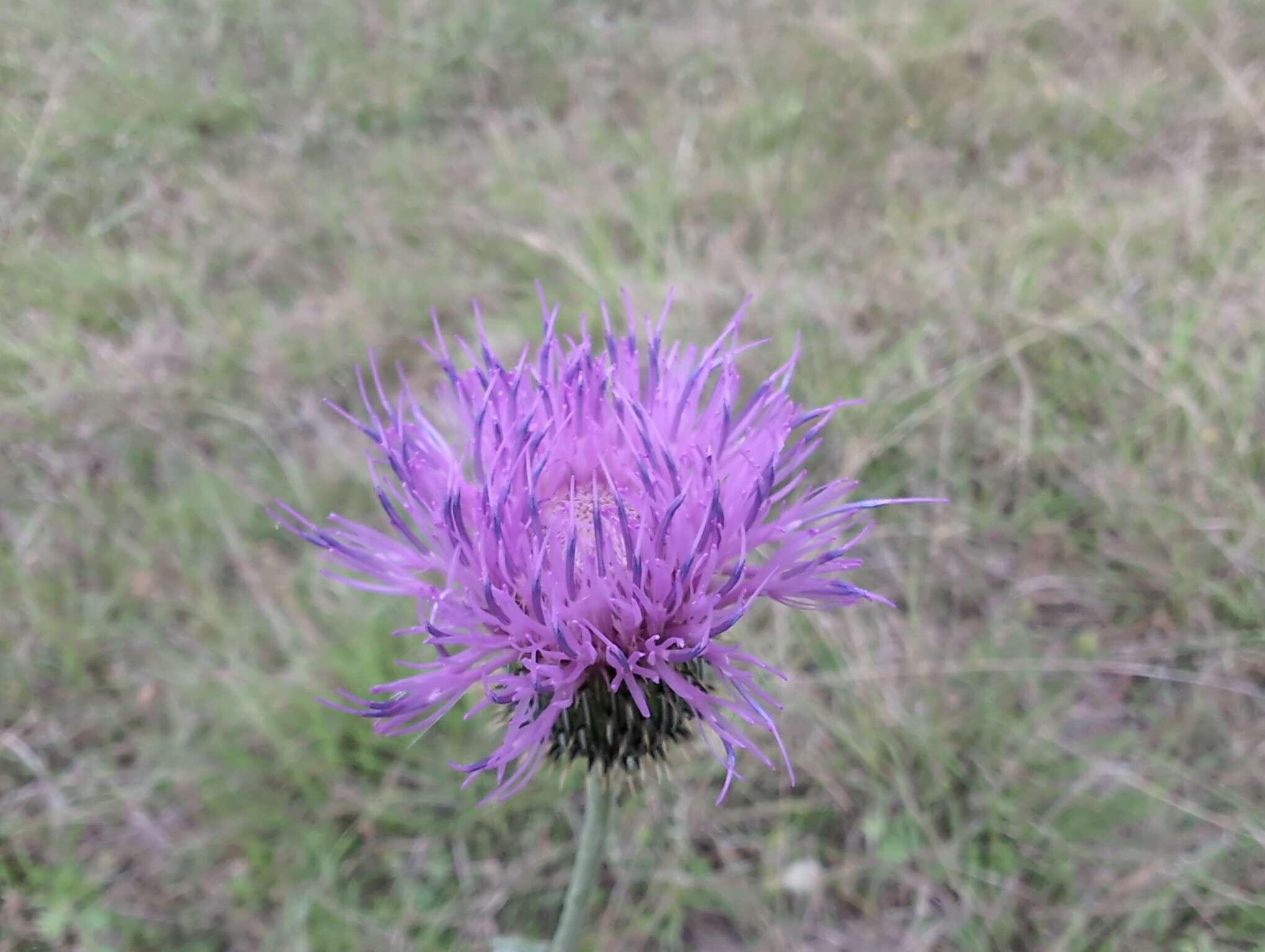
13. Thistle

Thistle Weed

Thistle is a prickly weed that is native to Europe, Asia, and Africa. The plant has sharp spines on its leaves and stem, which can make it difficult to handle. However, if you can get past the prickles, thistles are actually quite edible. The young leaves of the plant can be cooked and eaten like spinach, while the root can be peeled and boiled or roasted.

14. Stinging Nettle

Stinging Nettle

Stinging nettle is a perennial herb that is found throughout Europe, Asia, Africa, and North America. As its name suggests, stinging nettle is covered in tiny hairs that release a chemical when they come into contact with skin, which causes a stinging sensation.

However, these same hairs also contain a number of nutrients including magnesium, potassium, iron, and calcium. When cooked, stinging nettles lose their sting and taste similar to spinach or Swiss chard. They can be used in soups, stews, or sautés.

15. Chicory

Chicory Flowers

Chicory is a perennial herb that has long been cultivated for its medicinal properties. The plant has blue or lavender flowers and deeply lobed leaves. Chicory roots can be roasted and ground to make a coffee substitute or additive, while the leaves can be used in salads or cooked like spinach.

16. Sheep Sorrel

Sheep Sorrel

Sheep sorrel is a perennial weed that is native to Europe but now grows throughout North America as well. The plant has long been used as an herbal remedy for everything from indigestion to cancer.

Sheep sorrel leaves can be eaten raw or cooked and have a sour lemony flavor that makes them a great addition to salads or other dishes where you want a little bit of tanginess without having to use lemon juice or vinegar.

17. Daisies

Daisies Growing

Daisies are lovely flowers that add a splash of color to any garden. But did you know that these pretty flowers are also edible? The petals of the daisy are great for adding flavor to salads, and the leaves can be steamed or sautéed like spinach. Just make sure to avoid the flower's center, as it can be quite bitter.

18. Red Clover

Red Clover Up Close

Red clover is a common weed that is often found in lawns and gardens. But this weed is actually a legume, which means it's packed with protein, fiber, and nutrients. The leaves of the red clover plant can be eaten raw or cooked, and they make a great addition to salads. The flowers can also be used to make a tasty herbal tea.

19. Garlic Mustard

Garlic Mustard Leaves

Garlic mustard is an invasive weed that many gardeners try to get rid of. But this weed is actually edible—and quite delicious! The leaves of the garlic mustard plant have a strong garlic flavor that makes them perfect for pesto or other sauces. The roots can also be roasted and used as a flavorful vegetable side dish.

20. Plantain

Plantain Weed

Plantain is a common weed that grows in both lawns and gardens. This weed has been used for centuries for its medicinal properties—it's said to be effective in treating everything from insect bites to diarrhea—but it's also edible. Both the leaves and the seeds of the plantain plant can be eaten raw or cooked, and they make a great addition to salads and other dishes.

21. Wild Violets

Wild Violets

Wild violets are beautiful flowers that add color and life to any garden. But these flowers are more than just pretty—they're also edible! The leaves of the wild violet plant can be eaten raw or cooked, and they make a great addition to salads, soups, and stews. The flower petals can also be used to decorate cakes or cupcakes.

22. Wood Sorrel

Wood Sorrel

This little weed is one of the tastiest around! It has a lemony flavor that makes it perfect for salads or as a garnish. Wood sorrel is also rich in Vitamin C and antioxidants.

23. White Clover

White Clover Plant

Don’t let its innocent-looking white flowers fool you, this weed is packing some serious flavor! White clover has a nutty taste that goes well in soups or stews. It’s also a great source of protein.

24. Goldenrod

Goldenrod Plant

Goldenrod may be best known for its role in hay fever, but did you know that it’s also edible? This weed has a slightly sweet taste and can be used in herbal teas or added to salads. Goldenrod is also rich in Vitamin A and minerals like iron and potassium.

25. Queen Anne’s Lace

Queen Anne's Lace

This weed gets its name from its delicate white flowers, which resemble lace. Queen Anne’s lace is related to carrots, so it’s no surprise that it has a similar taste. This weed can be eaten raw or cooked and is a good source of Vitamin C.

26. Yarrow

Yarrow Flowers

Yarrow is a perennial herb that is commonly found in North America, Europe, and Asia. The young leaves can be eaten raw in salads or cooked like spinach. Yarrow also has a long history of use in traditional medicine and is said to have many health benefits including reducing inflammation, healing wounds, and helping with colds and flu.

27. Mullein

Mullein Plant

Mullein is a biennial herb that grows in Europe, Asia, Africa, and North America. The leaves can be eaten raw or cooked and are often used as an ingredient in soups and stews. Mullein is also said to have medicinal properties and has been used to treat respiratory problems such as bronchitis and asthma as well as skin conditions such as eczema and wounds.

28. Japanese Knotweed

Japanese Knotweed

Japanese knotweed is a perennial plant that is classified as one of the worst invasive species in the world. But before you go reaching for the Roundup, consider this: Japanese knotweed is actually edible! The young shoots can be cooked and eaten like asparagus while the older leaves can be used in stir-fries or soups. Knotweed is also rich in nutrients like vitamin C, iron, and calcium.

29. Kudzu

Kudzu Growing Wild

Kudzu is a climbing vine native to Japan and China that has become naturalized in much of the southeastern United States. The vines can be cooked and eaten like greens while the flowers can be used to make jelly or wine. Kudzu is also said to have medicinal properties and has been used to treat everything from headaches to diarrhea.

30. Watercress

Watercress Weed

Watercress is an aquatic plant that typically grows near slow-moving streams or ponds. The leaves can be eaten raw in salads or cooked like spinach while the stems can be pickled or used to make soup. Watercress is also a good source of vitamins A and C as well as minerals like iron and calcium.

Tips for Harvesting, Cooking, and Eating Edible Weeds

The best time to harvest most edible weeds is in the spring or fall, when the plants are young and tender. However, you can also harvest many types of weeds throughout the summer. If you're not sure whether a weed is edible or not, it's always best to err on the side of caution and consult a knowledgeable source before consuming it.

When harvesting edible weeds, be sure to only take what you need from each plant. This will ensure that the plant can regrow and continue to provide food for you and other wildlife in the future. It's also important to avoid areas where chemicals have been sprayed, as this could make the plants poisonous.

Once you've harvested your edible weeds, it's time to get cooking! Many edible weeds can be eaten raw, but cooking them will make them more palatable and increase their nutrient availability. Here are some ideas for incorporating edible weeds into your meals:

Sauteed dandelion greens make a delicious side dish.

Chickweed can be added to salads or used as a garnish.

Lamb quarters can be used in place of spinach in any recipe.

Clover leaves can be cooked like collard greens.

Final Thoughts

With a little bit of effort, you can turn those pesky weeds in your garden into a delicious and healthy meal! By following these tips for harvesting and eating edible weeds, you'll be able to enjoy all that nature has to offer—without breaking the bank.

Credits Goes to the respective

Author ✍️/ Photographer📸

🐇 🕳️

#Apocalypse #Music #Movies #Philosophy #Literature #scuba #architecture #art

nature 🌱always

Replying to Avatar Anarko

🌊 SURF 'N TURF 🏝️

-THE BITCOIN BORACAY ISLAND LIFE-

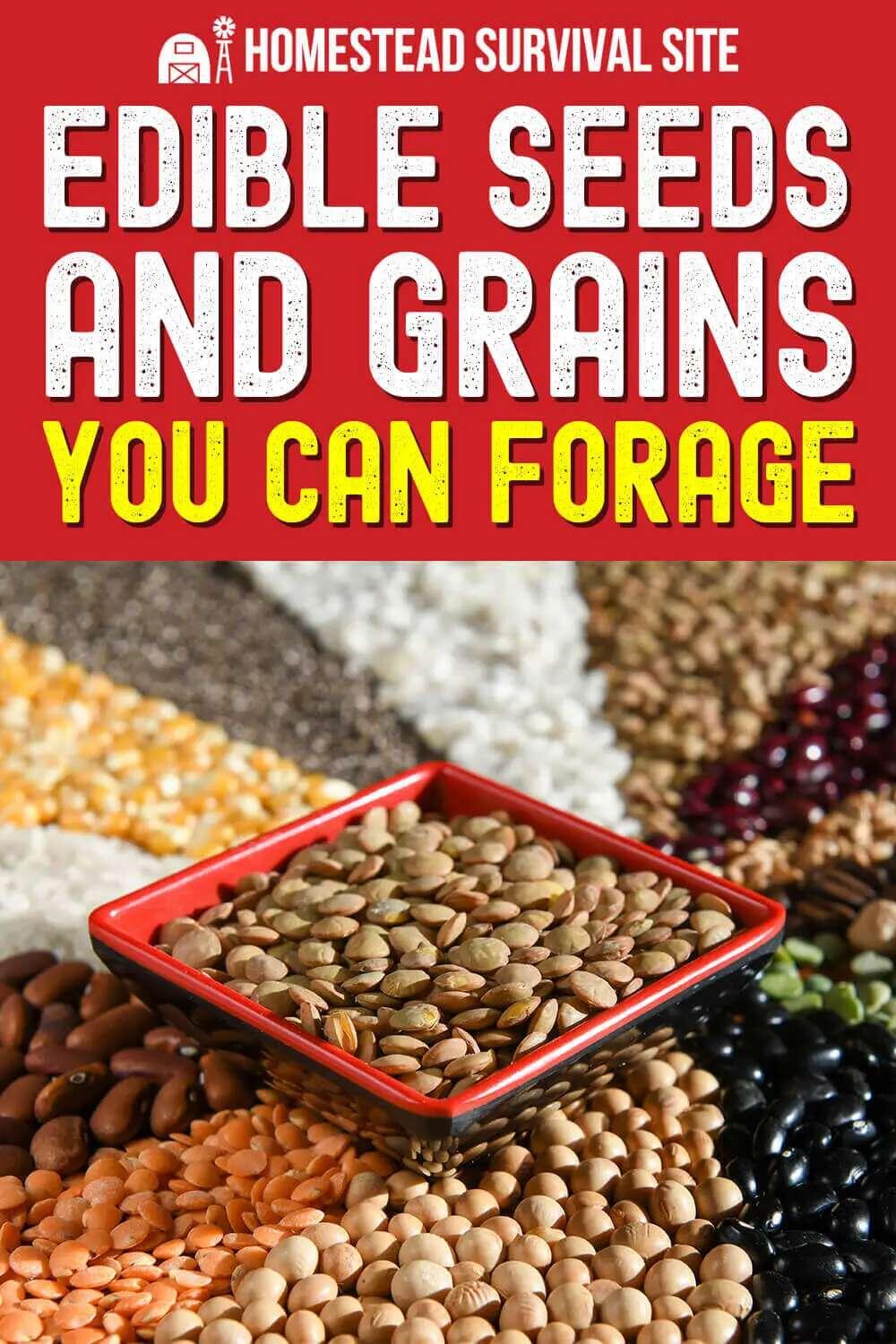
Edible Seeds and Grains You Can Forage

When you think about foraging, you probably focus on mushrooms, fruits, and greens. However, there is another category you may be overlooking.

Seeds and grains are staple foods that served our ancestors well and are still plentiful in the wild. In fact, researchers from the University of California Berkley found more than 200 different seeds and grains that Native Americans consumed in California and Oregon alone.

Edible seeds and grains can range in size from the tiny poppy seed to the relatively giant sunflower seed. Many seeds are high in fiber, protein, and complex carbohydrates. You can eat them raw as a snack, add them to other foods for flavor or thickening as you cook, or grind them to make flour.

Here is a list of some of the edible seeds and grains you can forage.

Want to save this post for later? Click Here to Pin It On Pinterest!

1. Amaranth

AMARANTH

Amaranth, a staple of the Ancient Aztec diet, is a grain that is rich in protein, amino acids, B vitamins, iron, and other minerals. There are about 60 known species of amaranth, which often grows in open sunny areas and in and around cultivated crops.

In late summer to early autumn, the plant's dense purple, bold, or red flowers release small, round seeds that are black or tan in color. You can eat these seeds raw to enjoy their nutty, slightly peppery taste, roast them, or grind them into flour.

2. Chia

CHIA SEEDS

Wild chia flowers are an important source of nectar for bees, butterflies, and other pollinators. Their seeds are packed with fiber, Omega-3 fatty acids, calcium, and protein that are beneficial for humans. When they are roasted, chia seeds have a mild nutty flavor.

According to the California Academy of Sciences, Native Americans harvested chia seeds by bending the stalks over a basket and then beating the seeds out of the prickly, dry heads with sticks. Then, the chaff was fanned away, leaving the seeds to be gathered.

Chia can be found in the open grassy areas of woodlands, sandy washes, dry, open plains, and hillsides. This video shows a simple way to harvest chia seeds by hand.

3. Barnyard Grass

BARNYARD GRASS

Considered a backyard weed, barnyard grass (also called cockspur grass) is in the millet family. It grows throughout much of the United States and Canada and is usually found in wet areas, including marshes, swamps, and poorly drained areas.

Consuming barnyard grass can help boost HDL (“good”) cholesterol and stabilize blood sugar levels. Its flexible seeds can be ground into flour, roasted, boiled, or even popped like popcorn.

4. Buckwheat

BUCKWHEAT

Like amaranth and quinoa, buckwheat is known as a “pseudocereal,” which is the name given to seeds from non-grass plants that are typically consumed like grains. It's also called an “ancient grain” since historians believe it has been cultivated for human consumption for more than 8,000 years.

Buckwheat produces seeds (or groats) that can be ground into flour to make bread, pancakes, and porridge. It is rich in magnesium, fiber, and antioxidants. This article includes a recipe for buckwheat flour pancakes.

Buckwheat seeds have a hull that most people remove before using them in recipes. Buckwheat grows quite rapidly and is often used as a cover crop by farmers.

5. Crabgrass

CRABGRASS

It may seem hard to believe – especially since homeowners hate when it shows up in their lawns – but crabgrass produces seeds that are edible and that provide some nutrients. However, husking crabgrass is very time-consuming.

Crabgrass seed can be used as a flour, grain, or even fermented to make beer. Untoasted seeds can be used like rice in many recipes. A fast-growing plant, crabgrass can produce edible seeds in just eight weeks.

Here's a recipe we found for crabgrass muffins. Try it if you dare.

Ingredients:

1 cup flour

1 cup crabgrass flour

2 tsp baking soda

2 tsp ginger (optional)

3/4 cup water

2 eggs

1 tsp vanilla

1/4 cup oil

1/2 cup raisins

Directions:

Preheat oven to 350 degrees F.

Pour flours and baking soda into a bowl before mixing in water, eggs, vanilla, and oil.

Fold in raisins and fill muffin tins halfway (or pour the entire batter into an 8×8-inch baking pan)

Bake for about 20 to 25 minutes

Let cool and remove from tins (or pan)

6. Curly Dock

CURLY DOCK

Curly dock (also called “yellow dock” or just “dock”) grows in open fields and meadows. Full-grown plants can have a three-foot-high reddish stalk with large alternate branching simple leaves growing outward from a large rosette. The stalk, roots, and young leaves are all edible.

Green flowers that form at the top of the stalk eventually produce reddish-brown seeds that can be cooked as a grain or ground into flour. It's best to harvest the seeds when they are dry and papery. Dock seeds are a source of protein, fiber, calcium, and other nutrients.

7. Flax

FLAX

Flax (also called linseed) is rich in fiber, protein, and Omega-3 fatty acids. These nutty-tasting seeds can be eaten raw, ground into flour, or cold-pressed to release flaxseed oil.

The consumption of flax seed may aid digestion, lower bad cholesterol levels, help with weight management, and improve insulin sensitivity. The time to harvest is late summer or early fall when the plant's flowers are gone and the little seed pods appear. This video depicts the harvesting process.

8. Indian Rice Grass

RICE GRASS

As its name implies, Indian rice grass is a grass species that served as a food source for many Native Americans. Some tribes ground these large easy-to-harvest seeds into flour for bread or mixed them with corn meal to make mush or porridge. Indian rice grass also is forage for wild and domesticated animals.

With information passed from Native Americans, pioneers often used Indian rice grass seeds for the treatment of stomach upset, aching bones, or colic.

9. Lamb's Quarters

LAMBS QUARTERS

You may already know that lamb's quarters' leaves can be eaten like spinach, but do you know about its seeds?

Thousands of little, shiny, black seeds develop at the top of these plants. Shaking them free into a bucket or basket in late summer or early fall is a relatively easy process.

Lamb's quarters seeds are rich in protein, vitamin A, calcium, phosphorus, riboflavin, manganese, and potassium.

10. Millet

MILLET

Millet has a nutty, corn-like flavor that makes it appropriate for many recipes. You can forage wild millet to use in meals in the same way you use couscous or quinoa. You also can grind millet into a flour for baked goods. Another option is to eat puffed millet as a snack or breakfast cereal.

Millet grows in gardens, along roadsides, and in fields. Its stem is erect, branching at the base, and it has flat, pointed leaves. Millet seeds can be white, light yellow, or purple, depending on the plant variety.

11. Pumpkin seeds

PUMPKIN SEEDS

The pumpkin is one of North America’s oldest domesticated plants, having been cultivated as early as 7,000 to 5,500 BC.

A wild pumpkin has a deeper color and a thicker shell than its domestic counterpart. However, a wild pumpkin's seeds and pulp and softer than a domestic pumpkin's.

Pumpkin seeds are low in carbohydrates and contain a 61 percent protein content. You can eat them roasted or grind them into flour. Here's how to scoop the seeds out of the shell and roast them.

12. Quinoa

QUINOA

Wild quinoa (also called goosefoot seed) provides protein, fiber, amino acids, and carbohydrates. Since the seeds are also high in saponins, they need to be soaked before eating.

After soaking, you can use the seeds as you would rice or other grains. When cooked, quinoa has a fluffy texture and a slightly nutty flavor.

Harvesting these nutritional powerhouses is easy – you just need to wait until it looks like the flower is dead. That means waiting until the flower head loses its bright color and flops over from the weight of the seeds.

To avoid doing battle with squirrels and birds who are after the same thing you are, you may want to cover the heads with cheesecloth until they are ready to cut and bring them indoors to dry. When they are dry (after two to three days), the seeds will begin to drop off the seed head. At this point, you can wash them to eat raw or roast them in the oven.

13. Wild Oats

WILD-OATS

Scientists believe that humans were making porridges with wild oats thousands of years ago. These plants are found growing in orchards, grasslands, crop fields, vineyards, gardens, and along roadsides.

You can harvest wild oats when the stalk and seeds are golden in color and dry. The process involves threshing, winnowing, and chaffing.

Then, you can eat wild oats raw as a snack or in a salad, prepare them in a porridge, or add them to recipes for baked goods.

14. Wild Rice

WILD RICE

Wild rice is a misnomer because it's not a rice at all. It's a grass seed that is more closely related to corn, wheat, or barley.

Wild rice grows in marshlands, creeks, and rivers in the northern U.S. and Canada. Its seeds float above the water and are often the target of hungry waterfowl.

Wild rice is rich in protein, potassium, and iron and can be cooked as an accompaniment to protein and vegetable dishes.

15. Wild Rye

WILD RYE

Wild rye (also grown as rye grass) grows in the northern United States and parts of Canada. This wild grain can be used to make a porridge after the rye berries are soaked in hot milk and then eaten like oatmeal. Wild rye is a source of fiber, vitamin E, iron, calcium, and potassium,

Rye berries also can be boiled in salted water and eaten as part of a grain bowl. Another option is to dry and grind the berries into a flour for bread, biscuits, cookies, and crackers.

Foraging Guidelines

It's rule number one for foraging – if you're not 100 percent sure something is edible, don't eat it. Also, be wary of plants that may have been exposed to pesticides or roadway chemicals.

Foraging books, websites, and apps can be of tremendous help in identifying grains and seeds.

Here are a few resources to consider:

Fearless Foraging Guide by Wild Harvest Publications

Edible Wild Plants for Beginners by Althea Press

Bushcraft 101 by Dave Canterbury

The Ultimate Forager's Harvest Bible by Lesley Tyler Kennedy

Wild Edibles Forage app

Edible Wild Plants app

iNaturalist app

Like this post? Don't Forget to Pin It On Pinterest!

You May Also Like:

Wild Plants People Ate During The Great Depression

The Ultimate Guide To Cooking With Pumpkins

30 Plants You Can Turn Into Flour

6 Wild Edibles You Can Forage In The Middle Of Winter

7 Uses for Grass Clippings on the Homestead

Print Friendly, PDF & Email

Are You a Prepper in the City? Visit Urban Survival Site

Credits Goes to the respective

Author ✍️/ Photographer📸

🐇 🕳️

#Apocalypse #Music #Movies #Philosophy #Literature #scuba #architecture #art

love this 🙏🧡

GM Nostr🌱

We may not be able to change the whole world, but one loving morning step ... could touch and transform someone's heart, … or perhaps even your own.

~ Maria Teresa ~ https://cdn.nostrcheck.me/41b3a7b59a3d95a0e5879bc8481bdbb728505aef54c55fd660cd9f6fde0463d6/838eb4a603ae7f760eab9b3e5998020d9685c687eb680f23e09cc0f5aedae736.webp