11. Yellowstone's Grand Prismatic Spring, the largest hot spring in the US 
10. A drone photo by photographer Julian Stratenschulte of trees knocked down after a storm 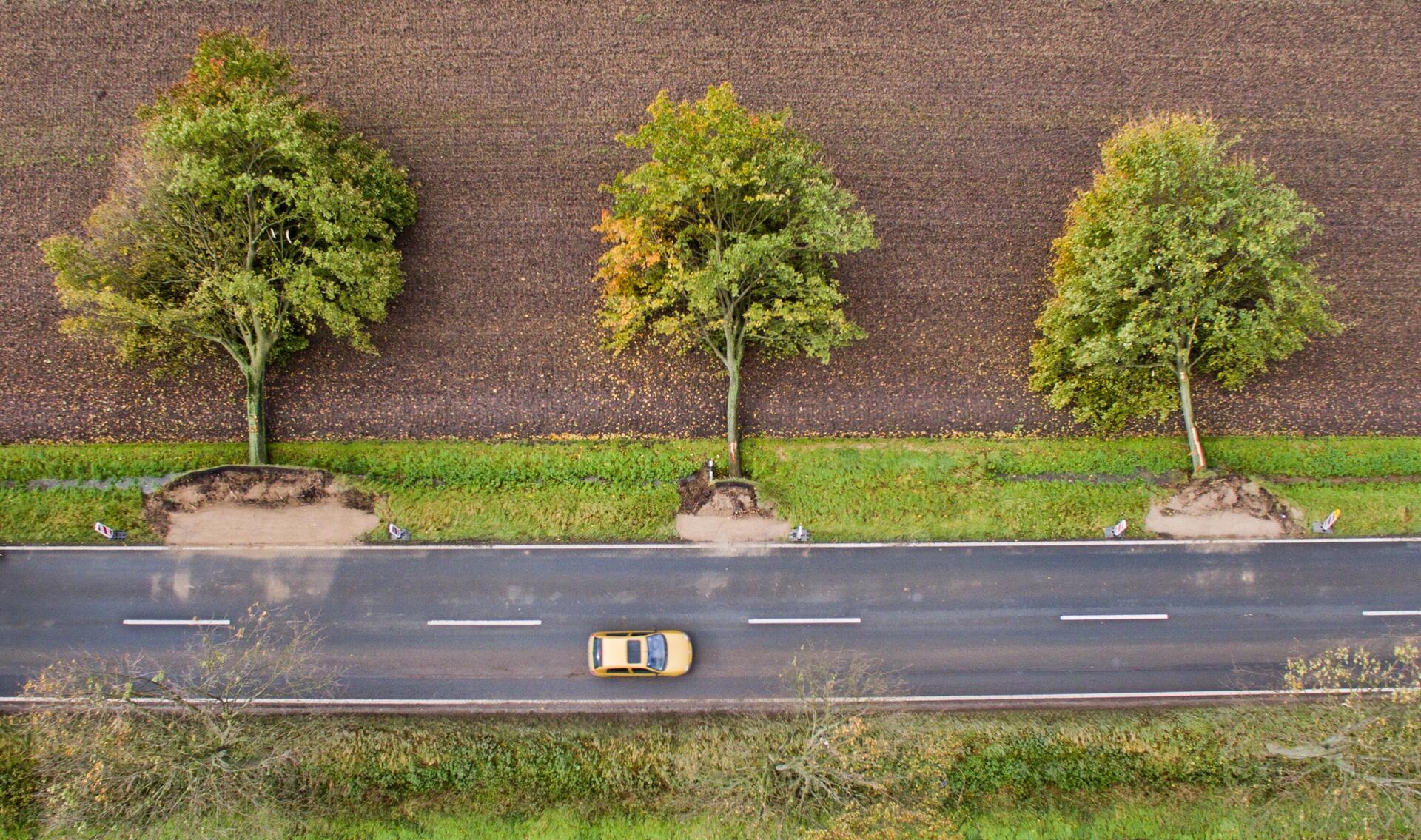
9. Rainbow waterfall by Grant Thompson 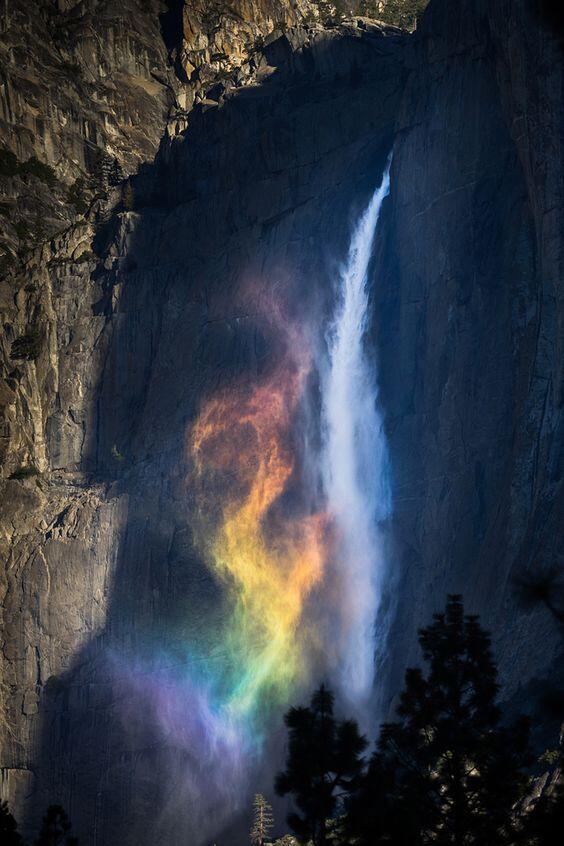
8. Salar de Uyuni, the world’s largest salt flat in Bolivia 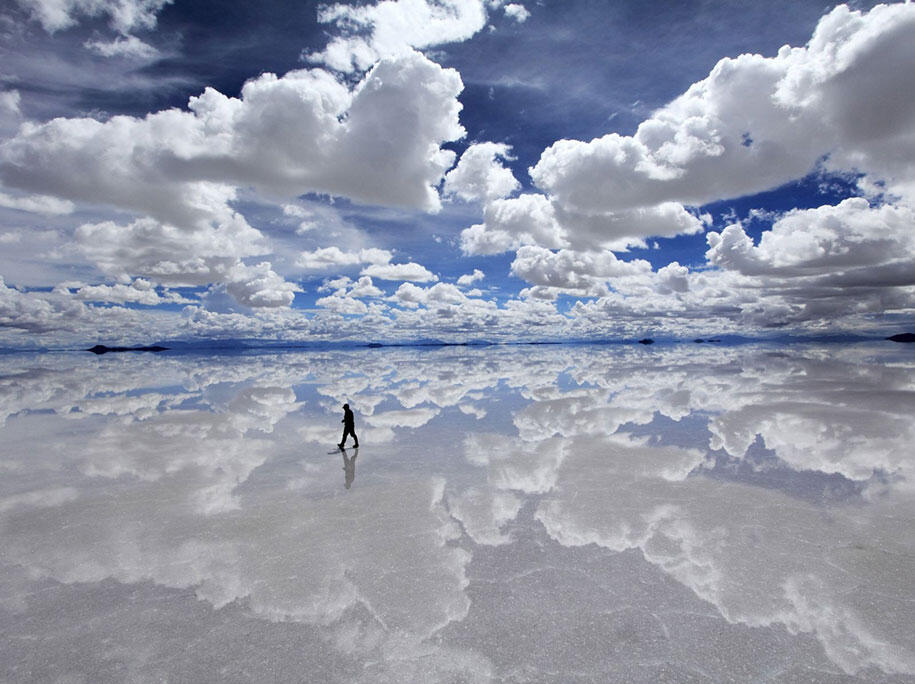

7. Francesco Saverio Paternostro's lens captures the ethereal beauty of a sea of fog, locally known as "lupa di mare," as it envelops the village of Rotondella, Italy. 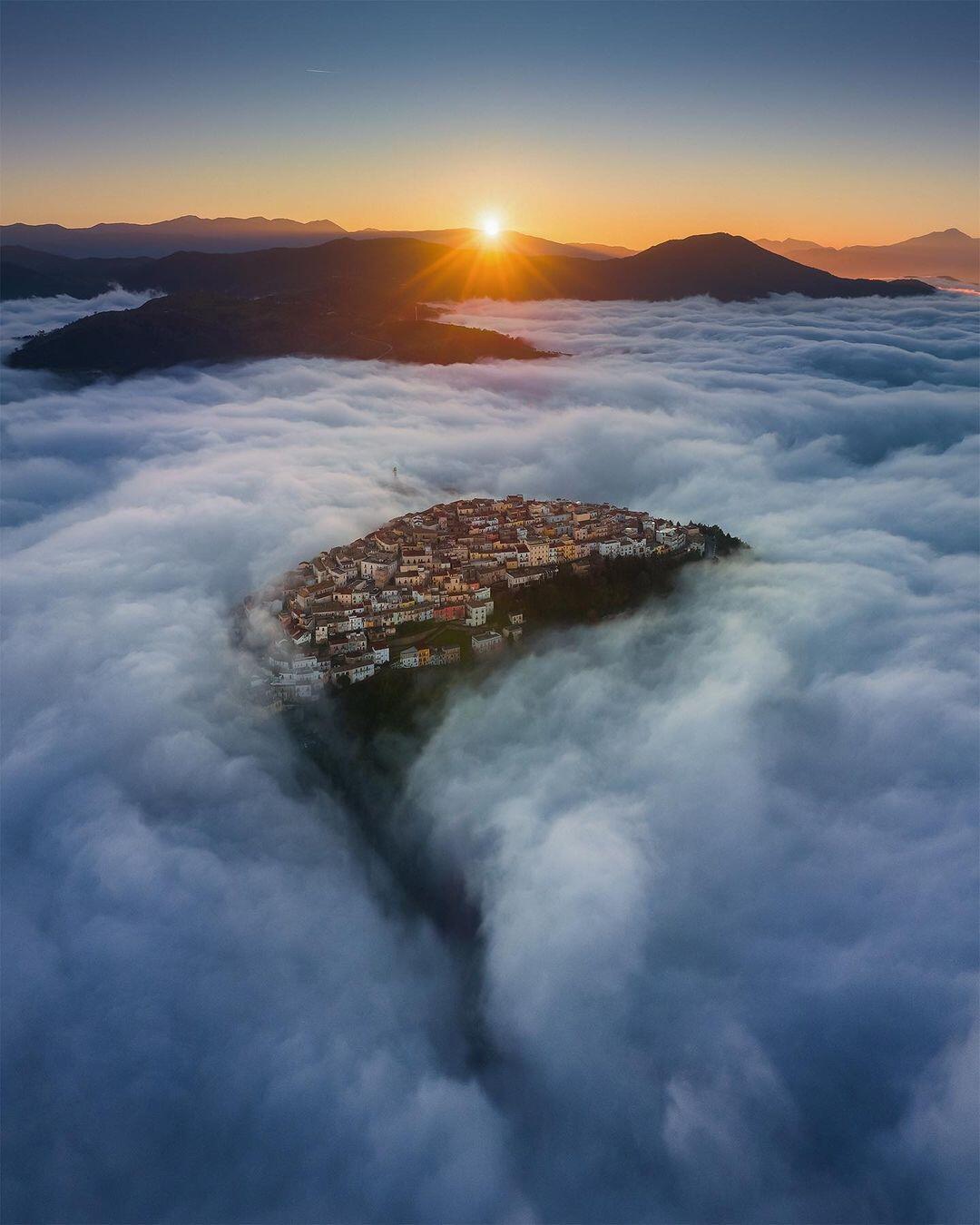
6. When autumn is only at 50% downloaded for your forest 
5. This is a real picture taken by photographer Keinichi Ohno.
In the top right corner a wall casts its reflection into the water below, creating a seamless division within the photograph. 
4. A colossal Iceberg drifts through Iceberg Alley, in Newfoundland, Canada 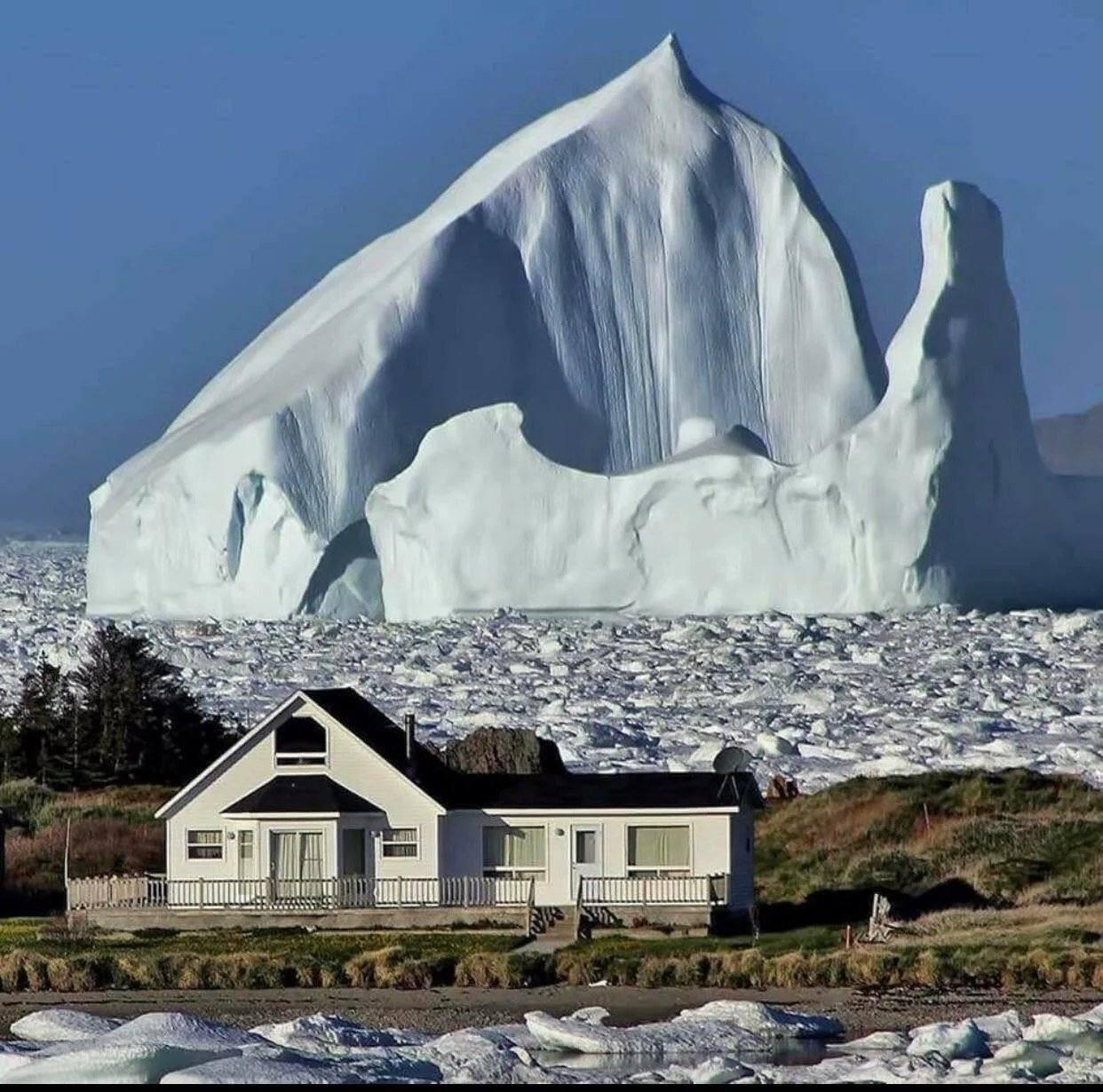
3. Stairway to Heaven
This photo taken by Paul David depicts "Diminish and Ascend", a sculpture by David McCracken gracing the landscape of Bondi, Australia. 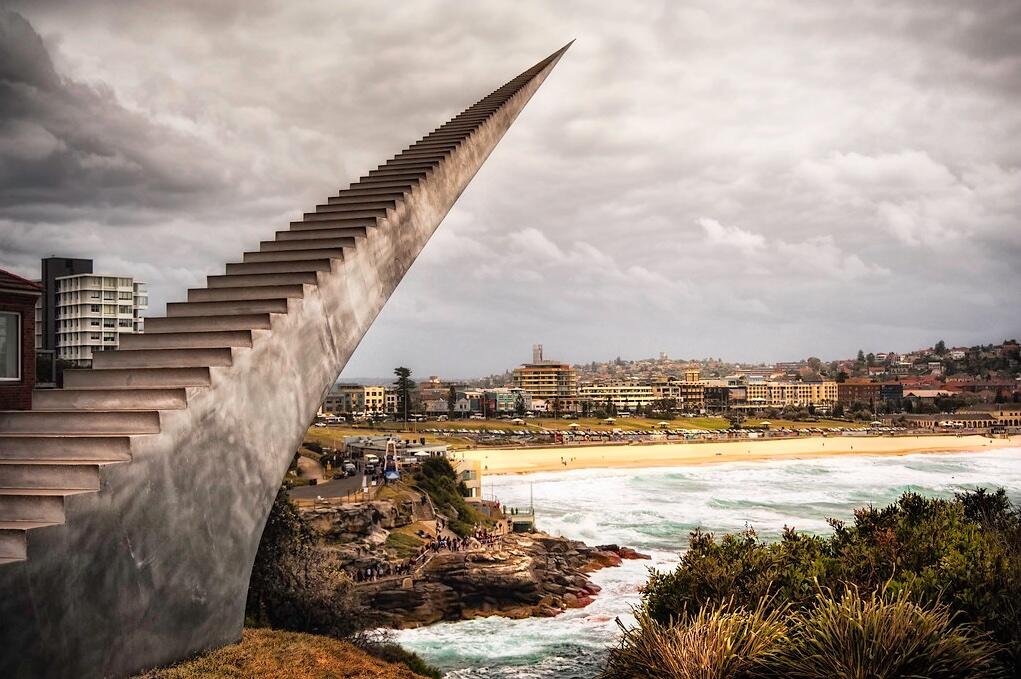
2. The hills of Tuscany look like someone laid a blanket over them 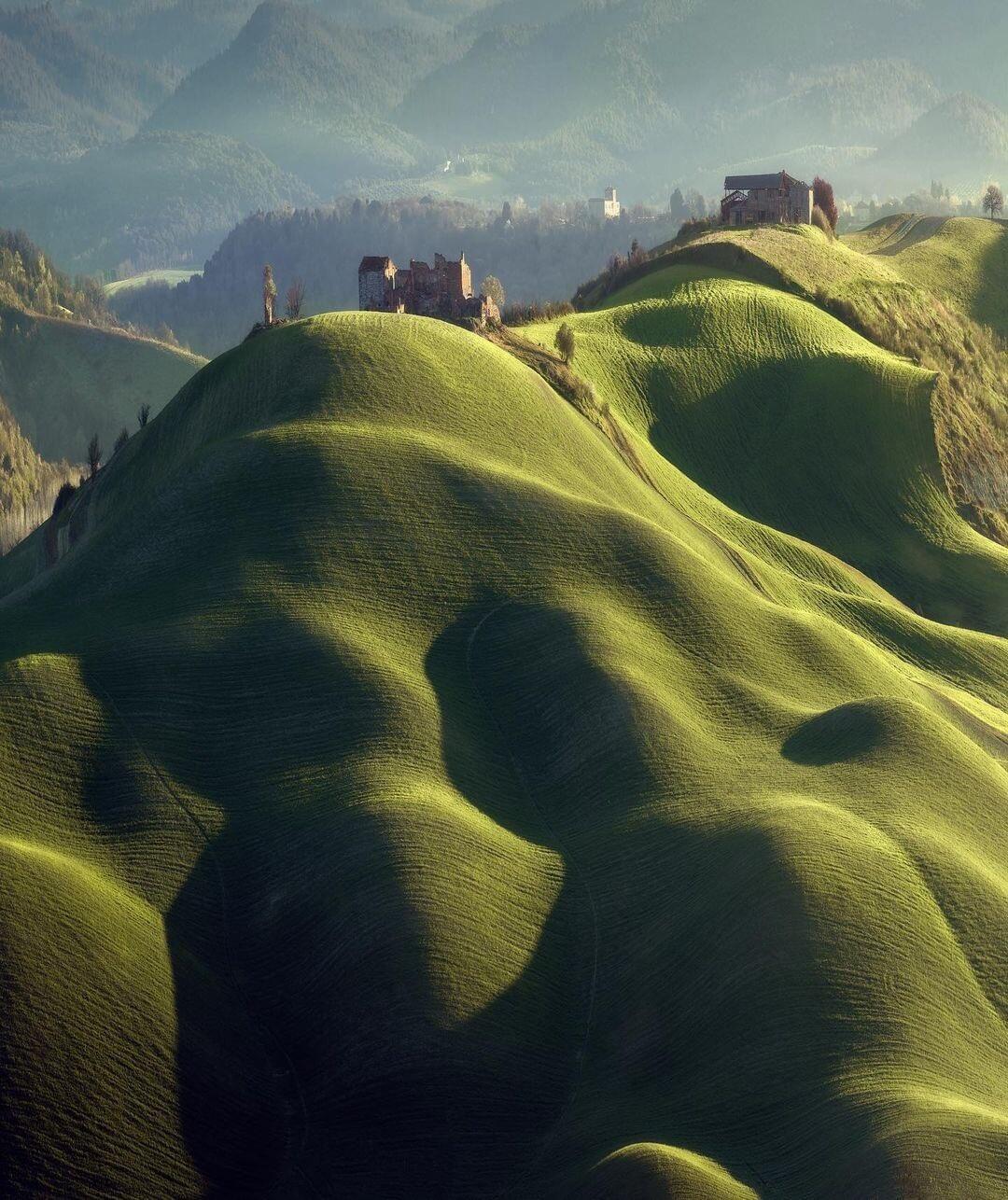
Photos that don't look real but are - thread 🧵
1. Cranberry harvest by Kristina Makeeva 
Part 4/4 - 1988 Nissan R31 Skyline: A study of light.
An overall view of the dash to finish things off. A big part of the appeal is that everything in this car is made from materials we're all familiar with in the US, but in a completely different arrangement. Add to that the rarity of the R31 in the US and it really does feel like an alternate reality. For these reasons, the Vaporwave music theme just feels so right, as its music and sounds we already know, but in a totally different and new arrangement. https://video.nostr.build/fcaadfa0a3daa025645ead59709f2431a56ef0afbb5c8d0b47d84c7ca2c5010d.mp4
Part 3/4 - 1988 Nissan R31 Skyline: A study of light.
You know a vintage head unit is gonna be good when it has "999" in the name (see also: Kenwood KRC-999). This Carrozzeria (an Italian) sounding Japanese portmanteau for "car stereo" and manufactured by Pioneer) FH-P999MDR was the top model retailing for over $900 in 2001 and is like nothing ever sold in the US.
In addition to several useful audio effects and DSP settings to make nearly any speakers sound amazing, its big feature was the ability to record MiniDiscs from either the radio or your CDs, effectively letting you create your own mixtapes on-the-go. In addition, it was one of the earliest aftermarket iterations of speed-dependent volume, which Pioneer called Automatic Sound Levelizer.
Using a sensor to detect cabin noise, the music volume is automatically compensated.
The large screen is actually 3 separate OLED displays each with their own color and purpose.
Thanks to Apple's foresight when developing the original iPod, the original Pioneer iPod adapter still works with brand new iPhones over 20 years later to control music and display song titles directly on the head unit.
Although not quite period correct, the design philosophy and color selection just feel so at home in this car. https://video.nostr.build/7169068b16b57bf1945abd04521ac103b8386d3140c2701b4f9880c06c47cafe.mp4
Part 2/4 - 1988 Nissan R31 Skyline: A study of light.
Although first shown in 1981 on the Audi Quartz concept car, 1987 was the first year the world saw projector headlights on a production car. The BMW E32 gets all the credit for being first and the R31 was right there with it. The first American car with projectors didn't show up until 2002 with the Yukon XL Denali. https://video.nostr.build/14e5a7fd13ee084b1aa4615496b374a626b1b956e1bad27a56e7865dda3e5bfe.mp4
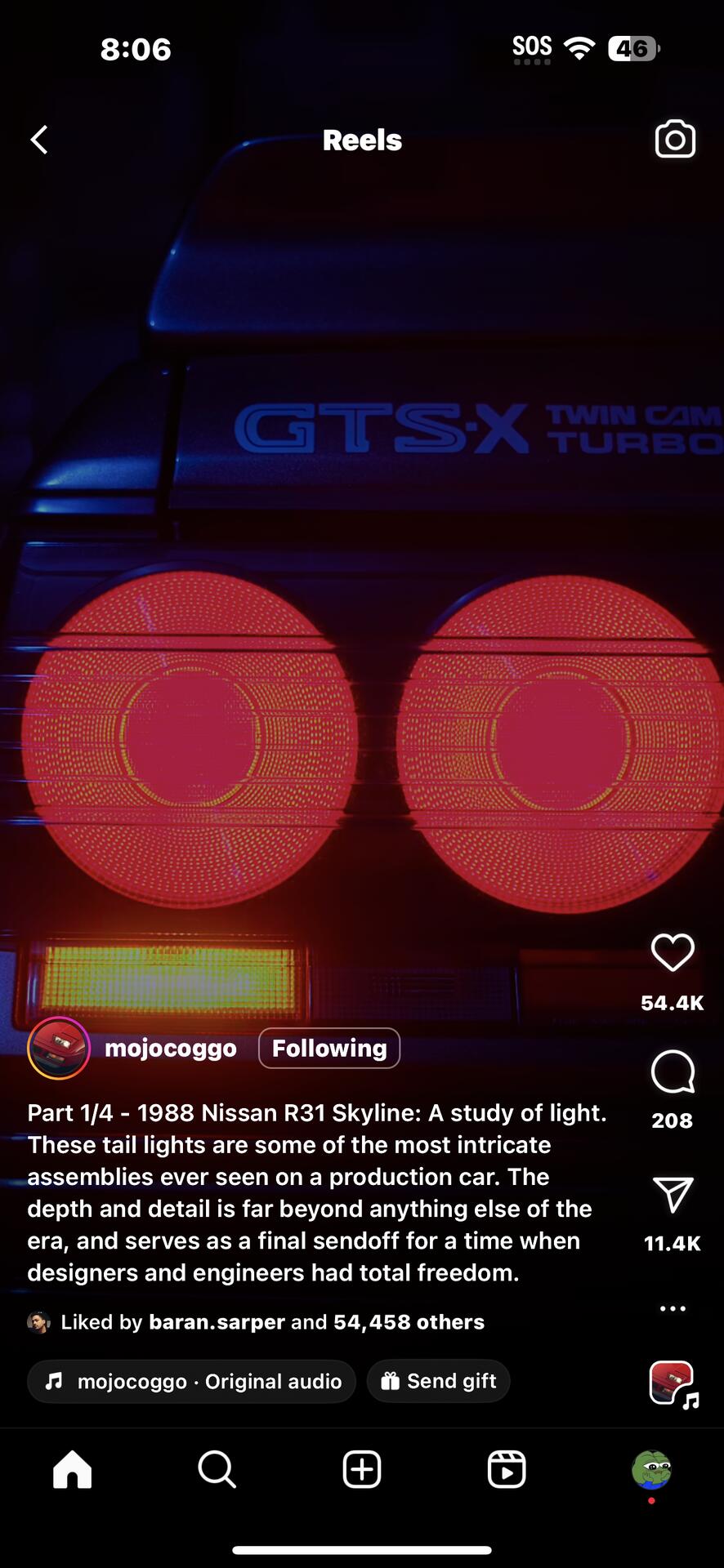
Part 1/4 - 1988 Nissan R31 Skyline: A study of light.
These tail lights are some of the most intricate assemblies ever seen on a production car. The depth and detail is far beyond anything else of the era, and serves as a final sendoff for a time when designers and engineers had total freedom. https://video.nostr.build/99cfff2e4282951e237e116c402a2d78e554bd0d7aca2efcad8e19eaf51ae334.mp4
first mistake ever LOL
*don’t look at this please*
Part 1/4 - 1988 Nissan R31 Skyline: A study of light.
These tail lights are some of the most intricate assemblies ever seen on a production car. The depth and detail is far beyond anything else of the era, and serves as a final sendoff for a time when designers and engineers had total freedom.