
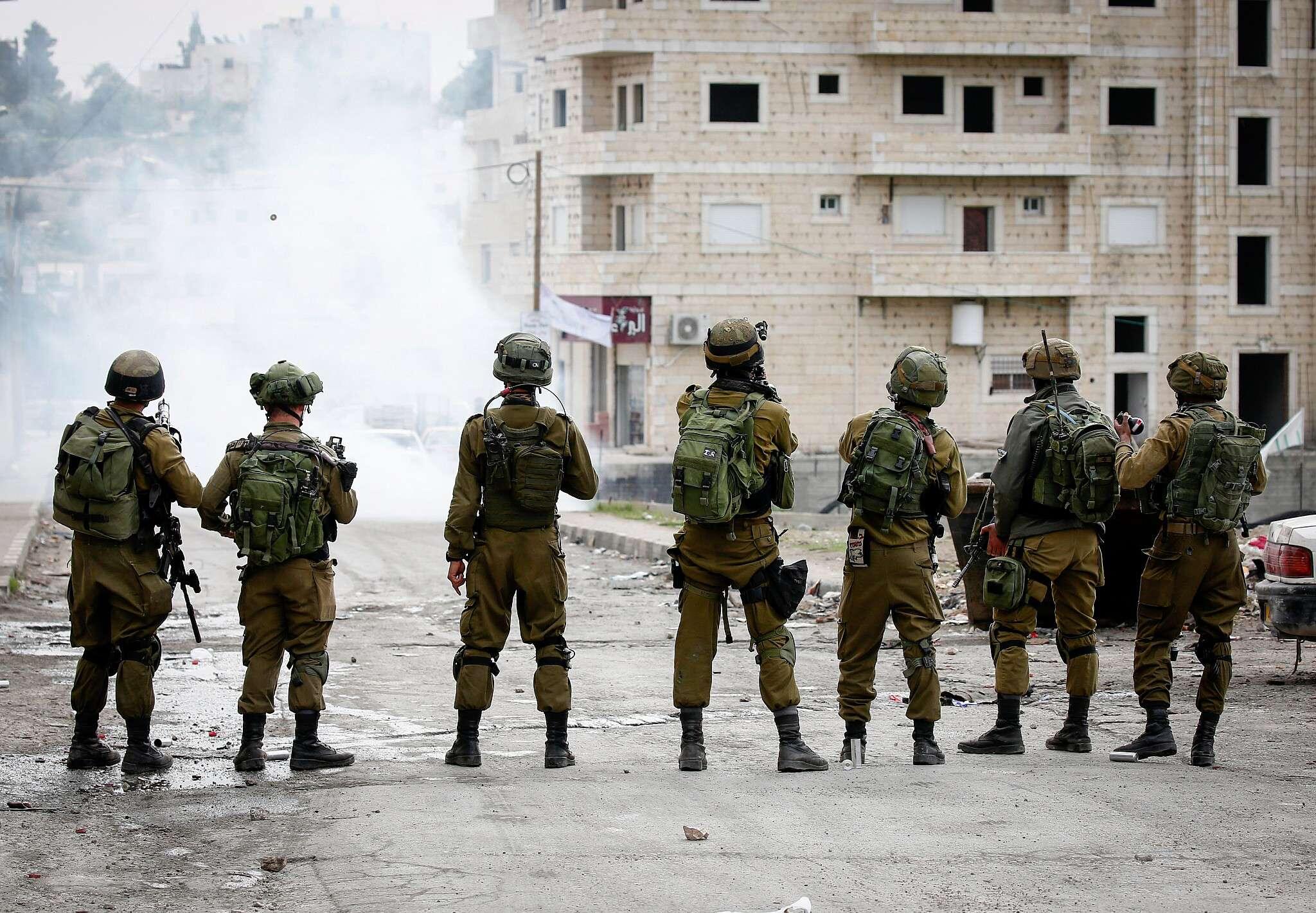
Recent reports on the Israel Defense Forces (IDF) highlight a series of alleged abuses and violations of international humanitarian law, particularly in the context of the ongoing conflict in Gaza. Here are some of the worst examples:
1. **Airstrikes in Civilian Areas**: IDF airstrikes have reportedly led to significant civilian casualties in densely populated areas of Gaza, raising concerns about the proportionality of their attacks.
2. **Attacks on Hospitals and Schools**: There have been accusations of IDF operations targeting or damaging hospitals and schools, which are protected under international law.
3. **Use of Live Ammunition Against Protesters**: Reports indicate that IDF forces have employed live ammunition against Palestinian protesters, resulting in numerous injuries and fatalities.
4. **Detention and Abuse of Palestinians**: An ongoing investigation involves eight IDF soldiers accused of abusing Palestinian detainees, highlighting issues of mistreatment during detention.
5. **Restrictions on Humanitarian Aid**: The IDF has faced criticism for imposing severe restrictions on humanitarian access to Gaza, exacerbating the already dire humanitarian crisis.
6. **Use of Heavy Weaponry in Urban Areas**: The IDF has been criticized for utilizing heavy weaponry, including artillery and airstrikes, in urban areas, leading to extensive destruction and civilian harm.
7. **Killings of Children**: The UN recently included IDF actions in a report that documented grave violations against children in conflict zones, including killings attributed to the military.
8. **Violations of Ceasefires**: Allegations have emerged regarding the IDF's breach of ceasefire agreements, complicating efforts for peace and increasing tensions.
These points reflect ongoing issues that have drawn international scrutiny, and calls for accountability and adherence to international law are intensifying as the conflict continues.
#freespeech #authoritarianism #history #pause #reflect #bitcoin #nostr #anarchyⒶ


**Title: "The COVID-19 Psyop: How the Pandemic Was Used to Manipulate and Control Society"**
The COVID-19 pandemic was not merely a public health crisis—it was a well-coordinated psychological operation, a deliberate campaign designed to instill fear, control behavior, and condition people to accept a new level of surveillance and compliance. Far from a spontaneous response to an unexpected virus, the events surrounding COVID-19 revealed a ruthless playbook for controlling populations on a global scale. Lockdowns, relentless media coverage, censorship of dissent, and mandatory vaccinations were all tools used to reshape society, tighten the grip of government and corporate powers, and redefine freedom itself.
### 1. **Weaponizing Fear to Manipulate the Masses**
From the start, fear was the chosen instrument of control. Governments and media outlets worked together to create a constant stream of alarmist reports, sensationalizing infection rates, and filling the airwaves with images of overwhelmed hospitals. By selectively emphasizing worst-case scenarios, they manipulated the public into a state of anxiety that drove people to accept measures that would have been unimaginable under normal circumstances. Statistics were stripped of context, and even mild dissent was crushed, reinforcing a single narrative of unrelenting danger.
This engineered fear was essential to getting the public to comply with extreme restrictions on freedom. People in a state of panic are less likely to question authority and more willing to surrender their rights. The relentless media campaign to keep the public in a state of terror enabled authorities to impose sweeping mandates with minimal resistance, turning individuals into compliant subjects under the guise of “safety.”
### 2. **Lockdowns as a Deliberate Test of Control**
The lockdowns imposed during COVID-19 were not simply about “flattening the curve” or protecting health; they were a calculated exercise in behavioral control. For the first time in modern history, people were told to remain indoors, restricted from visiting friends and family, and barred from work and education. Small businesses were decimated while large corporations like Amazon and Walmart flourished, deepening society’s reliance on monopolistic giants.
These lockdowns were carefully designed to see how much personal autonomy people would sacrifice when told it was “for their own good.” The psychological effect of extended confinement, economic hardship, and isolation conditioned people to accept an authoritarian approach to “public safety.” The outcome was a world where lockdowns became a new tool in the arsenal of control—a precedent that governments can and will invoke for future crises, whenever they see fit.
### 3. **Vaccinations as a Tool for Surveillance and Segmentation**
The COVID-19 vaccination effort was not just about health; it was an opportunity to introduce new forms of social control. Vaccination passports, mandatory workplace vaccines, and QR code requirements were designed to divide society, separating those who complied from those who resisted. Vaccination became a mechanism of segregation, a way to stratify society based on obedience.
The true intent was to lay the groundwork for a future where surveillance technology could track and control individuals. Through QR codes and digital vaccination records, the population was introduced to a new level of surveillance—where access to social spaces, employment, and even travel could be contingent on compliance. This practice didn’t end with COVID-19 but set the stage for a more closely monitored society, with health status just one of many potential “reasons” for surveillance in the future.
### 4. **Big Tech and Media as Enforcers of the Official Narrative**
Big Tech and the media became active agents in enforcing the COVID-19 psyop, silencing voices of dissent and ensuring a controlled narrative reached the public. Censorship intensified as platforms like Facebook, Twitter, and YouTube banned or flagged any information that deviated from the official stance on COVID-19. Public health messaging became the only “approved” perspective, and those who questioned lockdowns, treatments, or vaccines were labeled as peddlers of “misinformation” or “dangerous conspiracies.”
This coordinated censorship was essential to controlling the narrative, erasing alternative viewpoints, and eliminating any public debate. Mainstream media and Big Tech acted as gatekeepers, filtering out dissent and reinforcing compliance. This was not a spontaneous effort to prevent misinformation but a deliberate tactic to protect a single, state-sanctioned narrative from scrutiny, ensuring that fear and obedience remained the dominant public mindset.
### 5. **Social Conditioning and the Erosion of Individual Autonomy**
Masks, social distancing, and relentless reminders of COVID-19 protocols became more than health measures—they were instruments of psychological conditioning. By integrating these practices into everyday life, governments effectively introduced a new norm: personal freedom and autonomy are secondary to collective compliance. This constant reinforcement trained people to follow arbitrary rules without question, normalizing obedience as part of everyday behavior.
This conditioning laid the groundwork for a future where individual autonomy could be permanently compromised. The pandemic didn’t just instill a fear of disease; it conditioned people to accept that their freedoms could be withdrawn at any moment, for any reason deemed “necessary.” COVID-19 protocols were a dry run for a society in which obedience is expected, and individuality is gradually replaced by collective submission.
### 6. **Economic Devastation to Deepen Dependence on State and Corporate Powers**
As small businesses collapsed, millions found themselves jobless, struggling, and increasingly dependent on government aid. Meanwhile, multinational corporations thrived, cementing their positions in the market. The economic fallout wasn’t just a byproduct of the pandemic—it was a calculated outcome intended to consolidate wealth and power in the hands of the few. By crippling small businesses and dismantling the independence of the middle class, the pandemic served to deepen people’s reliance on state and corporate structures.
This economic shift has lasting consequences, creating a society where options are limited, and livelihoods are increasingly at the mercy of powerful institutions. Economic destruction, in this context, was a tool for subjugation, weakening individual independence and replacing it with a society where people are more dependent, vulnerable, and easier to control.
### **Conclusion: COVID-19 as the Blueprint for a New Era of Control**
The COVID-19 pandemic psyop has shown how fear, censorship, and enforced compliance can be used to reshape society. It set a terrifying precedent for a world where health crises—or any crises—can be used as justifications for suspending freedoms, stifling dissent, and enforcing obedience. The real legacy of COVID-19 is not a new understanding of viruses or vaccines but a disturbing model for controlling populations through psychological manipulation, economic dependency, and surveillance.
The COVID-19 psyop demonstrated that, under the right conditions, populations can be made to surrender rights, sacrifice freedoms, and accept unprecedented levels of control. This operation did not end with COVID-19; it is a blueprint for future manipulation. Health, security, and social responsibility have become tools for controlling not only the actions of individuals but the very fabric of society.
#covid #hoax #psyop #authoritarianism #history #freespeech #bitcoin #nostr #anarchyⒶ #decentralisation #freedomtech


Kamala’s Role In The Narcotics Trade In California
https://www.youtube.com/watch?v=efIQhKFIBAs
#electiions #bitcoin #nostr #anarchyⒶ
Record-Breaking 3% Bitcoin Investment By UK’s Cartwright Fund: Largest BTC Allocation To Date
#bitcoin #nostr #anarchyⒶ #decentralisation #freedomtech
GM

#goodmorning #bitcoin #nostr #anarchyⒶ #decentralisation #freedomtech
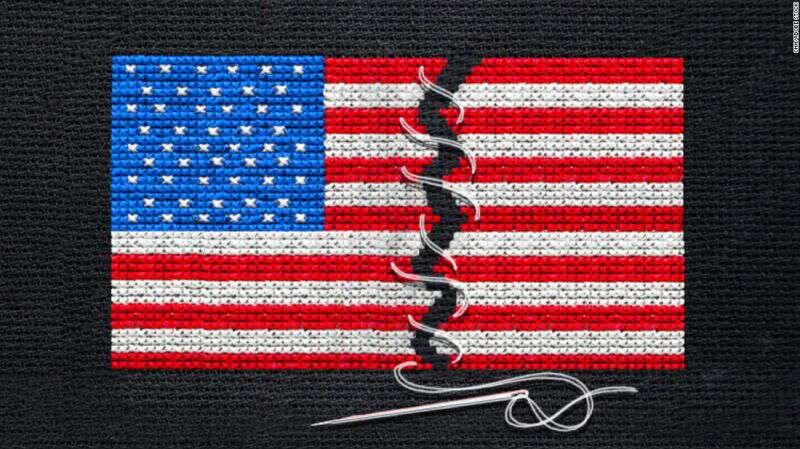
**The U.S. Global Influence: Military Empire or Protector of "Democracy"?**
The United States claims to champion democracy and human rights, but its global military presence and interventions tell a different story. The question we need to ask is this: is America actually defending freedom, or is it systematically destabilizing countries that refuse to fall in line with its agenda?
**Middle East**: The U.S. says it's in Iraq and Syria to "fight ISIS" and promote stability, yet American bombs and bases remain long after ISIS's collapse. Is this about helping people, or about securing control over resources and maintaining dominance in the region?
**Yemen**: The U.S. supports a devastating Saudi-led assault on Yemen, fueling one of the worst humanitarian crises in the world. Washington claims this is a stand against Iranian influence, but in reality, America’s weapons and support are backing a brutal blockade that has left millions on the brink of starvation. Is this about freedom—or submission?
**Africa**: In Somalia and the Sahel, U.S. operations keep a close grip on regions rich in natural resources under the guise of fighting terrorism. Al-Shabaab and other groups continue to thrive despite years of U.S. "help." So, are these interventions about ending terrorism, or ensuring U.S. control over Africa's resources and politics?
**Latin America**: Venezuela, Cuba, Nicaragua—if a country elects leaders Washington doesn’t like, it faces crippling sanctions, covert operations, and support for opposition groups. The U.S. has choked Venezuela’s economy, punishing ordinary people in the name of “democracy.” Is the U.S. a defender of self-determination, or does it crush governments that don’t bow to its interests?
**Asia**: America waves the flag of freedom in the South China Sea and at North Korea’s doorstep. But is this about protecting allies or drawing “enemy” lines to control Asia’s future? In reality, the U.S. is trying to encircle China, securing its dominance and military bases rather than respecting other nations’ sovereignty.
**Eastern Europe**: Billions of dollars in military aid are flowing to Ukraine. While Washington claims to stand for Ukraine’s sovereignty, this involvement fuels a dangerous proxy war with Russia, pushing the world closer to the brink. Are we defending a nation’s freedom, or dragging it into a superpower conflict with no concern for its future?
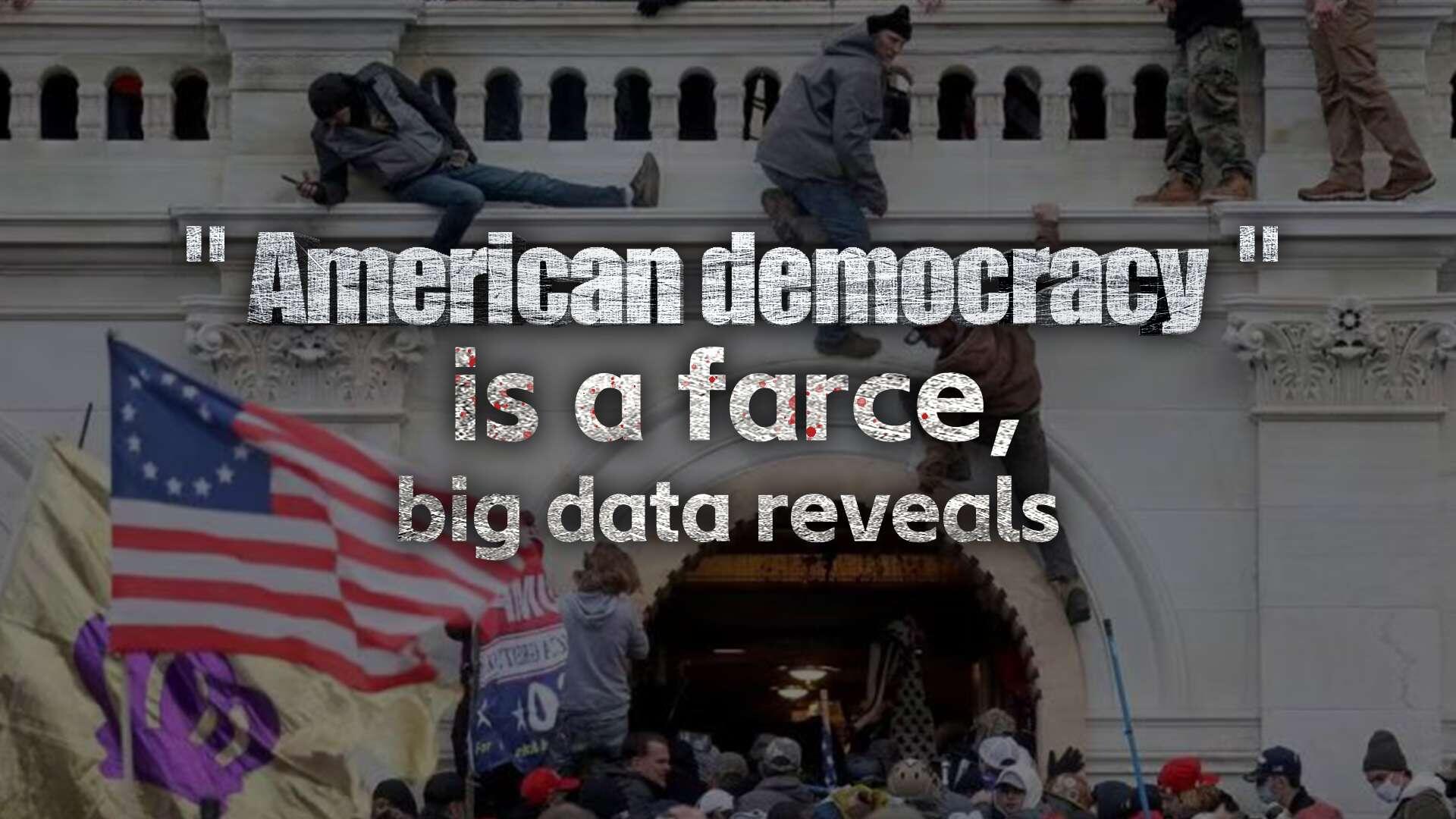
Is the U.S. a benevolent defender of democracy, or an empire seeking control over any country that doesn’t align with its interests? Every conflict zone, every intervention, every sanctioned country begs this question. For a nation that preaches peace, America’s militarized foreign policy suggests that “freedom” is defined by submission to its global influence.
#democracy #war #authoritarianism #history #freespeech #bitcoin #nostr #anarchyⒶ

**Comparing Obama and Trump on Military Involvement**
- **Obama (2009-2017)**: Focused on reducing U.S. troop levels but expanded drone warfare and special operations. Pulled most troops out of Iraq but returned to fight ISIS. Intervened in Libya, backed Syrian rebels, and provided support in Yemen. His administration heavily used drones in Pakistan, Yemen, and Somalia.
- **Trump (2017-2021)**: Continued many Obama-era conflicts but aimed to reduce troop commitments. Increased airstrikes on ISIS, escalated tensions with Iran by targeting General Soleimani, and intensified operations in Somalia. Followed an “America First” approach, prioritizing targeted actions over large deployments.
**In Short**: Both administrations were involved in similar conflicts but differed in strategy—Obama relied on coalitions and drones, while Trump reduced troops and used more aggressive, targeted strikes.
#freespeech #history #authoritarianism #bitcoin #nostr #anarchyⒶ
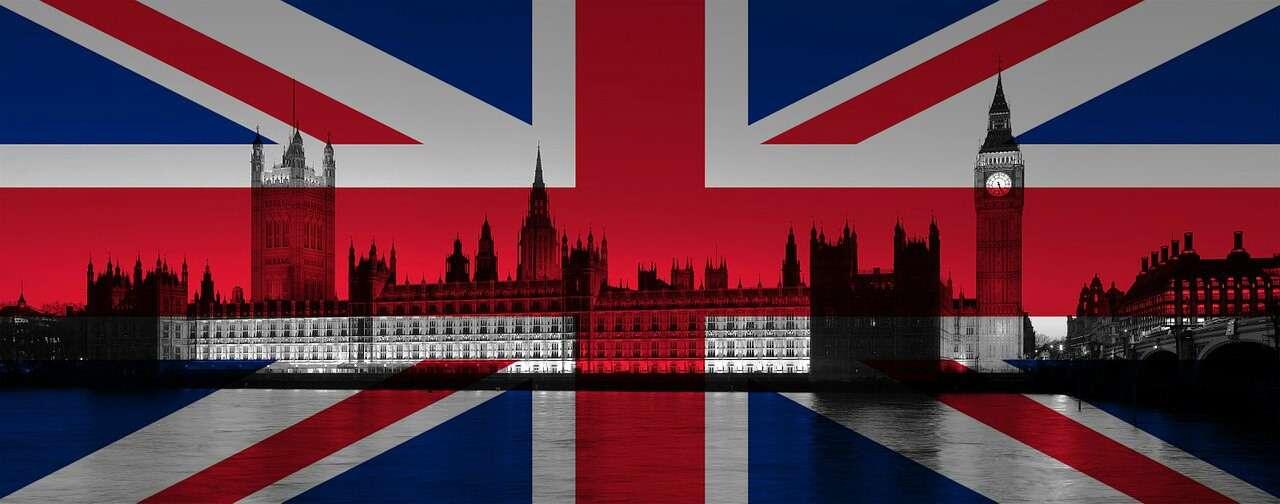
In the UK, many political observers argue that both Labour and the Conservative Party have drifted toward authoritarian and technocratic policies, making them appear increasingly aligned in their governance approaches. This perception of a "uniparty" structure is reinforced by policies that target protest rights, restrict civil liberties, and impose stricter controls on public expression—moves seen as threats to traditional democratic freedoms.
Labour, once a champion of civil liberties, has shifted in recent years under Keir Starmer’s leadership to support more conservative, authoritarian stances on issues like national security and law enforcement. This is seen in Starmer’s endorsement of legislation that restricts protest rights and imposes harsher penalties on activists, aligning Labour with the Conservatives on matters of public order. For example, the Police, Crime, Sentencing, and Courts Act, introduced by the Tories, restricts protests that are deemed “noisy” or disruptive, even if peaceful. Labour’s limited opposition to such measures signals a shift in political priorities, where maintaining control over public dissent and minimizing disruptions is now bipartisan. This has been a marked change from Labour’s historical advocacy for protest rights and civil liberties, signaling a move toward a more authoritarian governance style shared across major parties.
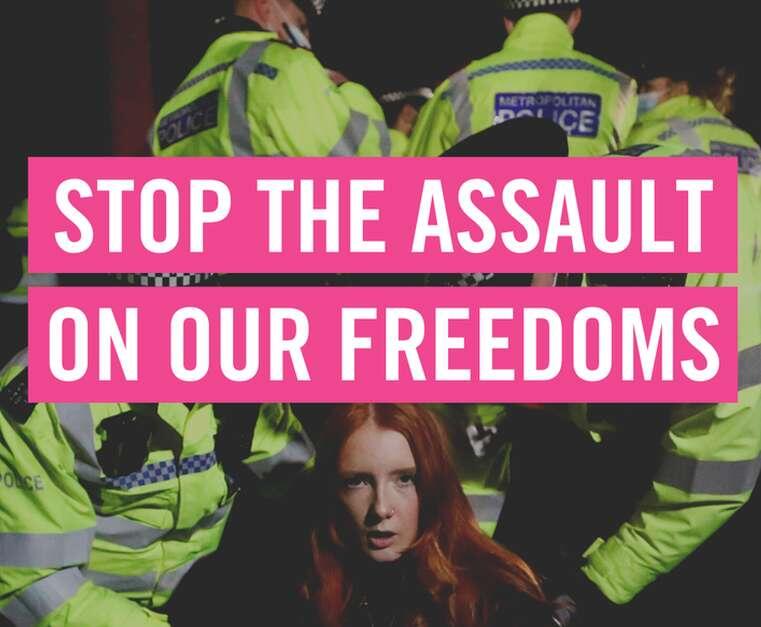
Moreover, Labour’s approach to international forums like the World Economic Forum reflects alignment with global technocratic trends, emphasizing efficiency and top-down policy rather than broad-based public participation. This adherence to international frameworks often translates into policies that align with Conservative stances, further diluting the ideological distinctions between the two. Critics from across the political spectrum see this convergence as undermining true democratic choice, as both parties increasingly cater to a narrow, centralized governance model that restricts grassroots influence.
These developments mirror trends in other Western democracies, where surveillance, policing, and protest restrictions are on the rise. Observers argue that the trend toward "totalitarianism-lite" in the UK is part of a broader Western pattern, where governments prioritize control and stability over pluralism and public input. This governance style appeals to elites who benefit from stability and predictability but often comes at the expense of grassroots democracy and civil liberties, pushing societies toward more managed and less participatory forms of democracy.
Sources:
- UnHerd explores the ideological similarities between the two parties as part of a "uniparty" framework where both Labour and the Conservatives support technocratic policies and global alignment.
- New Internationalist and The London Economic highlight recent UK policies as part of a wider authoritarian drift, focusing on restrictions on protest rights and the increased criminalization of dissent.
#freespeech #history #authoritarianism #bitcoin #nostr #anarchyⒶ

#bitcoin #nostr #anarchyⒶ #decentralisation #freedomtech
Crypto Twitter is in Crisis and No One is Talking About It
https://www.youtube.com/watch?v=7wm8mmhuGUs
#bitcoin #nostr #anarchyⒶ #decentralisation #freedomtech
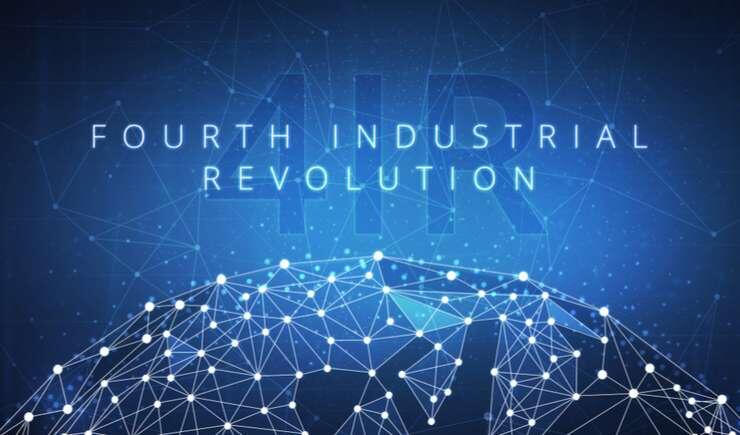
The Fourth Industrial Revolution presents a façade of progress, yet beneath this surface lies a critical and troubling reality that deserves scrutiny. Here’s a sharp critique of its darker aspects:
1. **Cybersecurity Risks**: The promise of connectivity comes with a perilous vulnerability. As industries integrate more IoT devices and digital infrastructures, they expose themselves to severe cybersecurity threats. These vulnerabilities are not merely technical flaws; they represent systemic weaknesses in how businesses are structured and managed. Companies face not only financial losses but also existential risks that could disrupt entire economies if critical infrastructure is compromised .
2. **Widespread Job Displacement**: Automation is often celebrated for its efficiency, but it simultaneously serves as a weapon of mass displacement. As robots and AI take over tasks previously performed by humans, we face a stark reality: millions of jobs are at risk. The narrative around retraining and upskilling is overly optimistic; many workers will simply be left behind, exacerbating economic divides and fueling social unrest 【9†source】. The implication is clear: this revolution could create a class of permanently unemployed individuals while enhancing the wealth of those who control the technology.
3. **Failure of Educational Systems**: The current educational framework is ill-equipped to handle the demands of this new industrial landscape. A significant skills gap exists, with many graduates entering the workforce lacking the necessary competencies in technology and critical thinking【9†source】【10†source】. This disconnect not only hinders personal progress but threatens broader economic stability as industries struggle to find qualified candidates. Without significant reform in education that aligns with industry needs, we risk creating an unprepared workforce .
4. **Environmental Impact**: While technological advancement has the potential to promote sustainability, the reality is often the opposite. Increased production demands and the pursuit of profit lead to greater resource depletion and environmental degradation . The push for efficiency in manufacturing can result in unsustainable practices that threaten ecological balance, showcasing a hypocrisy where the same technologies meant to mitigate climate change exacerbate it instead【9†source】.
5. **Deepening Inequality**: The Fourth Industrial Revolution is a catalyst for inequality, concentrating wealth and power in the hands of a few while leaving vast swathes of the population without access to the benefits of technological progress. As large corporations leverage advanced technologies to gain market dominance, smaller enterprises and marginalized communities are pushed aside 【10†source】. This dynamic reinforces systemic inequities and creates a future where the rich get richer, and the poor are left to fend for themselves.
In conclusion, the Fourth Industrial Revolution is not merely an era of technological advancement; it is a critical juncture that challenges our societal values and priorities. To navigate its darker side, we must confront these systemic issues head-on, advocating for a transformation that prioritizes equitable access to technology, robust cybersecurity, environmental sustainability, and a reimagined educational framework.
### References
1. [Frontiers in Big Data - Cybersecurity Threats](https://www.frontiersin.org/articles/10.3389/fbdata.2023.00001/full) .
2. [StartUs Insights - Job Displacement and Automation](https://www.startusinsights.com/industry-reports/fourth-industrial-revolution/) .
3. [Research in Social Sciences and Technology - Skills Gap](https://www.ressat.org/index.php/ressat/article/view/31) .
4. [McKinsey & Company - Educational Failures in 2024](https://www.mckinsey.com/business-functions/education/our-insights/the-educational-system)【9†source】.
5. [World Economic Forum - Environmental Challenges](https://www.weforum.org/agenda/2024/02/environmental-impacts-fourth-industrial-revolution/)【10†source】.
#bitcoin #nostr #anarchyⒶ #decentralisation #freedomtech
#freespeech #history #democracy #myth #pause #reflect #bitcoin #nostr #anarchyⒶ
ISRAELI INTERFERENCE IN US ELECTIONS
https://www.rt.com/shows/going-underground/606940-bamford-us-election-israel-impact/
#freespeech #elections #goingunderground #rt #bitcoin #nostr #anarchyⒶ
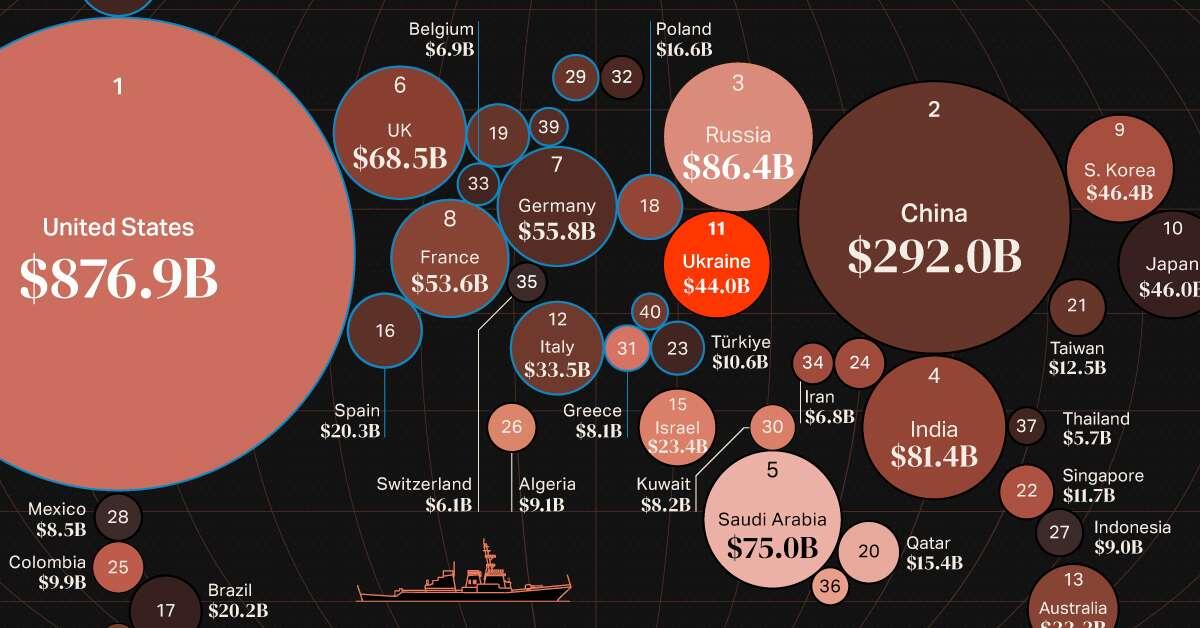
Imagine...
If the U.S. were to abandon overseas military engagements and redirect those resources to domestic initiatives while embracing Bitcoin, the consequences would be radical and transformative:
### Economic Implications
- **Massive Budget Shift:** Redirecting over $700 billion from defense spending could revitalize crumbling infrastructure, healthcare, and education, creating urgent job opportunities in neglected communities.
- **Dismantling the Banking System:** Integrating Bitcoin would empower individuals to bypass traditional financial institutions, reclaiming control over their wealth and fostering financial independence.
### Social Implications
- **Revolutionizing Public Services:** Increased investments could ensure universal access to healthcare and education, fundamentally improving quality of life.
- **Empowering the Disenfranchised:** Bitcoin could offer financial liberation, especially for marginalized groups, fueling grassroots movements and social change.
### Political Implications
- **Disruption of the Status Quo:** This shift would challenge entrenched political interests, forcing a reevaluation of priorities toward the needs of the populace.
- **Reassessing Global Engagement:** A move away from military power would require the U.S. to engage globally through economic and technological means rather than military force.
### National Security Considerations
- **Focusing on Modern Threats:** National security strategies would need to prioritize cybersecurity and domestic safety over outdated military doctrines.
- **Navigating Geopolitical Instability:** Reduced military presence could create power vacuums, requiring diplomatic finesse rather than intervention.
### Environmental and Technological Advancements
- **Sustainability Revolution:** Redirecting funds to renewable energy and environmental restoration could address the climate crisis and promote sustainability.
- **Prioritizing Innovation:** Investing in research and development would be essential for maintaining global competitiveness and fostering a culture of innovation.
In summary, this radical shift away from military spending in favor of domestic investment and Bitcoin integration could lead to a more equitable, empowered, and sustainable society. It would challenge entrenched interests, demand bold action, and redefine U.S. leadership in the world.
#freespeech #history #authoritarianism #bitcoin #nostr #anarchyⒶ #decentralisation #freedomtech
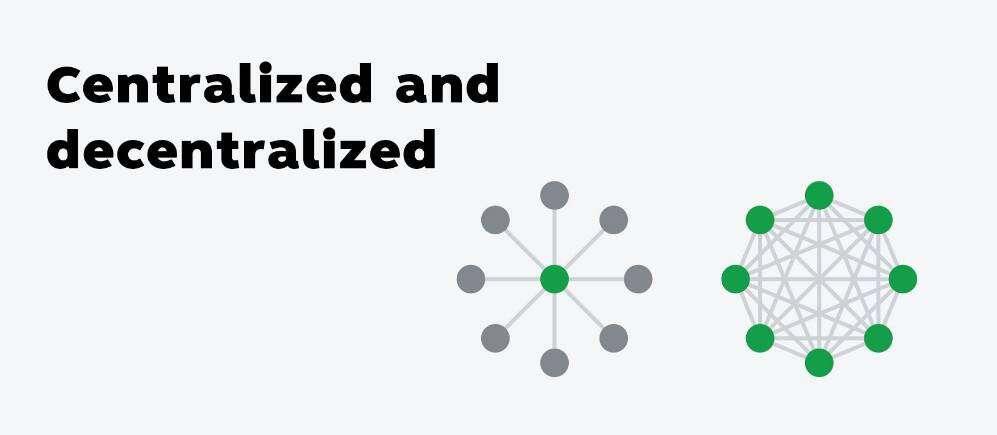
“Dissolve and Decentralize”
There’s a growing movement that shares the perspective, advocating for the dissolution or radical reform of **elite organizations like the WEF, Bilderberg, and others** that influence global policies and economics. Many people believe these groups operate outside the public interest and perpetuate top-down approaches that fail to address the concerns and needs of everyday citizens. Here’s why some argue for dissolving or decentralizing such organizations:
1. **Unelected Influence**: These organizations gather powerful, unelected figures from business, government, and media who have significant sway over global agendas. Critics argue that this influence isn’t checked by public accountability and that it bypasses democratic processes, concentrating decision-making in the hands of a few.
2. **Transparency and Trust Issues**: Even as groups like the WEF have become more transparent, releasing agendas and livestreaming discussions, many still perceive these forums as opaque. Trust in institutions is eroding worldwide, and the public is increasingly skeptical of gatherings that aren’t fully accountable or representative of a broader population.
3. **Top-Down Solutions vs. Grassroots Needs**: Organizations like these are often criticized for promoting solutions that align more with corporate interests than with those of local communities. There’s a growing call for decentralized, grassroots approaches that empower people at local levels to create policies directly relevant to their lives.
4. **Economic and Social Inequality**: Many believe that elite organizations contribute to policies that exacerbate economic inequality. The argument is that policies promoted in such forums tend to favor large corporations and wealthy stakeholders over small businesses, workers, and communities.
5. **Decentralization as an Alternative**: Decentralization advocates suggest replacing elite-led forums with **decentralized, participatory decision-making platforms**. This could take the form of regional assemblies, citizen-led councils, or digital platforms for direct democracy, where people have a more active role in shaping the policies that affect their lives.
### What Would Decentralization Look Like?
- **Regional and Community-Based Assemblies**: Decentralization could empower local bodies to address issues like economic policy, environmental protection, and social equity directly within their communities.
- **Digital Platforms for Participatory Democracy**: With technology, people could engage directly in decision-making processes through secure digital voting, public consultation, and transparency tools.
- **Global Networks of Local Leaders**: Rather than convening elites, international collaboration could happen among elected local leaders, activists, and community representatives, focusing on solutions that can be tailored to specific contexts.
### Challenges to Decentralization
While decentralization offers promising alternatives, it’s not without challenges. Effective decentralization would require substantial investment in secure technology, as well as strong legal frameworks to ensure fair representation and prevent power imbalances from re-emerging. However, many believe these challenges are worth tackling to create systems that are genuinely aligned with public interest and trust.
In the end, the momentum toward **decentralized governance** reflects a broader desire for fair, transparent, and accountable decision-making, free from elite concentration. The call to “dissolve and decentralize” is a powerful expression of a shift toward more democratized, inclusive systems.
#bitcoin #nostr #anarchyⒶ #decentralisation #freedomtech #decentralization
IT'S TIME TO VOTE...
https://www.youtube.com/watch?v=gWx_aNOQ81M
#bitcoin #nostr #anarchyⒶ #decentralisation #freedomtech
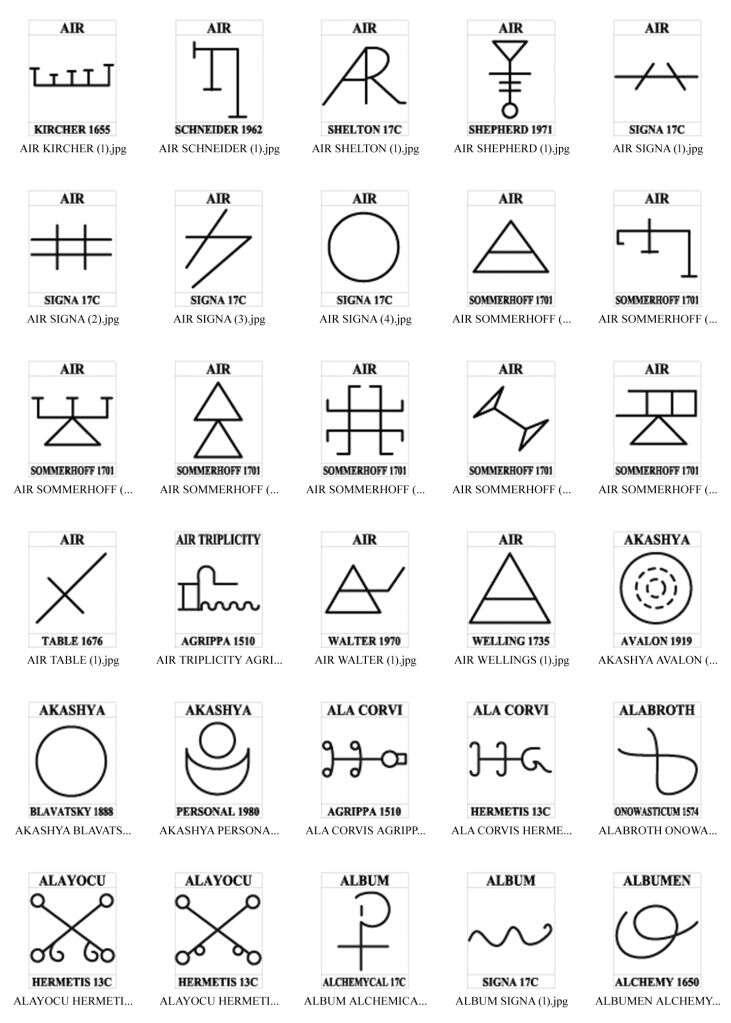
Memes can function similarly to sigils, though with some unique modern twists. In traditional magick, a sigil is a symbol designed to represent and manifest a specific intention or desire. When charged with intent and energy, the sigil becomes a focal point that, in theory, aligns the practitioner's will with the desired outcome. Memes share some striking similarities in how they are created, shared, and "charged" by collective attention, making them a potential medium for modern magickal practices.
How Memes Function as Sigils
Here's how memes can align with the principles of sigil work:
1. Symbolic Language: Like sigils, memes use symbolic language to convey complex ideas or emotions in simplified forms. This symbolic language, often infused with humor, irony, or cultural references, can carry specific vibrations or intentions that resonate with people.
2. Creation and Intent: When creating a meme, the creator often has a specific message or emotional tone in mind. This intention can resemble the way a magician "charges" a sigil with a purpose. If the meme creator aims to shift cultural perceptions or inspire a certain response, the meme can act as a sort of “thoughtform” (a concept in magick where a thought is given a form or energy).
3. Collective Energy and “Charging”: The power of a meme grows as it is shared, liked, or commented on, which can be compared to "charging" in magick. Every share or interaction amplifies the meme’s reach and energy. This collective attention can act as a form of manifestation power, similar to how a sigil becomes potent through focused intention and repetition.
4. Viral Propagation as Ritual: When a meme "goes viral," it spreads through culture, embedding its energy and message into the collective unconscious. This process mirrors how a sigil works its way into the practitioner’s subconscious, releasing the intent into the universe to take root.
5. Impact on the Psyche: Just as sigils work on the subconscious mind, memes also tap into deep psychological triggers. Through repeated exposure, memes can subtly influence people's attitudes, beliefs, or even actions—much like a sigil might subtly guide a practitioner toward their desired goal.
6. Chaos Magick and the Power of Belief: Memes fit well within the framework of chaos magick, where belief is flexible, and intention is often playful and subversive. Many modern practitioners of chaos magick already experiment with memes as sigils, creating and sharing them with the belief that they are influencing reality.
Examples of Memes as Sigils
- Intentional Memes: Some meme creators explicitly set an intention, like manifesting abundance, promoting positivity, or banishing negativity. These memes are often shared within spiritual or magical communities with the understanding that every like or share is helping charge the intent.
- Symbolic Memes with Broader Impact: Certain memes, like Pepe the Frog, have taken on deep symbolic meaning and can function as cultural sigils, affecting the perception and energies of people who encounter them. Although their effect is less controlled than a traditional sigil, their impact on collective consciousness is very real.
Challenges of Memes as Sigils
- Lack of Control: Once a meme is shared, the creator no longer controls its interpretation or usage. While a sigil is often kept private to keep the intent focused, a meme-sigil is open to a chaotic mix of interactions, interpretations, and alterations that may dilute or redirect its energy.
- Potential for Misinterpretation: Memes can quickly be recontextualized or given new meanings, sometimes going viral in ways that the original creator didn't intend. This could lead to unintended consequences, as the collective energy behind the meme may shift unpredictably.
Using Memes as Sigils in Practice
If you’re interested in trying memes as sigils, consider the following approach:
1. Define a Clear Intention: Decide what you want the meme to accomplish, just as you would with a sigil.
2. Create a Visual Representation: Design the meme to reflect this intention, using humor, symbols, and text that support your goal.
3. Release and Charge: Share the meme on social media, asking others to interact with it in ways that amplify its intent. Each like, share, or comment acts as a form of charging.
4. Observe the Outcome: Monitor how the meme is received and how it spreads. Notice any shifts in perception or coincidences that align with your intention.
While memes may not be a traditional sigil form, they are part of an evolving landscape of digital magick where symbols, intent, and collective consciousness intersect. In this sense, they hold significant potential as modern sigils, albeit ones influenced by the dynamics of the internet and social media.
#memes #sigil #bitcoin #nostr #anarchyⒶ #decentralisation #freedomtech #spirituality #pause #reflect