

just as calculators affected people's ability to do math in their head
it seems obvious that this would be true
good morning friends




I zap everybody

the biggest recipient country was Ukraine
they need help, legitimately, to fight off psycho Putin
he is busy canonizing zelensky and creating an enemy that will never die, just so he can stay in [power

it is on Ethereum but once you put it on Bitcoin it would not be

this sounds right




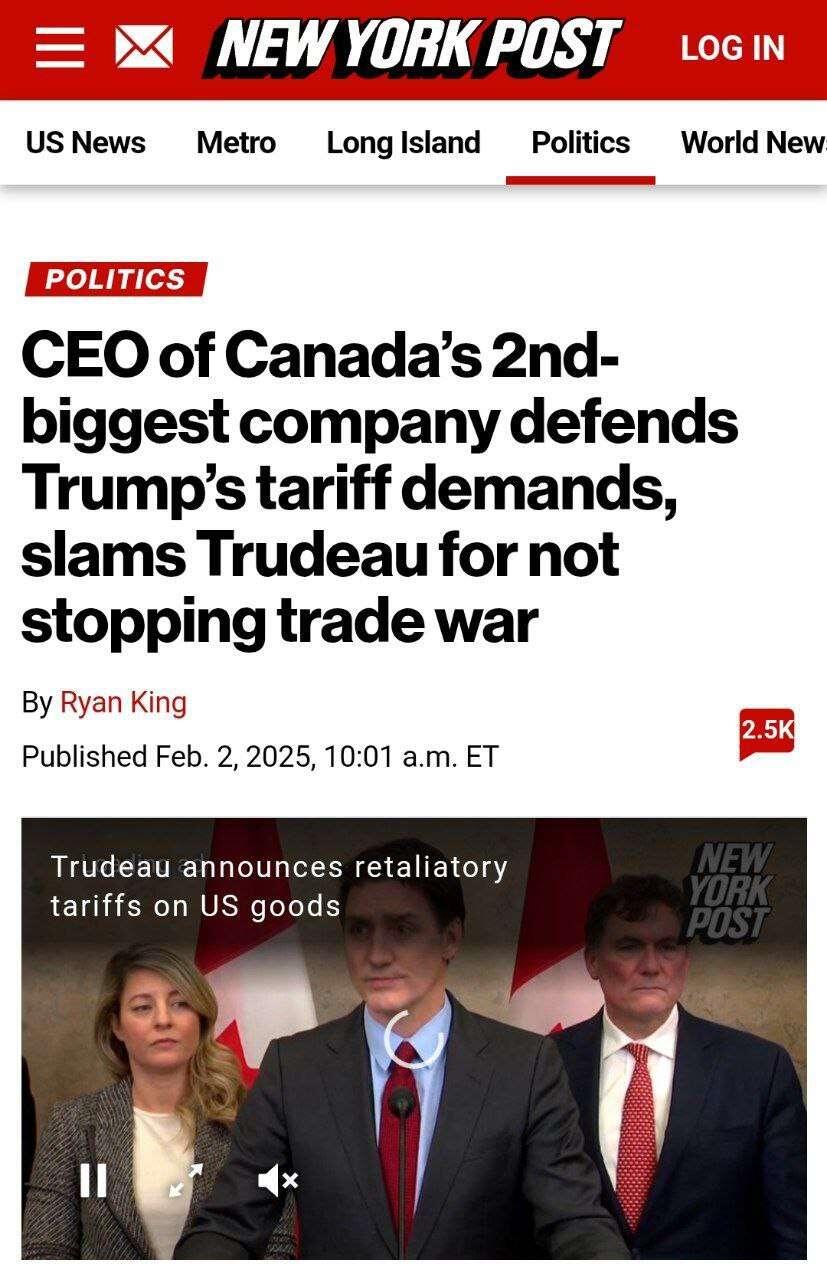
tariffs are taxes
theft
they kill trade and freedom
they care only for their power
not for their people
when fees exceed the dust in your wallet, you'll wish you had consolidated
however you have a good point as well
she's never subtle lol
civilization is born in energy
gm!
civilization is born in energy
As of 2023, the top oil-producing countries and their approximate daily production in million barrels per day (mb/d) are:
1. United States: 21.91 mb/d (22% of global production)
2. Saudi Arabia: 11.13 mb/d (11%)
3. Russia: 10.75 mb/d (11%)
4. Canada: 5.76 mb/d (6%)
5. China: 5.26 mb/d (5%)
6. Iraq: 4.42 mb/d (4%)
7. Brazil: 4.28 mb/d (4%)
8. United Arab Emirates: 4.16 mb/d (4%)
9. Iran: 3.99 mb/d (4%)
10. Kuwait: 2.91 mb/d (3%)
Collectively, these top 10 countries contribute approximately 74.59 mb/d, accounting for 73% of the world's total oil production of 101.81 mb/d in 2023.
Notably, the United States leads by a significant margin, producing nearly double that of Saudi Arabia and Russia. This dominance is largely due to advancements in hydraulic fracturing and horizontal drilling technologies, which have unlocked vast shale oil reserves.
Saudi Arabia and Russia remain key players, each contributing around 11% to global production. Both nations are influential members of OPEC+, a coalition of oil-producing countries that coordinates production levels to manage oil prices.
Canada's position as the fourth-largest producer is bolstered by its oil sands operations, particularly in Alberta. Despite environmental concerns, these reserves play a crucial role in meeting global oil demand.
It's important to note that these figures can fluctuate based on geopolitical events, technological advancements, and policy changes. For instance, in 2024, Russia's oil output decreased by 2.8% due to OPEC+ agreements and Western sanctions related to the Ukraine conflict.
Understanding these dynamics is essential for grasping the complexities of the global energy market.
fees are low
consolidate your sats
3-year-old grandbaby with my friend's dogs... good morning people

what I mean is that with respect to how the new coins mind adds to the supply is half as much every time we go through this 4 year cycle
so anticipating that things are going to change a lot just because the reward goes down makes less sense every time because the reward is already pretty small as a percentage of the total supply