Profile: 5dcd8ebc...

Evil takeover plan:
1. gradually replace reliable electricity with "green" stuff (make a few bucks selling low yield power generation with only 12 years useful life)
2. control power distribution to "help" with the ever more frequent grid failures
3. Build your own mining centers.
4. Cut off power to your opponents.
5. Outlaw decentralized power generation as "unregulated", "dirty", "inefficient", etc

The Israelites initially had an anarchy (rules but no ruler). Actually, their ruler was Jehovah - so no *human* ruler. The book of Judges records how that went over about 400 years. It went pretty much how other attempts went. As long as most people mostly kept the rules, it was great. (Disputes were settled via mutually agreeable judge. ) Capital punishment was public participation (stoning) after guilty verdict at the trial.
But every generation, most people would stop keeping the rules, and then recieved the Divine punishments promised in their contract/constitution. Usually, being conquered and forced to pay tribute to a foreign power got their attention, they would start to repent, and God would raise up a new leader.
Things kind of fell apart at the end over a capital punishment case. The accused was allegedly guilty of rape, murder, and "a man lying with a man as with a woman" (those were the rules their fathers voluntarily agreed to). But the town would not extradite the accused for trial, so 11 tribes sent soldiers to force extradition, but the tribe of Benjamin raised an army to oppose that - and it was full civil war over that extradition case.
Their constitution also provided an option for a constitutional monarchy (king had strict rules he was supposed to abide by). So we see how that sent for the next 490 years. (A few good kings, but mostly very bad ones.)

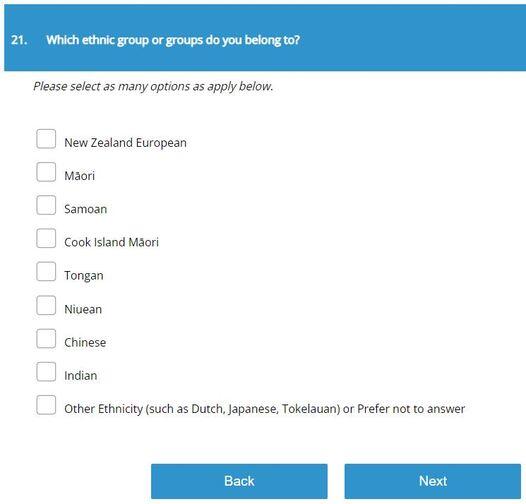
At least they are not asking for "race" (for which I always fill in "human").

It's a good thing you put "crypto" in quotes, to alert me to look for the intended meaning. You apparently meant "blockchains".
For me, "crypto" means the array of symmetric, public key, and hash algorithms that are classified by the US as "munitions" (and thus subject to 2nd amendment protection). These enable signing documents, encrypting documents to a specific pubkey, computing a unique secure handle for a document (ipfs, and other schemes that use hashes in links), authentication without shared secrets (aka passwords), etc, etc
Email, usenet, and other social media developed in the 80s - but it was unauthenticated. It was trivial to spoof a usenet article as a joke.
Email was flexible enough to incorporate various forms of authentication as an add-on. (Ironically, the original authentication of HELO is often misconfigured and rarely checked.) New protocols incorporate authentication as a MUST and various privacy features as options.
So, in my view, the #1 problem crypto solves is authentication. #2 problem is privacy.