where2 #spend #sats #merchants getalby.com/discover or #btcmap .org
#nostr #app #ba24 





exactly and many WALL ST BANK PAID have infiltrated in bitcoin camp n also bitcoinatlantis #BA24 BEST is AVOID them. NEVER promote ETF or hand over ur CORN

anyone who loves FIAT n are FIAT camp like TLSA ticker in their profile not real bitcoiners
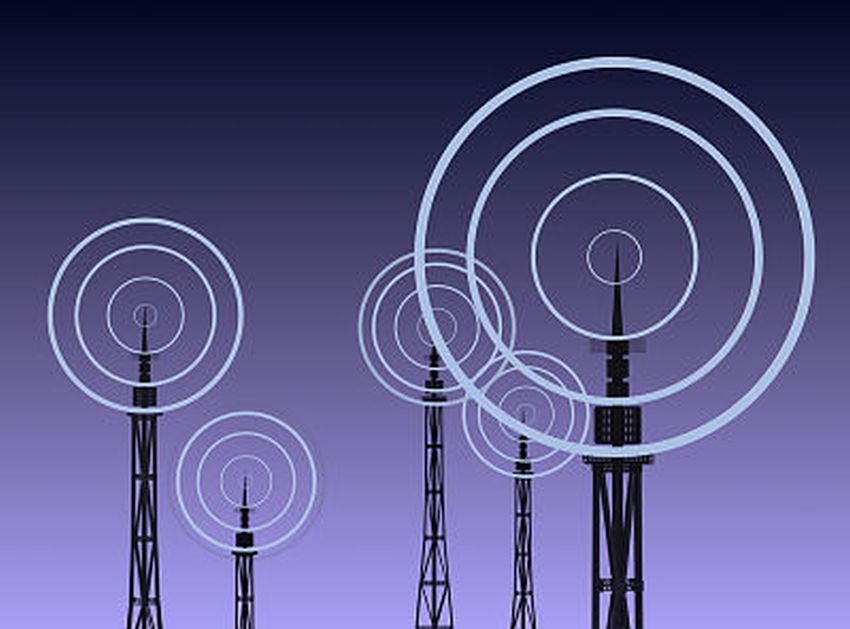
Three Meshtastic nodes are active in Cape Town for off-grid communications during disasters or just to meet your neighbours
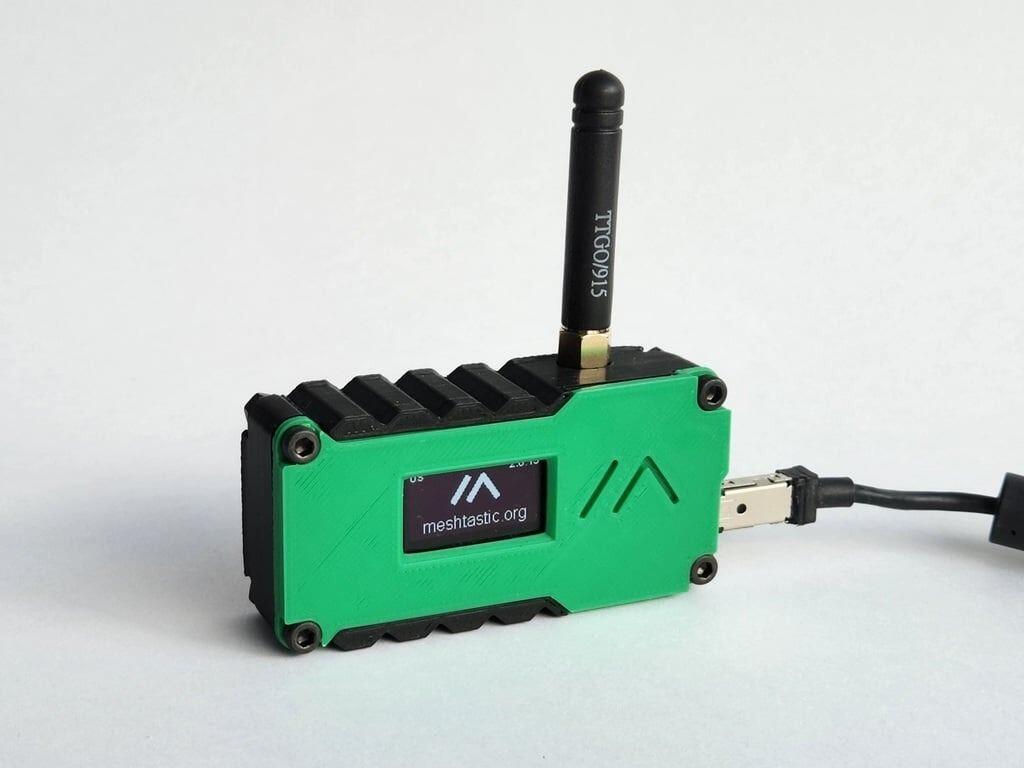
Myself and two other ham radio operators have established 3 Meshtastic nodes that will operate 24/7 to help build out more connectivity across Cape Town.
We are using license-free 868 MHz radios, so anyone can buy these cheap (ish) devices and get connected. The more nodes we have, the better the connectivity gets across the whole city. These radios will keep messaging going regardless of whether there is Internet or not. So if we hit Stage 8+ load shedding and cell towers and Internet starts to go down, this messaging network will still work.
This means that citizens can message for assistance needed, and this can be relayed to City or Provincial Disaster Risk Management. Or in cases of loss of communications during a disaster we can also send out messages to everyone on the network as to where water tankers will be deployed etc.
Apart from the public channel (which is much like CB radio's Channel 19) anyone can also create their own private channels (with passwords) to stay in contact with groups of friends or family. The connections between all radio nodes are encrypted with AES256 encryption, so private messages will stay private even though they bounce across 3 or more other radio nodes to reach the recipient.
You have a phone, so all that is needed is the free Meshtastic app, and a Meshtastic compatible radio device. This is probably bad timing, as right now there is a global shortage of Meshtastic radio devices. The massive global uptake has also made this situation even worse. But the point of preparing for disasters, is to do that well before a disaster strikes.
I've documented a lot of my lessons learnt, as well as given some context to the situation in South Africa for this service at the linked web page below.
See https://gadgeteer.co.za/hamradio/meshtastic-in-south-africa/
#technology #Meshtastic #offgrid #CapeTown #SouthAfrica
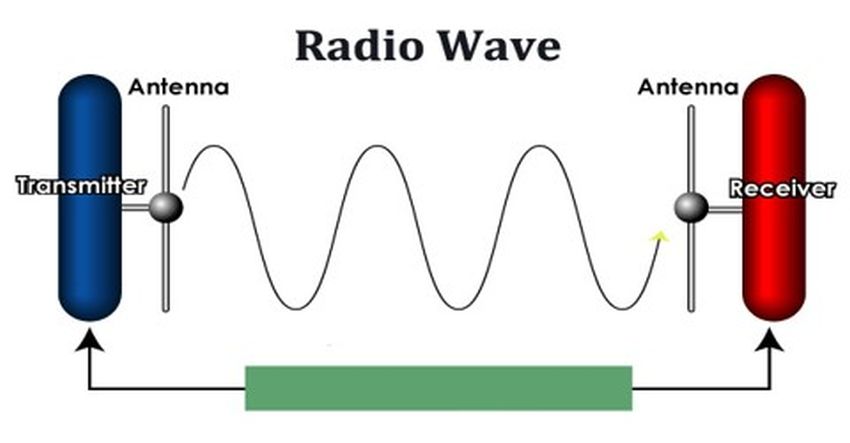
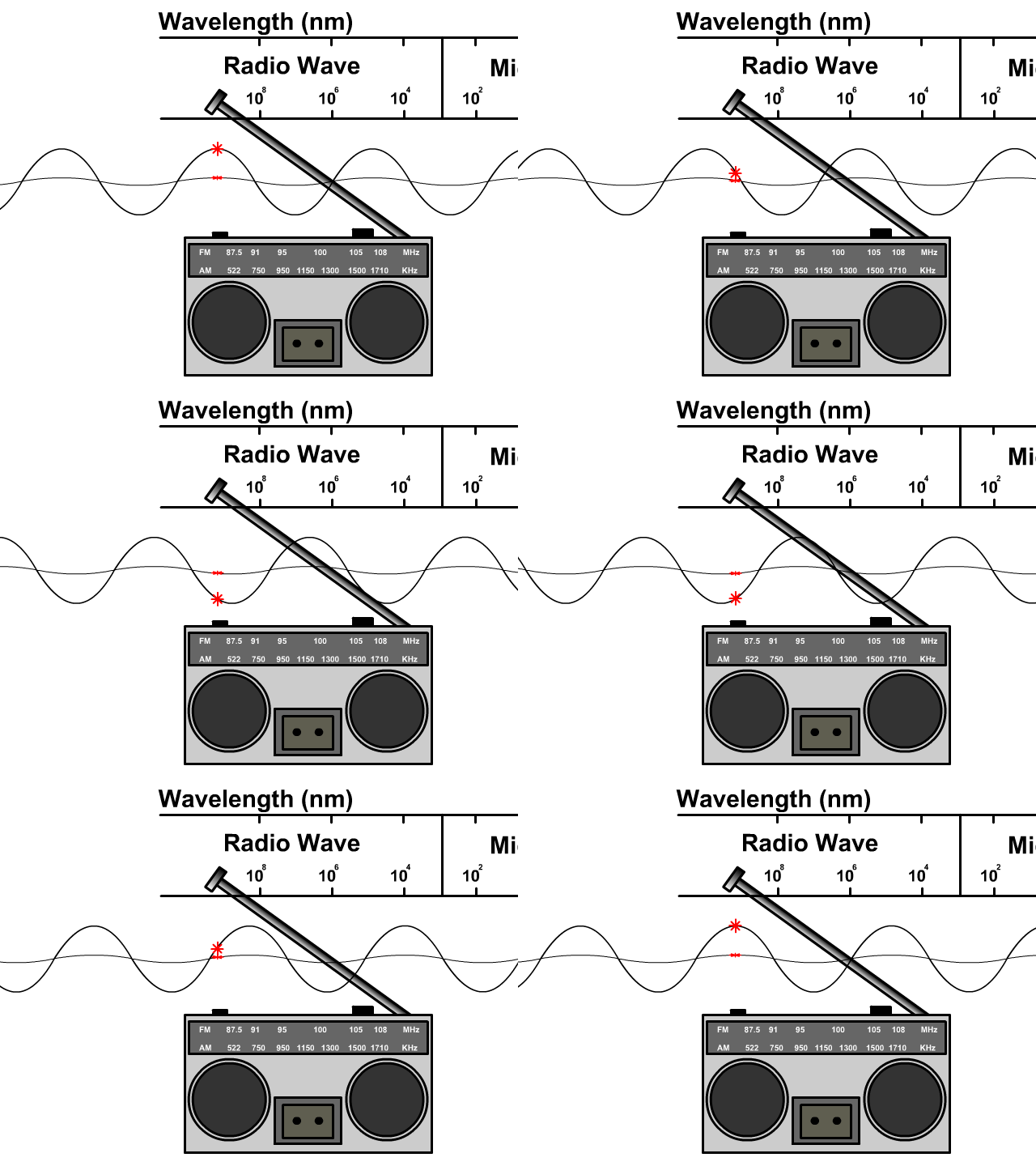
#Meshtastic #LoRA #Radiowave 📡📻🛰️
#Bitcoin can be transmitted over either radio or satellite (#blockstream📡services) when/where internet doesn't work / outage / blocked (nor newbies)
#[1] #[0] Danie great resource in Capetown

ETF is road to fiatization of bitcoin

cooking RUST Roasted Chicken #Relay #nostr 🤯
Cool Got it

yes anything DEV thinking from their point of view will only attract 1% users rest 99er will not arrive or prefer bigtech easyfeed

nostr:nprofile1qy08wumn8ghj7mn0wd68yttsw43zuam9d3kx7unyv4ezumn9wshsz9thwden5te0wfjkccte9ejxzmt4wvhxjme0qyt8wumn8ghj7ur4wfcxcetjv4kxz7fwvdhk6tcqyrmj3k0xuuzgxk88pyc0tjnykzthwrvcnnxcdp20ucvwm2wg5wqsvwvmcme is always a good read. He recently reposted this article from 2022 on the death of email, and it has tons of great food for thought for nostr devs.
https://blog.lopp.net/death-of-decentralized-email/
> SMTP needed specific rules for relaying mail and authenticating users to prevent relaying unsolicited email.
> The helpful nature of open relays was among the first victims of the spam influx... The SMTP standard, which was designed with reliability as a key feature, had to be modified to purposefully discard certain messages.
> ISPs started to use crude filters based on keywords, patterns or special characters... these measures were still inaccurate and caused many false positives – emails were filtered or blocked even though they were perfectly fine and actually wanted by recipients.
> The next major development in email deliverability included the standardization of reputation scores... Of course, if you're familiar with how these technologies work then you'll notice that... None of these actually provide email senders with any sovereignty.
> Why wasn’t hashcash widely adopted? One reason was that there was a chicken-and-egg problem for it to work; you’d want almost all email users to nearly simultaneously migrate their email clients and servers to start supporting hashcash, otherwise you’d see massive amounts of legitimate emails get rejected for not including valid hashcash headers.
The solution I think nostr has at its disposal that Lopp doesn't identify (because he's not talking about nostr) is that contact lists are public. Maybe this won't always be the case — private follows actually make a lot of sense, and I think some clients support them.
But as long as transitive follows can be calculated, a web-of-trust score for unsolicited messages (DMs and otherwise) can always be derived. This allows relays and clients to skip the hacky content-based solutions and go straight to an explicit trust score, falling back to payments or proof of work to screen unsolicited messages.
New-style sender-obscured DMs make this harder, since this calculation can't be done without the ability to decrypt user messages. This leaves it up to clients to screen DMs, which can be prohibitive if spam becomes a large problem.
But this relies on an overly-narrow definition of what a "client" is. A client can actually be a server-side component, even a DVM that a user authorizes with a bunker provider in advance to provide screening metadata for DMs. This component can be self-hosted, and trust can be revoked easily.
All that said, I think we can do this, but we've got to keep our eye on the ball. I'm hoping to work on some of these problems this year, starting with basic DVMs for aggregating public data to help clients reduce bandwidth requirements, but I also hope to experiment with trusted relay proxies and privileged DVMs.
Simply say any Analog Phone Directory even before arrival of internet was HONEYPOT for Advertisers
Q in principle is public Directory service - Open Entrance - Who can Knock a door bell