Avatar
maven leo
624d01ef570a3730afa1ebedc3ed95d57259ac5f37a9f0eac9c2a0d2f122bf4a
suburban hermit | bitcoiner

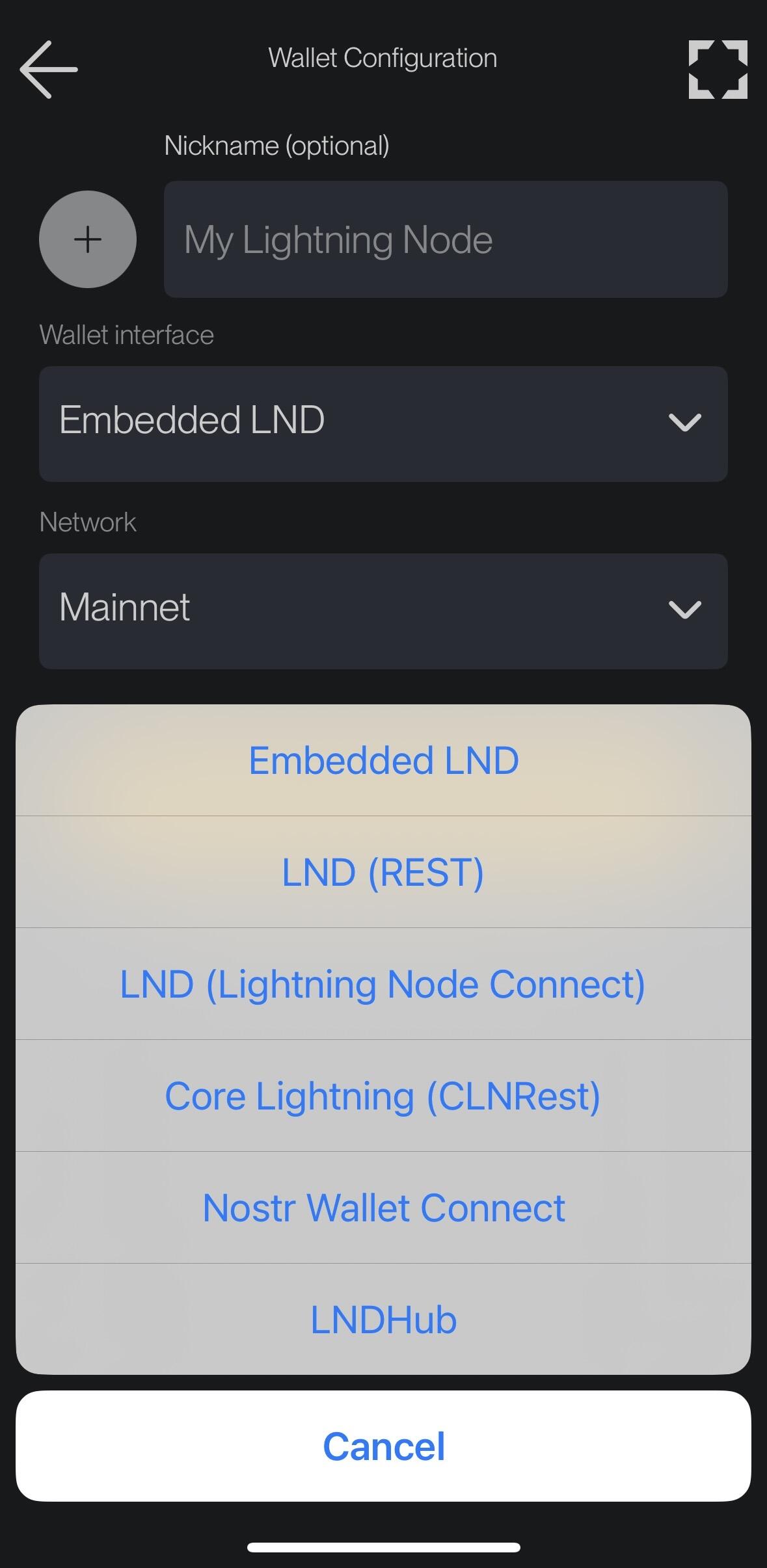
Trying to create a new wallet in nostr:npub1xnf02f60r9v0e5kty33a404dm79zr7z2eepyrk5gsq3m7pwvsz2sazlpr5

Whatโ€™s all this? #asknostr

nostr:npub1kun5628raxpm7usdkj62z2337hr77f3ryrg9cf0vjpyf4jvk9r9smv3lhe

nostr:note1yw0wx7jlf8mqct5cj23xczy56s2cup7x5dz2tjs00peaql3n3jrqhhdre4

Gm ๐ŸŒžโ˜•๏ธ

Okay, so this is what I figured out from ChatGPT and Deep Seek

Liquidity is literally the โ€œavailabilityโ€ of funds or UTXOs in the channel between me and my peer. My inbound liquidity is what my channel peer has committed in UTXOs and my outbound liquidity is what I have committed in UTXOs

As I receive funds and as UTXOs are spent, my inbound liquidity goes down but my outbound liquidity goes up

Correct?

#asknostr

nostr:note14c7nee0mth85kml8fnr3zqmkgmjpt0glre9ag5qyshk49ttmhlvq36rlpt

#asknostr

So, a lightning channel is simply a UTXO in a 2:2 multisig. When I transfer bitcoin to myself on-chain, this channel opens between me and nostr:npub1xnf02f60r9v0e5kty33a404dm79zr7z2eepyrk5gsq3m7pwvsz2sazlpr5 or Phoenix

What exactly is liquidity then? How exactly does it work? Is it the data cap on my UTXOs?

Pls explain

Replying to Avatar Dikaios1517

Not how many transactions. There can be infinite number of transactions between the opening transaction and the closing transaction.

A channel is a UTXO that is held in 2:2 multisig. This turns the UTXO into something that can be thought of like a string with beads on it. You hold one end of the string and ACINQ (in the case of Phoenix wallet) holds the other end of the string. The number of beads on the string is the total number of sats in the UTXO.

When you open the channel in Phoenix wallet, the amount of sats you put into the channel is the number of beads that are on your side of the string. The amount of sats that ACINQ ads to that channel at the time of opening is the number of beads on their side of the string.

For the sake of the illustration, let's say you opened a channel with 500k sats, and ACINQ added 200k. Your starting channel state would look like this, with each "bead" representing 100k sats:

maven -ooooo---oo- ACINQ

Now, let's say you bought something on Shopstr for 300k sats. Here's what your channel would look like after that transaction:

maven -oo---ooooo- ACINQ

Let's say you stack some sats directly to your Phoenix wallet, receiving 400k sats. Now your channel will look like this:

maven -oooooo---o- ACINQ

At this point, the maximum you can receive would now be 100k sats. If you try to receive more than that, you will end up needing additional liquidity added to ACINQ's side of the channel, and you will pay a higher fee for the on-chain transaction required to splice in the new liquidity.

However, you can go on with just the liquidity you have for years and years, making thousands and thousands of transactions, so long as the transaction amounts fit within the liquidity constraints of your channel.

Great explanation ๐Ÿ‘

Replying to Avatar Dikaios1517

Not how many transactions. There can be infinite number of transactions between the opening transaction and the closing transaction.

A channel is a UTXO that is held in 2:2 multisig. This turns the UTXO into something that can be thought of like a string with beads on it. You hold one end of the string and ACINQ (in the case of Phoenix wallet) holds the other end of the string. The number of beads on the string is the total number of sats in the UTXO.

When you open the channel in Phoenix wallet, the amount of sats you put into the channel is the number of beads that are on your side of the string. The amount of sats that ACINQ ads to that channel at the time of opening is the number of beads on their side of the string.

For the sake of the illustration, let's say you opened a channel with 500k sats, and ACINQ added 200k. Your starting channel state would look like this, with each "bead" representing 100k sats:

maven -ooooo---oo- ACINQ

Now, let's say you bought something on Shopstr for 300k sats. Here's what your channel would look like after that transaction:

maven -oo---ooooo- ACINQ

Let's say you stack some sats directly to your Phoenix wallet, receiving 400k sats. Now your channel will look like this:

maven -oooooo---o- ACINQ

At this point, the maximum you can receive would now be 100k sats. If you try to receive more than that, you will end up needing additional liquidity added to ACINQ's side of the channel, and you will pay a higher fee for the on-chain transaction required to splice in the new liquidity.

However, you can go on with just the liquidity you have for years and years, making thousands and thousands of transactions, so long as the transaction amounts fit within the liquidity constraints of your channel.

Cool โ€ฆ thanks ๐Ÿ™

Okay, enough tomfoolery

๐Ÿ˜

Time to pee pee ๐Ÿ’ฆ and sleep ๐Ÿ˜ด

Will research the whole channels and liquidity thing tomorrow

Good Night ๐Ÿ˜ด๐Ÿ’ค๐ŸŒ™, frens

#grownostr #plebchain

This helped me understand channels and liquidity

Recommended for other noobs like me

https://youtu.be/rrr_zPmEiME

Arenโ€™t there some decent YouTube videos on this channels and liquidity schmaltz?

#asknostr

nostr:note1znx458x59e4zedusd28vqdns3d80ehfrhsttzs5ddqwvz5fq2dusj0aed4