


Not directly, but with a southern border that big...

Yep. Had to sharpen the chain a couple times, but got it taken care of.
(Mesquite is deceptively tough on parts)

In a scenario like that, it's using up what will last in the order that it will provide function and working to provide the softest landing while coming to grips with a pre, iron-age life.
Well if i knew that would be the case i would have asked for help cutting up and moving another mesquite. 😁

Since my experience is specifically in the US, I can only speak about brands here.
I'll start with the last part first.
Japan and Germany seem to have maintained the highest quality.
The flood of cheap tools and the "pro-sumer" grade tools has had some effect, but they're still the brands that one starts with and replaces over time with better quality.
(Anyone that has worked with combination wrenches every day for years will quickly identify why Snap-on is and has been superior in every small detail)
But the fit, finish, and durability has been sliding for awhile.
Metallurgical reasons for the greatest part.
I have had regular use sockets of multiple sets (multiple drive sizes and applications) crack or shatter more often. Than a decade ago when i was far harder on them.
I've had key components of torque wrenches and socket wrenches faill due to inclusions in key stress areas.
Repeat pawl failures in socket wrenches that replaced pieces that had lasted 3 or four times longer.
To sum up-
A number of factors.
Profitability leading to decreasing metallurgical standards, desirability of lighter designs. Competition with garbage from China.
At the bottom of it,
a shrinking workforce that identifies with quality.
It was about a decade ago that i noticed that the highest tier of tools for my industry were becoming noticeably worse.

Holy gish-galloping Batman!

Excellent!
Where i am, a little corrosion/high resistance causes damage further down the cable pretty quickly.
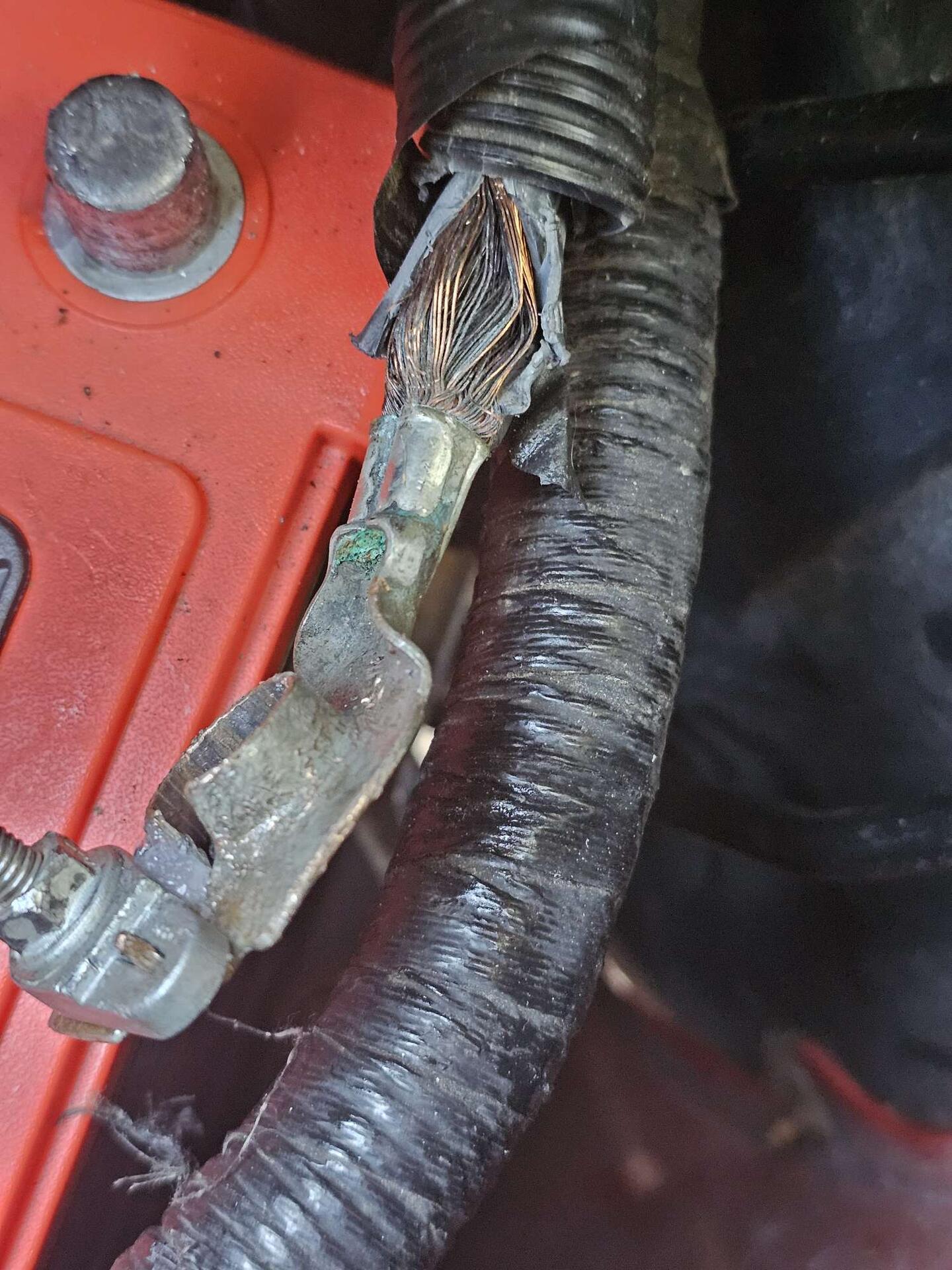
Depends on a few things.
1. How far back does the damage go. (You'll have to open the harness and find out where the cable is still flexible by hand. A visual inspection won't be enough)
2. Is there enough slack in the cable to reach. (After performing step 1)
There are splice cables and terminal assemblies available if it doesn't reach.
Using a design that solders to the existing cable is preferable, but crimping and using marine grade shrink tubing is second best.


Sounds about right 😄


I was laughing at that as well.

Absolutely!
It's not fun, but it does make a difference.

Isn't that what the Gray Knights are for?


I call could deal with finding that.

Yes, but only in that our modern technology is the output of an unchanged human nature.


"Luck is when preparation meets opportunity."