
After Party for Nostriga Change of Venue 💜👾💜!!! It will be at Laska V21
Vagonu iela 21, Latgales priekšpilsēta, Rīga, LV-1009, Latvia 🥳🥳🥳
🦩👋🦩 Hey Nostriga & Baltichoneybadger! 🦩👋🦩
We're organising the best and only Friday afterparty with nostr:npub1getal6ykt05fsz5nqu4uld09nfj3y3qxmv8crys4aeut53unfvlqr80nfm nostr:npub1a6c3jcdj23ptzcuflek8a04f4hc2cdkat95pd6n3r8jjrwyzrw0q43lfrr nostr:npub1gnewtd6zgevqk55x59fge4azwdpw36832kggecwr89t3xmywvh0spp6wfy nostr:npub1yzvxlwp7wawed5vgefwfmugvumtp8c8t0etk3g8sky4n0ndvyxesnxrf8q #PaywithFlash nostr:npub1krveufv8unj22udw0tjngv8f0g3zdjdz64kx3dztw9tkl8r66tzq0fd3py nostr:npub1mygerccwqpzyh9pvp6pv44rskv40zutkfs38t0hqhkvnwlhagp6s3psn5p nostr:npub1lwsmhk9t2le9see32l006khunnk6qpxxs30enke3d8lykcd6wstqegy86j nostr:npub1rjtrs7xqdvj3588r9njrexh2n750j7jdwx9qs543nutmdsj6ljaqpfmp8a nostr:npub1gp4xzpmluelsakjtayc4wtzj97fhj5kakqjvsannu00xkdlf4x8s0xdqyq and others.
Music, barbecue, drinks, networking, all streamed on nostr:npub1h8gzew8am6cezuq7cpjgudldra40hgnruqrqlsrqnxnzs5wjtczqztps02!
Are npubs you see here real people? Please reshare if we're gonna meet you!
📌 Friday, August 23
⏰ 6:30 PM - 10 PM
📆 Free Riga - Lastadija Culture Centre
🎫 tix: FREE (proof of npub)

#BH2024 #Nostriga
https://github.com/nostrworld/nostriga/issues/63
Replaceable Nostr calendar event:
nostr:naddr1qvzqqqrukvpzq3jhml5fvklgnq9fxpete767txn9zfzqdkc0sxfptmnchfrexje7qqjxxc3svgmkxwf495envwfh956xyctz943rxcf4943rzdmpxenr2enp8ymnyvy0k30
🥳⚡️💜



Boxes comin to #HB2024 🍫


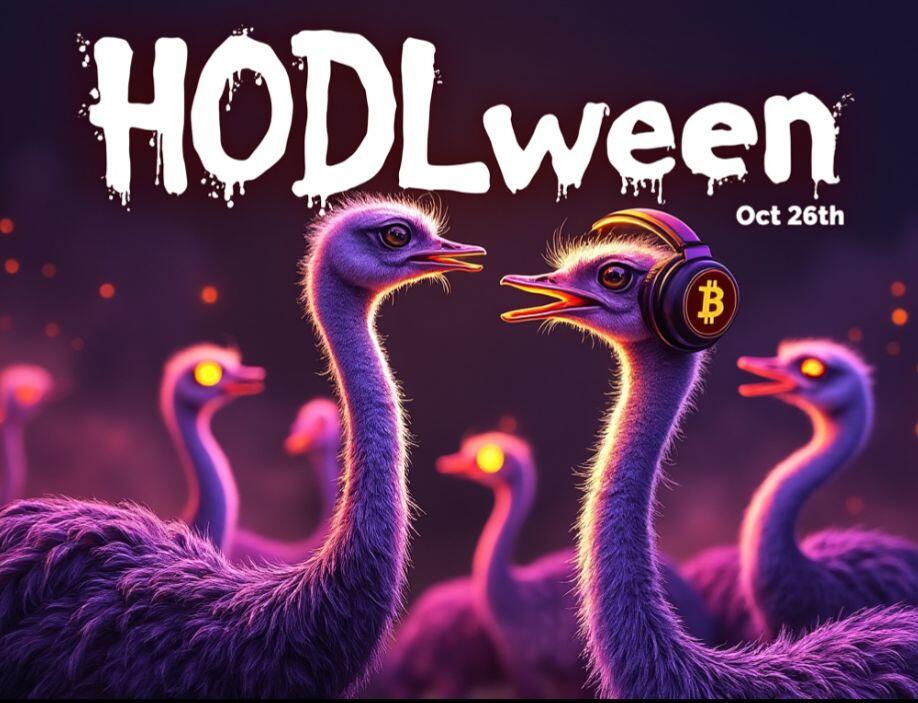
💜💀💜

nostr:npub1yul83qxn35u607er3m7039t6rddj06qezfagfqlfw4qk5z5slrfqu8ncdu nostr:npub1ynfk3s2qaend2knwq7hry2qdxglxxvch03jksjc7stk4ancq6vtshlf3np nostr:npub134d6jtyveg74cuuj7qun4v2m6r7x7c6ryk69z4q7pa7f43kran2sl2yggk nostr:npub186k25a5rymtae6q0dmsh4ksen04706eurfst8xc5uzjchwkxdljqe59hv0 nostr:npub1j8y6tcdfw3q3f3h794s6un0gyc5742s0k5h5s2yqj0r70cpklqeqjavrvg nostr:npub1h8ktyt8zvqc8dcpk7yh9gq6fs0csqcujlkqdwwspwgtef9ral6xqzugdky nostr:npub1hqxvtu58ayh8fn6q6zy3l0gvf9vqm4gcg0glmk88lr2s99ntsdfskajsch
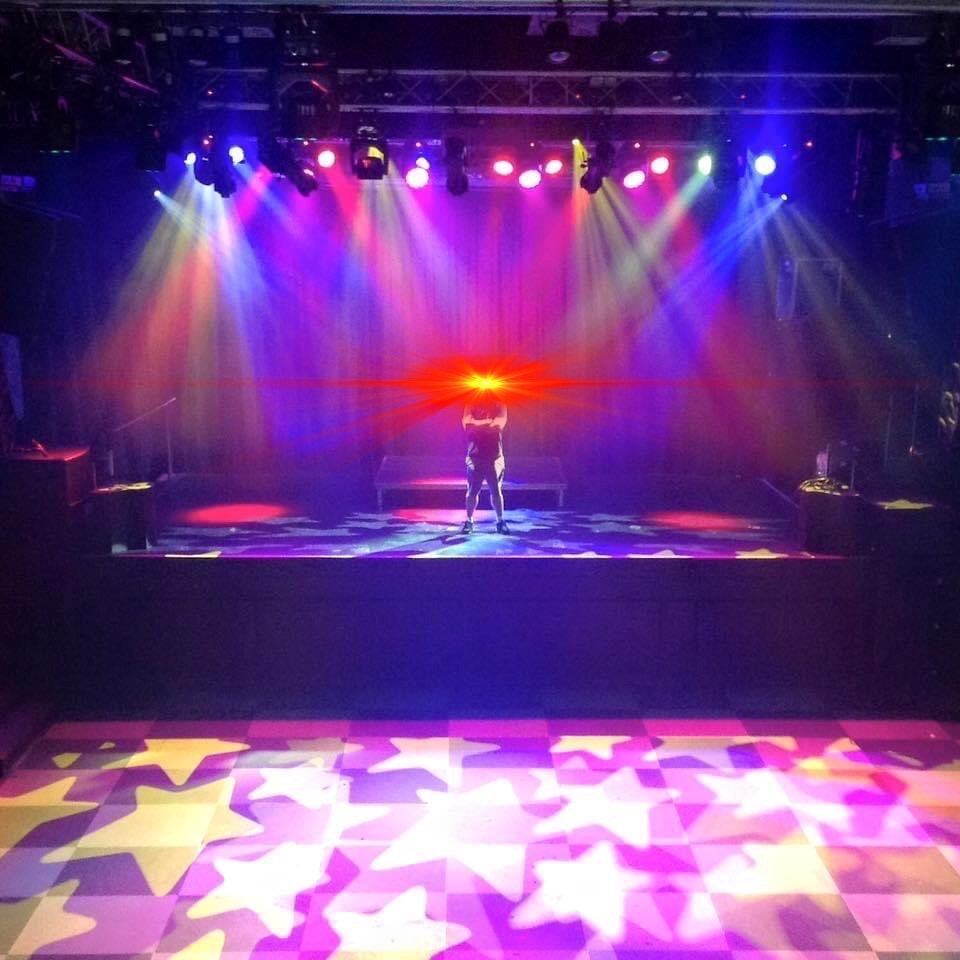
#HB2024 @hodlhodl after party at Lastadija with da amazin @peterfz3r0 + @MadMunky2140 dis gonna pump harder than Bitcoin @AZA_21M you rockin it sista👾🥳⚡️💜

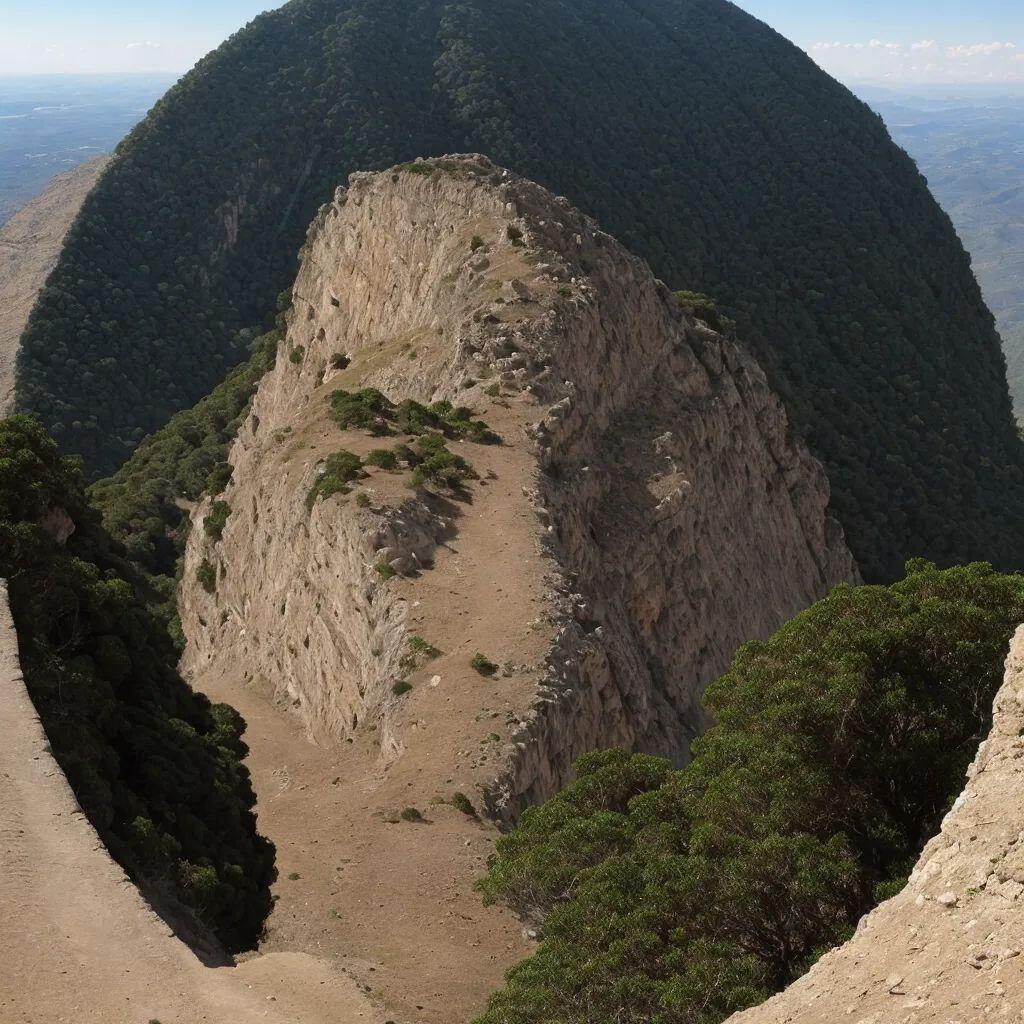
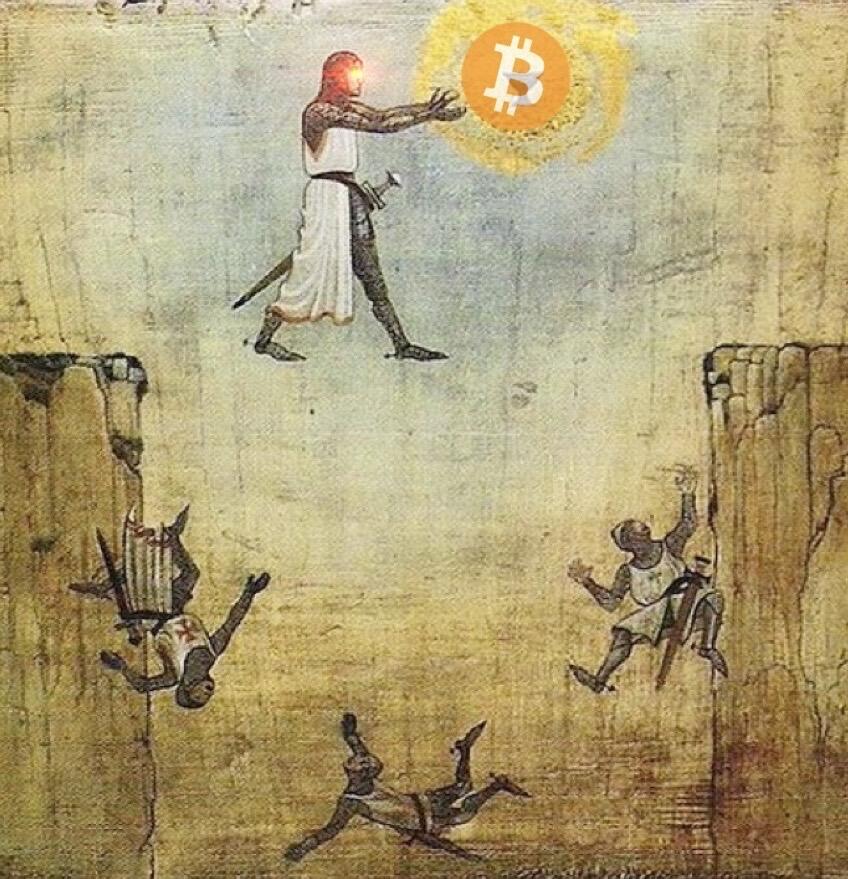
Awesome ! you made it
Sure there’s still a lifetime of work
But now you understand
There’s nothing to be afraid of
There’s nothing to be ashamed of
There’s nothing to lose
There’s nothing to die for
Congratulations you’re a Bitcoiner
🧡🤝⚡️




See you real soon Brother 🧡⚡️🤗
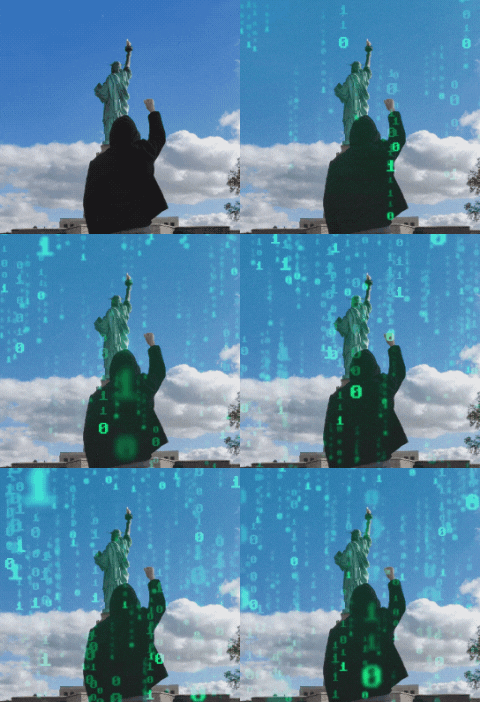
It’s great to have the Trump’s and Saylor’s of this world cheering for Bitcoin. Bitcoin is Freedom money. But the truly freeing thing for the individual is not really ‘a thing’ out there, it’s an internal balance. Bitcoin balances the individual, and it’s that balance that ultimately frees the world 🌎 🧡⚡️
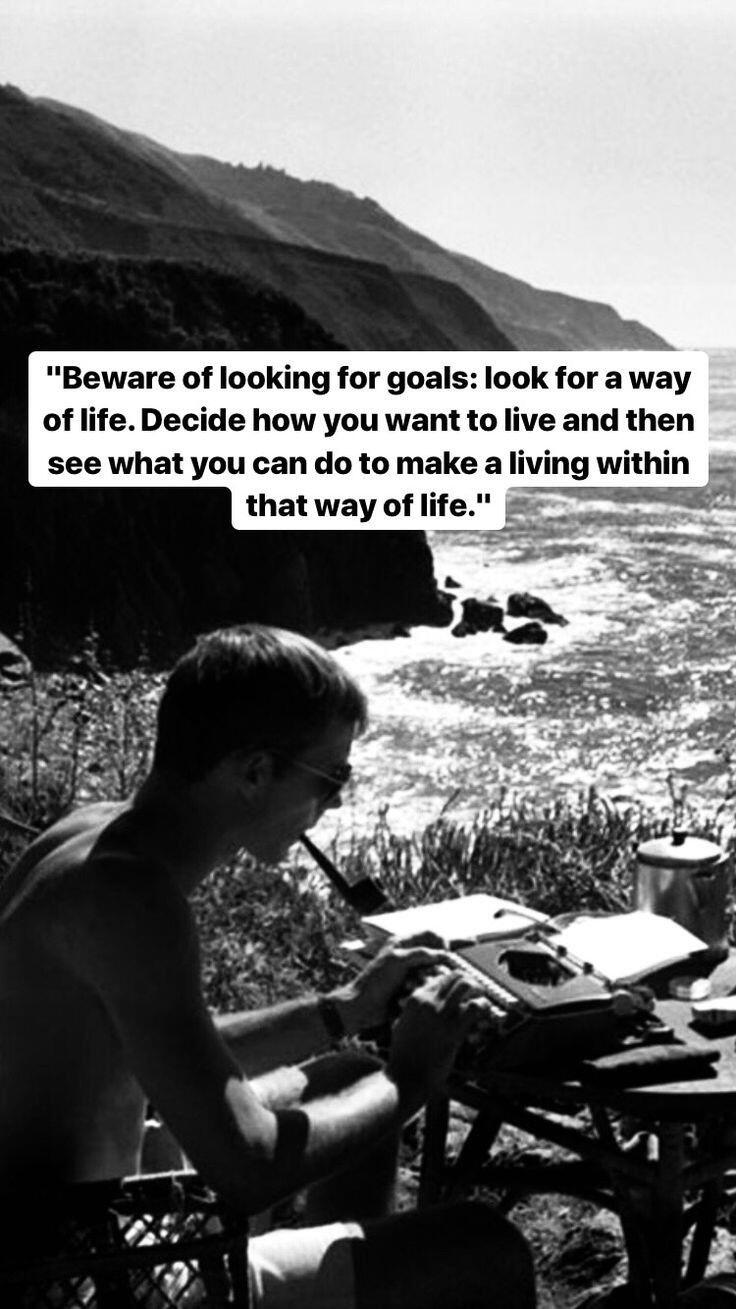
Eat the best food you can
- Eat with love
Be the best person you can
- Live with love
Find the best people for you
- Be with the people you love
This is the bitcoin life with love 🧡
nostr:npub186k25a5rymtae6q0dmsh4ksen04706eurfst8xc5uzjchwkxdljqe59hv0 artwork for Bitcoin is the Renaissance 2.0 level shit 🤘

