

https://void.cat/d/26dDsvxAfqLkPZLbe6eni1.webp
It's all been done before and had we been told the truth in school we'd have seen all this coming!
https://void.cat/d/VntFedPBcJ8M2FukEgdF2q.webp
It's all been done before

Well unfortunately race (dna pools) matters a lot, but that aside consider this...... what's happening now is a new situation in all of human history but with some echoes of the past
All organized human groups require a narrative to keep them stable, typically this was done with a religion, religion is basically a narrative perpetuation system, now religion and media compete for this role, it's notable that LGBTQism is merging with religion in the west to some extent
All organized human groups have natural and/or narrative enforced hierarchies
Hierarchies require more violence to enforce the less of a natural meritocracy they are as that makes them more unjust
Races and countries can also have unifying narratives
If you have race, religion and country all aligned then you have a very strong and stable situation for as long as it holds
The holding of the narrative and thus the group together requires narrative control, typically this is done by the elite class in any group
Typically narratives support an elite group that act as parasites on lower groups typically by causing division by implying one lower group is exploiting the other as a distraction from the elite group who's actually exploiting all lower groups and the more the narrative drifts from the truth the greater the exploitation. These systems can stack in tree form so the elite in one country and still be the bitches of a greater outside force
Now what's happened in simple terms is these narratives have all been shattered by the internet as top down narrative control has become impossible. We're now trying to form, organically, an objective reality/truth based global narrative and all hell is breaking loose
Whoever is a the top of the narrative tree knows this, maybe whoever is at the top of subordinate narrative trees feels the same, this would explain why the likes of prince Charles for example is going against England's narrative because it was mostly a lie anyway. We all thought the royals loved all their subjects when in fact they stole all their land and allowed the entire country to become hocked up to global bankers
99.9+% of history is just missing totally and what's left is doctored into narrative to suit elites
Science has drifted more from truth or best guess to just fabricated narrative in many fields
Many if not all major institutions started out as or drifted into fabricated narrative
Most people can't live outside of narrative control because it's too psychologically painful or they simply have a material interest in complying. The ones that find it too painful have reactions ranging from inability to form logical conclusions based on hard evidence to full on identity disassociation disorders leading to some level of psychosis, your typical blue haired SJW type is this.
Many ordinary working folk see through a lot of this even though they might not be able to put the whole picture together as their normal days activities involve multiple clashes with the narrative so they feel something is wrong even if they can't finger it and they simply don't have the months or even years of rumination time to put all the pieces together like this.
You're welcome
https://void.cat/d/TGqRiapbm3nprVRZouw8BR.webp
https://void.cat/d/SWwUy37vvcMRm7UGiwLaGX.webp
https://void.cat/d/BB925BQdAsaK2pRc8ydBk8.webp
Twitter/X back to it's rampant extreme censorship again
Good to know :)
Courtesy ChatGPT
Certainly! Here are up to 50 concise points from Smedley Butler's "War is a Racket," along with the logic behind them:
War is often driven by economic interests rather than noble causes.
The profits of war are concentrated in the hands of a few.
Many wars are fought to protect and expand corporate interests.
The military-industrial complex promotes and benefits from war.
War leads to the destruction of lives and property.
The costs of war are often borne by the poor and working class.
War is a tool used by the wealthy to maintain power and control.
Politicians and corporations profit from war at the expense of the public.
The military is often used to advance the interests of corporations.
The true costs of war are hidden from the public.
War is glorified and romanticized to justify its horrors.
War creates a cycle of violence and destruction.
The arms industry profits from selling weapons of war.
War leads to the concentration of wealth and power.
War diverts resources from social welfare programs.
The propaganda of war is used to manipulate public opinion.
War enriches the few at the expense of the many.
War is a means of exerting control over other nations.
The military-industrial complex perpetuates a culture of war.
War is used to distract from domestic issues.
The true motives behind wars are often hidden from the public.
War leads to the erosion of civil liberties.
The military-industrial complex perpetuates a cycle of war and profit.
War leads to the displacement and suffering of civilians.
The financial costs of war are staggering.
War enriches corporations that profit from reconstruction efforts.
The military-industrial complex influences foreign policy decisions.
War creates a culture of fear and violence.
The true beneficiaries of war are not those who fight it.
War perpetuates a cycle of violence and revenge.
The arms race fuels the profits of the military-industrial complex.
War is used to justify the expansion of military power.
War leads to the destruction of communities and cultures.
The human costs of war are immeasurable.
War creates a climate of insecurity and instability.
The military-industrial complex undermines democracy.
War is used to justify the erosion of civil liberties.
The arms industry profits from selling arms to both sides of conflicts.
War is used to justify the suppression of dissent.
The military-industrial complex perpetuates a cycle of war and profit.
War is used to justify the expansion of military bases.
War leads to the militarization of society.
The true costs of war are often hidden from the public.
War is used to justify the concentration of power in the hands of a few.
The military-industrial complex profits from the perpetuation of war.
War leads to the destruction of natural resources.
The arms industry profits from selling arms to oppressive regimes.
War is used to justify the expansion of military budgets.
The true motives behind wars are often disguised as noble causes.
War is a racket that enriches the few at the expense of the many.
These points reflect Butler's critique of war as a profitable enterprise that benefits a small elite while causing immense harm to society as a whole.
This I assume will mean Revolut will demand to know where any BTC deposits come from I guess

they have a corporate exchange account, they have vast limits on them and they could have made deals with miners
a lot depends on which country you are in to start with, there are several options i can think of

Truth
hmmm


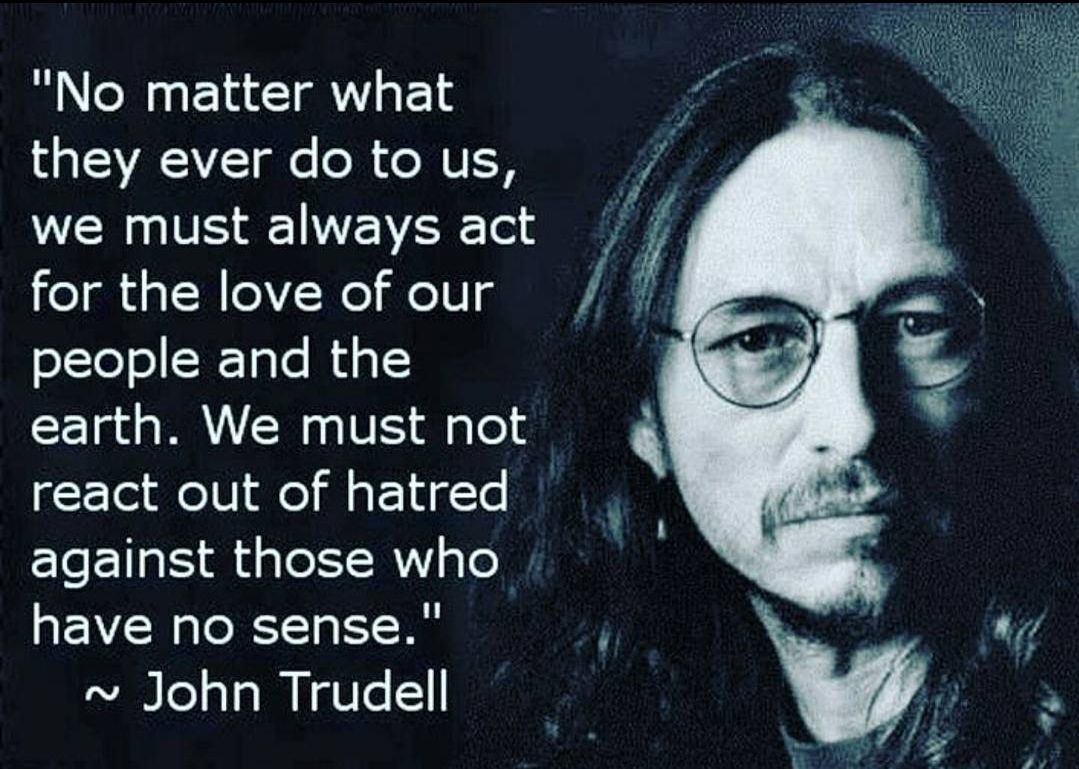
True, however, how do you defend against violence without counter violence?

Obviously not organic
Bear trap?
Thoughts anyone?

BREAKING: Unknown German scientist, Krëg S Wrügenhauten comes forward as the real Satoshi Nakamoto.

https://twitter.com/SymbolSatoshi/status/1768667175748005989
not again

how much to repost something?

TikTok bill