It's said the Roman Empire fell due to apathy. By the time the 5th century barbarians came, belief in the system was gone, and invaders seen as liberators.
"The empire could no longer afford the problem of its own existence." 
The masses slipped into serfdom and unrest, while the state grew larger and more authoritarian in response. The state was now keeping itself alive at all cost.
As Septimus Severus said: "Live in harmony; enrich the troops; ignore everyone else." 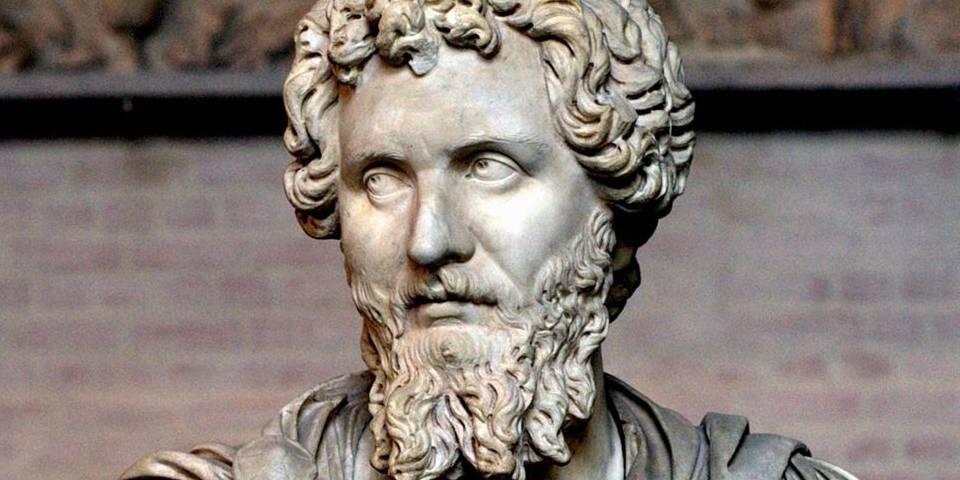
Who pays when the money system breaks?
People pay with their freedom. The currency was so worthless that the state demanded forced labor rather than accept its own coins as tax. Merchants had to provide goods directly to the state and army, and leaving their trade was outlawed. 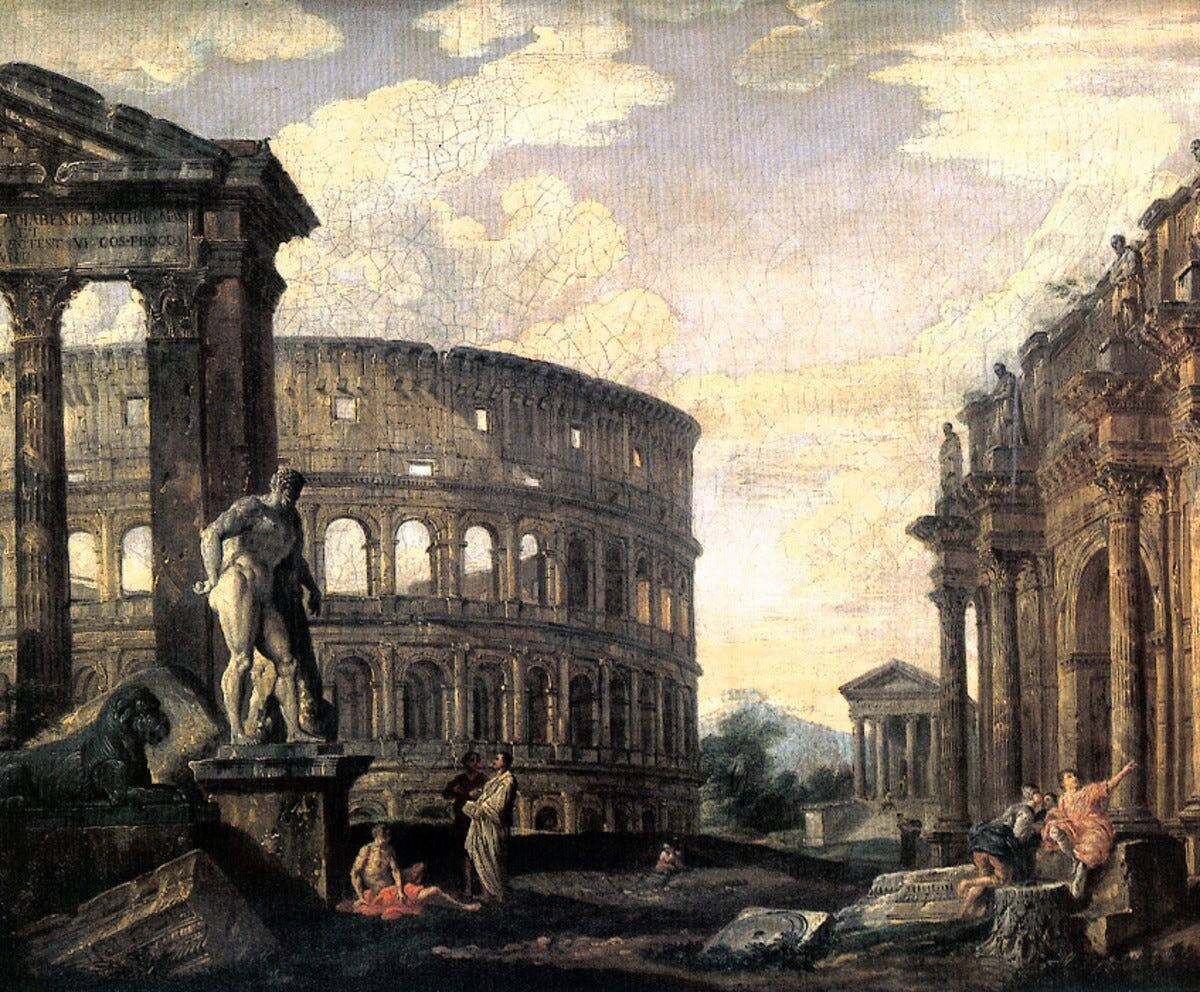
Diocletian tried to stabilize matters by enforcing price caps on over 1,000 goods and services, but it failed. A modius of wheat that had cost 0.5 denarius in the second century, sold for over 10,000 in 338 AD. 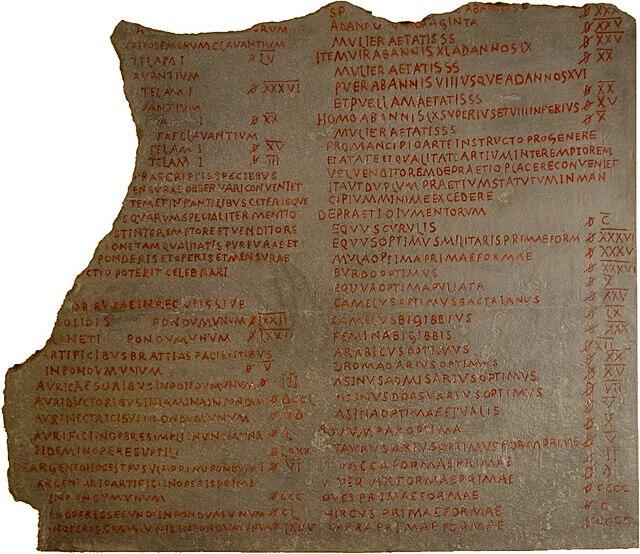
But the state still struggled to pay troops — some abandoned the military and went about pillaging towns. And for half a century, the empire was on the brink of destruction: emperors were assassinated, barbarians sacked towns and enslaved citizens... 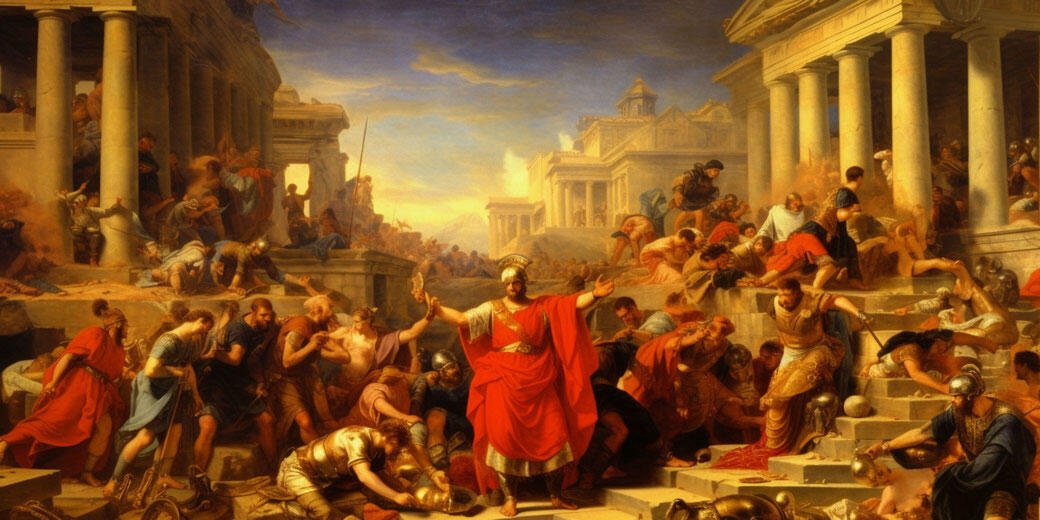
By 268 AD, the denarius was 0.5% silver. A bag full of coins replicated the silver content of a single coin a century earlier.
By 300 AD, soldiers were paid 8x in denarius compared to a century ago, and wheat prices were up 200x. 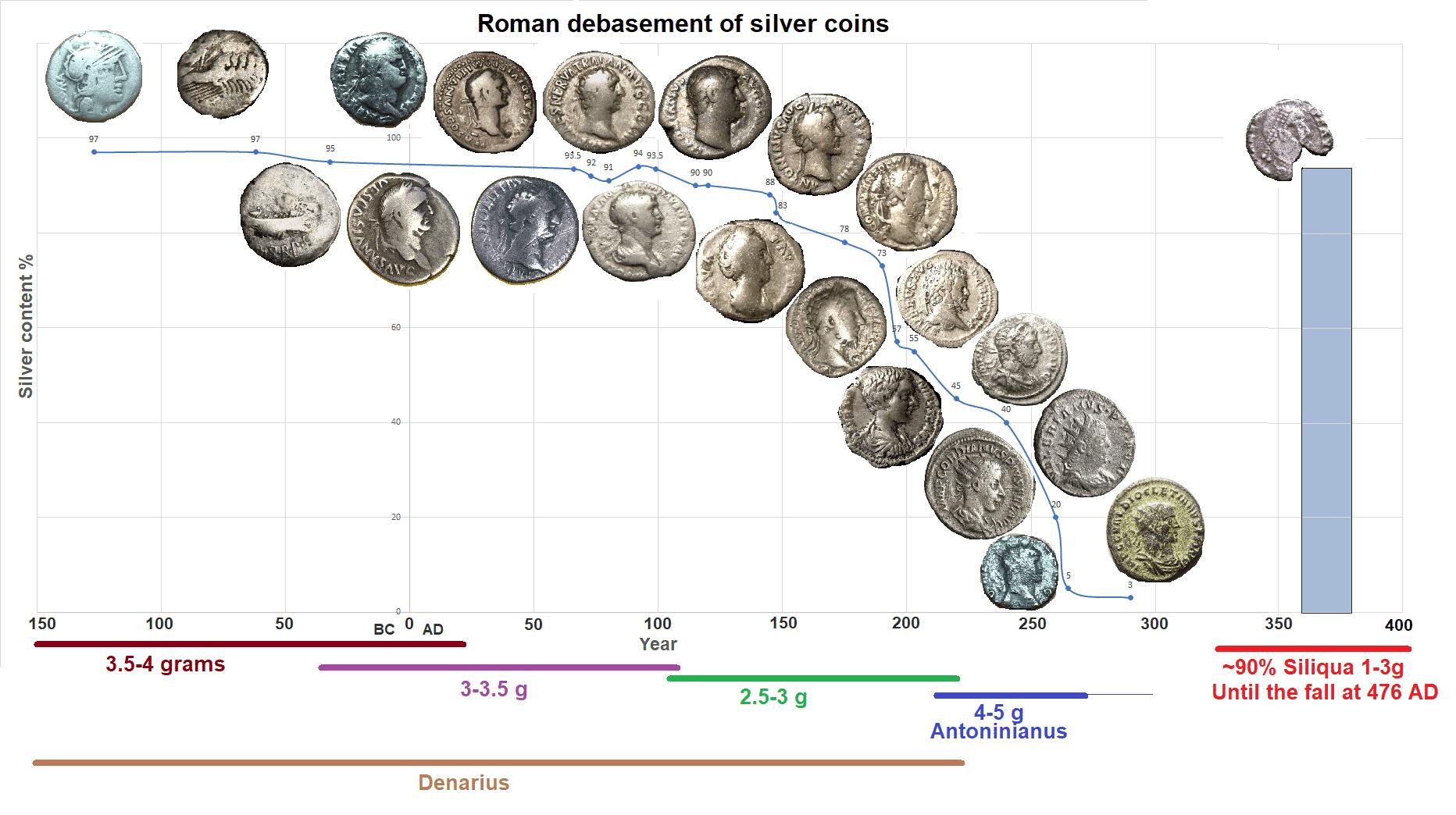
The denarius was down to 60% silver purity by the 3rd century AD. Of course, prices inflated with it.
Still, the state kept spending to maintain the illusion of prosperity, until things got really bad... 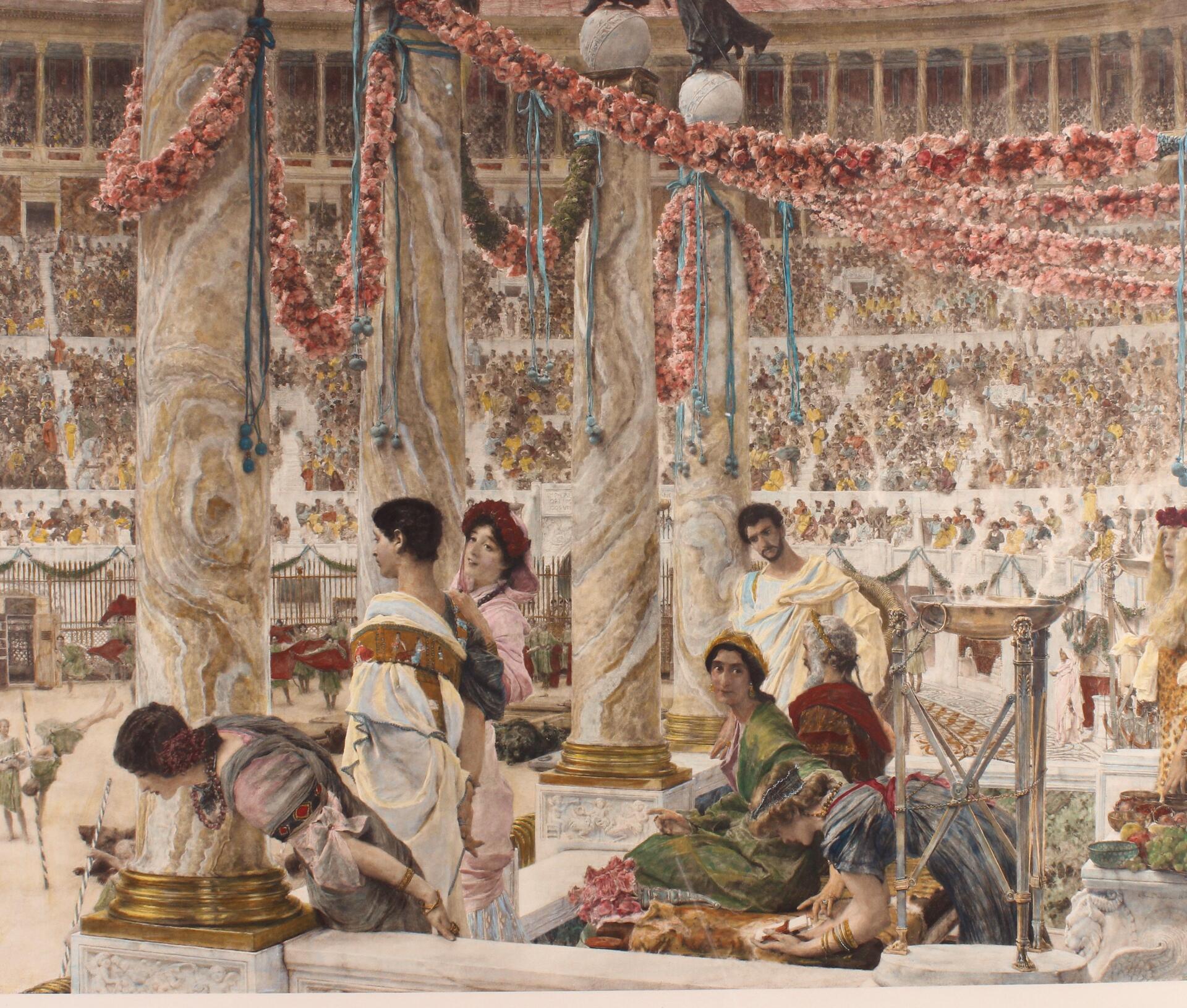
Nero had already begun clipping coins and diluting silver purity in 64 AD. The state soon got addicted to solving its problems this way — and lining the pockets of political insiders at the same time. 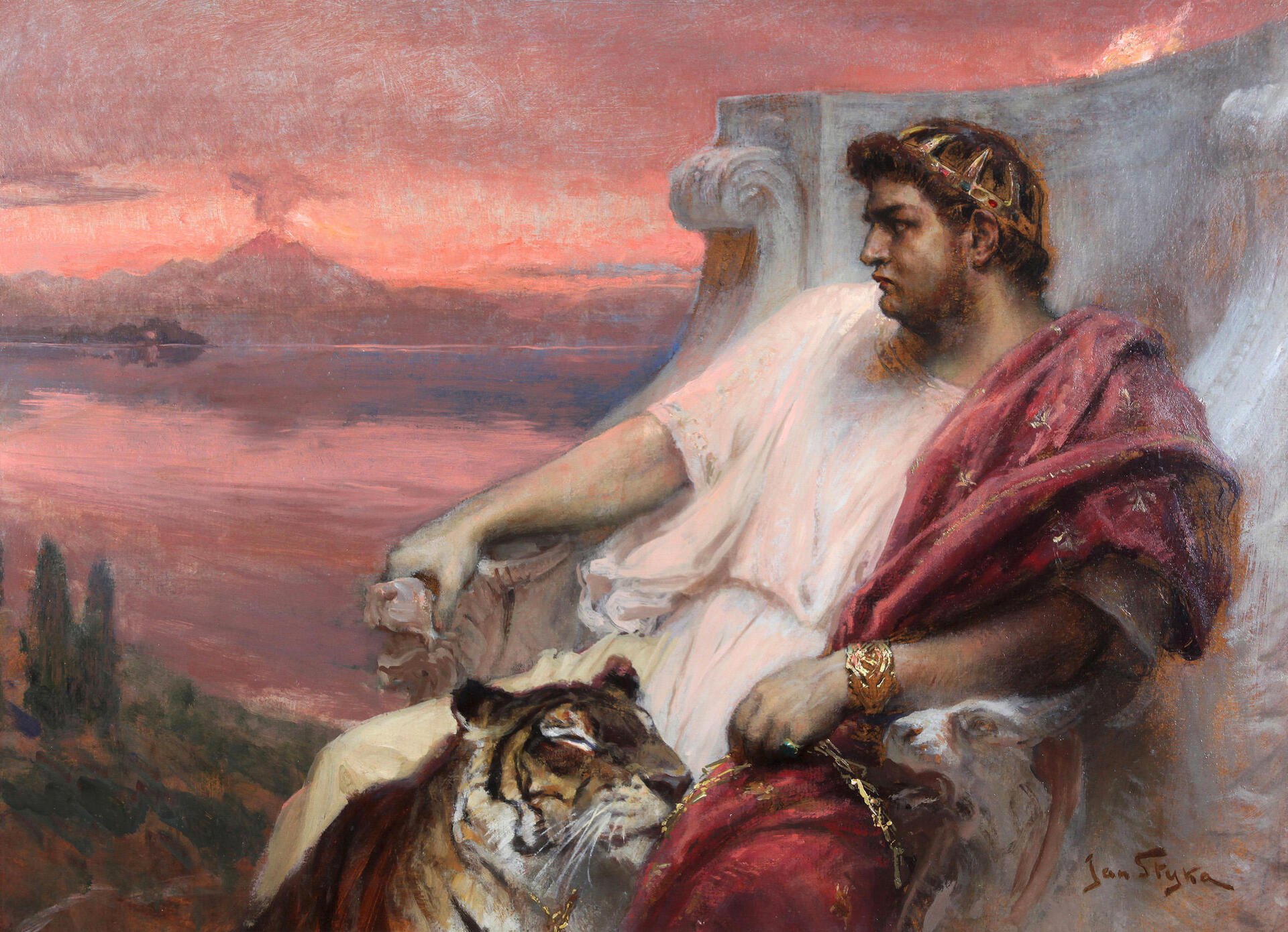
When soldiers' wages could no longer be paid, "debasing" the currency was the only option.
Emperors issued new denarius (the silver coin troops were paid in) with less and less silver content — i.e., further increasing the money supply. 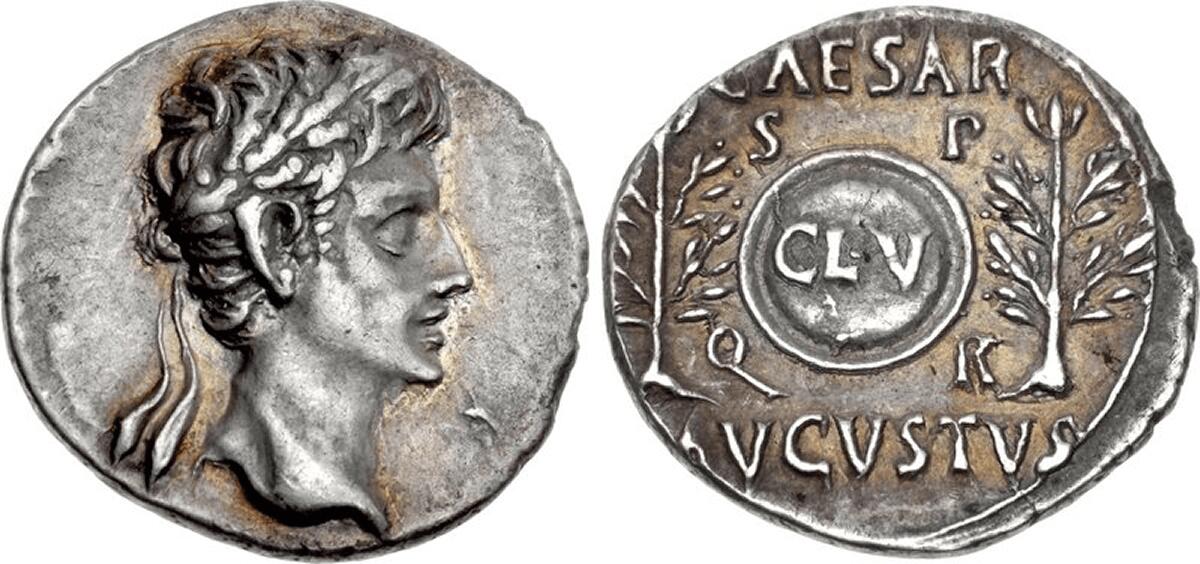
Frontiers across the empire came under attack in the 3rd century. Military expenses soared as entire provinces were being abandoned and their tax yields lost. Plus, the mines were drying up... 
But the army was an immense burden. In the mid-2nd century, it was 70% of the entire budget — half a million soldiers were on the payroll.
Then, crisis struck. 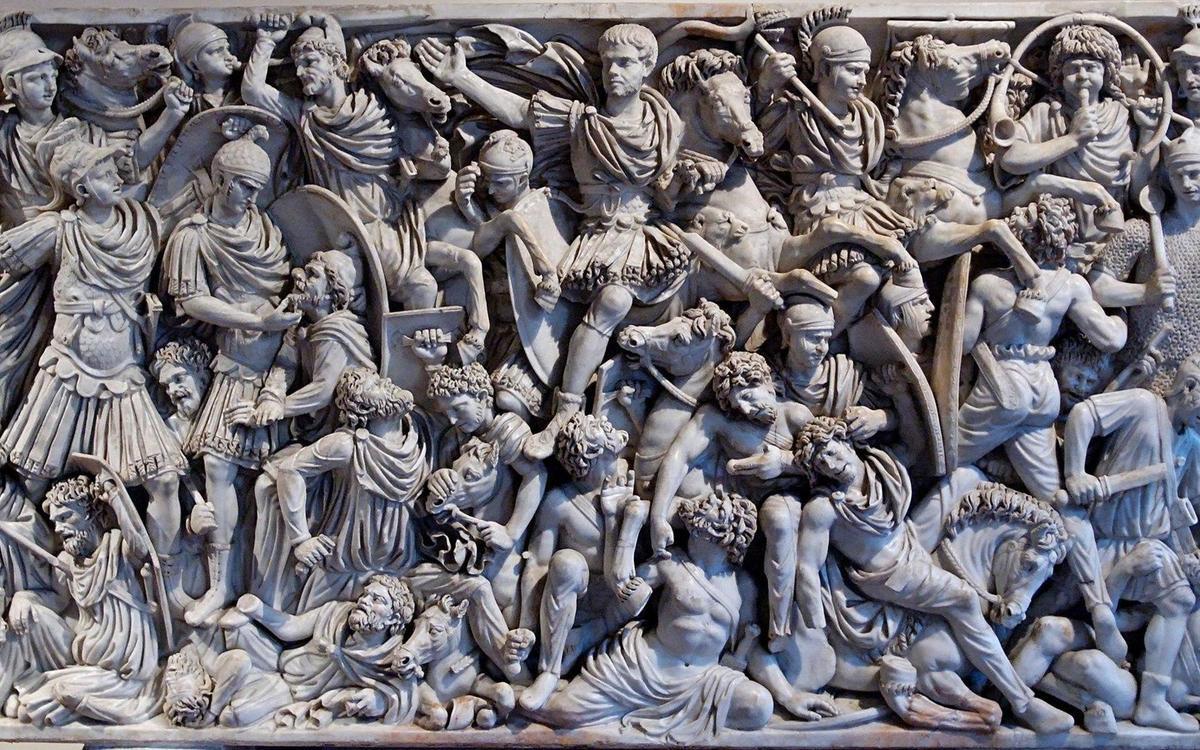
Whenever costs exceeded tax income, emperors minted new coins to cover it. Mining precious metals increased the supply of gold and silver coinage.
Things remained pretty stable for two centuries... 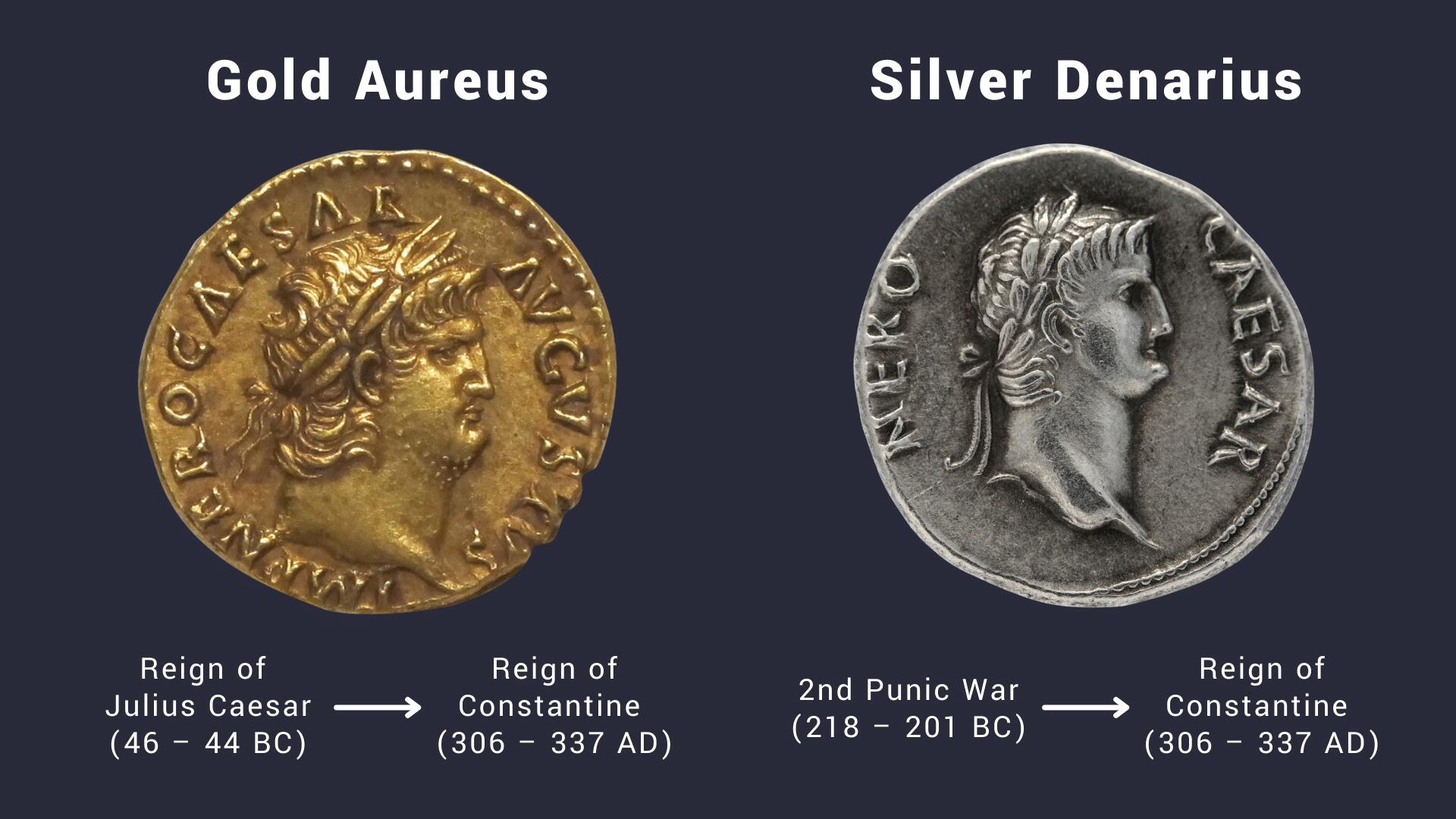
When Augustus slowed the expansion of the empire, wealth stopped flowing from conquered lands into the treasury. Managing expenditures (construction, armies, bureaucracy) became increasingly difficult. 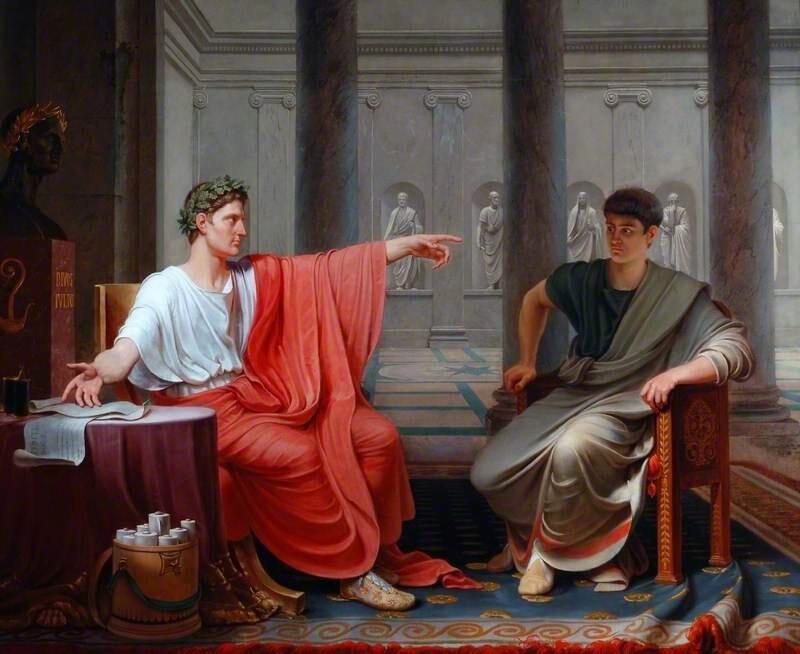
Does inflation lead to civilizational collapse?
Well, in the 3rd century, the Roman Empire began to buckle under the weight of state spending.
It frantically "printed" money until things went horribly wrong... (thread) 🧵
(Copied from Culture_Crit on X) 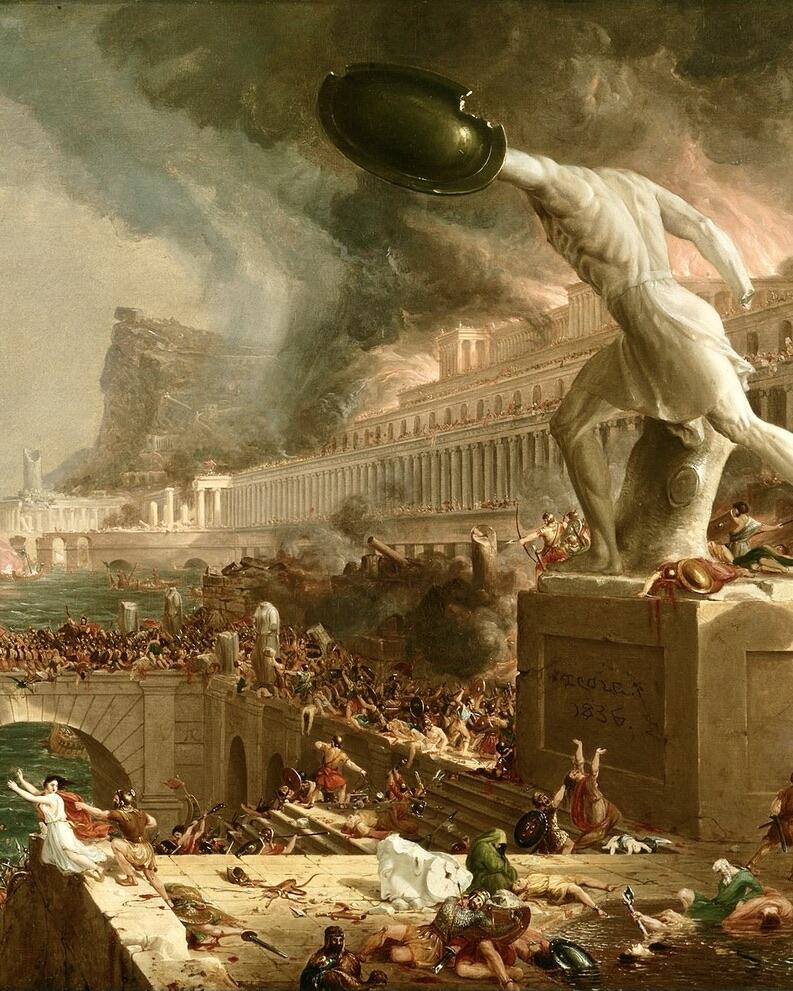
#food #indiandish 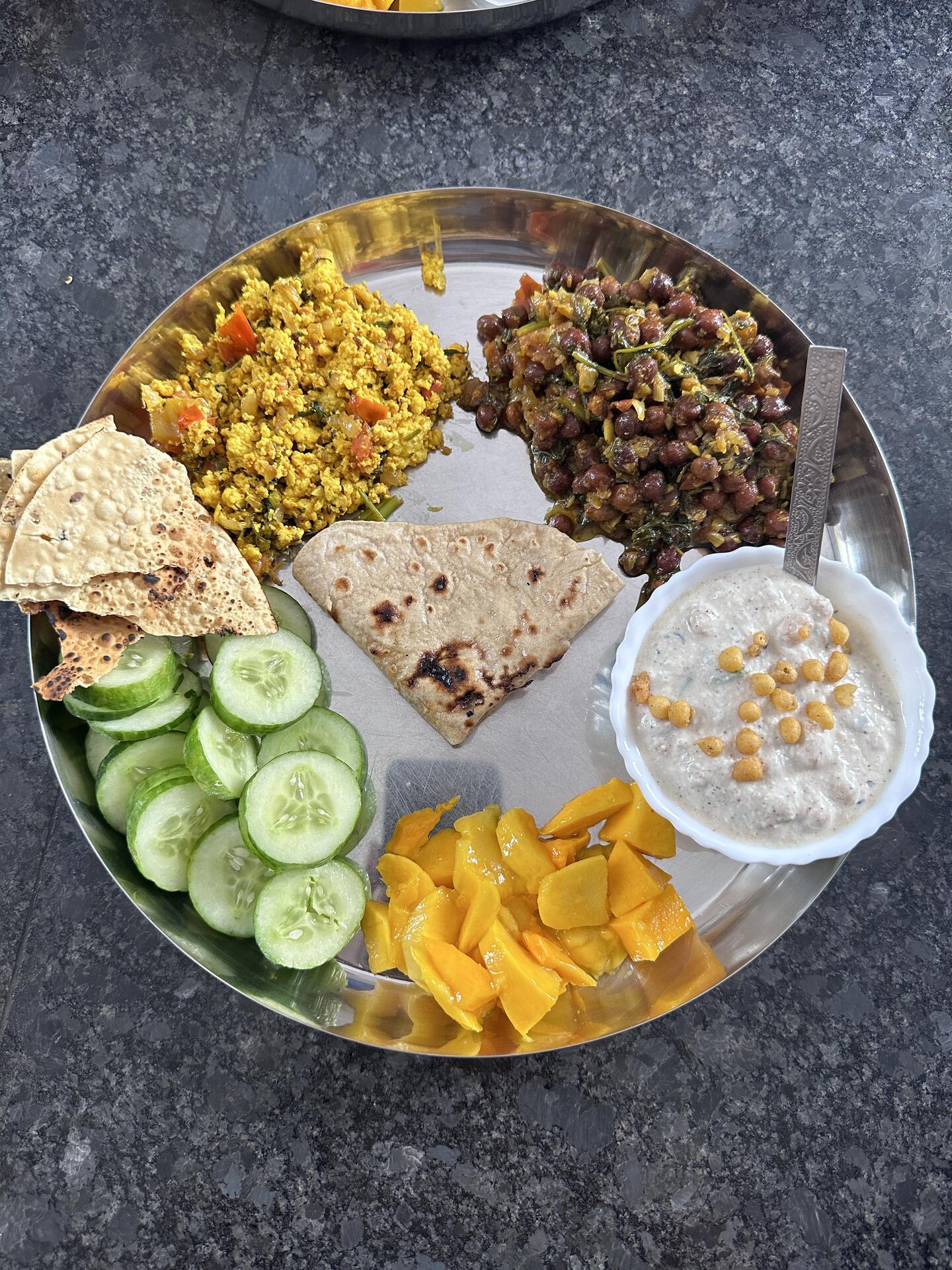 nostr:note1vmjqr0zl8nrlk7az59ketseph9u52g93pmr5wtayuf68f6ph75tsjz2p2g

Maybe there could be one weekly show, talking about how bitcoin is drifting away from the cypherpunk ethos it was initially built on.
I mean questioning systems improves them and spreads awareness as well.
nostr:npub10hcsqj6587uc5whzzuhgk274ke6g7ruh80enjm74ucln2m24hyxq2gf8fn
I started thought upon this and now I realise we need it more than ever.
Thanks for the best advise🙏🏻💪🏻
Small support matters.
nostr:npub1gmm2ehusvs35zgh6pq84m8hkj4ea0ygy3c9j2e3slzhjjce3kmns5tdaz2 🙏🏻  nostr:note1qweehknq7zxj9g5drpgt7tmh99tlsxgzxs9c5m50s23pep3n3vsqa24v23
Maybe there could be one weekly show, talking about how bitcoin is drifting away from the cypherpunk ethos it was initially built on.
I mean questioning systems improves them and spreads awareness as well.
nostr:npub10hcsqj6587uc5whzzuhgk274ke6g7ruh80enjm74ucln2m24hyxq2gf8fn
Absolutely, loved your idea. Will start working on this👍
#indianthali prepared by my wife.
#food
🥰