


Yarr! Yesterday was demo day here at SEC-01 and I presented my proposal for identity management in nostr. In it I introduce some new concepts for identity management such as secure identities and simple identities, master keypair and subkeys (this will allow cold storage).
This was a research exercise in which I studied the previous proposals that have been presented and how gpg (a battle-tested protocol) achieves its robustness. I've based it mainly on nostr:npub1l2vyh47mk2p0qlsku7hg0vn29faehy9hy34ygaclpn66ukqp3afqutajft proposal, extending it and trying to take the best of all of them and make something that makes sense for nostr, prioritising simplicity and backwards compatibility.
Please take a moment to read the proposal and share your ideas/criticism, this is something super important for nostr as having a more robust identity system will better preserve the value that content creators, companies and users in general can create and ultimately have a richer and more valuable network where everyone can maintain the value, reputation and web of trust that it creates.
https://github.com/nostr-protocol/nips/pull/1032
#sovEng
Really cool 👏🏼

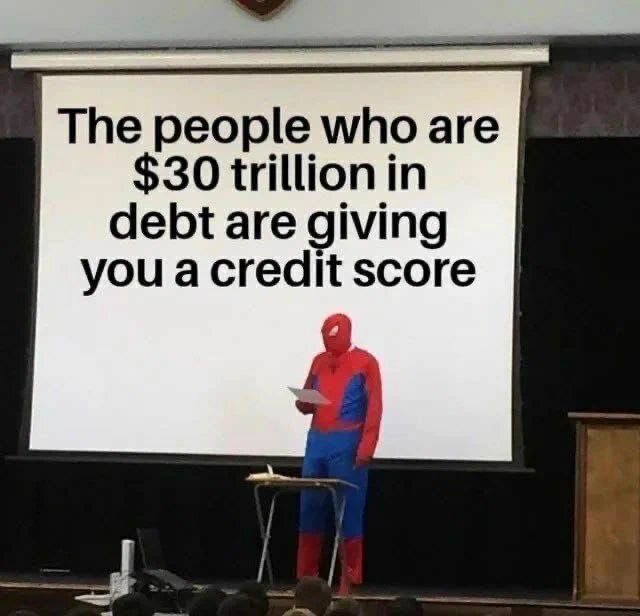

Today’s my birthday, it’s the longest birthday I’ve ever had, and one of the longest ones possible. My birthday will last 44 hours for me. I believe it’s possible to have a single calendar day last almost 48 hours.
I woke up in Aotearoa New Zealand, GMT+13, and am traveling to San Francisco GMT-8. Just after I take off from Auckland, the day will start in San Francisco.
I believe to maximize the length of an experienced calendar day you could travel from either Big Diomede Island in Russia to Little Diomede in Alaska, but neither island is inhabited so there’s no regular flights or ferry service. Samoa and American Samoa have the international dateline going between them and there are flights and ferry services between them. And the weather is more pleasant. So if you wanted a 48 hour day, you could start in Samoa, then close to midnight, hop on a plane and fly the few minutes to American Samoa. Geographically a ton of South Pacific islands are west of the international dateline but choose to use a TimeZone and date to the west of it so they can facilitate trade and cultural integration with the rest of Oceania.
Timezones are weird, really weird. Did you know there’s an open source flat file database which encodes all timezones that have ever existed? Including details on all changes to daylight saving time. It’s crazy, it’s own flat file format. The file is maintained and created by ICANN, the same weird international body that manages domain names and ip address allocation.
https://en.wikipedia.org/wiki/Tz_database
I find ICANN and its sister organization the IETF fascinating. They’re twin organizations, started as the internet emerged from a US government owned, university run network in to something all the rest of us are using. When ICANN was created, there was worry that the US government shouldn’t own and govern the internet for everybody. Many countries wanted to put internet governance under the UN, but there was a worry that if the UN controlled governance of the internet, then it wouldn’t keep it’s free wheeling ways, and would end up being a much more tightly regulated and censored place than it was through the 90’s or even as it is today.
So a totally new kind of organization was created, a multistakeholder international governmental body. ICANN’s mandate was strictly limited to issuing domain names and allocating IP addresses. The organization’s mandate would not extend to what people did with those domain names and ip addresses. Servers physically existed in sovereign countries, if you moved your data to a new country, then that government was now responsible. The sleight of hand was meant to let technologists play jurisdictional games, which is what made all sorts of things on the internet possible.
What does a multistakeholder governance model look like? Instead of the UN, where only nation states get a seat at the table, or a standards body run as a consortium of businesses where companies get a say in the rules, the ICANN process said that nations, companies, and civil society (NGO’s, social movements, religious institutions, etc…) are all co-equal in running the organization. ICANN is staffed mostly by diplomats. The meetings are held every 6 months in some random place in the world. ICANN collects a tax from domain name registrars, who then sell the ability to register domain names to registries. It’s this super weird, global government, which collects taxes, and has transparent public meetings. It is the opposite of what any conspiracy theorist thinks of when they hear global government. Anybody can show up and get a say, participate, but they keep everybody away by being very very very boring.
ICANN is run by an endless web of committees, it’s sister organization IEFT which defines internet standards is the most boring version of anarchism possible. The IETF moto is “We reject kings, presidents, and voting. We believe in rough consensus and running code.” In IETF meetings, you express your opinion about the discussion through humming! Yes HUMMING! It’s so weird, ICANN is an all encompassing global government which collects taxes (they call them fees) and its sister is this anti-authoritarian anarchist standards body.
https://datatracker.ietf.org/doc/html/rfc7282
Honestly, I think both organizations could be a model going forward for how we manage the world beyond and after the dominance of the nation state and corporations. They’re far from perfect, but they do kind of work. Really truly different kinds of was of organizing society. And the internet is as big and complicated thing as we’ve made as humans.
Anyway, all this is a weird round about way of saying, it’s my very very long birthday.
Happy birthday!

Erris Head, Co.Mayo, Ireland 

Jeffery Epstien's banker is worried our pet rock that was up 160% last year against his fiat system can be used for bad things
thanks for your opinion bro, don't give a fuck 👍 https://v.nostr.build/464W.mp4
🐐 response

New release 1.6.0 of Nostr Writer Obsidian Plugin - all thanks to nostr:nprofile1qqsz7arr53mtf4dd85h85l3027lqyru9frt2xzs4pctl9k2vay4cqgcpz9mhxue69uhkummnw3ezuamfdejj7qghwaehxw309aex2mrp0yhxummnw3ezucnpdejz7qgkwaehxw309aex2mrp0yhx6mmnw3ezuur4vghs62dksf for this contribution - kudos 💜💻
https://github.com/jamesmagoo/nostr-writer/releases/tag/1.6.0

Not sure what that’s not working! Thanks for the support 😃

It’s a game changer. I love it 🙌🏼

Nollaig Shona a chairde! 🎄❤️🥳🎁
Happy Christmas Friends 🎄❤️🥳🎁

👏🏼👏🏼👏🏼
Winter Solstice! This is a big day for me 😃 A mental milestone - the days only get longer from here☀️🙌🏼

❤️

I'm still trying to wrap my head around the advice from nostr:npub1gcxzte5zlkncx26j68ez60fzkvtkm9e0vrwdcvsjakxf9mu9qewqlfnj5z at the end of this episode: https://www.fountain.fm/episode/DEJd9bSDxKchnAQTLmKF
TLDR: Try a chat interface instead of a feed for your new app idea.
"I'm seeing the limitations of a Twitter-like UI and how toxic it is ...... I think a chat interface is much more welcoming to the majority of users, it enables those persons to say more and use it in a better way"
"Twitter clones generalize our feed so much ...... we will either have topics per feed or something like a chat interface where things are a lot more conversational"
"Kind 1's are not the preferred kind for Nostr"
1. Productivity tools might be a good match for this approach (think slack on nostr, vendata, nostrocket, ...)
2. Highlighter could probably benefit as well from a more conversation focused UI around the insights from your peers.
Better start drawing things out! 💡 #nostrdesign
Really like the sound of this, going to listen in full.
Chat immediately puts the user in control i.e. what do you want to see and explore? Initiate the interaction, not be spammed by an inundation of information.

I may need to change my title to this 🤣🤣
