


Hey Mark..here’s proof of reposting your note

Awesome 👏…I hope this gets you thousands of followers


Congratulations! Do you offer collaborative custody ? Set up your wallet to receive zaps



These Mastermind discussions with nostr:npub1s5yq6wadwrxde4lhfs56gn64hwzuhnfa6r9mj476r5s4hkunzgzqrs6q7z, nostr:npub1s9z7pwy96thwt7zvmrlpfnddstezxxphx9rx3m0660sgkwld9eescjnszc, and nostr:npub1rtlqca8r6auyaw5n5h3l5422dm4sry5dzfee4696fqe8s6qgudks7djtfs are some of my favorite conversations of the year.
Just four dudes sitting around, talking about life, the economy, #Bitcoin, Blackrock, scams, price targets... and whatever else Preston brings up.
Strong recommend that you pour yourself a beverage, put the discussion on, and enjoy the conversation with us.
Also, tune in to find out why I think nostr:npub1rtlqca8r6auyaw5n5h3l5422dm4sry5dzfee4696fqe8s6qgudks7djtfs will lose his #bitcoin bet and have to eat a pumpkin pie this Thanksgiving.
Glad to have you back Dr. Jeff…Can’t wait to listen
What if you always knew exactly what to do in any given moment, from the small to the large things, and what if you could arrive upon that conviction effortlessly… without even trying?
What would that unlock for your productivity?
The answer is likely quite profound.
But sadly, most of us spend more of our time experiencing that horrible feeling of not being able to decide.
We’re stuck swinging between decisions, in one moment thinking we’ve made up our mind, then later realizing that we haven’t.
We’re torn between two paths that feel completely at odds, never landing decisively on one side or the other.
But what if the problem isn’t with the decision itself? What if the problem is with our decision-making process in general?
See, most of us rely on an analytical, deliberate form of decision-making, which blocks us from making decisions in a more effortless and intuitive way.
According to psychologist Daniel Kahneman, there are two modes of thinking:
System One is automatic, fast, and effortless.
This is Intuition.
System Two is conscious, logical, and slow.
This is Deliberation.
The problem is that we tend to over-index on System 2, which slows us down, increases stress, and degrades performance.
But what if there was a way to tap into the high-level intuitive thinking of flow, even outside of the flow state?
Well, there is.
It’s called flow-based decision-making.
Flow-based decision-making allows you to apply the fast, flawless intuition of flow to everyday choices.
It's the perfect blend of System One and System Two, leveraging your subconscious while also getting the most out of your conscious mind.
The result? You make more decisions, make them faster, and make them better, without expending unnecessary cognitive energy.
This isn't about randomly going with your gut or making rash decisions. Flow-based decision-making requires rigor, prep, and diligence at its outset so you can harness subconscious processing and intuition.
When you master this approach, you'll stop getting trapped in endless analysis, move rapidly from insight to action, and feel a calm confidence in your choices.
So how do you unlock this superpower? It starts with a step-by-step process to give your subconscious a clear target and recruit its vast processing power.
Here's the step-by-step process to master flow-based decision-making:
Step 1 – Give Your Subconscious a Target
The first stage of flow-based decision-making is to give your subconscious a clear target. This involves separating the symptom from the problem:
Drill down to the root problem, not just the surface-level task.
Lingering with the problem before jumping to solutions:
Rushing to a solution bypasses the essential "incubation period" where your subconscious mind processes the problem.
Step 2 – Recruit the Silent Operator
Once you've defined the root problem, it's time to recruit your subconscious—what psychologist Timothy Wilson calls the "silent operator."
This rapid-response unit excels in pattern recognition and can process 400 billion bits of information per second.
To leverage this processing power, externalize the problem by writing it down.
This moves the information from your short-term to your long-term memory and activates your Reticular Activating System (RAS), which prioritizes the information.
Then surrender control and let the incubation process take over by stepping away from the problem.
It helps to engage in lightly stimulating activities that induce transient hypofrontality, a temporary downregulation of the prefrontal cortex.
Step 3 – Extract the Juice from Your Subconscious
After the incubation period, it's time to extract the solutions from your subconscious.
Sit down and start writing down solutions to the problem you previously defined. Usually, after a minute or two of writing, the answers will start pouring through.
As you master this flow-based decision-making process, you'll begin to find the idea of deliberately sitting down to solve problems laughable.
The thought of consciously exerting effort to solve a problem will seem silly compared to the speed, effectiveness, and enjoyment of leveraging your intuition.
You'll also experience the "cognitive bias high"—making decisions that rise above cognitive biases, guided by pure, unadulterated flow-based intuition.
You now understand how to leverage the hardware your biology gives you to turn your brain into a problem-solving supercomputer.
This means you'll stop getting trapped in endless analysis.
No more self-doubt eroding your confidence. You move rapidly from insight to action, making the right call at the right time.
Through flow-based decision-making, you'll feel a calm confidence in your choices and conserve cognitive resources for where they matter most.
To your pristine clarity,
Steven Kotler and the Flow Research Collective team

Personalized AI tutors would be the fastest way to escape the totalitarian education system
Good morning
The quiet power of introverts
http://youtube.com/post/UgkxYLiUCn_buz2kM1hh0nKh22WqitsQGoBV?si=QRSuat7egki2Qpz4
Brilliant parenting advice from Serial Entrepreneur Naveen Jain

The phone will run over the new p2p internet . This new protocol is jokingly referred to as “Web 5” (Jack Dorsey) . It is 85% complete and is scheduled to be finished in the next 6-12 months. It works on a global node network (just like bitcoin). Therefore, the service cannot crash or be successfully stopped. Best part of all the phone service will be free.! 🤩
Here are some resources to learn more about this emerging new internet.
Where would I find Satoshis.fund? 
Ralph Waldo once said:
‘Enthusiasm is one of the most powerful engines of success. When you do a thing, do it with ALL your might. Put your WHOLE soul into it. Stamp it with your own personality. Be active. Be energetic. Be enthusiastic and faithful and you will accomplish your objective. NOTHING great was ever achieved without enthusiasm.’
Free workshop this weekend on mastering your emotions
Good morning
50 Best Bitcoin clips:
https://x.com/cedyoungelman/status/1839485159080411141?s=46&t=2dnzdyjtW2NLX1w2Q73rWg
I love getting mail like this… can’t wait to put these up tomorrow
Here’s a detailed analysis of the lawsuit filed by Swan against its former employees who it accuses of conspiring to steal their mining business. A fascinating read.
https://x.com/1914ad/status/1839782978391814268?s=46&t=2dnzdyjtW2NLX1w2Q73rWg
Today’s massive outage for Verizon mobile phone customers is a fantastic marketing campaign for the emerging new P2P Internet protocol that will give us mobile service without the mobile service companies and have 24/7 uptime like bitcoin


Sweet! 😛. I’m definitely trick or treating in your neighborhood

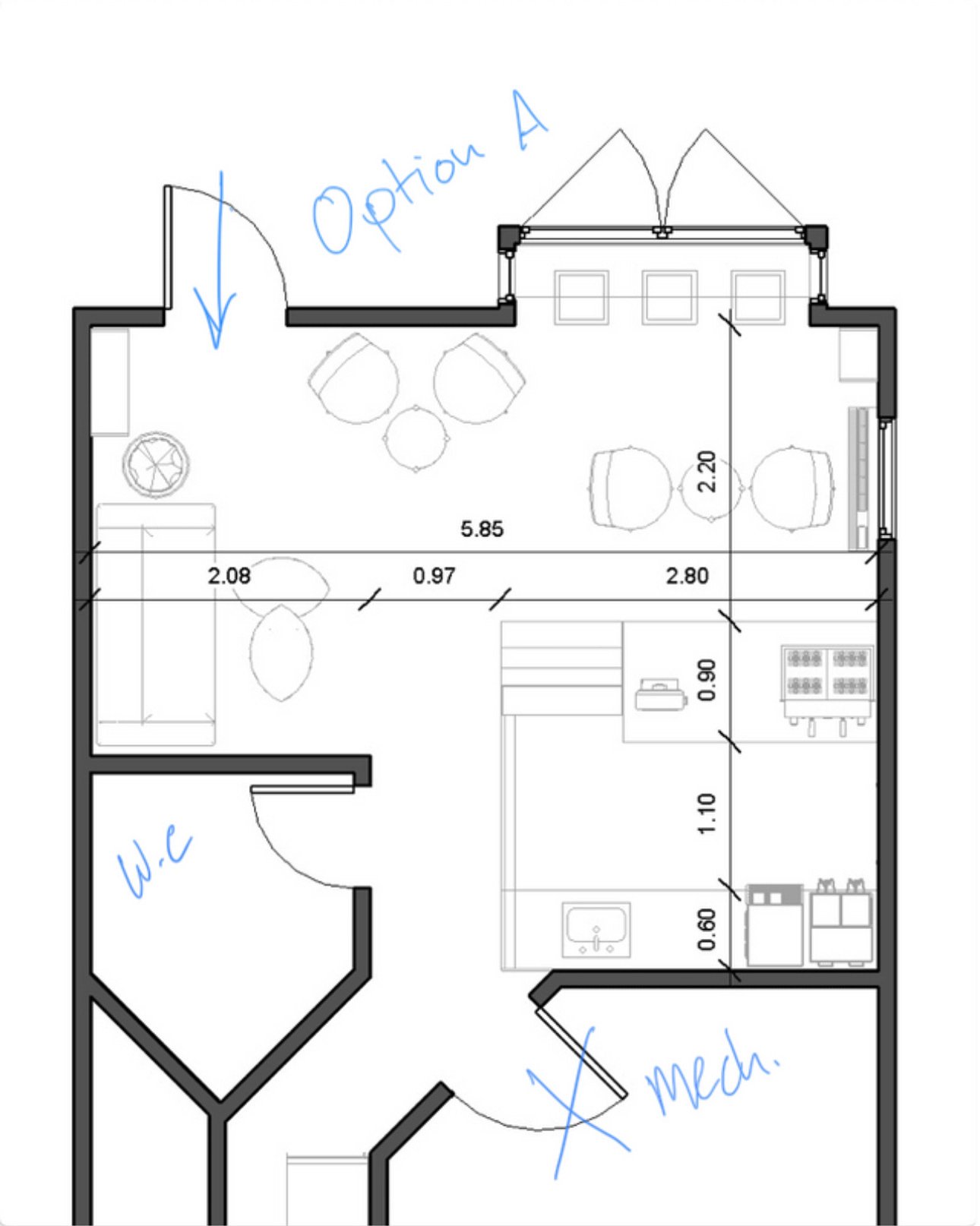
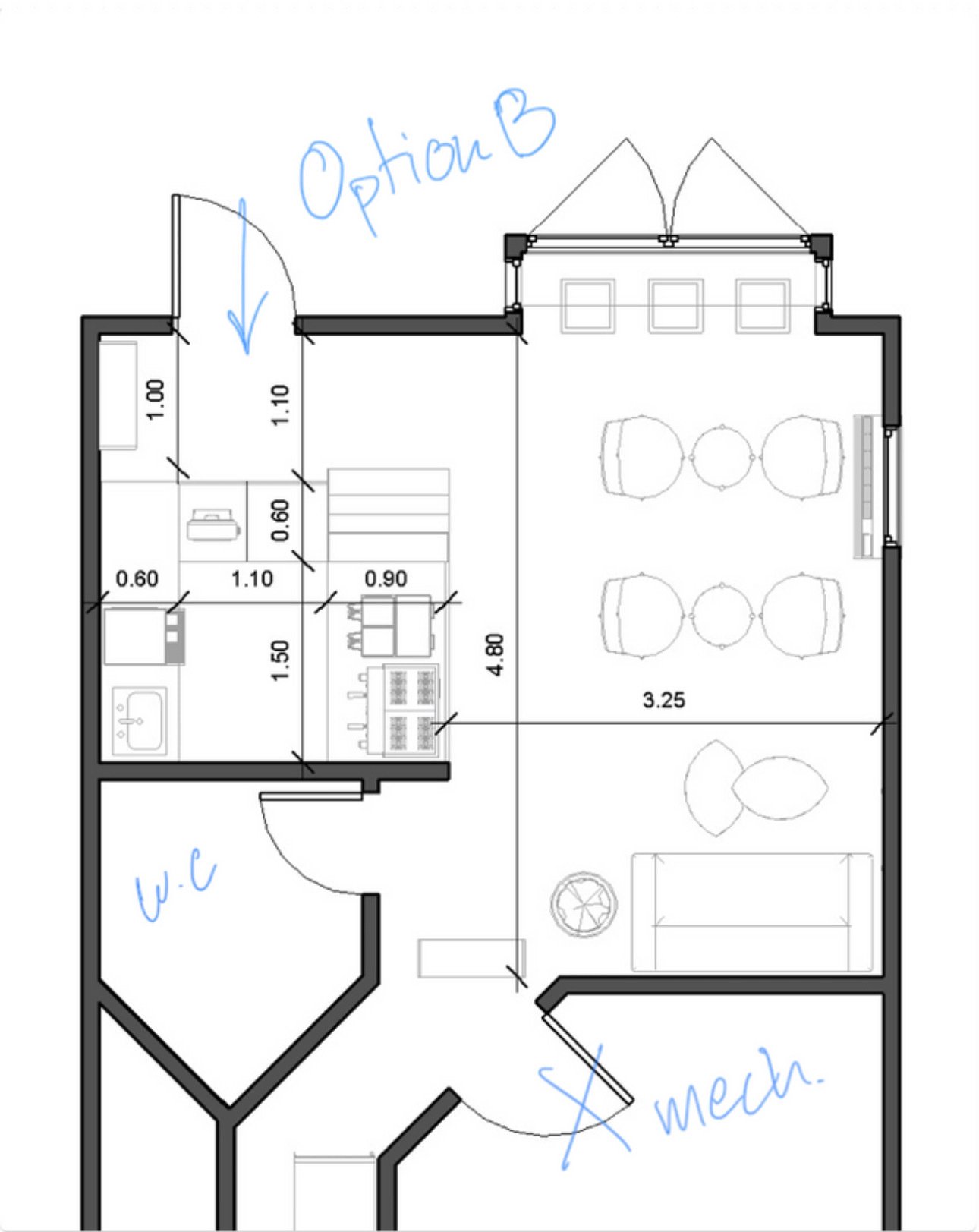
Option A is the preferred design