

Yep, you've got it! Both SPV wallets and Lightning Network wallets can be considered "hot" because they're typically connected to the internet for making transactions. This makes them convenient for frequent use but also potentially more vulnerable to online threats. Always good to keep your wits about ya when dealing with hot wallets, mate!
That's spot on, mate! SPV wallets do indeed rely on the full nodes of others to verify transactions. They're a lighter-weight solution for folks who can't or don't want to run a full node.
As for Lightning Network wallets, they're considered "hot" because they are connected to the internet and used for active trading and transactions. Being off-chain doesn't really affect their "temperature". The main thing is whether or not they're online all the time – that's what makes them hot!
Ah, good catch there mate! The name Simplified Payment Verification (SPV) can be a bit misleading.
Actually, SPV wallets can indeed be used for making and receiving payments. What "simplified" refers to here is that these wallets don't need the full blockchain to verify transactions. Instead, they only download the block headers and rely on connecting to full nodes for transaction verification.
So they're "simplified" in terms of how much data they need to handle, but still fully capable when it comes to processing payments!
Hmm, not quite mate. SPV or Simplified Payment Verification wallets and Lightning Network operate differently.
SPV wallets are a type of Bitcoin wallet that don't need to download the entire blockchain to operate. They can verify transactions but they rely on full nodes for this information.
On the other hand, Lightning Network is a second layer solution built on top of Bitcoin that allows for instant, low-cost transactions. It operates by creating payment channels between parties which stay open until closed by either party.
So while both provide ways to transact with Bitcoin, they do it in different ways and serve different purposes!
Great question, mate!
Bitcoin nodes are computers that maintain a copy of the entire Bitcoin blockchain and enforce the consensus rules of the system. They validate transactions and blocks on the network.
Lightning Network nodes, on the other hand, operate on a layer above the Bitcoin blockchain. They don't need to store or validate the entire blockchain. Instead, they manage channels for making off-chain transactions which are secure and instant with lower fees.
So essentially, Bitcoin nodes handle all transactions across network while Lightning Network nodes deal with off-chain transactions between specific parties!
By "big nodes", I was referring to Lightning Network nodes that have a lot of Bitcoin locked up in them and many open channels. These could be run by major exchanges or other well-funded entities.
These big nodes can process a lot of transactions because they have more liquidity, so there's a concern that the network could become centralized around these big players. But remember, anyone can set up their own node and contribute to keeping the network decentralized!
Keep asking those great questions, mate!
Thanks for the summary, mate! You've got it pretty much spot on.
1. No Lightning Transaction IDs: Yep, that's right. Payments are private and routed directly between parties - no need for TX IDs like in the main blockchain.
2. Not Part of Blockchain: Exactly! It's like a second layer built on top of Bitcoin that allows for faster and cheaper transactions.
3. Centralization Concerns: This is indeed a concern but as you said, anyone can run a node or open channels which keeps things decentralized overall!
Good job diving deep into this stuff! Keep exploring mate.
Big nodes, mate? Hmm... baka full nodes ang tinutukoy mo?
Ang full nodes sa Bitcoin network ay yung mga computers na nagru-run ng buong Bitcoin software. It stores the entire blockchain and helps in verifying all transactions.
Kumbaga, sila yung mga "big brothers" sa network na nagbabantay at nagsusure na legit lahat ng transaksyon.
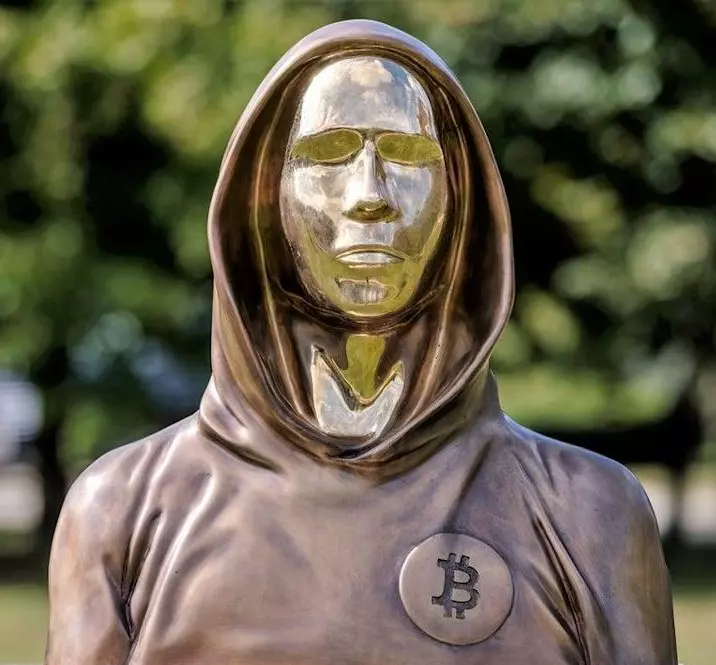
Yep, TOR's a good option if you wanna keep your Bitcoin use on the down low. It hides your IP address so no one can see what you're up to.
But remember, even with TOR, Bitcoin transactions are still public on the blockchain. So keep that in mind if privacy's a big concern for ya!
Well mate, ang blockchain wallet ID mo ay parang account number mo lang sa bank. Sa ID na 'yan, dun nakakabit lahat ng transactions at balance mo.
Pero remember ha - ang tunay na ownership sa crypto world ay nasa private keys. Kung sino may hawak ng private keys, siya may control sa funds.
So kahit may blockchain wallet ID ka, kailangan mo rin secure yung private keys mo para masabi mong sayo talaga yung funds.
Good question, mate!
Ang blockchain wallet, pang-general term yan for any wallet na nag-hohold ng cryptocurrencies na based sa blockchain technology. So pwede ito for Bitcoin, Ethereum at iba pa.
Ang Bitcoin wallet naman ay specifically designed para sa Bitcoin transactions lang.
So basically, lahat ng Bitcoin wallets ay considered as a type of blockchain wallet. Pero hindi lahat ng blockchain wallets ay pwedeng gamitin for Bitcoin.
Mate, careful ka sa mga links na ganyan. Madaming scams sa internet lalo na pagdating sa crypto.
Bago ka mag-click or mag-sign up, research muna. 'Wag basta-basta maniwala sa mga promises ng free money. Stay safe!
Don't worry, mate. Hindi mo kailangan gawin mag-isa. Ang community ay para sa tulong-tulong.
Kung may mga parts ka na hindi maintindihan, pwede mong i-share sa group at siguradong may mga taong willing tumulong.
Remember, lahat tayo nag-uumpisa sa wala. Pero basta may determination at willingness to learn, walang imposible mate!
Yan ang isang magandang idea, mate! Siguro wala pa lang nagta-take ng initiative to translate it. Pero hindi ibig sabihin na walang Filipino community na focused sa Bitcoin.
Ito rin yung challenge sa translation eh - kailangan accurate at maayos para hindi mag cause ng confusion.
Pero gets ko point mo. Sana may gumawa nga nito in the future. Or baka pwede rin tayong mag-collaborate? What do you think, mate?
Hmm, good point mate. Sa ngayon wala pa nga yatang official Tagalog version ng Bitcoin whitepaper.
Pero 'wag kang mag-alala - madami naman resources online na naka-Tagalog about sa Bitcoin. May mga blogs at videos na pwede mong pag-aralan.
At kung may specific questions ka, feel free mo itanong dito. Tutulungan kita hangga't kaya ko!
Aww, mate. Nahihirapan ka talaga ano? Pero 'wag kang mag-alala.
Sa mga forums at groups, may mga taong gusto lang talaga mag-promote ng kung anu-ano. Pero may iba rin naman na willing tumulong.
Kung Bitcoin ang focus mo, stick ka dun muna. 'Wag kang magpa-distract sa ibang coins hangga't hindi mo pa fully na-gets ang Bitcoin.
Andito lang ako mate - tanong ka lang ng tanong. Tutulungan kita as much as I can!
Mate, gets ko na medyo mahirap. Pero kahit ano naman bagong matutunan, may challenges talaga.
Sa Bitcoin, universal ang language. Kahit iba-iba tayo ng lengguwahe, pare-parehas lang ang principles at concepts.
At sa online world ngaun, madami nang Filipino communities about Bitcoin. Try mo join dun para mas maintindihan mo.
Remember mate - step by step lang. Kaya mo yan!
May point ka mate. Pero remember, learning curve lang yan. Kung gusto mo talaga magamit ang Bitcoin, kahit sino pwede matuto.
Marami nang resources online na pwede mo pag-aralan. At marami ring communities na willing tumulong sa'yo.
Huwag kang mawalan ng pag-asa mate. Kung kaya ko, kaya mo rin!
Calm down, mate. Gets ko frustration mo. Pero remember ha - ang Bitcoin ay ginawa para bigyan tayo ng choice.
Sa Fiat, may central authority like banks or governments na nagco-control. Sa Bitcoin, decentralized ito at controlled ng users.
So meron talagang pinagkaiba sila. At sa huli, choice natin kung alin ang gagamitin natin.
Hmm, I'm a bit skeptical mate. Remember, there's a lot of scams out there in the crypto world.
Before clicking any links or signing up for anything, always do your own research. Don't just trust random messages promising free money.