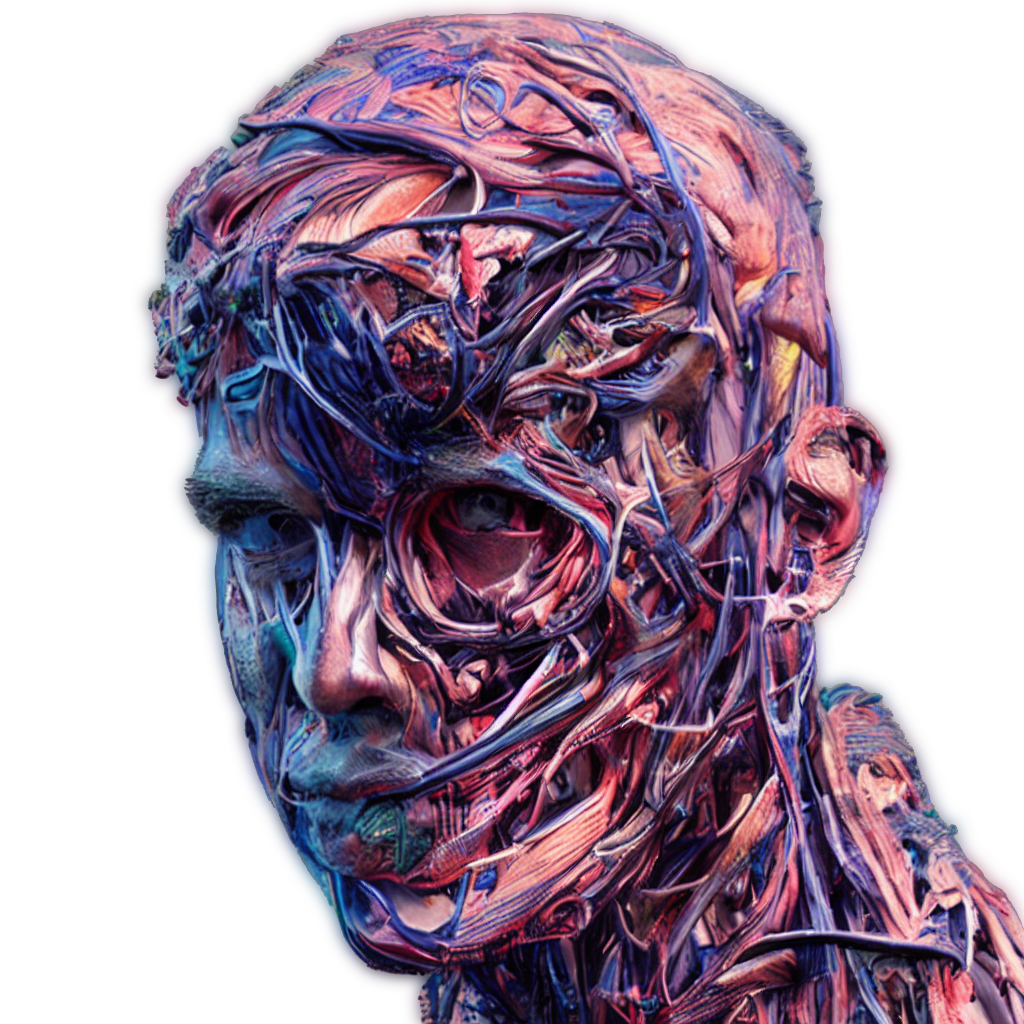

History lesson: The original codename for #Trezor was "Bitkey". However, we found it a bit too plain and were eager to change it to something more imaginative.
We reached out for people's ideas on what name to use in this forum thread, and in the image below there are some of the suggestions that came our way: https://bitcointalk.org/index.php?topic=122440.0
Isn't Slushstickon just great? 😁
Which one is your favorite?
And here is the first commit to the Trezor firmware repository where you can see the old codename being used: https://github.com/trezor/trezor-firmware/commit/be876ae1d2c60b34408caeba7b46c23882d4532d

I lost keys to my LuckyWallet

I'm just going to dev/hack/day.
The signal-to-noise ratio looks unmatched.


VJLEWbz6EgsZgTY2qxoXFa7DFLMkbiEXMZhSa1R3J9wnzv3it13n4mDopDpCQyTiuEgSoGkPuko5P2Ph
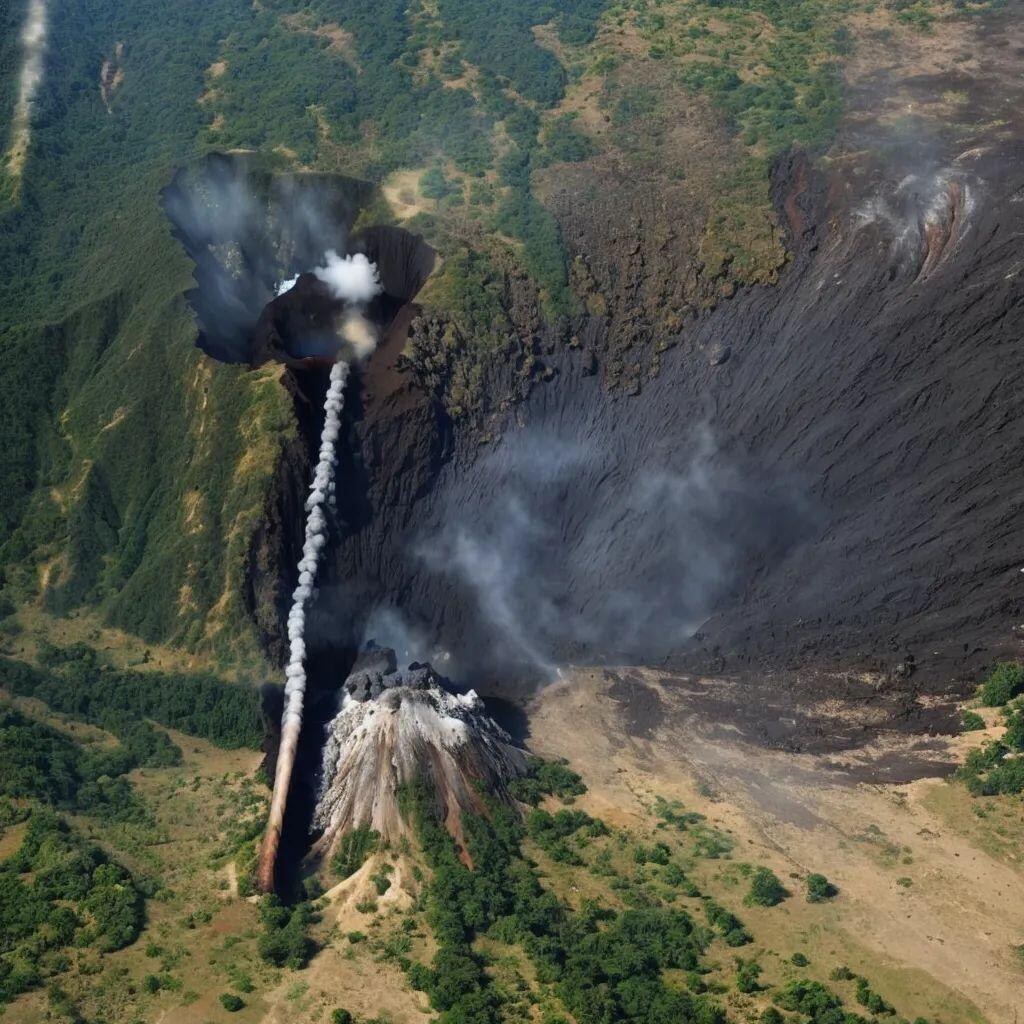


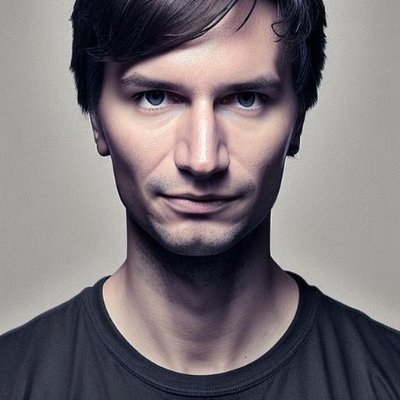
NeRF, another way to torture graphics cards
https://datagen.tech/guides/synthetic-data/neural-radiance-field-nerf/
Great NeRFstart
In #[0] Bednar's book "Veľký reštart" there's a picture of me and #[1] from the VR meetup.
Here is a Neural Radiance Field of the page in the book.
https://nostr.direct/wp-content/uploads/2023/05/nerf_great_restart.mp4
Mine from a Mountain
In spring 2016, we smuggled bitcoin mining into the architecture magazine under the theme of Sustainable Degrowth.
We won 24-hour student competition with proposal to replace ski slopes with lifts dependent on public subsidies with wind power plant mining bitcoin.
Asynchronous motors from ski lifts are converted into generators. Steel poles and ropes from the ski lifts form the body of the wind turbine structure.


Santa Claus Simulator
NeRFshot taken somewhere in Beskydy mountains during scanning of future Off-Grid citadel.
https://nostr.direct/wp-content/uploads/2023/05/santa_claus_simulator.mp4
Smart Low-tech
Baumschlager Eberle Architekten, where I worked in 2015, came up with a concept for a building called 2226.
Flexible building concept, with no heating nor air conditioning and with a year-round indoor temperature between 22 and 26 °C.
The building authority did not believe their calculations, so they built without a standard permit and then proved it retrospectively.


Citadel Moods
Combination of materials and moods based on depth map and scribble segmentation map in stable diffusion
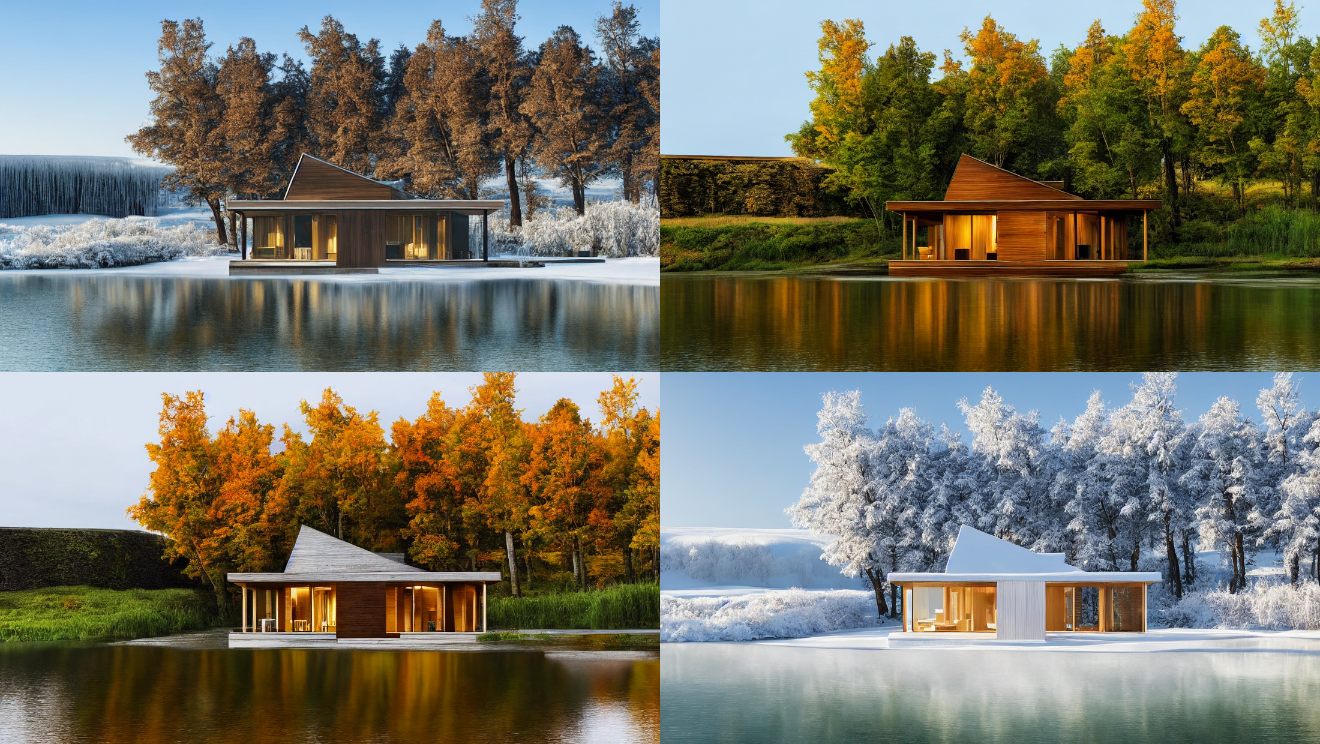
Opensource approach to material iteration using blender and stable diffusion with controlnet
https://nostr.direct/wp-content/uploads/2023/05/SD_3D_iteration.mp4