
Said quite well, the flu fatal many years ago was warned, the key is still to pay attention to ah
<<<<<<<<
Japan's advanced medical care, why can not save the big S.
The news of the death of the big S (Xu Xiyuan) in Japan, shocked the whole network. Initially, the focus was on the question, "How can a flu kill?" Subsequently, the topic evolved into: "Japan's medical treatment is so bad that it can't even cure a flu?"
Today, I've received similar questions from many netizens, and I feel the need to talk about it.
"Japan's medical care sucks"?
When this incident came out, many people's first reaction was, "Is Japanese medical care unreliable? If rich/connected celebrities can't be saved, what can ordinary people do if they get infected?"
However, if you have lived in Japan, you know that the medical system here is actually very mature, especially in the management of major diseases and chronic diseases, Japan's medical level of global leadership.
But here's the thing - as advanced as medical care is, it's all for naught if the patients themselves don't pay attention to it.
According to the latest media reports, the Japanese tour guide who received Big S and his family broke the news that "Big S's condition actually dragged on for several days. At the earliest time when they went to the hospital, they just took medicine and did not pay special attention to it, and then they continued to go out travelling. By the time the condition became serious and was sent to the hospital overnight for resuscitation, it was already too late."
Therefore, this incident cannot be simply attributed to "whether Japanese medical treatment is good or not", but more importantly, the best time for treatment was missed.
Why does the flu kill?
Many people mistakenly think that the flu is a common cold, and that it will get better in a few days. But in fact, influenza is potentially fatal, mainly due to its complications, such as viral pneumonia, myocarditis and acute respiratory distress syndrome.
Especially for high-risk groups (e.g., the elderly, pregnant women, people with underlying medical conditions), the flu can evolve into a serious lung infection that can lead to respiratory failure.
This may be where Big S's problem lies - her condition rapidly deteriorated from a common flu, to a fatal pneumonia, which may have lasted only a few days.
This, coupled with the fact that her physical and mental state may have been riddled with holes over the past few years, makes her even more susceptible to serious complications.
Is there really a "Japanese flu"?
There is also a misconception that Big S contracted the "Japanese flu", and some have even said that she died of the "Japanese flu".
But the fact is that influenza viruses are global, and strains of influenza viruses around the world are constantly mutating, and are not unique to any one country.
Influenza A, which is prevalent in Japan this year, is not unique to Japan, but is the same type of virus as the global influenza trend. Therefore, to attribute the cause of Big S's death to "Japanese influenza" is sheer nonsense.
The panic triggered by this incident actually reflects that people do not have a good understanding of the seriousness of influenza, rather than the fact that influenza in Japan is particularly lethal.
Seek medical treatment in Japan, really "too late"?
Some netizens are also worried about whether it is too troublesome to see a doctor in Japan. Is it too long to wait for an appointment?
It depends on the situation:
- It is true that you need to make an appointment in advance for a general outpatient appointment, and you may even have to wait for a few days.
- However, if the condition is critical, major hospitals in Japan have 24-hour emergency clinics, so you can go there at any time.
- In addition, symptoms like fever and cough can be seen very quickly at clinics and hospitals in Japan, and you can usually get antiviral medication on the same day.
- So, the point is not that "Japanese medical care is slow", but when you decide to go to the hospital.
Some advice for you in Japan:
1. Influenza is not a common cold, so don't take it hard. Especially if you have a high fever that won't go away, shortness of breath, or a worsening cough, don't wait and go to the hospital as soon as possible.
2. Learn to use the Japanese medical system. For minor illnesses, you can go to a nearby clinic (クリニック); for emergencies, you can go directly to a major hospital's emergency room (救急外来) with or without an appointment.
It is also free to call an ambulance (119) in Japan, but be aware that the Japanese ambulance dispatch system may give priority to more serious patients unless the situation is urgent, so if your condition permits, go to the hospital on your own if possible.
3. Don't be afraid if you don't understand Japanese. Many hospitals have translation services, or you can prepare a medical translation app in advance.
4. Don't underestimate your physical condition. Especially for people with weakened immune systems, the flu may not be a matter of "just get over it", but rather a matter of "it could kill you".
Conclusion: Advanced medical care does not mean that accidents don't happen
. The death of Big S is indeed regrettable, but it's not because "Japanese medical care doesn't work", it's because of the suddenness of the disease, the delay in treatment, and the high risk of complications from the flu.
What we can do is not just to lament the impermanence of life, but to learn something from this incident. Don't take the flu lightly, don't delay seeking medical attention, and don't wait until the last minute to realise how precious your health is.
There are no do-overs in life, and every time you ignore your body's warnings, you are draining the future. May we all treat ourselves well, cherish the moment and put our health first.
说的挺好的,流感致命很多年前就被警告过,关键还是要重视啊
<<<<<<<<
日本医疗发达,为什么救不了大S?
大S(徐熙媛)在日本去世的消息,震惊全网。最初,大家关注的是“一个流感竟然能致死?”随后,话题又演变成:“日本的医疗太烂了,连一个流感都治不好?”
今天收到了许多网友类似的疑问,我觉得有必要来聊一聊。
“日本医疗太烂”?
这个事件出来后,很多人第一反应是:“日本医疗是不是不靠谱?有钱/有关系的明星都救治不了,那普通人感染了可怎么办?”
但是,如果你在日本生活过,就知道这里的医疗体系其实很成熟,尤其在重大疾病和慢性病管理上,日本的医疗水平全球领先。
但问题是——医疗再发达,病人自己不重视,也是白搭。
根据最新的媒体报道,接待大S他们一家的日本导游爆料称:“大S的病情其实拖了好几天。最早去医院时,只是拿了药,并没有特别重视,之后还继续外出旅游。等到病情严重,连夜送医抢救时,已经来不及了”。
所以,这个事情不能简单归结为“日本医疗行不行”,更重要的是错过了最佳的治疗时机。
流感为什么会致死?
很多人误以为,流感=普通感冒,顶多难受几天就会好。但实际上,流感是有可能致死的,主要原因是它的并发症,比如病毒性肺炎、心肌炎、急性呼吸窘迫综合征等。
尤其是对于高危人群(比如年长者、孕妇、有基础病的人),流感可能会演变成严重的肺部感染,导致呼吸衰竭。
大S的问题,或许就出在这里——她的病情从普通流感,迅速恶化为致命性肺炎,而这一过程可能仅仅持续了几天。
再加上过去几年,她的身心状态或许早已千疮百孔,使她更容易受到重症并发症的影响。
真的有“日本流感”吗?
还有一个误解是,很多人以为大S感染的是“日本特有的流感”,甚至有人说她是死于“日本流感”。
但事实上,流感病毒是全球性的,世界各地的流感病毒株会不断变异,并非某个国家独有。
今年日本流行的甲型流感,也并不是日本特有,而是和全球流感趋势一致的病毒类型。因此,把大S的死因归咎于“日本流感”,是纯属扯淡。
这次事件引发的一些恐慌,其实反映出的是,大家对流感的严重性,认识不足,而不是因为日本的流感,有特殊的致死性。
在日本看病,真的“来不及”吗?
也有网友担心,在日本看病,是不是太麻烦?是不是等预约等太久?
这要分情况:
- 普通门诊确实需要提前预约,甚至可能要等几天。
- 但如果病情危急,日本的大医院是有24小时急诊的,随时可以去。
- 另外,像发烧、咳嗽这种症状,在日本的诊所和医院都能很快就诊,一般当天就能拿到抗病毒药物。
- 所以,问题的关键并不是“日本医疗慢”,而是你什么时候决定去医院。
给在日本的你几点建议:
1. 流感不是普通感冒,别硬扛。特别是当你出现高烧不退、呼吸急促、咳嗽加重的时候,不要等,尽早就医。
2. 学会用日本的医疗系统。如果是轻症,可以去附近的诊所(クリニック);如果是紧急情况,不管有没有预约,都可以直接去大医院的急诊(救急外来)。
此外,在日本拨打救护车电话(119)是免费的,但要注意,除非情况紧急,否则日本的救护车调度系统可能会优先更严重的患者,因此如果病情允许,尽可能自行前往医院就诊。
3. 不懂日语也别怕。很多医院都有翻译服务,或者可以提前准备一个医疗翻译APP。
4. 不要低估自己的身体状况。特别是免疫力较弱的人群,流感可能不是“扛一扛就过去”的问题,而是“可能会要命”。
结论:医疗发达≠不会出意外
大S的去世,确实让人遗憾,但它不是因为“日本医疗不行”,而是因为疾病的突发性、延误治疗、以及流感并发症的高危性。
我们能做的,不只是感叹生命的无常,而是从这件事中真正学到些什么。别轻视流感,别拖延就医,别等到最后一刻才意识到健康的珍贵。
人生没有重来,每一次忽视身体的警告,都是在透支未来。愿我们都能善待自己,珍惜当下,把健康放在第一位。
#日本生活 #温哥看日本



用国内卡买btc确实是个考验。
现在教师确实太难了

Have a nice day ❤️
小病也必须重视啊 


美味开始😄 
笑死
nostr:naddr1qqjrsdmrxsurzwfs94nrse3c956xxvtx943xzvty95erjcfnxsmkycesxuck2qg4waehxw309aex2mrp0yhxgctdw4eju6t09upzqx90ltdvk3ck272pfpwcuvznu2lqm2544fp0n3hcdqxk936c4x4nqvzqqqy9hs5wjsux

一不小心点多了 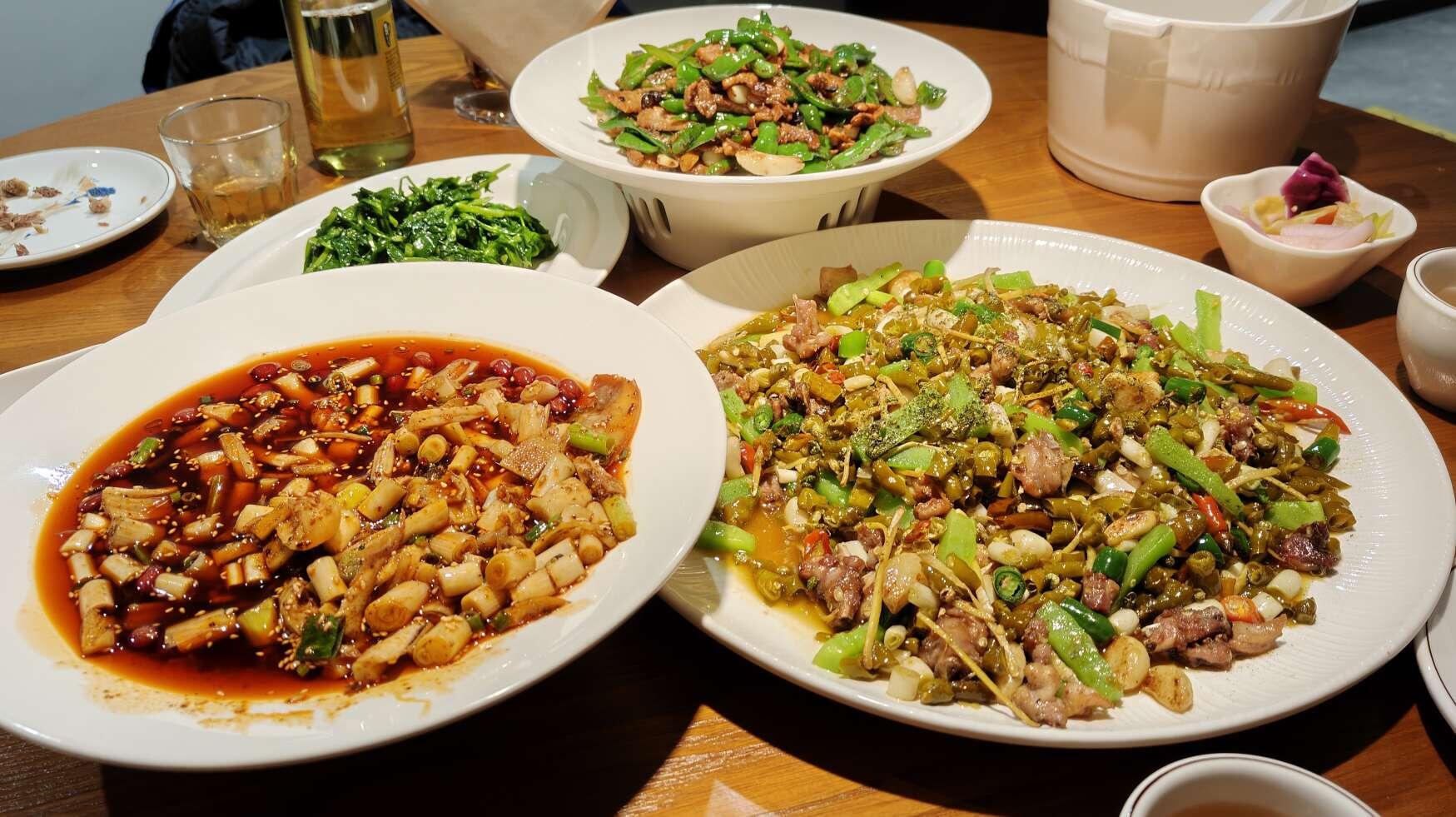


There have no pictures?
How about electric microscope?