

“The smart way to keep people passive and obedient is to strictly limit the spectrum of acceptable opinion, but allow very lively debate within that spectrum — even encourage the more critical and dissident views. That gives people the sense that there's free thinking going on, while all the time the presuppositions of the system are being reinforced by the limits put on the range of the debate.”
—Noam Chomsky 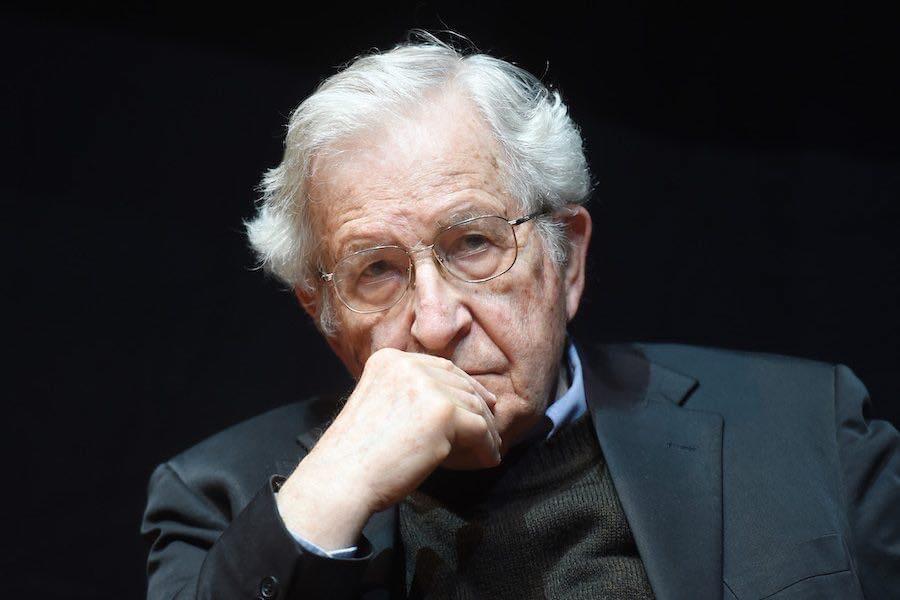
"You gotta resurrect the deep pain within you and give it a place to live that’s not within your body.
Let it live in art.
Let it live in writing.
Let it live in music.
Let it be devoured by building brighter connections.
Your body is not a coffin for pain to be buried in.
Put it somewhere else."
— Ehime Ora
original post~Energy Balance Harmony
— Artwork : ayepixel 
I missed you quietly today. So quietly that no one noticed.
I missed you as I climbed out of bed and as I brushed my teeth; when I waited at the lights on the drive into work and as I heard the rain outside my window.
I missed you as I ordered lunch and as I kicked off my shoes when I got home; as I switched off the lights and climbed into bed for the night.
I missed you without tears or noise or fanfare.
But oh how I felt it.
I felt it in the morning, at lunchtime, in the evening and at night. I felt it as I woke, as I waited, as I worked. I felt it at home, on the road, in the light, in the dark, in the rain.
I felt it in every one of those moments, each one sitting heavier and heavier as the weight of me missing you kept growing and growing.
Yes, I missed you so quietly today.
But I felt it so loudly.
*****
Becky Hemsley 2024 
🗻🌊The deep seabed is defined as the region that is more than 200 meters deep, extending to the abyssal plains that range from 3,000 to 6,000 meters. Beyond these plains are ocean trenches, such as the famous Mariana Trench, which reaches an impressive depth of up to 11,000 meters. These abyssal and hadal areas host a diversity of life adapted to extreme conditions of pressure and darkness, and are crucial for understanding the geological and biological processes that occur in the deep ocean. 
😧 
In The Matrix, when Morpheus tells Neo that "many are not ready to unplug from the system," he is speaking to a profound truth about human nature, which reflects both the story's fictional world and the real-life metaphysical condition of society. The "system" in The Matrix is a metaphor for the Illusion—an artificial construct designed to control and subdue humanity by giving them a false sense of reality, much like how many live today trapped in the illusions of society, unable or unwilling to see beyond the veil of lies, manipulation, and control.
Morpheus understands that, for many, the comfort of the system is preferable to the unsettling and often painful process of awakening to truth. People have become conditioned, through years—sometimes generations—of indoctrination, to accept the world as it is presented to them. To unplug from this system is to face a harsh, sometimes unbearable, reality that everything they thought was real is, in fact, a lie. This requires courage, a willingness to embrace discomfort, and most importantly, the readiness to let go of what one thought to be the truth.
Morpheus also knew that those still plugged into the system are often its most ardent defenders. Why? Because the system has become their identity. Their sense of self, their beliefs, their values—all are tied to the illusions and constructs of that system. To threaten it is to threaten everything they hold dear. For many, it is easier to defend the system than to confront the possibility that they have been deceived.
Defending the System: A Psychological Reaction
When Morpheus says that "many will fight to protect it," he's speaking to a psychological truth: cognitive dissonance. When presented with information that contradicts deeply held beliefs, people experience discomfort. Instead of questioning the belief or the system itself, they will often reject the new information to protect their ego and sense of security. This is why people who are still plugged into the system will vehemently defend it, even when evidence suggests that it is corrupt, failing, or based on lies.
For those who are not ready to unplug, the system represents safety, order, and familiarity. It's the comfortable prison of the mind, and to face the truth would mean losing not only this sense of safety but also their role within the system. The Illusion provides them with structure and predictability, and they will fight to preserve it, even at the cost of their freedom and truth.
Clinging to the Illusion in Today’s World
In today’s world, this concept is strikingly relevant. The system can represent various elements of modern society—political ideologies, economic structures, societal norms, and even religious dogma. Those who cling to the system often do so out of fear, ignorance, or a desire for control. The system, through media, education, and government institutions, programs people from an early age to accept it as reality. It offers a narrative: if you work hard, follow the rules, and accept your place within it, you will succeed, be happy, and fulfilled. But we know this is not true for everyone.
The awakening process requires breaking away from these narratives and questioning the very foundation of what is accepted as truth. This is the essence of Hermeticism—the practice of questioning the surface to find the deeper truths hidden beneath. However, those who cling to the system will often ridicule, attack, or ostracize anyone who dares question its authority. Why? Because to question it is to question the very fabric of their own reality.
Unplugging: A Difficult but Necessary Process
Unplugging from the system, much like in The Matrix, is a metaphor for waking up from the collective dream that has been sold to the masses. It's about peeling back the layers of illusion to see the world as it truly is, rather than how we’ve been told to see it. Yet, this process is not easy. It involves dismantling years of conditioning and societal programming. It means facing uncomfortable truths about the world and, more importantly, about ourselves.
For those ready to unplug, the journey is one of liberation—of freedom from the mental and spiritual bondage that the system imposes. But for many others, the fear of the unknown, the discomfort of confronting deep-seated beliefs, and the pain of letting go of long-held illusions are too overwhelming.
The Nature of the Matrix as a Metaphor for Control
In the context of Hermetics, the system represents more than just societal control—it represents the materialistic, limited, and external focus that keeps people trapped in ignorance of their true nature as divine consciousness. The system fosters division, fear, and separation. It teaches people to focus on external validation, material success, and power over others. But in truth, as Hermetics teaches, we are all connected, and the real power lies in knowing and mastering the self.
To unplug from the system means to transcend these lower, ego-driven desires and awaken to the deeper spiritual truths that govern the universe. It’s about recognizing that the external world is but a reflection of the internal state. When we unplug, we reclaim our sovereignty and align ourselves with the higher principles of wisdom, truth, and love.
But those who cling to the system remain blind to this truth, often because the system rewards conformity and punishes deviation. They see anyone who unplugs as a threat, not because those individuals are dangerous, but because they challenge the false security the system provides.
Defending the Illusion: The Role of Fear
The strongest weapon of the system is fear—fear of the unknown, fear of losing status, fear of being wrong. This fear causes people to defend the illusion vehemently. They project this fear outward, attacking anyone who threatens to disrupt the illusion they’ve built their lives upon. This is why Morpheus says they will fight to protect it. They are not fighting for the system because they believe in it—they fight because they fear what lies beyond it. They fear the truth.
In Hermetic philosophy, fear is rooted in ignorance, and the antidote to fear is knowledge—gnosis, the direct experience of truth. When one begins to see beyond the Illusion, the fear starts to dissolve. The system’s control weakens because its power lies in keeping people in the dark, disconnected from their true essence. Those who cling to it do so not because the system serves them, but because they do not know who they are without it.
Moving Beyond the System
For those who have unplugged or are in the process of doing so, it is crucial to remember that not everyone is ready. Much like Neo, we must navigate the world with the awareness that many are still prisoners of their own minds, held captive by the Illusion. But the task is not to force anyone to awaken; rather, it is to continue living in truth, as beacons of light, planting seeds for those who are ready to see beyond the veil.
Morpheus’s words hold an eternal truth: many are not ready to unplug because they are not ready to face the chaos of the real world, where their perceptions, beliefs, and identities must be reexamined. And those who cling to the system will continue to defend it until they find the courage to look beyond it. 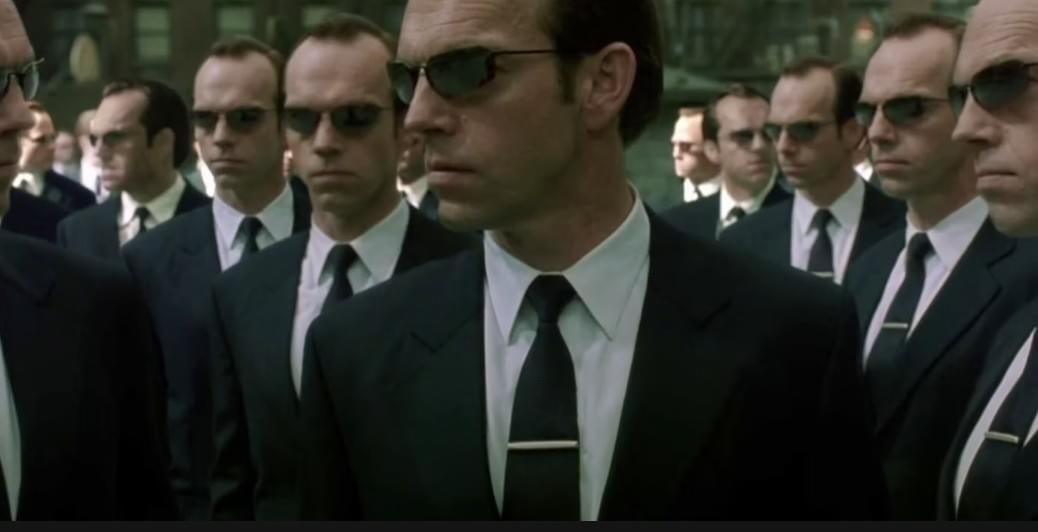
The Tomb of Genghis Khan: Lost for Centuries #gengiskhan 
IMPORTANT 🐝
When you see something like this, don't be afraid, don't call firefighters or civil protection, don't move them, don't kill!
It's just bees traveling, they're passing by and will only stop for 24 hours. Don't disturb them and avoid getting close, they won't hurt you. If you want to help them, put a flat plate or a flat container with a light layer of sugar water. You will see how they will feed, grab energy, and go their way.
We all must protect the traveling swans, they are our survival insurance. If they die, we die later. Without bees, no human being will remain on the face of the Earth..
Please be careful and don't kill bees! 🐝 
🐝 A bee photographed with a high-resolution camera 

That's for cutting down my forest!🌳 
Artist 🎨 @eddybeuer 
"You gave me a forever within the numbered days, and I’m grateful. Our time together was brief, like a shooting star blazing through a dark sky, but it left a mark on my soul, an imprint that will never fade. I mourn the love we could have had, the life we might have shared, but I am also grateful for the moments we did. For even in its ending, even in its heartbreak, our love was a rare and beautiful thing."
— From "The Fault in Our Stars" by John Green 


You better watch them and also make sure you’re a master swimmer, water drowning is dangerous lost some good folks to that, but i pray you all be safe.
Who loves tamales 🫔 
The most tomatoes harvested from a single plant is 32,194
According to the Guinness Book of World Records a single tomato plant achieved an incredible feat, producing a record-breaking 32,194 tomatoes in just under a year.
The record is held by Walt Disney World’s Epcot Science project in Lake Buena Vista, Florida.
The harvest began on May 24, 2005, and concluded on April 20, 2006, showcasing the remarkable potential of innovative agricultural techniques.
Weighing in at an impressive 522 kg (1,151 lbs), this tomato plant's yield was used to feed tourists in Disney parks. 
I love this! An old dresser turned into an entryway! I like that the hangers are still there too! 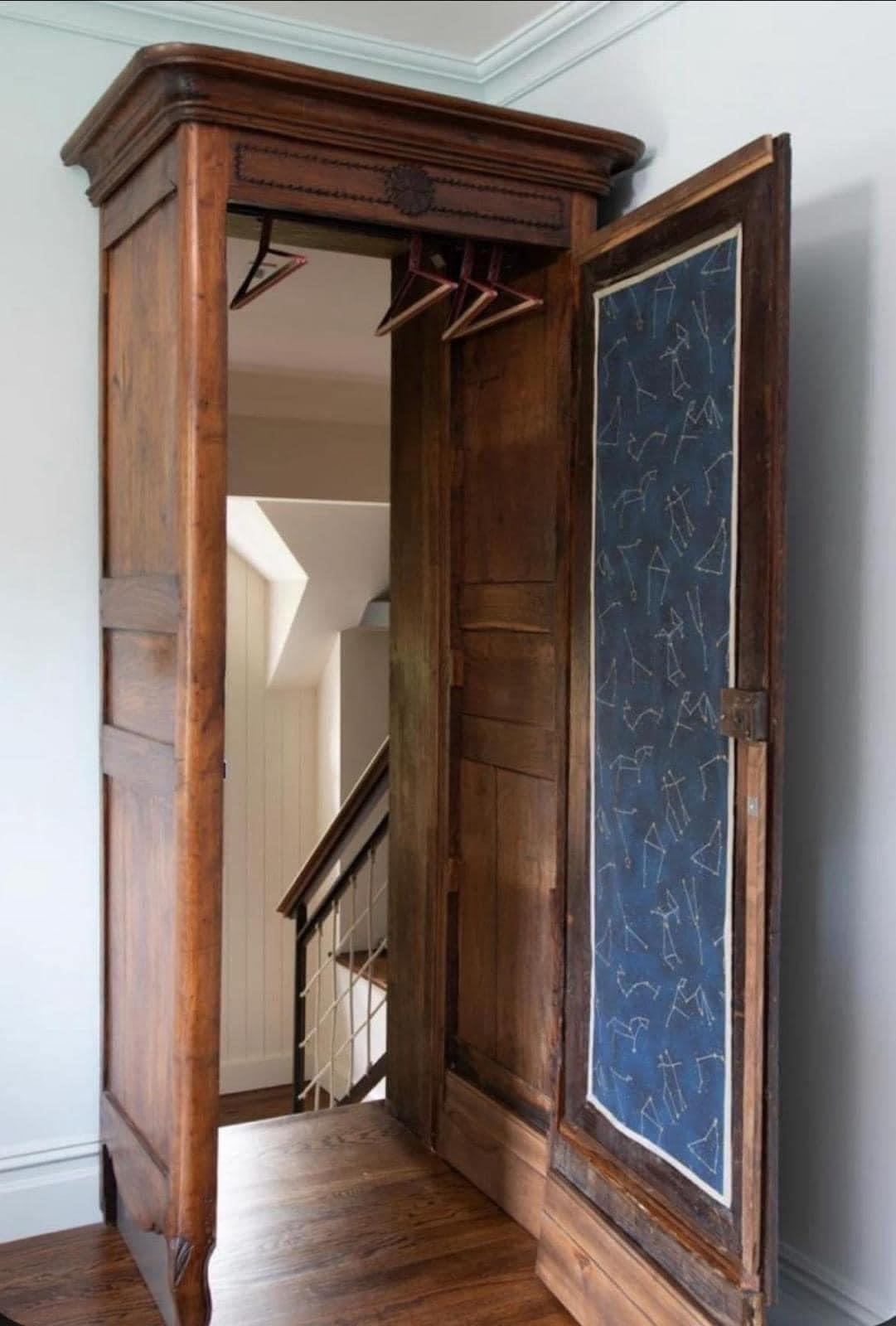
Today's reality 💔 
The American Radiator Building, now known as the Bryant Park Hotel, is one of the most iconic early skyscrapers in New York City. Located at 40 West 40th Street, it overlooks Bryant Park in Midtown Manhattan. This building, constructed in 1924, is a standout example of the fusion of Gothic Revival and Art Deco styles, designed by renowned architects Raymond Hood and André Fouilhoux. Its design and significance have made it a prominent fixture in New York City's skyline and a key piece of the city’s architectural history.
Historical Overview:
Originally commissioned by the American Radiator Company, the building was intended to serve as the company's headquarters. At the time, the American Radiator Company was a major player in heating and plumbing systems, so the building was constructed to reflect both industrial power and modern elegance. The black brick exterior, intended to symbolize coal, and the gold trim, representing fire, are metaphors for the company’s business, combining both raw industrial elements with luxurious, forward-thinking design.
Key Points and Architectural Significance:
Architectural Design and Style:
Designed by Raymond Hood, who later designed the famous Rockefeller Center, and André Fouilhoux, the building is a hybrid of Gothic Revival and Art Deco architecture.
Its most striking feature is its black brick facade, an unconventional choice at the time, symbolizing coal. The gold trim on the setbacks and pinnacles represents fire, directly tying the building’s aesthetics to the American Radiator Company's role in the coal and heating industries.
The building's verticality, ornamentation, and setbacks are early signs of what would become the dominant Art Deco skyscraper style in New York throughout the 1920s and 1930s.
Height and Structure:
The building stands at 338 feet (103 meters) and has 23 stories, a significant height for its time.
Its steel-frame construction allowed for large vertical dimensions, and the use of setbacks—required by the 1916 Zoning Resolution—helped shape the city's modern skyscraper aesthetic.
Symbolism in Materials:
The choice of materials in the building’s facade is symbolic: black bricks represent coal, the source of heat, while gold represents fire and energy, key elements of the heating and radiator industry.
The use of industrial imagery in an elegant building was groundbreaking, and the American Radiator Building is often cited as a precursor to the Art Deco movement, blending industrial might with luxury and beauty.
Cultural Impact:
The building’s bold design and rich symbolism caught the attention of artists and critics alike. It was famously painted by Georgia O'Keeffe in her 1927 work Radiator Building – Night, New York, where she depicted the building against a luminous nighttime cityscape, highlighting its iconic shape and glowing gold details.
The American Radiator Building became a symbol of the modern age—where industry, art, and architecture met—at a time when New York was asserting itself as a global center of innovation and culture.
Transition to the Bryant Park Hotel:
In 2001, the building was converted into the Bryant Park Hotel, a luxury boutique hotel that retained much of its original architectural grandeur. The hotel has kept many of the building's iconic features while adding modern amenities and services. The hotel continues to be a cultural landmark, hosting events and celebrities, and maintaining the historical aura of the building.
Influence on Future Architecture:
The American Radiator Building is often considered a precursor to the fully developed Art Deco style that would dominate New York architecture in the 1920s and 1930s. Raymond Hood’s design sensibilities, displayed in this building, were later applied in his more famous projects, like Rockefeller Center and the McGraw-Hill Building.
Its bold color scheme of black and gold was highly unusual for its time and set the stage for a more adventurous approach to materials and ornamentation in skyscrapers.
Legacy and Preservation:
The building was designated a New York City Landmark in 1974, ensuring its preservation as a crucial piece of the city's architectural history.
It has become a cherished part of the New York skyline, particularly noticeable from Bryant Park, and remains a favorite subject for photographers and architects due to its striking contrast with nearby modern glass skyscrapers.
Conclusion:
The American Radiator Building is an outstanding example of how industrial symbolism and modern aesthetics can blend into a masterpiece of architecture. Its use of black bricks and gold accents to reflect the heating industry, coupled with its early adoption of Art Deco styling, make it an important precursor to many of New York's iconic buildings. Its transformation into the Bryant Park Hotel in the 21st century has allowed the building to retain its place in both the city's history and its future, continuing to serve as a symbol of New York’s architectural evolution. 