Artwork named “Mother’s love”. 
Giant hives hanging from the ceiling inside a glass case with outdoor access at “Home of Bees” in Poyales del Hoyo, Spain.
Bees sometimes create beautiful heart-shaped hives when they aren’t forced into frames. 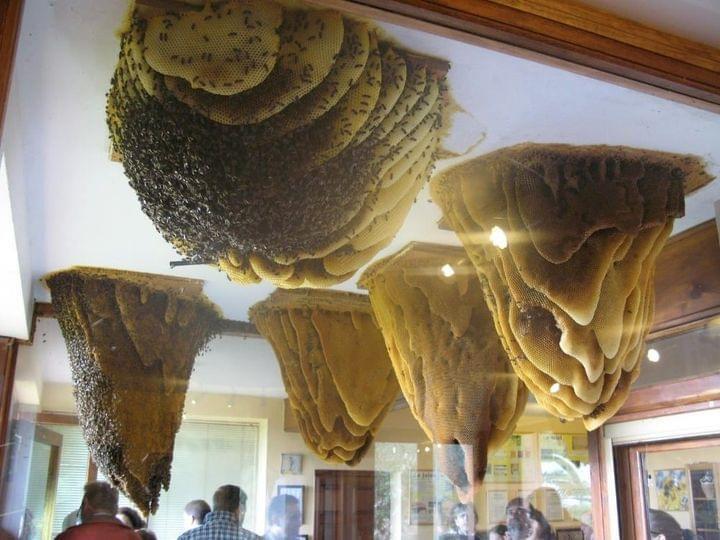
In his 1976 book The Twelfth Planet, Russian-American author Zecharia Sitchin claimed that the Anunnaki were actually a race of extraterrestrial beings from the undiscovered planet Nibiru, who came to Earth around 500,000 years ago in order to mine gold.
According to Sitchin, the Anunnaki genetically engineered homo erectus to create modern humans to work as their slaves. Sitchin claimed that the Anunnaki were forced to leave Earth when Antarctic glaciers melted, causing the Flood of Noah, which also destroyed the Anunnaki’s bases on Earth. These had to be rebuilt and the Nephilim, needing more humans to help in this massive effort, taught them agriculture.
Ronald H. Fritze writes that, according to Sitchin, “the Annunaki built the pyramids and all the other monumental structures from around the world that ancient astronaut theorists consider so impossible to build without highly advanced technologies.“Sitchin also claimed that the Anunnaki had left behind human-alien hybrids, some of whom may still be alive today, unaware of their alien ancestry. Sitchin expanded on this mythology in later works, including The Stairway to Heaven (1980) and The Wars of Gods and Men (1985). In The End of Days: Armageddon and the Prophecy of the Return (2007), Sitchin predicted that the Anunnaki would return to earth, possibly as soon as 2012, corresponding to the end of the Mesoamerican Long Count calendar. 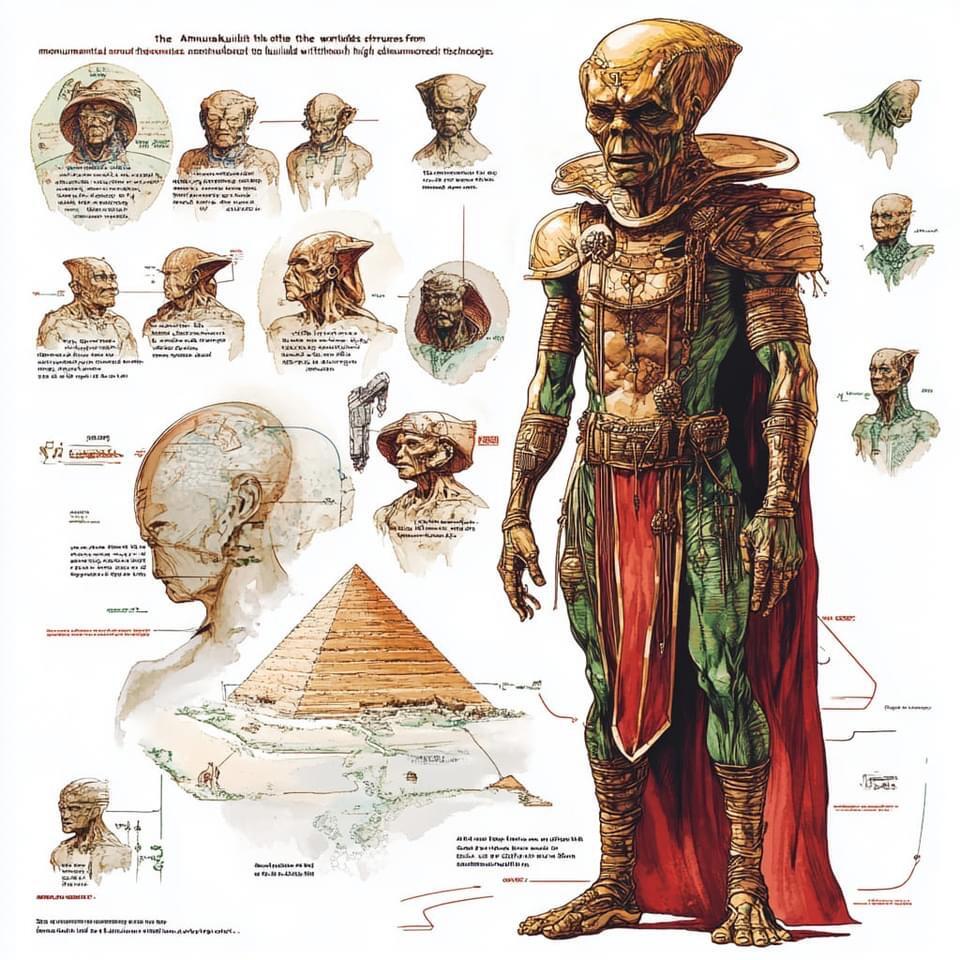
In his 1976 book The Twelfth Planet, Russian-American author Zecharia Sitchin claimed that the Anunnaki were actually a race of extraterrestrial beings from the undiscovered planet Nibiru, who came to Earth around 500,000 years ago in order to mine gold.
According to Sitchin, the Anunnaki genetically engineered homo erectus to create modern humans to work as their slaves. Sitchin claimed that the Anunnaki were forced to leave Earth when Antarctic glaciers melted, causing the Flood of Noah, which also destroyed the Anunnaki’s bases on Earth. These had to be rebuilt and the Nephilim, needing more humans to help in this massive effort, taught them agriculture.
Ronald H. Fritze writes that, according to Sitchin, “the Annunaki built the pyramids and all the other monumental structures from around the world that ancient astronaut theorists consider so impossible to build without highly advanced technologies.“Sitchin also claimed that the Anunnaki had left behind human-alien hybrids, some of whom may still be alive today, unaware of their alien ancestry. Sitchin expanded on this mythology in later works, including The Stairway to Heaven (1980) and The Wars of Gods and Men (1985). In The End of Days: Armageddon and the Prophecy of the Return (2007), Sitchin predicted that the Anunnaki would return to earth, possibly as soon as 2012, corresponding to the end of the Mesoamerican Long Count calendar.
This photo captures the monumental effort to relocate the iconic Abu Simbel temples in Egypt during the 1960s. Threatened by the rising waters of the Aswan High Dam, the ancient temple complex—built by Pharaoh Ramesses II over 3,000 years ago—was carefully dismantled and moved to higher ground. The massive stone statues, including the famous seated figures of Ramesses, were cut into large blocks and reassembled piece by piece. This engineering marvel preserved a priceless piece of ancient history, ensuring its survival for future generations. 
The stone that crowned the pyramids
The pyramid's crown is the pyramid-shaped stone piece that was located at the top of the obelisks and pyramids, or the summit; it symbolized the place where the sun god Ra or Amun-Ra sat, at the top of the monument, as the meeting point between heaven and earth.
The pyramid was covered with gold leaf to reflect the sun's rays and was often inscribed with royal titles and religious symbols.
The Pyramid of Amenemhat III is the foundation stone that crowned the Black Pyramid at Dahshur, Egypt. It was made around 1850 BC. c., at the end of the Twelfth Dynasty in the Middle Kingdom and today remains almost intact; it is one of the few pyramids that are still standing.
It was carved from a single piece of basalt (often called black granite), and is almost intact except for one broken corner. It is 1.40 meters high, its base is 1.85 meters long, and it weighs 4.5 tons.
In the main room of the Egyptian Museum in Cairo, four pyramids have been preserved, including the pyramid of Amenemhat III. 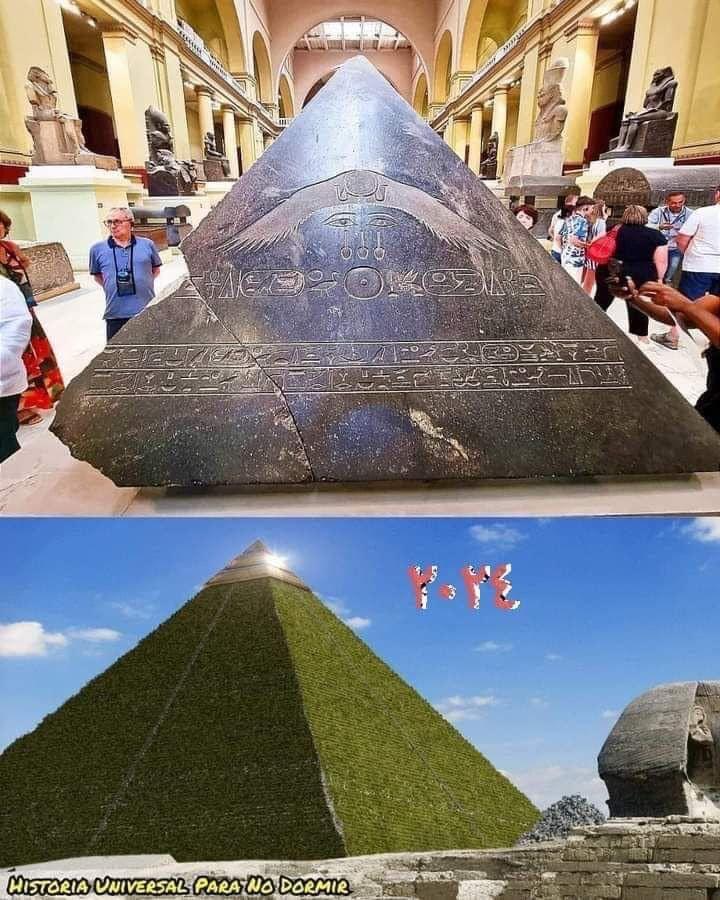
The 2021 discovery of an 11,000-year-old wall relief in Sayburç, Turkey, has revealed the earliest known narrative scene in human history. Found in a communal structure, the relief features five intricately carved figures on a bench, offering insight into the daily lives and beliefs of early humans as they shifted to a settled lifestyle. This remarkable find helps us understand the complex interactions between people, animals, and the natural world during this pivotal time in human history, highlighting the beginnings of community and social organization in one of the earliest known human settlements. 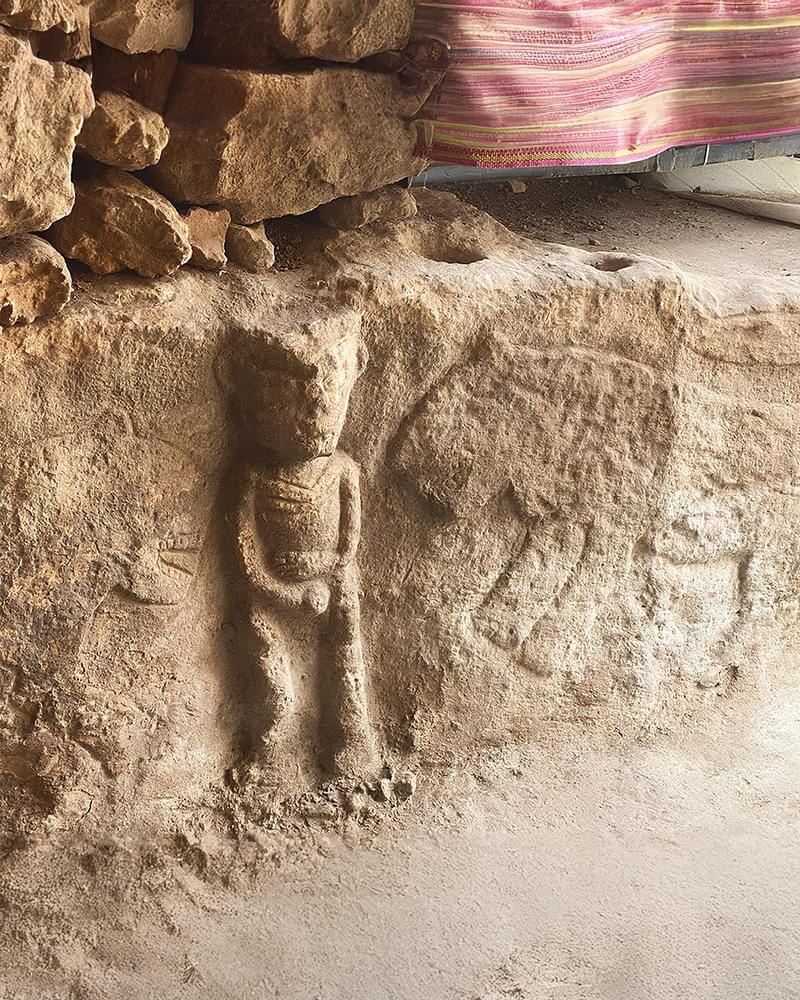
The hardest lesson I've ever faced as an adult is the never-ending need to survive, regardless of how broken I feel inside.
It doesn't matter if my heart aches, if I'm mourning the loss of a loved one, or if I'm too tired to get out of bed.
Life doesn't wait for me to breathe.
He continued to move forward, indifferent to my pain, and I had no choice but to push through, even as every part of me screamed for a moment's rest.
But what's harder is realizing that nothing really prepared you for this. We grow up believing in the comfort of happy endings, only to be met with the harsh reality that surviving often means pretending you're okay when you're not.
And perhaps that was the hardest part—not just surviving, but doing so quietly, without letting the weight show. Yet, through it all, we discover a strength we never knew we had, because even though it's hard, we keep moving. 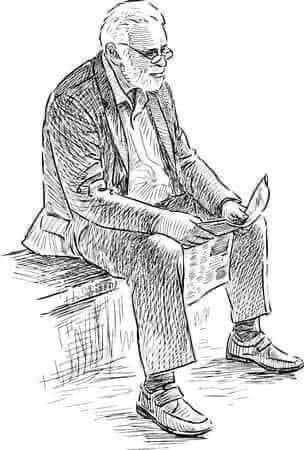
Some folks think the Earth is just 6,000 years old, but if you look at archaeological finds in Mesopotamia, you’ll see a way bigger story. Take the city of Ur in southern Iraq, for example. The Sumerians were way ahead of their time—around 4000 BC, they were already building this awesome drainage system using baked clay rings. These ring-drains helped move wastewater away from homes, kept flooding at bay, and made things a lot cleaner. This clever use of drainage really shows just how innovative the early Mesopotamian societies were and makes you rethink what you know about ancient history. 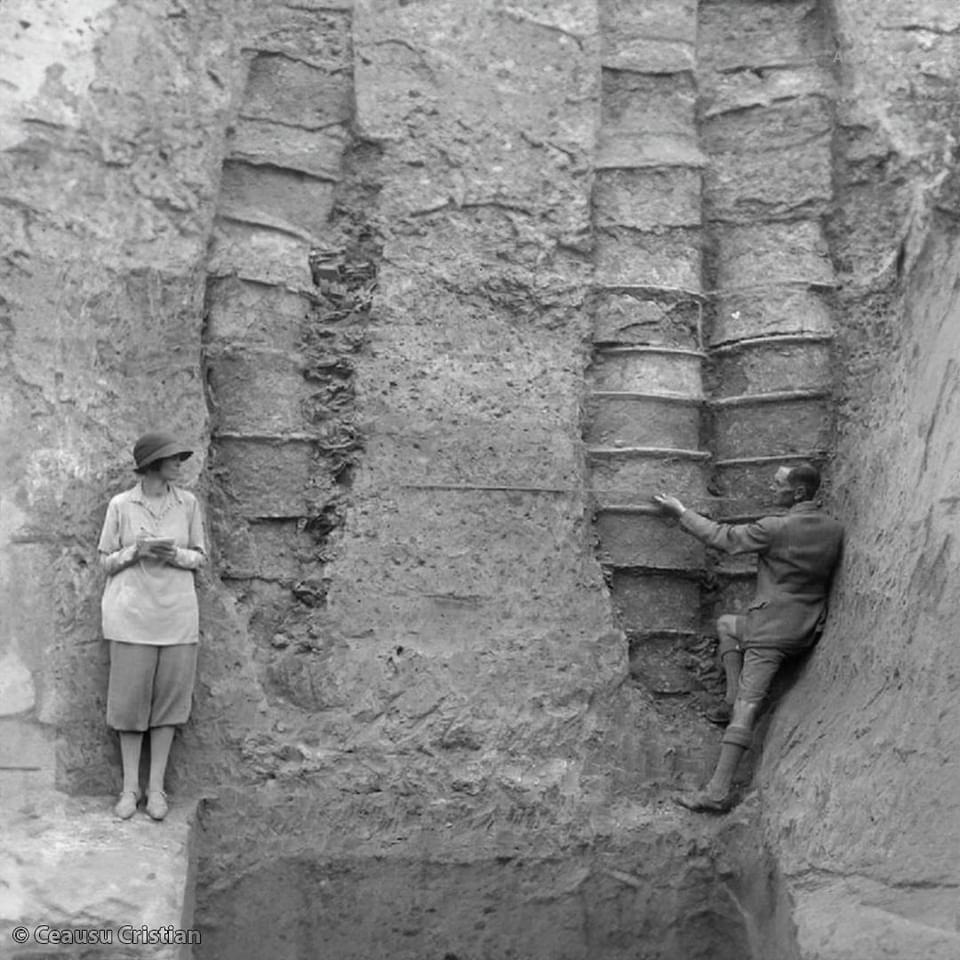

Canopic Shrine of king Tutankhamun❤️
Egyptian Museum 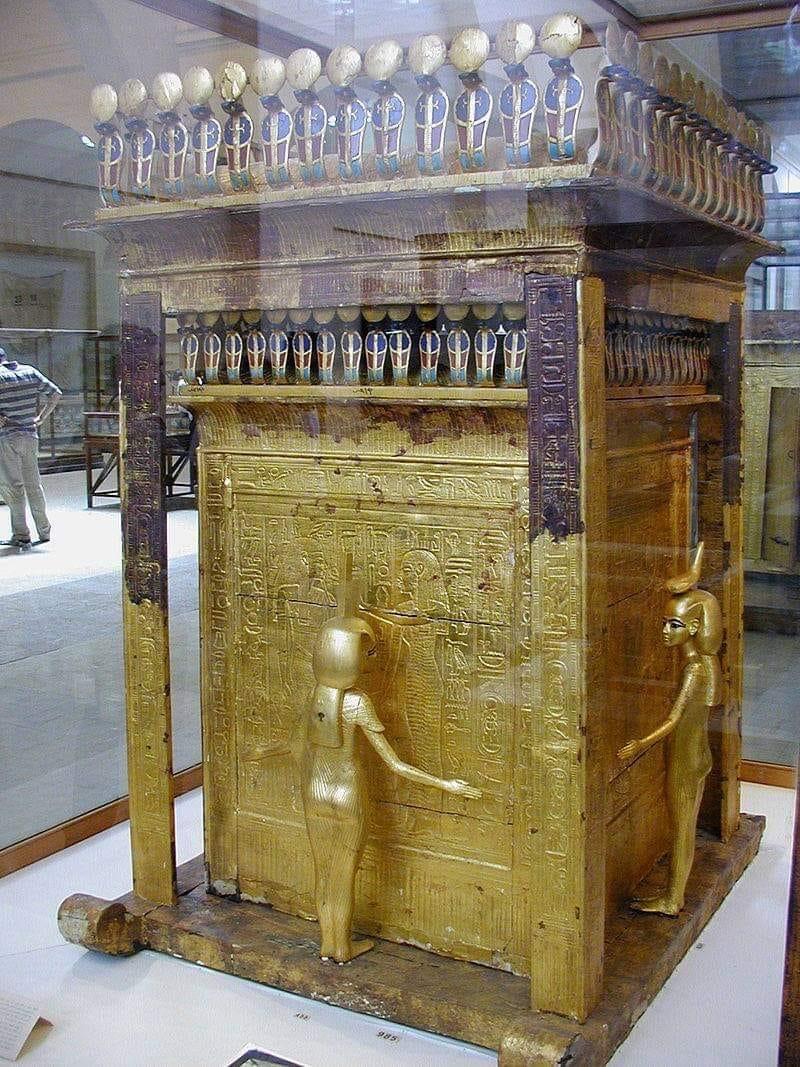
At the end of your journey, the best way to take home the essence of #Jinan is to pack a few souvenirs. Refreshing spring water tea🫖, the “Quancheng Rabbit King🐇,” an intangible cultural heritage project from #Shandong Province, and contemporary creative products inspired by the legends of Jinan’s distinguished figures, known as “Er An,” are all excellent choices! 🤩😉 #CultureOfJinan
(Source: Jinan Municipal Bureau of Culture and Tourism, Photo by Shao Kai, Wang Qin) 
The eye of the humpback whale nicknamed "Sweet Girl" seen up close by underwater photographer Rachel Moore between Tahiti and Mo'orea
The whale was mutilated by the propeller of a ferry a few days after the photo and died from its injuries.
Via Sylvain Tesson 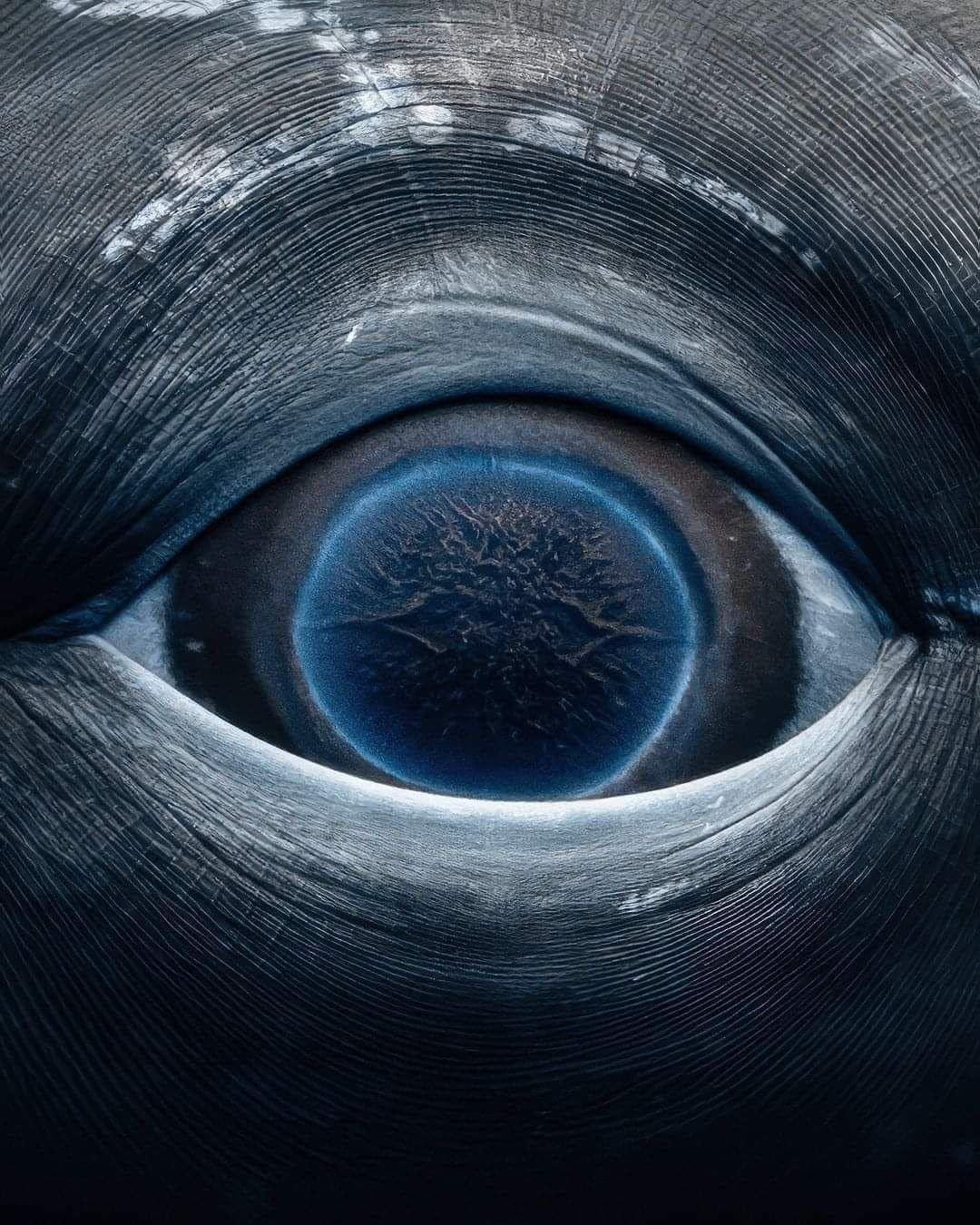
A young Ms. Tina Knowles and her cousin, Wanda✨ When Beyoncé said “I Got this sh*+ from Tina!” This is what she meant!!!👑🌹 
🩶🩶🤍🩶 
💙🦋🦋💙🦋 
💪💪💐💐
.
.
.
.
.
.
.
.
Ten Unknown Facts About #BMW
1. Founding and History: BMW, Bayerische Motoren Werke AG, was founded in 1916 in Munich, Germany, initially producing aircraft engines. The company transitioned to motorcycle production in the 1920s and eventually to automobiles in the 1930s.
2. Iconic Logo: The BMW logo, often referred to as the "roundel," consists of a black ring intersecting with four quadrants of blue and white. It represents the company's origins in aviation, with the blue and white symbolizing a spinning propeller against a clear blue sky.
3. Innovation in Technology: BMW is renowned for its innovations in automotive technology. It introduced the world's first electric car, the BMW i3, in 2013, and has been a leader in developing advanced driving assistance systems (ADAS) and hybrid powertrains.
4. Performance and Motorsport Heritage: BMW has a strong heritage in motorsport, particularly in touring car and Formula 1 racing. The brand's M division produces high-performance variants of their regular models, known for their precision engineering and exhilarating driving dynamics.
5. Global Presence: BMW is a global automotive Company
6. Luxury and Design: BMW is synonymous with luxury and distinctive design, crafting vehicles that blend elegance with cutting-edge technology and comfort.
7. Sustainable Practices: BMW has committed to sustainability, incorporating eco-friendly materials and manufacturing processes into its vehicles, as well as advancing electric vehicle technology with models like the BMW i4 and iX.
8. Global Manufacturing: BMW operates numerous production facilities worldwide, including in Germany, the United States, China, and other countries, ensuring a global reach and localized production.
9. Brand Portfolio: In addition to its renowned BMW brand, the company also owns MINI and Rolls-Royce, catering to a diverse range of automotive tastes and luxury segments.
10. Cultural Impact: BMW's vehicles often become cultural icons, featured in films, music videos, and celebrated for their design and engineering excellence worldwide. 
Facts
.
.
.
Ten Unknown Facts About #BMW
1. Founding and History: BMW, Bayerische Motoren Werke AG, was founded in 1916 in Munich, Germany, initially producing aircraft engines. The company transitioned to motorcycle production in the 1920s and eventually to automobiles in the 1930s.
2. Iconic Logo: The BMW logo, often referred to as the "roundel," consists of a black ring intersecting with four quadrants of blue and white. It represents the company's origins in aviation, with the blue and white symbolizing a spinning propeller against a clear blue sky.
3. Innovation in Technology: BMW is renowned for its innovations in automotive technology. It introduced the world's first electric car, the BMW i3, in 2013, and has been a leader in developing advanced driving assistance systems (ADAS) and hybrid powertrains.
4. Performance and Motorsport Heritage: BMW has a strong heritage in motorsport, particularly in touring car and Formula 1 racing. The brand's M division produces high-performance variants of their regular models, known for their precision engineering and exhilarating driving dynamics.
5. Global Presence: BMW is a global automotive Company
6. Luxury and Design: BMW is synonymous with luxury and distinctive design, crafting vehicles that blend elegance with cutting-edge technology and comfort.
7. Sustainable Practices: BMW has committed to sustainability, incorporating eco-friendly materials and manufacturing processes into its vehicles, as well as advancing electric vehicle technology with models like the BMW i4 and iX.
8. Global Manufacturing: BMW operates numerous production facilities worldwide, including in Germany, the United States, China, and other countries, ensuring a global reach and localized production.
9. Brand Portfolio: In addition to its renowned BMW brand, the company also owns MINI and Rolls-Royce, catering to a diverse range of automotive tastes and luxury segments.
10. Cultural Impact: BMW's vehicles often become cultural icons, featured in films, music videos, and pop culture. Notably, the BMW 7 Series was James Bond's car of choice in the 1997 movie "Tomorrow Never Dies," further solidifying the brand's association with luxury, performance, and cutting-edge technology. The brand's presence in the entertainment industry has contributed to its image as a symbol of status and innovation. 
Corvin Castle, perched in Transylvania, Romania, is like a scene from a Gothic fairytale. Built in 1440 by the Hunyadi family, this castle once served as a stronghold against the Ottomans. Walking through its massive gates, you’ll find yourself exploring over 50 rooms filled with medieval art and tales of chivalry. The castle’s intricate restoration brings out its charm, while its connection to legends like Vlad the Impaler adds a layer of intrigue. Whether you're fascinated by its history or simply taken by its fairytale-like beauty, Corvin Castle offers a magical journey into Romania's past. 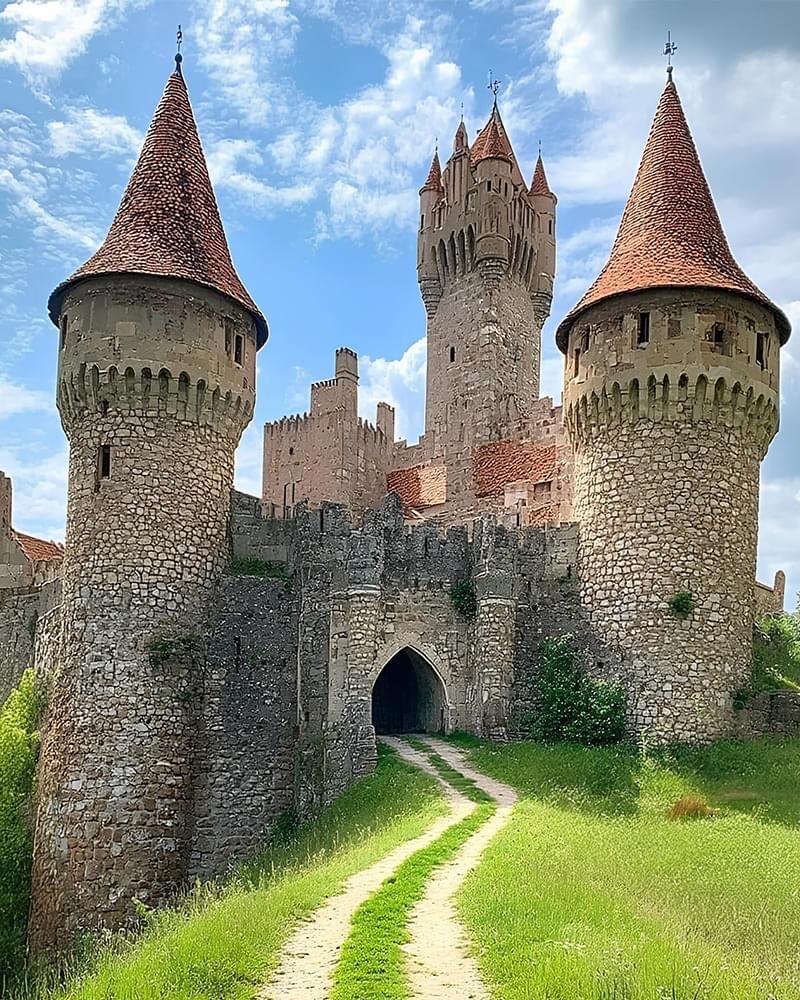
What do you think is happening here.