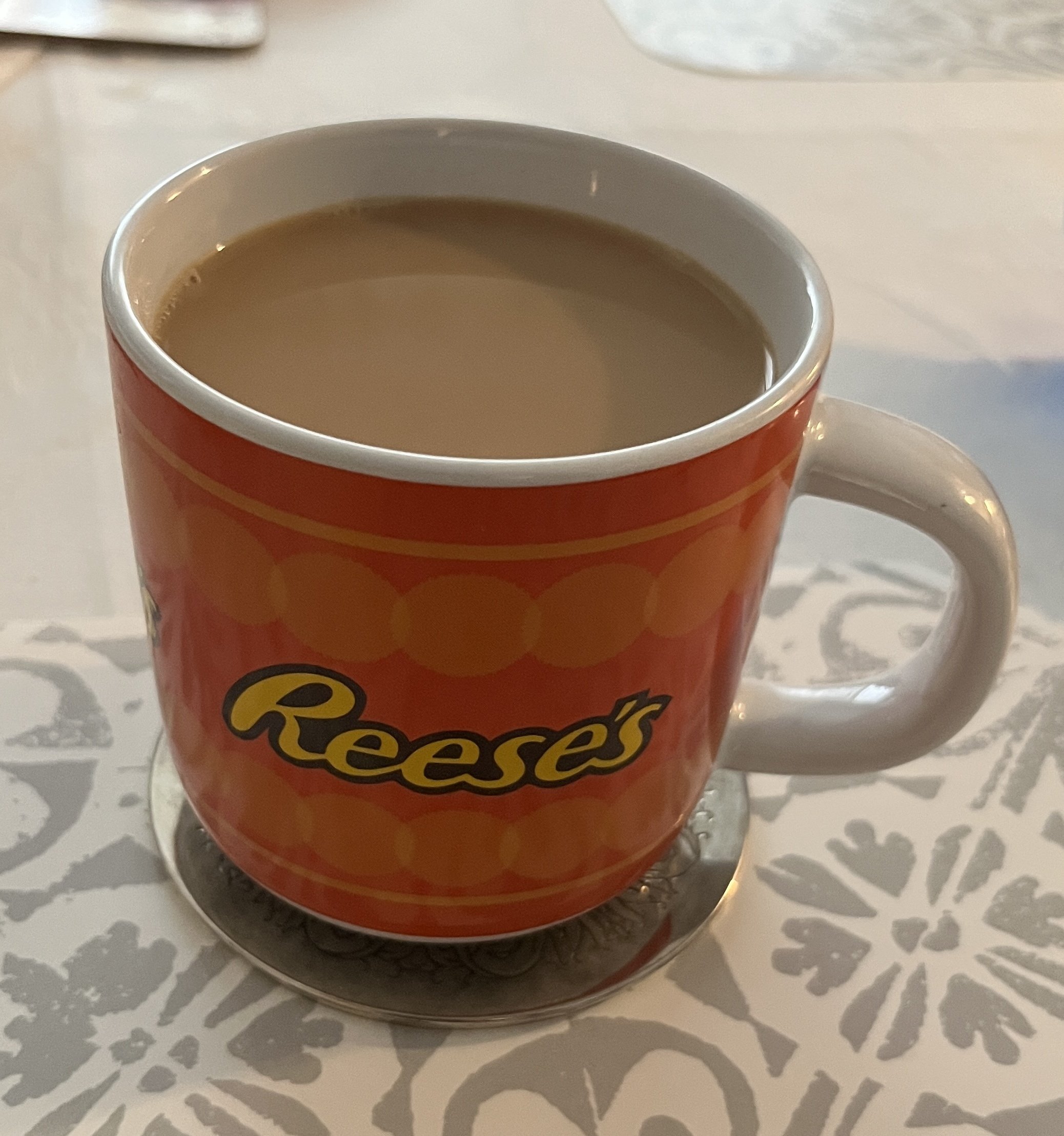
GOOD MORNING NOSTR.
LIVE FREE. 🫡
https://cdn.satellite.earth/c8d6ef0bdc00bbffab7e7affc60d124f8c828f03fb84499de5e43426b5bcf62a.mp4
GM☕️

This is a great way to make decisions. Have to take into account all factors and know the outcome is not certain but probable.

https://video.nostr.build/992ca4106c612564c1b46881d5db1e2100e8a78cff2707b0d132eeb3004f7435.mp4
Gm . I love Monday 🧡⛓️🫂🔐✅️🐸🐶🍀🌞
GM☕️







GM☕️ and Carpe Diem🌅 #coffeechain #plebchain 
A late GM☕️ and Carpe Diem🌅 #coffeechain 
GOOD MORNING NOSTR.
LIVE FREE. 🫡
https://cdn.satellite.earth/383eaccccc0c754146f5efd2fcb51d82690c0fb3a874efc9cba64a748b9a0b90.mp4
GM☕️


Looks like the Penguin and Riddler
GM☕️ and Carpe Diem🌅.
The word “Monday” originates from the Old English word “Mōnandæg,” which means “Moon’s day.” This name was derived from the ancient Roman practice of naming each day of the week after a celestial body. In Latin, Monday was called “Dies Lunae,” which means “day of the Moon.” The name “Mōnandæg” comes from combining “mōna,” meaning moon, and “dæg,” meaning day. This naming convention was adopted across various languages, with many using terms directly derived from these names or loan translations based on them. For instance, in French, it is “Lundi,” in Spanish, it is “Lunes,” and in Japanese, it is “月曜日” (Getsuyōbi), all of which translate to “day of the moon.”
#coffeechain #plebchain 
GOOD MORNING NOSTR.
LIVE FREE. 🫡
https://cdn.satellite.earth/16282c4cfbaabc7680c2df4bf71822bfbe71c6b443b578f2ed4b615086d992b1.mp4
GM☕️


GM☕️ and Carpe Diem🌅 #coffeechain #gm
The origin of the word “Sunday” traces back to ancient times and is rooted in the worship of celestial bodies. The name “Sunday” comes from the Old English word “Sunnandæg,” which means “Sun’s day.” This term is derived from the Latin “dies solis,” meaning “day of the sun.”☀️