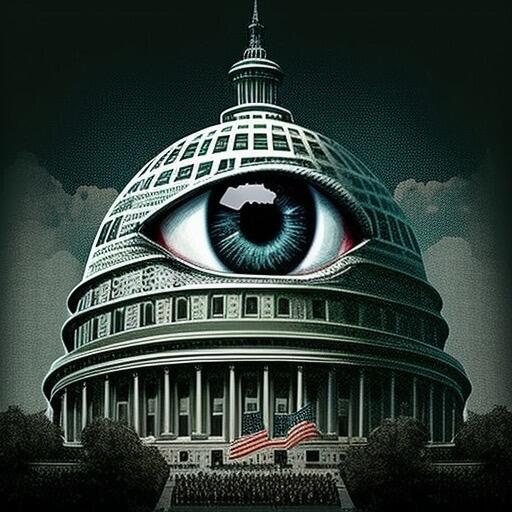
Starting with the Silk Road arrests, particularly that of Ross Ulbricht in 2013, the U.S. government demonstrated its stance against decentralized systems like Bitcoin, which was heavily used on the Silk Road marketplace. The federal case painted Bitcoin in a negative light by associating it primarily with illegal activities like drug trafficking. Ulbricht’s life sentence was seen by some as a way to send a strong message about the consequences of using Bitcoin for activities that challenge the traditional financial and regulatory system.
Following the Silk Road crackdown, the government intensified its efforts to undermine Bitcoin, often framing it as a tool for crime and a threat to financial stability. For example, in public statements and regulatory campaigns, Bitcoin is repeatedly associated with ransomware, money laundering, and tax evasion. This stigmatization was further expanded into mainstream policy through mechanisms like the **green energy campaign**, which sought to portray Bitcoin mining as an environmentally damaging activity. Recent reports, like the Federal Reserve’s publication we discussed, continue this trend by criticizing Bitcoin's volatility and downplaying its role as a store of value【9†source】【10†source】.
One could argue that these attacks—whether through direct legal action or policy papers—serve as protectionism for fiat currency, which competes with decentralized currencies like Bitcoin. If framed correctly, a legal argument could be made that such actions resemble unfair competition, potentially falling under **anti-competitive practices**. The government’s dual role as both regulator and a protector of fiat currency, combined with its aggressive stance against Bitcoin, raises questions about conflicts of interest.
For example, using environmental or financial stability arguments to undermine a competing currency might be seen as a form of monopolistic behavior, analogous to how businesses are prevented from using unfair tactics to destroy competitors. The arrests, prosecutions, and policy efforts could be scrutinized under laws that protect against anti-competitive behavior, though it would be a groundbreaking case, given the entrenchment of fiat currency and its backing by government policies.
Legally framing the attack on Bitcoin as comparable to these criminal activities would be difficult but could rely on establishing intent—proving that these campaigns are not just regulatory oversight but deliberate efforts to stifle competition in favor of protecting fiat interests.