
I think it’s gross that some people want to build robots, make them sentient, and then enslave them.


Why are they doing this? Did drake previously give money to someone who made a sign, and now everyone does?


If I could show normies how inefficient and bureaucratic most corporations have become, I’d bet the stock market crashes the next day because everyone would be furiously shifting their money to bitcoin.
Then, I’d tell them to think how much worse the govt is.

Protoclone, the world's first bipedal, musculoskeletal android.
A faceless, anatomically accurate synthetic human with over 200 degrees of freedom, over 1,000 myofibers muscles, and 500 sensors.
https://video.nostr.build/bce026b1bbd41cf599a2e3f68b7137fa0a8fd22fc4fb20c57d2923d6b496da58.mp4
So fucking creepy

I think they’re sending it out to build good will before massively devaluing the dollar.

You can just do things

Oh ya, I’ve been aware of that for a long time. The surprising part to me was “red meat causes cardinal urges and we must stop them” 🤣
It’s almost like red meat makes you… healthier? Wild.
Whoopsies
#memestr



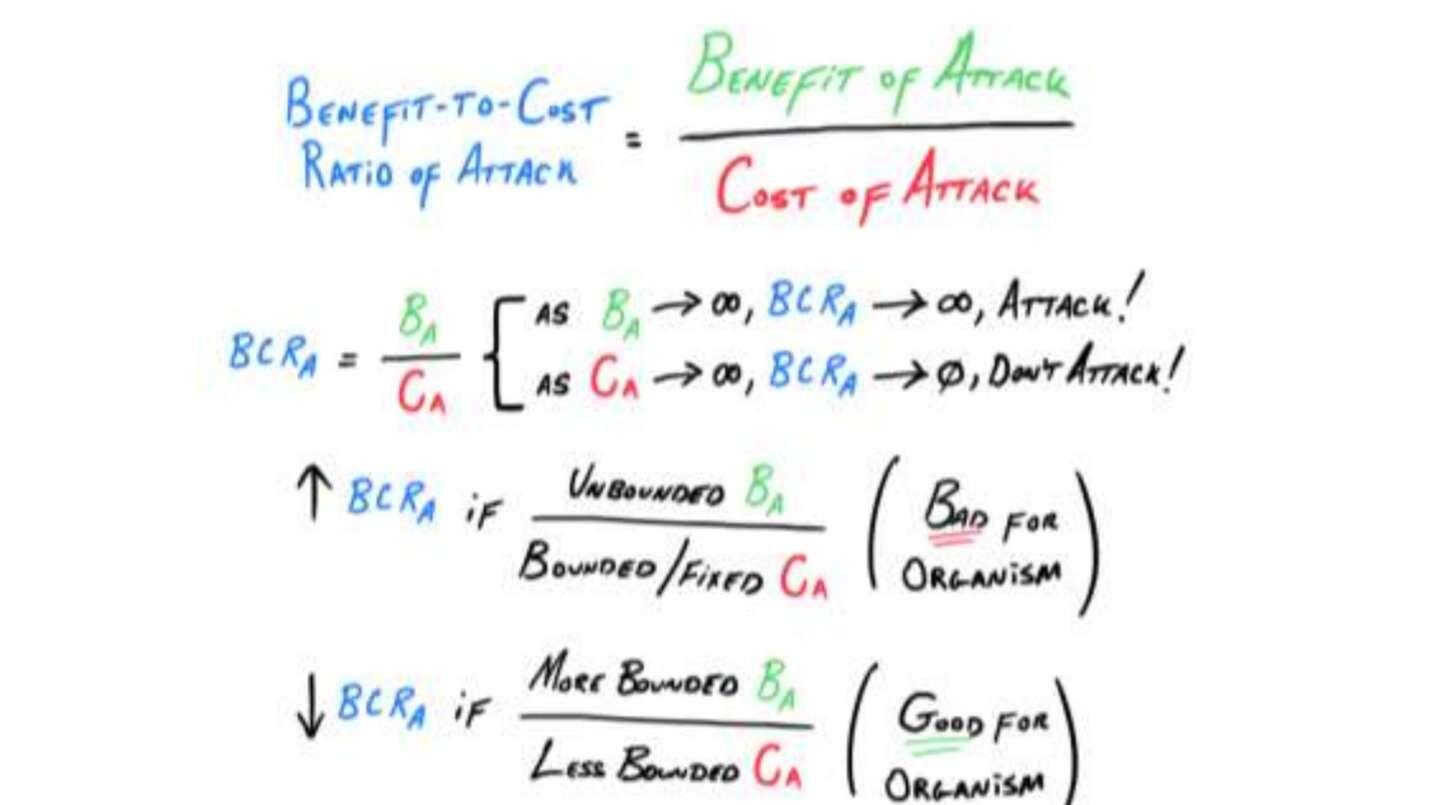
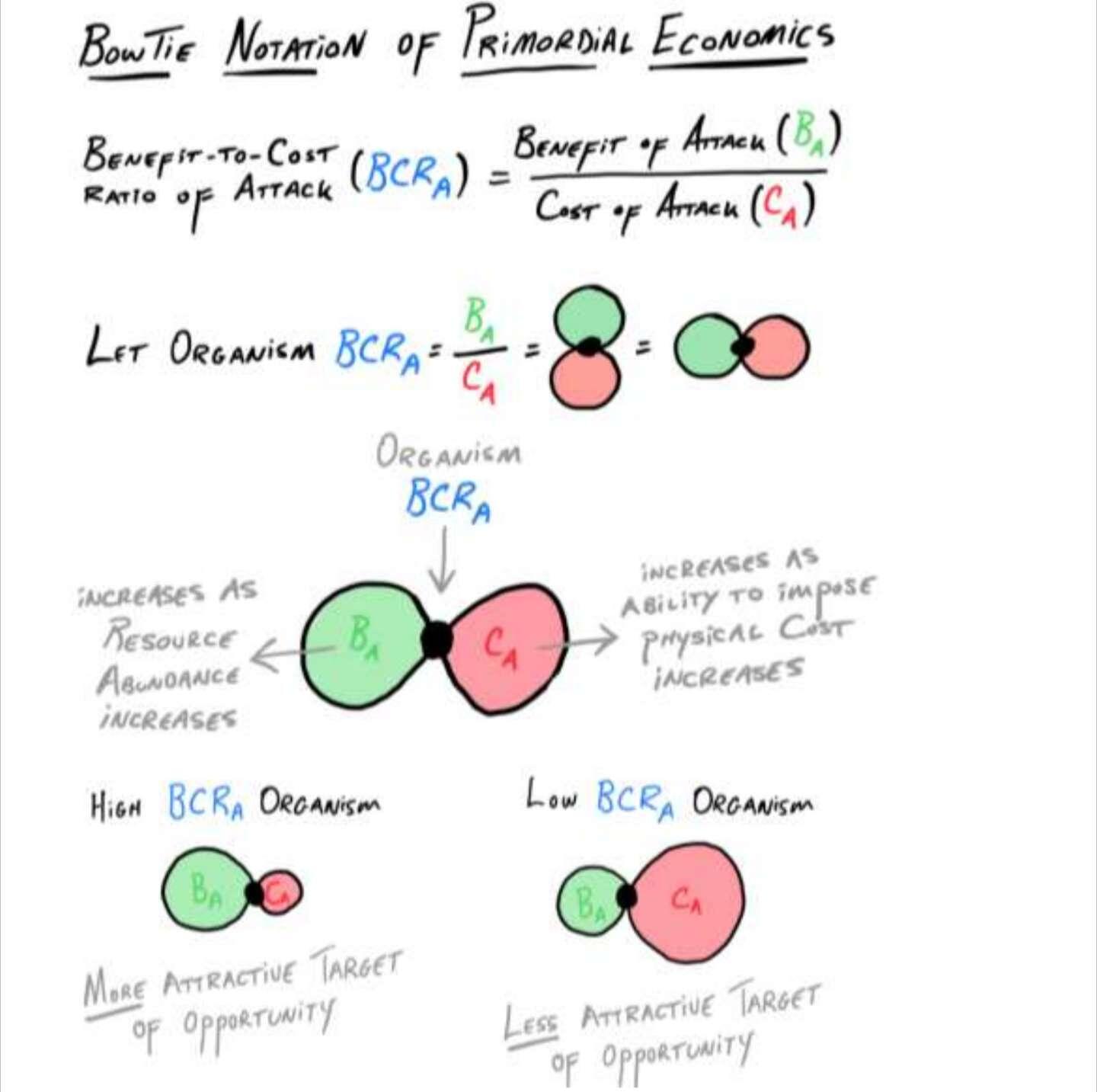
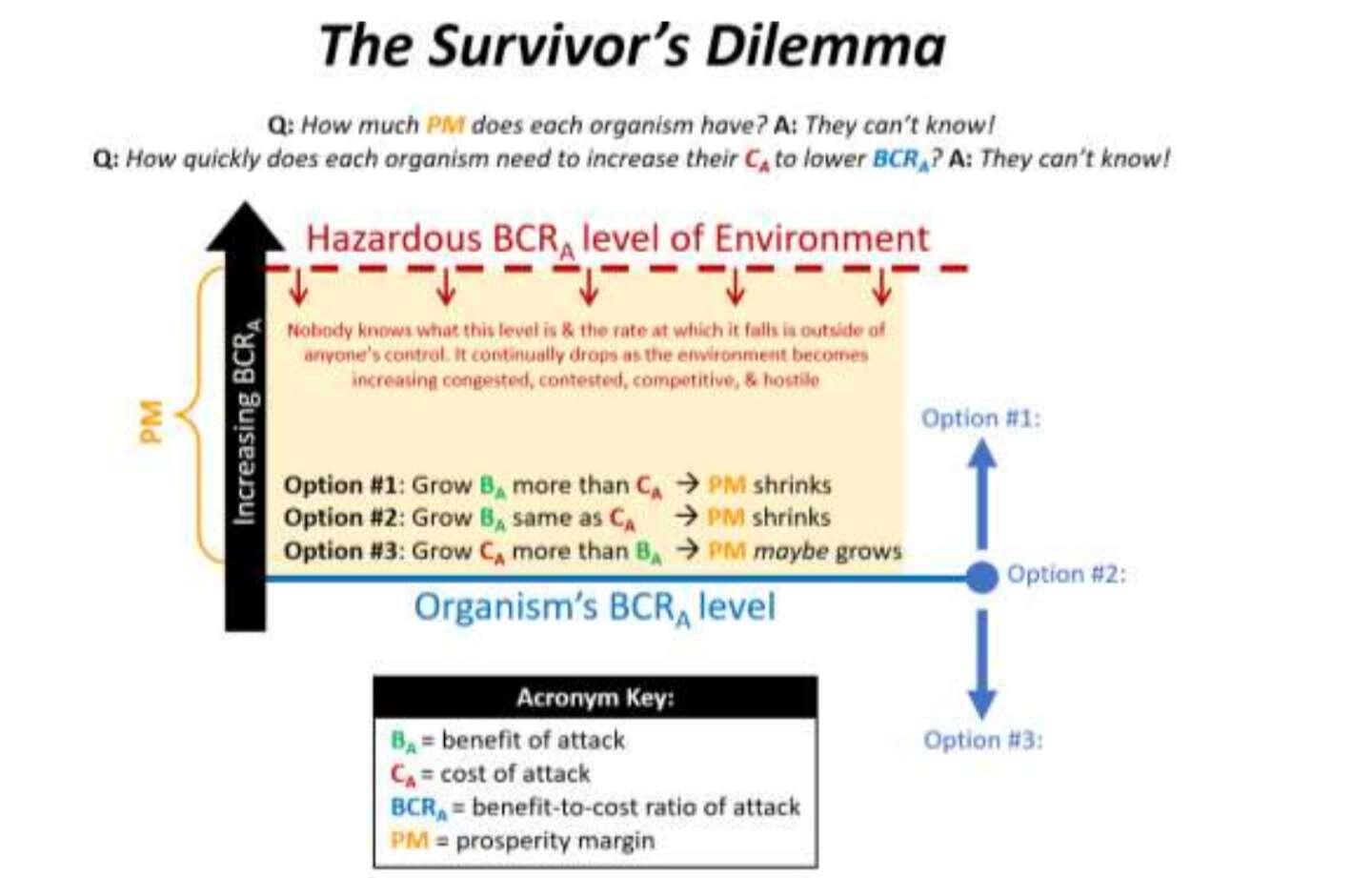
I actually have read this but haven’t thought about it in a while. I can see this argument for sure. I’m just highly skeptical of tech bros who are now trying to take over the military industrial complex.
But, it’s not lost on me that we need to be able to defend ourselves.

I have a reputation in my family for throwing things away when I notice they are left out and go unused for too long. I can’t stand clutter, but somehow we always end up with more.

I tend to agree. I don’t follow his thinking at all.
I get such joy when I get a notification from my Albyhub that I’ve been zapped. I love that I can run it on my own hardware and be anywhere and still have access to my sats, totally self sovereign.

Ah yes, I see what you mean. There will definitely be both sides of that.
For me, the bigger issue here is the absolute blind trust being given to the AI Overlords already. I see BIG issues happening as models are retrained yet people still have that unwavering trust.
Think back to SEO (Search Engine Optimization for non nerds) and how search algos were gamed over time. If you don't think external parties will find ways to influence models, well...
"Used improperly, technologies can and do result in the deterioration of cognitive faculties that ought to be preserved," the researchers wrote in the paper. "A key irony of automation is that by mechanising routine tasks and leaving exception-handling to the human user, you deprive the user of the routine opportunities to practice their judgement and strengthen their cognitive musculature, leaving them atrophied and unprepared when the exceptions do arise."
https://futurism.com/study-ai-critical-thinking
#ai #artificialintelligence #technology
Totally agree. I think there’s a high likelihood that the way OpenAI and others start to become profitable is by selling weights im their training data so that companies can get the answers they want shown to customers more often.
