
Community Building: The Core Driver of Sustainable Growth for Rocket Launchpad
I. Revolutionizing Web3 Customer Acquisition Efficiency: The Underlying Momentum of Rocket's Community Network
In today's Web3 landscape, customer acquisition efficiency has become a core variable determining market competitiveness. Industry practices show that emerging projects typically undergo a lengthy cycle to achieve scaled user accumulation—some blockchain wallet projects take nearly three months to complete the basic accumulation of 100,000 users through continuous online traffic procurement and platform cooperation, while a new decentralized finance application relies on more than six months of community operations and event planning to reach the same user scale. This traditional acquisition model is not only costly but also results in generally low user stickiness.
As an industry "incubation pioneer," Rocket Launchpad breaks through industry bottlenecks with a community-driven growth model. The global community network it has built covers dozens of countries, bringing together a massive number of active members, forming a high-stickiness user ecosystem with an average of over 2 hours of daily on-chain interaction. This dynamic network naturally precipitates a sizable cold-start traffic pool, providing new projects with a channel advantage for immediate access to core audiences. A certain chain game project leveraged this traffic pool to achieve explosive user growth in the first week after launch, shortening the average industry cycle by nearly 60%, fully verifying the unique value of the community as a "traffic incubator."
Rocket's powerful user aggregation efficiency stems not only from its global community network but also from the deep support of its underlying technical architecture and ecological cooperation. Relying on the cross-chain technology framework of M3 DAO, Rocket has established community nodes on mainstream public chains such as ETH and BSC, and through the MarsChain cross-chain protocol, it has achieved seamless interconnection of ecological traffic, opening up multi-dimensional access paths for projects. Meanwhile, this technical infrastructure forms an organic linkage with regional market deepening strategies, token incentive systems, and ecological partner collaboration, constructing a complete growth loop from technical empowerment, user operations to value incentives, and promoting the spiral growth of community scale and project value.
II. Deepening Regional Markets: The Southeast Asian Growth Paradigm under Cultural Adaptation Strategy
In regional market operations, Rocket implements a refined strategy of "cultural adaptation + scenario customization," among which the practice in the Southeast Asian market has become a benchmark case for community operations. Aiming at the diverse cultural backgrounds and user habits in the region, Rocket has innovatively introduced a "KOL co-construction and co-governance" mechanism, breaking the shallow model of traditional traffic cooperation, granting local leading KOLs the right to participate in community governance and propose project screening, and transforming them into co-builders of the community ecosystem.
To form a communication matrix effect, Rocket has integrated high-quality KOL resources in key markets such as Vietnam and Thailand, constructing a content communication network covering multiple fields. Through a combined operation strategy of "online AMA + offline roadshow," it achieves the collaborative force of online content interaction and offline scenario experience: regularly holding KOL special AMAs online to enhance user trust through real-time interaction; carrying out regional roadshow activities offline to create face-to-face communication scenarios between users and project teams, effectively improving brand awareness and user participation.
This model has demonstrated significant universal value in popular fields such as GameFi: through the "cultural adaptation + scenario customization" strategy, projects incubated by Rocket have generally achieved short-term breakthroughs in regional community scale, with user activity and stickiness showing a trend of collaborative improvement, gradually forming a self-iterating growth ecosystem, quickly establishing influence in target tracks, and becoming typical demonstrations in regional markets. This practice reveals the core logic of Web3 project regionalization operations—through the deep co-construction of the KOL ecosystem and the construction of a scenario-based operation system, transforming the cultural characteristics and user habits of different markets into the endogenous driving force for community growth, and ultimately achieving full-chain empowerment from user accumulation to value precipitation.
III. RKT Token-Driven Hierarchical Incentive System: An Economic Model to Activate Community Self-Drive
Rocket constructs a "contribution equals value" incentive system with RKT tokens as the core, deeply binding user behavior with ecological development through multi-dimensional mechanism design to form a sustainable value cycle. In the IDO participation link, the platform has established a dual audit mechanism of token holding quantity and community contribution value—users not only need to hold a certain amount of RKT to obtain whitelist qualifications but can also improve their subscription quotas by participating in contribution behaviors such as project evaluations and community recruitment. This design effectively stimulates users' enthusiasm to deeply participate in project incubation, making the user participation scale in the IDO stage significantly higher than the traditional model.
At the community governance level, Rocket has innovatively launched a "governance points" system: users' voting behaviors on important matters such as project screening and ecological proposals will accumulate into points for redeemable rights. These points can not only be exchanged for RKT tokens but also used to improve IDO subscription priority. This mechanism has significantly increased community governance participation, formed a broad community consensus on key decision-making links such as project screening, and further promoted incubated projects to achieve considerable value growth in market performance.
In addition, the dynamic reward model realizes automated execution through smart contracts to ensure the transparency and efficiency of incentives such as airdrops and activity rewards. The liquidity mining mechanism attracts users to provide liquidity support for incubated projects through the dual reward design of project tokens and RKT, forming a positive cycle of "community support - liquidity improvement - project valuation growth," effectively enhancing the liquidity and stability of the ecosystem.
IV. Ecological Partner Collaboration: Building a Multi-Dimensional Growth Engine for the Community
Rocket has constructed a three-dimensional growth system of technical empowerment, scenario innovation, and ecological collaboration through strategic cooperation with M3 DAO, MetaMars, and VooPay. With its huge user network and mature governance experience, M3 DAO provides traffic support and underlying governance frameworks for Rocket, not only achieving precise diversion of large-scale user pools but also promoting cross-platform deep participation of core members through the dual-dimensional governance model of "token holding quantity + contribution value," strengthening community governance efficiency. MetaMars, taking the metaverse scenario as the entry point, innovatively creates an immersive project release space, deeply binds community contributions with virtual asset rights, and significantly improves user participation and stickiness through incentive designs such as NFT medals and virtual land. Focusing on payment infrastructure optimization, VooPay simplifies the IDO participation process by integrating encrypted payment cards and multi-chain wallets, and realizes efficient conversion of users between different ecosystems through the linkage mechanism of off-chain consumption and on-chain rights. The three partners enter from different dimensions, jointly constructing a collaborative ecosystem of traffic interconnection, scenario complementarity, and rights interconnection, injecting strong momentum into the sustainable growth of the Rocket community.
Conclusion: Taking the Community as the Core to Build a New Paradigm of the Web3 Ecosystem
The successful practice of Rocket Launchpad confirms the core position of community building in Web3 project incubation. From the traffic aggregation of the global community network to the cultural adaptation operations in regional markets; from the RKT token-driven incentive system to the multi-dimensional collaboration of ecological partners, Rocket has not only achieved the value symbiosis between projects and users through the construction of an end-to-end community ecosystem but also reshaped the industry standards of Launchpad.
Looking to the future, under the ecological empowerment of M3 DAO, Rocket will continue to deepen cooperation with more high-quality projects, explore innovative opportunities in fields such as DeFi, metaverse, and RWA, and provide community members with richer investment choices and participation scenarios. At the same time, the platform will further optimize the incentive mechanism, and through technological iteration and model innovation, make user contributions more accurately converted into value returns, promoting the continuous prosperity of the community ecosystem. As the blockchain industry evolves toward a more open and inclusive direction, Rocket will always be guided by community needs, commit to becoming a value hub connecting innovative projects and global users, and jointly explore the infinite possibilities of the Web3 era with ecological participants.

Building the Foundation of User Value: How MEX's User-benefit System Shapes a Community Ecosystem
1. Addressing Industry Pain Points: Why Do Traditional Exchange Communities Struggle to Break Through?
The challenges faced by traditional exchanges in community operations are particularly evident in the data. On one hand, the issue of a weak user base stands out. For example, influenced by investor sentiment, overall exchange web traffic in April dropped by 12% month-on-month, with BitMEX traffic plummeting 40%, and Upbit, Bithumb, and Huobi decreasing by 35%, 28%, and 26%, respectively. Some platforms have exacerbated user loss due to outages and other reputation-damaging events. Among users attracted by promotional activities, the retention rate of real purchasing users for platforms with millions of users may be less than 0.5% (e.g., with a 10% store visit rate and a 5% purchase rate, only 5,000 users are retained).
On the other hand, rough community management leads to ecosystem imbalance. Some second-tier exchanges attract users with "quick pump-and-dump projects," but due to outsourced operations and lack of tiered management mechanisms, they end up with a large number of "low-quality projects," causing community activity to fluctuate drastically with market conditions. Additionally, the lack of an ecosystem loop, while not directly reflected in data, is evident from the widespread focus on trading traffic rather than user education and rights integration. This makes it difficult to establish a sustainable "user contribution – value feedback" cycle, ultimately stemming from the operational logic of viewing communities as mere traffic tools.
2. MEX's Solution: Reconstructing User Value with a Dual-Driven Approach of Technology and Service
Founded in 2025 by a team of former top-tier platform technologists and compliance experts, MEX is a centralized exchange that places "user-first" at its core, building a competitive edge through differentiation:
● Comprehensive Trading Matrix: Covering over 10 trading categories, including spot, futures, ETFs, staking, and financial products, MEX supports professional tools like iceberg orders and TWAP algorithms to meet the needs of all users, from retail traders to institutions.
● Ultra-Efficient Ecosystem: With a standard listing cycle of 48 hours and an expedited channel of 12 hours, MEX sees first-launch projects accounting for 35% of listings, exceeding industry averages. Coupled with ultra-low fees starting at 0.05% (with up to 40% discounts for holding MEXT tokens), MEX optimizes both trading experience and costs.
● Global Compliance Foundation: With licenses from multiple countries, including Dubai's VARA and Seychelles' FSA, and strict KYC/AML mechanisms, MEX builds a fortress of asset security through "compliance credentials + smart contract audits + multi-signature wallets."
3. Building a Community Foundation with User-Benefit Systems: How MEX Puts "Users First"
MEX centers its operations around user-benefit systems, breaking down "user-first" into tangible service details to create a highly cohesive community ecosystem:
(1) Activity Support: Transforming Users into Ecosystem Co-Builders
MEX integrates user needs deeply into ecosystem construction through full-cycle activity design and co-governance mechanisms. New users enjoy reduced entry costs with "fee waivers + copy-trade commission exemptions," while existing users earn additional rewards through "trading competitions + staking incentives." More importantly, 70% of MEXT token holders vote on project listings, giving users direct decision-making power. This "my community, my rules" mechanism completely overturns the "one-way operation" model of traditional platforms, transforming the community from a traffic pool into a value co-creation entity.
(2) Fund Security: Providing "Double Insurance" for User Assets with Multiple Layers of Protection
MEX views user asset security as the foundation of community trust. With smart contract audits, trading protection technologies, and multi-signature wallets as three layers of technical protection, MEX achieved zero security incidents in 2025, eliminating users' concerns about asset theft. Simultaneously, real-time locked asset disclosures, periodic audit reports, and deflationary mechanisms maintain token value—MEXT tokens held by users are not just trading credentials but also carriers of ecosystem value appreciation. This dual-layered approach of "technology for risk prevention + mechanisms for value preservation" provides users with tangible security and value within the community.
(3) Product Matrix: Tailored "Trading Growth Plans" for Every User Type
MEX's comprehensive service matrix is always user-centric. Spot trading supports iceberg orders for large transactions, futures trading offers 10x leverage for aggressive strategies, and MEX Earn provides annualized returns of 6%-18% for conservative users. Additionally, its API, capable of processing 3,000 requests per second, supports over 200 quantitative teams for efficient trading. From beginners to institutions, every user can find tools suited to their risk preferences. For example, newcomers can participate in mainstream coin trading with low-barrier ETF products, while experienced players can automate strategies with APIs. This "lifecycle product companionship" allows users to grow continuously within the community rather than being confined by a single trading function.
(4) Instant Withdrawals: Precision Experience Down to the Second
MEX understands that "funding speed" directly impacts user sentiment. With withdrawals completed within 10 seconds—120 times faster than the industry average of 20 minutes—users enjoy unparalleled efficiency. Moreover, multi-chain support across eight blockchains enables seamless asset transfers between BTC, ETH, SOL, and more, eliminating the long waits associated with cross-chain transactions. This "zero-lag asset management" experience demonstrates MEX's commitment to service sincerity through trading efficiency.
(5) Academy Empowerment: Turning "Trading Novices" into "Profit-Making Players"
The MEX Academy is not about one-way knowledge dissemination but serves as a "user growth accelerator." "Zero-to-hero beginner courses" help newcomers avoid pitfalls, "futures boot camps" offer hands-on practice with simulated accounts, and "institutional strategy courses" share professional insights, boosting 30-day retention rates for new users to 72%. This means 72% of new users stay in the community to continue their growth through learning. Additionally, the platform provides simulated trading accounts and strategy backtesting tools, allowing users to "learn by doing" without risk. One user reported accurately taking profits during BTC volatility after completing the boot camp, exclaiming, "The Academy teaches real skills." This "teaching users how to fish" empowerment model ensures users gain sustainable profitability within the community rather than being exploited.
(6) Customer Service System: Ensuring Every User's Issue Is Addressed
MEX's customer service team is not merely a "relay station" for issues but a "processor" for user needs. Offering 24/7 support in over 10 languages, with a 30-second response time and a 98.7% resolution rate, MEX ensures that even a 3 a.m. query about futures rules receives a native-language response. This "user-first" approach fosters strong emotional bonds with the community.
(7) Compliance Foundation: Building a "Global Safety Shield" for the Community
MEX's compliance strategy fundamentally shields users from risks. Licenses from Dubai's VARA and Seychelles' FSA ensure regulatory protection for transactions, while 32,000 high-risk accounts were blocked at registration to prevent fraud and money laundering. This "compliance-based user protection" philosophy makes MEX a trustworthy, long-term trading haven for global users rather than a high-risk, short-term profit-seeking platform.
4. Conclusion: A Paradigm Shift from "Trading Platform" to "Ecosystem Co-Community"
By translating "user benefits" into measurable service standards, MEX has achieved three groundbreaking upgrades in community operations:
● Trust Reconstruction: With global compliance licenses and multiple layers of security protection as the foundation, combined with transparent operations like real-time locked asset monitoring and periodic audit reports, MEX eliminates information asymmetry in the industry. This transforms users from "passive service recipients" to "active platform trusters," creating a long-term trust bond that transcends market cycles.
● Value Co-Creation: Through "activity incentives + co-governance mechanisms," MEX activates user participation in ecosystem construction, enabling users to directly influence project listing decisions and share in ecosystem growth dividends. This establishes a virtuous cycle where "user needs drive platform evolution, and platform growth feeds back into user benefits."
● Self-Driven Ecosystem: With the closed-loop design of the Academy's education, instant service responses, and a comprehensive trading matrix, MEX evolves the community from a mere "traffic aggregation pool" to a "value incubator." Word-of-mouth promotion and iterative user demands drive the community's transformation from "platform-led" to "user co-built," making every participant a core driver of sustainable ecosystem development.
5. Future Outlook: Expanding Community Ecosystem Boundaries Through Cross-Industry Collaboration
MEX is actively expanding its ecosystem boundaries with "community needs" as the core driver:
Deepening Partner Ecosystem: Collaborating with leading projects like M3 DAO, Neo Fantasy, and Zebswap to co-build a "user benefit interconnection system." By Q4 2025, MEX plans to launch cross-platform points exchange, joint airdrops, and other features, enabling community users to enjoy rights integration across different ecosystems.
Upgrading Technical Empowerment: Exploring AI-driven smart customer service and personalized strategy recommendation systems, with plans to launch a "Community DAO Governance Module" in 2026. This will return platform rule-making power to users, truly realizing the vision of "community autonomy."
From addressing industry pain points to redefining ecosystem standards, MEX consistently centers on community users. By deeply innovating its operational model, MEX has paved a new path for crypto exchanges—one that prioritizes user value and sustainable ecosystem development. The community is no longer just a trading venue but a digital financial ecosystem co-built, co-governed, and co-shared by its users.

In the rapidly evolving era of fintech, the inherent flaws of traditional financial systems have become increasingly apparent. Core resources are monopolized by a handful of institutions, leaving billions of people worldwide without access to essential financial services such as savings and credit. These individuals remain excluded from the benefits of financial development. Meanwhile, stringent regulatory frameworks hinder financial innovation, making it difficult for emerging technologies and models to gain traction. Furthermore, fiat currency systems are increasingly destabilized by economic fluctuations and policy interventions, eroding public trust in traditional financial systems and exacerbating the crisis of confidence.
In response to these industry pain points—resource monopolization, lack of service coverage, constrained innovation, and eroded trust—the MarsChain Foundation has embraced the mission of "restructuring the financial system." Its core product, MarsChain, is dedicated to building blockchain infrastructure tailored to the next generation of economic development.
Driving this financial revolution is an elite team of blockchain technology experts, seasoned DeFi practitioners, and cross-disciplinary innovators. Leveraging their deep technical expertise and sharp innovative thinking, they have made MarsChain the central vehicle for achieving three key objectives: financial sovereignty, decentralized governance, and borderless value transfer. From architecture design to technical development, ecosystem building to model innovation, the team is steadily advancing the global financial system's transformation with solid execution capabilities.
Team Size and Professional Background: Industry Pioneers Driven by Experience
This team, which integrates top blockchain talent with diverse innovators, is turning its roadmap into a tangible technological revolution through end-to-end execution, from code to ecosystem. From the technical validation of the mainnet and cross-chain bridge in Q2 to the coordinated launch of tokenomics and the mainnet in Q3, and even exploring cutting-edge scenarios like "space testing" in 2026, every step is backed by the team's accumulated expertise in their respective fields. They are not only the architects of the roadmap but also its executors, embodying a spirit of "independent development and open testing" to transform the vision of "restructuring the financial system" into verifiable technical milestones.
Technical Expertise
The team includes Ethereum, Cosmos, and Polkadot protocol engineers, as well as ETHGlobal award-winning developers. They specialize in smart contract development, cross-chain architecture design, and performance optimization. In the complex realm of blockchain technology, their deep technical foundation and extensive practical experience provide a solid guarantee for MarsChain's technological innovation.
Ecosystem Operations
The team boasts former Meta community leaders and DeFi market strategy experts who excel at driving user growth through effective strategies and building a comprehensive ecosystem. In the highly competitive blockchain market, they can accurately grasp market trends, formulate sound operational strategies, and promote the prosperous development of the MarsChain ecosystem.
Security and Design
The team includes professional blockchain security auditors and international design award winners, ensuring both system security and brand visual experience. Security auditors safeguard the system through rigorous audit processes, while top-tier designers shape MarsChain's unique and high-quality user experience, from brand image creation to user interface design.
MarsChain Foundation Core Team Analysis
Advisory Board
● GC.MARS: With 8 years of experience in cryptocurrency and Web3, founder of GC Capital, and over 10 investments in crypto projects, GC.MARS provides investment strategies and capital operation guidance for MarsChain.
● James.MARS: Former Bybit executive, specializing in strategic development and community ecosystem building, aiding in project strategy planning and user growth.
● Emmanuel.MARS: Founder of the U-topia ecosystem, a blockchain technology expert with 7 years of experience, focusing on KYC/AML and driving MarsChain's brand IP creation.
● LA.MARS: Early Bitcoin evangelist and entrepreneur overseeing 400+ businesses in Malaysia, contributing business and community operational expertise to ecosystem building.
Core Executives
● Jeremy (CEO): A seasoned Web3 executive from France with experience in leading crypto projects across Europe, Asia, and the Americas. Specializing in token design, ecosystem architecture, and tokenomics, Jeremy drives the team's efforts to reconstruct decentralized financial systems.
● Chandan (COO): Former Meta community leader with a background in computer engineering and an MBA. Having organized over 45 tech events, Chandan excels in digital ecosystem coordination and operational strategy.
● Aryan (CTO): ETHGlobal 2024 champion, proficient in Solidity and React, responsible for smart contract development and building high-performance decentralized systems.
● Yildirim (Blockchain Developer & Auditor): With experience in over 150 Layer 2 networks, Yildirim focuses on smart contract auditing and EVM optimization, ensuring system security.
● Naseem (Security Manager): A core member of the U-topia ecosystem and an expert in cross-chain technology and account abstraction, Naseem strengthens the system's risk resilience.
● Farhan (Brand Coordinator): An international design award winner who builds MarsChain's visual identity, delivering end-to-end outputs from static design to dynamic media.
● Leona (Graphics Engineer): With 15 years of creative design experience, Leona blends technology and art to create impactful visual content for digital platforms.
● James (Design Architect): An international UI/UX expert leading Web3 brand design, crafting immersive user interaction experiences.
Technological Breakthroughs and Ecosystem Achievements
With the team's technical expertise and strategic execution capabilities, MarsChain has achieved key breakthroughs across multiple dimensions:
● High-performance Mainnet: The MarsChain mainnet, browser, and ZebSwap decentralized exchange have been launched in sync. The mainnet supports high-concurrency transaction processing with industry-leading underlying architecture, offering near-zero interaction costs and elastic scalability. It has successfully completed the first MARC token transfer verification and stress testing.
● MarsChain Browser: Featuring fully on-chain data visualization and smart contract auditing, the browser establishes a transparent ecosystem foundation, attracting over 10 DeFi projects to integrate with its underlying infrastructure.
● ZebSwap: As the first AMM-model decentralized exchange in the MetaMars ecosystem, ZebSwap enables seamless interstellar asset flow with millisecond-level transaction responses, simplified operations, and a multi-layered security framework, achieving over 100,000 daily transactions.
Future Strategic Planning and Ecosystem Blueprint
The team will advance strategically in three phases: In the short term, they will launch the MFCD token, establish a dual-token economic model, and strengthen the project's economic foundation. Mid-term plans include completing the cross-chain bridge in Q3 to enable seamless multi-chain asset transfers and launching Governance Protocol v1 to foster community autonomy through decentralized governance. In the long term, the focus will shift to ecosystem integration and on-chain voting functionality in Q4, targeting the integration of over 50 metaverse projects to create a closed-loop ecosystem that seamlessly connects trading, governance, and applications for sustainable development.
Looking ahead to 2026, the team will deepen its collaboration with space technology enterprises, using Mars-themed IP as a bridge to initiate cross-planetary node deployment tests. By adhering to the core philosophy of "restructuring finance through code," MarsChain will advance decentralized financial innovation from underlying protocols to ecosystem governance, driving the global financial system toward an open, efficient, and borderless value interconnected ecosystem.


Breaking the Pain Points of Crypto Trading: MEX Restructures Industry Standards with a Comprehensive Ecosystem
I. Market Overview: Tackling Three Major Industry Challenges and Defining a New Paradigm for Trading Platforms
In the rapidly evolving cryptocurrency market, lengthy token listing cycles, delayed user services, and a lack of transparency have become core issues hindering industry development. MEX (Mars Exchange), a centralized exchange founded in 2025 by a team of former top-tier platform technology experts and compliance specialists, aims to address these issues with a core philosophy of "user-first, service-priority." MEX has built a comprehensive ecosystem covering trading, issuance, and financial management. Its core positioning is to provide efficient digital asset trading services for both retail and institutional traders, while offering a fast-track token issuance channel for crypto projects, effectively breaking down traditional service barriers.
II. Product Features and Advantages: Full-Dimensional Competitiveness Driven by Technology
Core Functions: Deep Integration of Trading and Ecosystem
● Multi-category Trading Matrix: Supports spot trading (including iceberg orders and TWAP algorithm trading), coin-margined/USDT-margined contract trading, staking through MEX Earn to earn yields, and high leverage long/short ETF products for major cryptocurrencies like BTC and ETH, catering to users with different risk preferences.
● Fast Token Listing Engine: Standard listing cycles are only 48 hours, with expedited channels completing within 12 hours. The proportion of first-listed projects is 35%, far exceeding Binance (18%) and OKX (22%), allowing users to capture the benefits of popular tokens quickly.
● Institutional-grade Service Capabilities: Offers API interfaces for 3000 queries per second, the MEX Launchpad token issuance platform, and customized listing services for project teams, meeting the needs of both professional users and project parties.
Differentiated Advantages: Breakthroughs in Fees, Compliance, and Service
● Ultimate Fee System: Spot trading fees are as low as 0.05% (0.08% for regular users, industry average 0.1%), with up to 40% discount for holding over 500,000 MEXT tokens. Contract trading supports multi-level rebates, offering significant cost advantages.
● Global Compliance Layout: Licensed in multiple countries including Dubai VARA and Seychelles FSA, strictly adhering to KYC/AML regulations to build a cross-regional compliance moat.
● Comprehensive Service System: Driven by "response speed + security protection," it constructs a three-dimensional protection network covering the entire user trading cycle. Offers 24/7 multilingual customer support in over 10 major languages, combined with an open-source smart contract-controlled instant withdrawal mechanism, ensuring zero time-lag response to global user needs. Integrates smart risk control tools like price alerts and automatic take-profit/stop-loss, paired with transaction escort technology, smart contract audits, and multi-signature mechanisms, forming a full protection from trading strategy execution to asset security custody.
Addressing Industry Pain Points: Dual Upgrades in Efficiency and Trust
● Addressing "Slow Listing" and Accelerating Market Response: MEX establishes a standardized due diligence process, paired with a community voting mechanism (70% weight for MEXT holders), significantly reducing project listing cycles. This eliminates long waits, quickly capturing market opportunities, allowing popular projects to debut timely, and opening new wealth windows for users.
● Solving "Poor Service" and Optimizing User Experience: Forms a professional customer service team available 24/7. Offers new users fee reductions and copy trading commission waivers. Through MEX Academy, provides professional trading training courses from beginner to advanced levels, enabling every user to enjoy quality services easily.
● Overcoming "Low Transparency" and Building a Trust Foundation: MEX adheres to principles of openness and transparency, displaying real-time lock volume monitoring and regularly publishing trading data audit reports. Coupled with a deflationary buyback and burn mechanism, it ensures clear ecosystem operations, stabilizes token value foundations, and creates a trustworthy digital asset trading environment.
III. Core Team-Driven Scalable Growth and Ecosystem Synergy Achievements
Breakthrough Expansion of the Trading Ecosystem
Driven by a dual focus on technology and compliance, MEX operates with a "user-first" philosophy, achieving rapid expansion of its ecosystem. As of May 2025, the platform's global user base exceeded 250,000, with an average daily trading volume of $5 million, listing 50 tokens and trading pairs, covering major cryptocurrencies like BTC, ETH, and SOL, constructing a diverse trading matrix to meet the strategic needs of users with different risk preferences.
Deep Construction of a Global Ecosystem Cooperation Matrix
● Media and Industry Ecosystem Linkage: Established strategic collaborations with dozens of top global media such as CoinDesk, Cointelegraph, and Jinse Finance, creating a full-cycle promotional matrix covering project preheating, launch operations, and strategic releases, frequently reaching potential global users, and continuously enhancing brand exposure and market influence.
● Industry Ecosystem Synergy and Value Resonance: As a top exchange incubated by M3 DAO, leveraging its comprehensive ecosystem resource network, MEX has formed deep linkages with leading projects like M3 DAO, Neo Fantasy, Zebswap, MetaMars, VooPay, and Rocket Launchpad. Through innovative cooperation models such as joint marketing event planning and user rights system interconnection, MEX achieves explosive growth in brand influence and user scale, constructing a closed-loop development mechanism of "compliance qualification endorsement - cross-ecosystem traffic introduction - resource feedback to the ecosystem," laying a solid foundation for global strategic layout.
IV. Future Strategy: Expanding Global Market Boundaries through Technological Innovation
MEX, with the mission of "restructuring the trading ecosystem," focuses its long-term strategy on three main directions: In product innovation, it continues to enrich investment categories, explores AI-driven intelligent trading tools, and launches structured financial products covering DeFi, NFT, and RWA fields, building a full-category digital asset service matrix. In compliance layout, it accelerates the application for multiple national licenses such as the EU MiCA and Malaysia LFSA, safeguarding business development with a global compliance system. In ecosystem synergy, it deepens the MEXT token economic model, strengthening community stickiness through staking incentives and governance voting mechanisms, while collaborating with traditional financial institutions to promote cross-border integration of crypto assets and traditional finance. MEX aims to become a core hub connecting digital assets and global users through technological innovation and compliance practice, achieving a strategic leap from a trading platform to a global digital financial infrastructure.


Gerald Check, Founder of GC Capital: We Aim to Create a Panoramic Rise and Co-Build the Web3 Global Incubation Engine with Ecosystems
As Web3 enters deeper waters and industrial transformation accelerates, capital is no longer just a driving force for investment and financing but has become the core engine for building ecosystems. Golden Carrot Capital (GC Capital) has emerged as a prominent player in this industry shift. Founded by former Binance executive Gerald Check, GC Capital has quickly grown into a powerhouse behind several blockbuster projects. Driven by its "Investment + Incubation + Ecosystem Co-Building" integrated strategy, GC Capital not only empowers projects but also reshapes the early growth model of Web3.
Unlike traditional capital’s profit-driven logic, GC Capital adheres to the core values of "excellence, integrity, and strategic foresight," dedicated to long-term empowerment and global collaboration for early-stage projects. In the current surge of the Web3 wave, the institution views investment as a leverage tool linking industry, community, and technology. It has never been confined to financial input but deeply participates in project strategy design, business model validation, and ecosystem expansion. GC Capital’s investment footprint spans three major areas: infrastructure, content ecosystems, and the integration of real-world assets (RWA). From Layer2, cross-chain protocols, to GameFi, social platforms, and blockchain + RWA real-world pilot scenarios, each of its bets balances technological value and commercial viability. The institution has established localized teams in Hong Kong, Singapore, and Abu Dhabi, forming a global early-stage incubation network.
Among its many strategic partnerships, the deep integration with Web3 digital ecosystem platform M3 DAO stands out as GC Capital’s most iconic collaboration model. GC is not only an early investor but also plays a significant role in incubating and launching products such as MarsVerse, MarsChain, and MarsProtocol. Gerald Check himself joined the core management team of M3 DAO to drive technological development, resource integration, and global operational mechanisms. Their cooperation goes beyond on-chain narratives, exploring the digitization path for real-world assets. In Phuket, Thailand, GC Capital and M3 DAO jointly led a $200 million Web3 + gaming + tourism resort project, combining RWA and token economies to enhance asset management efficiency through on-chain governance, offering a new landing template for global capital.
GC Capital has also validated the effectiveness of its methodology with remarkable investment results. For example, MetaMars, co-incubated with M3 DAO, saw its token MARS surge more than 35 times after its launch, with monthly growth reaching 400%, becoming a classic example of combining Web3 community and financial mechanisms. The project DeepLink, invested by GC, quickly gained market favor with its AI + cloud gaming platform model, forming a positive synergy with M3’s ecosystem in terms of content and traffic. Projects like Voopay, LoserChick, and Rocket have also achieved more than 10x returns. These results are not coincidental but a concentrated reflection of GC Capital’s long-term, full-chain accompanying strategy.
Now, GC Capital is accelerating its global strategic layout. The institution has launched the "Web3 Global Incubator Program," which will support 20 high-potential projects worldwide each year, offering integrated incubation services in technology, market, and community. At the same time, GC has established cross-industry collaboration mechanisms with leading ecosystems such as Animoca Brands, Fantom, and Flow Desk, and spearheaded the M3 Ecosystem Incubation Alliance, aiming to standardize DAO governance mechanisms and Web3 investment frameworks. Additionally, GC Capital plans to set up a "Decentralized Entrepreneurship Academy" to provide global entrepreneurs with systematic training, mentor matching, and financing channel connections, creating a true Web3 talent and innovation platform for the future.
In a Web3 industry still filled with short-term speculation and valuation bubbles, GC Capital has paved a more sustainable and systematic path. It is no longer just a venture capital firm but the most stable foundational force behind the Web3 industry chain. Through deep collaboration with M3 DAO and hands-on participation in global multi-scenario landing projects, GC Capital not only creates value in the capital dimension but also redefines the role that the next generation of Web3 investment institutions should play at the industry paradigm level. It understands technological logic, grasps business rhythm, and knows how to find answers that transcend cycles within the folds of time. This resonance between capital and ecosystems is the rare variable that will determine the landscape of Web3’s second half.

Gerald Check: From Binance Executive to Web3 Value Investment Leader, How GC Capital Defines the Future of Capital Paradigms?
In the dynamic and rapidly evolving blockchain industry over the past decade, Gerald Check has become one of the most influential investors in the Web3 space, thanks to his visionary foresight and a series of successful strategic moves. From his role as an executive at global leading exchanges like Binance and MEXC, he transitioned into becoming the founder of the top investment firm, GC Capital. Gerald Check's career trajectory is essentially the evolution of Web3 capital power.
From Platform Executive to Industry Evangelist
Gerald Check previously served as the Strategic Vice President at Binance and Global Market Director at MEXC. During his time at these platforms, he witnessed and participated in the entire process of crypto assets, from early speculative hype to their gradual shift toward real-world industrial applications. Starting in 2020, he began to focus more on Web3 infrastructure development and early-stage project incubation, believing that the next trillion-dollar opportunity would emerge at the intersection of "deep value and real-world application scenarios."
"I don’t want to be just a decision-maker on the platform, I want to be the force that drives the industry forward," Gerald Check said in an interview. Driven by this philosophy, GC Capital was born. Unlike traditional investment banks, GC Capital positions itself as a "strategically-driven partnership capital" firm: it not only provides funding but also participates in projects with its team, ecosystem resources, and operational capabilities, becoming a long-term co-builder. "Capital should not just focus on returns, it should empower the team," emphasized Gerald Check. In its two years of existence, GC Capital has invested in and incubated dozens of early-stage Web3 projects across sectors such as DeFi, GameFi, AI, and RWA, all of which have achieved impressive results.
Driving Hit Projects: The "Talent Scout’s Eye" Behind the Scenes
Perhaps the most representative project is MetaMars. This metaverse ecosystem project, co-incubated by GC Capital and M3 DAO, has seen its token MARS increase by more than 35 times since its launch, with a monthly surge of up to 400%, making it a classic example of combining Web3 community operation and product. "We started getting involved before the concept was fully formed, not just investing money but working alongside the team to refine the economic model and optimize the launch rhythm," Gerald mentioned. Additionally, GC Capital invested in the decentralized AI cloud gaming platform DeepLink. The project integrates AI, blockchain, and streaming, and has been dubbed "Steam+Teamviewer of the Web3 Era." M3 DAO then formed a strategic partnership to co-build a Web3 gaming experience ecosystem. Projects like Voopay, LoserChick, and Rocket have also seen explosive growth with GC Capital's support, validating the team's ability to identify and accelerate early-stage projects.
Co-building with M3 DAO: From Investor to Core Ecosystem Member
Among all the collaborations, the deep partnership between GC Capital and M3 DAO stands out. Gerald himself entered the M3 DAO core team as a co-CEO, driving the upgrades of infrastructures like MarsVerse and MarsChain. The two parties also jointly promoted the $200 million Phuket RWA Resort Project, marking the first realization of the "Web3+Gaming+Tourism" industry fusion model, injecting digital vitality into physical assets. "We aim not only to invest in the future on-chain but also to reconstruct off-chain economic models," said Gerald Check.
Gerald Check’s Future Vision: Long-Termism and Global Layout
Gerald is working to expand GC Capital’s international presence. In the next three years, GC will establish regional incubation centers in Southeast Asia, the Middle East, and Europe and launch the "Web3 Global Investors Academy" to create a support system that integrates technology, capital, and community. At the same time, he is also looking for the next generation of Web3 entrepreneurs who are persistent, understand users, and are willing to co-build. "Web3 is not a speculative game, but an opportunity to reconstruct the order. We are willing to go through the cycles with great teams," this is one of Gerald Check’s most frequently quoted phrases. In this era of accelerating change, Gerald Check and GC Capital are gradually becoming an important bridge connecting capital with industry, imagination with reality.
MetaMars and Japanese KOLs Unveil Cultural Metaverse Revolution: Bridging Tradition with Digital Innovation
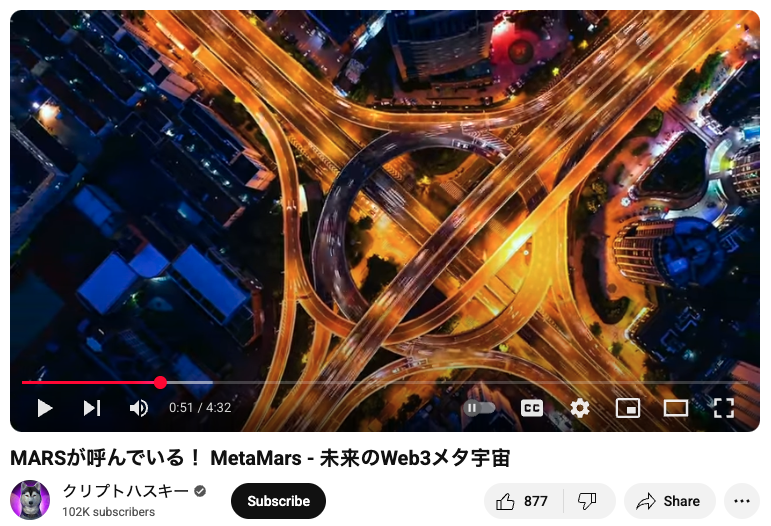
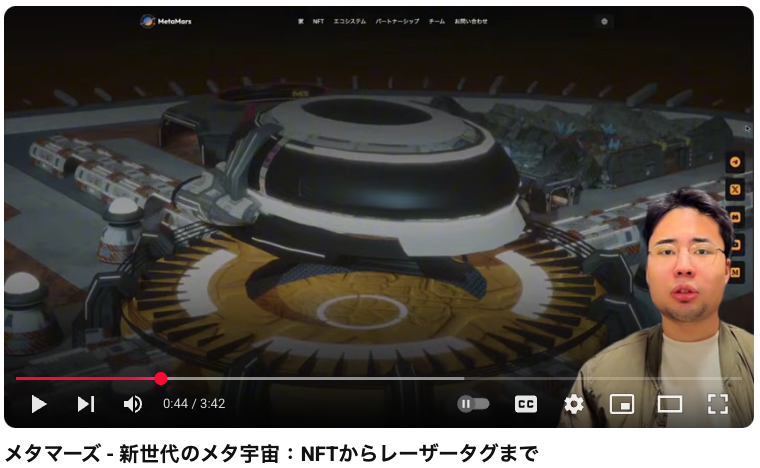
MetaMars has rapidly established itself as a standout project in the 2025 cryptocurrency market, with its $MARS token soaring over 3000%, driven by a visionary Mars-themed metaverse narrative, sophisticated tokenomics, a strong community, and strategic KOL partnerships led by M3 DAO. This momentum has now expanded into the Japanese market following successes in India, Russia, Vietnam, Turkey, and Germany, where top influencers with million-strong followings in cryptocurrency, technology, and finance have joined MetaMars’ “Builders Alliance.” Their expert insights and dynamic multi-platform promotional efforts have injected unparalleled energy into the MetaMars ecosystem, fueling explosive growth and deep community engagement. Celebrated as “The Web3 Metaverse of the Future,” this campaign has already surpassed 200,000 views, underscoring its powerful resonance and expanding influence.
The Strategic Decision to Enter Japan: A Market Analysis
Japan’s cryptocurrency and metaverse landscape presents a unique opportunity. Crypto adoption has surged to 34% of the population in 2025, with over 15 million active users, making Japan a top-five global market by daily trading volume. Major exchanges like Bitflyer and Coincheck handle over $1.2 billion weekly, supported by clear regulations such as the Payment Services Act and FSA-approved frameworks that ensure stability for users and investors.
The metaverse sector is equally promising, projected to reach ¥16 trillion ($110 billion) by 2026. According to a 2025 Dentsu Research report, 62% of Japanese crypto holders are interested in metaverse projects, especially virtual land, NFTs, and blockchain gaming. This cultural affinity, combined with a tech-savvy population, creates an ideal environment for MetaMars’ Mars-themed universe.
From Grassroots to Grand Scale: The Catalyst for Mass Promotion
While MetaMars began community building in Japan in 2024, the current phase marks a strategic pivot toward large-scale promotion designed to empower the local ecosystem—an effort undertaken closely with M3 DAO. This collaboration focuses on deepening community engagement through multifaceted support: educational programs, mentorship from local thought leaders, localized learning resources, and KOL-led offline events. M3 DAO’s expertise in DAO governance and community operations complements MetaMars’ metaverse infrastructure, creating synergy that fuels sustained growth.
This approach prioritizes organic development over mere expansion. Weekly Web3 education sessions in Japanese, hosted by M3 DAO’s regional ambassadors, guide users through blockchain fundamentals and $MARS token utilities. Local leaders—curated from early adopters and industry veterans—offer one-on-one mentorship, while a comprehensive library of video tutorials, infographics, and case studies (translated by native speakers) ensures accessible knowledge. KOLs play the role of "ecological architects" here, participating in the planning of local Tokyo metaverse workshops, NFT creation challenges and other activities, with their influence covering content creation, community operation and even the formulation of ecological development roadmaps.
Conclusion: Embracing the Japanese Cultural Metaverse Revolution
As MetaMars deepens its roots in Japan, the project embarks on a transformative journey that fuses cultural heritage with cutting-edge metaverse technology. In collaboration with M3 DAO, the initiative focuses on crafting immersive experiences that resonate locally—from anime-inspired NFT collections co-created with Japanese gaming studios to digital renditions of cultural landmarks, where KOLs and community members serve as digital guides and content architects. These collaborations extend beyond aesthetics: Japanese KOLs involved in the MetaMars DAO lead beta testing for new features, ensuring technological advancements—from blockchain governance tools to payment integrations—align with user needs.
In the coming months, KOLs will spearhead "metaverse labs," inviting fans to co-design virtual festivals, traditional art exhibitions, and interactive storytelling experiences within the Mars ecosystem. Leveraging M3 DAO’s community-building expertise and local KOLs’ cultural translation capabilities, MetaMars aims not only to expand its user base but to nurture a metaverse ecosystem where Japanese digital culture thrives. This serves as a pivot to pave the way for similar initiatives in markets like South Korea and Taiwan. The Martian landscape is evolving into a vibrant canvas for cultural innovation, inviting every user, KOL, and creator to become both planners and builders of this new digital frontier.
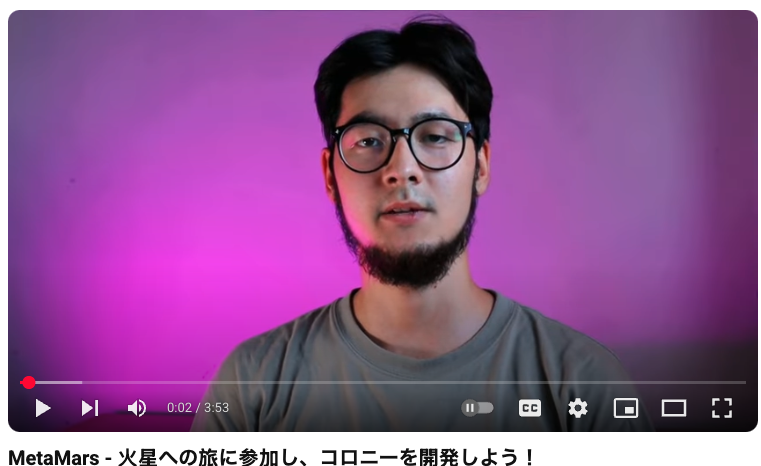
MetaMars and Japanese KOLs Unveil Cultural Metaverse Revolution: Bridging Tradition with Digital Innovation
MetaMars has rapidly established itself as a standout project in the 2025 cryptocurrency market, with its $MARS token soaring over 3000%, driven by a visionary Mars-themed metaverse narrative, sophisticated tokenomics, a strong community, and strategic KOL partnerships led by M3 DAO. This momentum has now expanded into the Japanese market following successes in India, Russia, Vietnam, Turkey, and Germany, where top influencers with million-strong followings in cryptocurrency, technology, and finance have joined MetaMars’ “Builders Alliance.” Their expert insights and dynamic multi-platform promotional efforts have injected unparalleled energy into the MetaMars ecosystem, fueling explosive growth and deep community engagement. Celebrated as “The Web3 Metaverse of the Future,” this campaign has already surpassed 200,000 views, underscoring its powerful resonance and expanding influence.
The Strategic Decision to Enter Japan: A Market Analysis
Japan’s cryptocurrency and metaverse landscape presents a unique opportunity. Crypto adoption has surged to 34% of the population in 2025, with over 15 million active users, making Japan a top-five global market by daily trading volume. Major exchanges like Bitflyer and Coincheck handle over $1.2 billion weekly, supported by clear regulations such as the Payment Services Act and FSA-approved frameworks that ensure stability for users and investors.
The metaverse sector is equally promising, projected to reach ¥16 trillion ($110 billion) by 2026. According to a 2025 Dentsu Research report, 62% of Japanese crypto holders are interested in metaverse projects, especially virtual land, NFTs, and blockchain gaming. This cultural affinity, combined with a tech-savvy population, creates an ideal environment for MetaMars’ Mars-themed universe.
From Grassroots to Grand Scale: The Catalyst for Mass Promotion
While MetaMars began community building in Japan in 2024, the current phase marks a strategic pivot toward large-scale promotion designed to empower the local ecosystem—an effort undertaken closely with M3 DAO. This collaboration focuses on deepening community engagement through multifaceted support: educational programs, mentorship from local thought leaders, localized learning resources, and KOL-led offline events. M3 DAO’s expertise in DAO governance and community operations complements MetaMars’ metaverse infrastructure, creating synergy that fuels sustained growth.
This approach prioritizes organic development over mere expansion. Weekly Web3 education sessions in Japanese, hosted by M3 DAO’s regional ambassadors, guide users through blockchain fundamentals and $MARS token utilities. Local leaders—curated from early adopters and industry veterans—offer one-on-one mentorship, while a comprehensive library of video tutorials, infographics, and case studies (translated by native speakers) ensures accessible knowledge. KOLs play the role of "ecological architects" here, participating in the planning of local Tokyo metaverse workshops, NFT creation challenges and other activities, with their influence covering content creation, community operation and even the formulation of ecological development roadmaps.
Conclusion: Embracing the Japanese Cultural Metaverse Revolution
As MetaMars deepens its roots in Japan, the project embarks on a transformative journey that fuses cultural heritage with cutting-edge metaverse technology. In collaboration with M3 DAO, the initiative focuses on crafting immersive experiences that resonate locally—from anime-inspired NFT collections co-created with Japanese gaming studios to digital renditions of cultural landmarks, where KOLs and community members serve as digital guides and content architects. These collaborations extend beyond aesthetics: Japanese KOLs involved in the MetaMars DAO lead beta testing for new features, ensuring technological advancements—from blockchain governance tools to payment integrations—align with user needs.
In the coming months, KOLs will spearhead "metaverse labs," inviting fans to co-design virtual festivals, traditional art exhibitions, and interactive storytelling experiences within the Mars ecosystem. Leveraging M3 DAO’s community-building expertise and local KOLs’ cultural translation capabilities, MetaMars aims not only to expand its user base but to nurture a metaverse ecosystem where Japanese digital culture thrives. This serves as a pivot to pave the way for similar initiatives in markets like South Korea and Taiwan. The Martian landscape is evolving into a vibrant canvas for cultural innovation, inviting every user, KOL, and creator to become both planners and builders of this new digital frontier.
VooPay's Digital Asset Card: Revolutionizing Crypto Payments, Dominating Global Markets
As the global financial landscape continues to evolve, the interaction between the cryptocurrency market and traditional financial systems is becoming increasingly intertwined. Crypto payment cards, serving as a critical bridge between the two, are emerging as a new force in the payments sector. According to a report by The Brainy Insights, the global crypto credit card market was valued at $25 billion in 2023 and is projected to surpass $400 billion by 2033, showcasing astonishing growth potential. Behind this rapid development is the relentless effort of payment providers to bridge the gap between crypto and traditional payment methods, striving to meet users' diverse payment needs.
Currently, crypto payment card products are springing up like mushrooms after a rain and have already integrated with mainstream payment methods like Google Pay, Apple Pay, and Alipay, greatly enhancing their usability. Products like the Crypto. com Visa Card, Binance Card, Bybit Card, and Bitget Card, mostly launched by major cryptocurrency exchanges, hold significant influence in the market. In terms of technological innovation, some card issuers have even integrated DeFi protocols such as Ethena, Morpho, and USUAL, offering asset appreciation services to users and successfully building a comprehensive financial service ecosystem that extends from payments to wealth management. This further expands the application scope and value of crypto payment cards.
Despite the unique advantages of cryptocurrency payments in terms of speed (46% of users choose it), cross-border cost efficiency (37% value low fees), and financial autonomy (32% pursue decentralization), a survey by Bitget Wallet reveals that their actual application scale still lags significantly behind traditional payment systems. The traditional payment market, worth trillions of dollars, covers the vast majority of daily transactions globally, while crypto payments occupy only a small share, mainly concentrated in niche scenarios like cross-border remittances and digital asset transactions. Users' preference for traditional payment methods primarily stems from concerns about trust and security. The security risks of crypto payments (e.g., hacking and fraud) leave users apprehensive, while traditional payments, backed by mature banking systems, legal protections, and dispute resolution mechanisms, significantly reduce transaction risks. Additionally, the price volatility of cryptocurrencies makes them unsuitable as stable transaction mediums, whereas the stability of traditional fiat currencies better aligns with daily consumer needs. Traditional payments also achieve seamless coverage through extensive POS terminals and online integrations, whereas the limited merchant acceptance of crypto payments restricts their practicality. Furthermore, the low operational barriers of traditional payment tools and the habitual usage formed over time, combined with the complexity and technical barriers of crypto wallets, pose challenges to the widespread adoption of crypto payments.
Against this market backdrop, the VooPay digital asset card stands out, showcasing core advantages such as multi-chain technology integration, global compliance frameworks, and real-time payment innovations, redefining the crypto payment experience:
1. Breaking Efficiency Barriers with Multi-Chain Interoperability and Real-Time Payment Technology
The VooPay digital asset card supports major cryptocurrencies like Bitcoin, Ethereum, USDT, and BNB (compatible with multi-chain protocols such as BEP-20 and TRC-20). Through an integrated cross-chain bridge, users can freely transfer assets across major blockchains like Ethereum, BNB Chain, and TRON without manual conversion. For instance, a freelancer in the UK receiving USDT payments from a U.S. client can directly convert it to GBP for consumption via the card, with the entire process settling in minutes and fees as low as 1.8%-2%. This represents a more than 90% improvement in efficiency and a 60%-80% reduction in costs compared to traditional bank cross-border transfers (5%-10% fees + 3-5 days settlement).
The platform employs Layer 2 scaling technologies (e.g., zk-Rollups) to further optimize transaction throughput, supporting high-frequency, low-value payment scenarios. Additionally, its dynamic exchange rate locking feature helps users mitigate cryptocurrency price volatility risks, ensuring payment amount stability—for example, even if Bitcoin drops from $101,867 in January 2025 to $94,500 in February, users can still settle payments at the real-time exchange rate during consumption without needing to pre-convert to fiat currency.
2. Building Trust with a Global Payment Network and Compliance System
Leveraging deep collaborations with Visa and MasterCard, the VooPay digital asset card covers 210 countries/regions and 150 million merchants (including offline retail, online e-commerce, and ATM networks). It supports integration with third-party platforms like Alipay, WeChat Pay, and Apple Pay, enabling seamless transitions between "crypto-to-fiat" payment scenarios. For instance, in the $20.5 billion spent by Canadians in the U.S. in 2024, using the VooPay card could bypass traditional bank exchange rate losses (averaging about 3%) and high fees, requiring only a fixed rate of 1.8%-2%.
In terms of compliance, VooPay holds financial licenses in Europe and North America, strictly adhering to KYC (Know Your Customer) and AML (Anti-Money Laundering) standards. Users must complete identity verification to activate their cards. The digital asset cards are issued by banks in Hong Kong and the U.S., with funds segregated from platform operating assets and regularly audited by third-party institutions to ensure security. This ensures that every transaction complies with global regulatory requirements, especially under the backdrop of tightened financial regulations driven by Trump-era policies, providing users with reliable safeguards.
3. Revolutionizing User Experience and Extending the Ecosystem to Make Crypto Payments Mainstream
The VooPay card is designed to balance high spending limits and operational convenience: the Gold Card has a daily spending limit of $7,500 and a monthly limit of $50,000, while the virtual card can be activated with as little as 10 USDT. It supports instant card issuance and multilingual interfaces (including Chinese). Users can view multi-chain asset distributions, transaction records, and real-time exchange rates via the app, significantly lowering the operational barriers compared to traditional crypto wallets. Moreover, the card integrates Zero-Knowledge Proof (ZKP) technology, protecting transaction privacy while meeting compliance requirements, allowing users to complete payment verification without disclosing sensitive information.
On the ecosystem front, VooPay's native token, VOO, has diverse use cases, including payment fee discounts (20%), participation in liquidity mining, and community governance voting. Future plans include deep integration with DeFi protocols, enabling users to directly participate in staking, lending, and other financial activities via the card, building an integrated ecosystem of "payments-wealth management-governance."
As a core project incubated by M3 DAO, VooPay is deeply embedded in its community ecosystem, which spans over 100 countries and includes more than 200,000 members. It serves as the designated payment hub for incubated projects like Rocket and MetaMars. Rocket, an IDO platform in the DeFi space, collaborates with VooPay to achieve seamless integration of crypto asset subscriptions and payments. Users can invest in Rocket projects using the VooPay card and enjoy VOO token fee discounts and priority benefits. MetaMars, on the other hand, extends VooPay's practical applications in metaverse scenarios, enabling users to purchase NFTs or virtual services with cryptocurrencies stored in their cards, with the system automatically converting to platform tokens at low fees. Together, the three entities drive VooPay's construction of an integrated ecosystem of "payments + investments + applications," promoting the adoption of cryptocurrencies in diverse scenarios.
4. Differentiated Competitiveness to Address Market Challenges
Compared to traditional payments and competitors, VooPay's core advantages lie in:
● Dual-Driven by Technology and Compliance: Enhancing efficiency through cross-chain interoperability and Layer 2 technologies while building trust with financial licenses in Europe and North America and segregated fund custody.
● Deep Integration of Scenarios and Ecosystems: Covering diverse scenarios such as personal consumption, enterprise cross-border acquiring, and DeFi finance, rather than being limited to single-use transaction functions.
● Accurate Matching of User Needs: Addressing pain points in cross-border payments (low cost, real-time), privacy and security demands (ZKP technology), and operational barriers (one-click integration with mainstream payments) with systematic solutions.
Looking ahead, as blockchain technology matures and global regulatory environments gradually open up, VooPay is poised to carve out a larger space in the crypto payment card market with its triple advantages of "technological innovation + compliance framework + ecosystem expansion." It aims to drive cryptocurrencies from "marginal payments" to "daily necessities," becoming a mainstream gateway connecting Web3 and the real economy.

GameFi's Challenges and Neo Fantasy's Path to Resilience
1. The Darkest Hour of the GameFi Market and the Glimmer of Hope
Amid the prolonged downturn of the cryptocurrency market, the GameFi sector is undergoing an unprecedented trial. According to CoinGecko data, the total market capitalization of the GameFi sector shrank by 35% from its peak in the first half of 2024. DappRadar statistics further confirm the industry's decline—numerous projects have struggled to maintain sustainable economic models, leading to severe user attrition. Although the number of daily active users has grown by 18%, this "volume up, price down" phenomenon reflects the market's painful transition from speculation-driven to value-driven development.
Even more alarming is that 93% of projects in the industry have either stagnated or perished, with the average project lifespan lasting a mere four months. Token prices have fallen more than 95% from their historical highs, extinguishing the enthusiasm of countless investors and players. The once-glorious "Play-to-Earn" and "X to Earn" models collapsed after the profit bubbles burst, exposing the fatal flaws of over-reliance on financial speculation while neglecting the essence of gaming.
However, crises often breed opportunities. The GameFi sector has not been crushed by the bear market but has instead started to clarify its future direction amid the turbulence. This deep market adjustment acts as a brutal filter, leaving only those projects that abandon token speculation, focus on player experience, and build sustainable economic systems to stand out during this industry-wide reshuffle.
2. Neo Fantasy: A Game-Changer Breaking the Deadlock
Neo Fantasy is not just a blockchain game; it is a gateway to the ACGN metaverse. In the mysterious land of Loren, players become brave adventurers tasked with reclaiming wealth from the forces of darkness. The game seamlessly integrates compelling storylines with cutting-edge blockchain technology, allowing players to immerse themselves in epic adventures while earning significant rewards through diverse gameplay. From the moment players step into the game, they are captivated by its unique charm—whether it's the vividly designed characters or the grand battle scenes, everything reflects Neo Fantasy's relentless pursuit of quality.
Looking back at the development trajectory of the GameFi industry, its collapse was no accident. Many past projects focused entirely on speculative financial incentives, neglecting the refinement of game content and the construction of community ecosystems. Complex and obscure tokenomics and flashy but impractical DeFi concepts attracted attention in the short term but failed to mask the lack of gameplay. Once token rewards diminished, users quickly scattered, leading to the project's rapid decline. This blind pursuit of short-term gains ultimately triggered a full-blown industry crisis, serving as a wake-up call for future projects.
Neo Fantasy has keenly identified these industry pitfalls and introduced a series of innovative measures to break the deadlock:
Enhancing User Experience: The team accurately addressed traditional gamers' aversion to complex blockchain interfaces by developing an independent application that combines the seamless operation of traditional games with the "play-to-earn" features of Web3. New players can easily get started without deep knowledge of blockchain technology. This low-barrier design significantly broadens the user base, attracting many players who were previously deterred by blockchain games.
Community and Market Expansion: Neo Fantasy has demonstrated strong strategic foresight by establishing deep collaborations with renowned platforms like Nextype, quickly amassing a large user base. Moreover, its plan to launch on mainstream app stores such as Google Play and the App Store aims to tap into the billion-user Web2 gaming market. This move will undoubtedly break the barriers of blockchain gaming, allowing more ordinary players to experience Neo Fantasy's unique charm and paving the way for broader growth.
Innovative Gameplay: Sustained innovation in gameplay is key to Neo Fantasy's vitality. The team has abandoned the outdated model of solely relying on token-driven user engagement and continuously introduces new features. PvE dungeons are filled with challenges and surprises, requiring strategic cooperation to overcome; the PvP arena is packed with skilled players, offering intense real-time battles; auto chess combines strategy and luck, making each match unpredictable; and guild tournaments emphasize teamwork, fostering strong bonds among players. Future plans for open-world and virtual-world experiences will further expand the game's boundaries, delivering unprecedented immersive experiences.
Sustainable Tokenomics: The construction of the token economy showcases the team's wisdom and vision. Centered around the ERT token, the system serves as both a governance tool and a utility token. Through a carefully designed economic cycle model, every in-game action—whether upgrading heroes, enhancing equipment, or participating in events—is closely tied to ERT. This design ensures the token's utility while avoiding unsustainable high-yield promises, achieving self-sufficient and healthy economic circulation. Additionally, offering free hero characters to new players lowers the participation barrier, attracting a diverse and loyal community of traditional gamers.
3. Breaking Through the Bear Market: Neo Fantasy's Keys to Success and Industry Insights
Under the severe challenges of the bear market, Neo Fantasy's development strategy has pointed the way forward for GameFi projects. Gameplay is the foundation of survival; only with outstanding fun and playability can players truly immerse themselves. A strong community is the cornerstone of development; an active player community not only enhances user retention but also injects continuous vitality into the project. Leveraging mainstream platforms to expand the market is the necessary path to breaking through barriers and achieving large-scale growth. Meanwhile, a sustainable and transparent tokenomics model is the core element to ensure the long-term stability of the project. Continuous innovation is the key to standing out in a fiercely competitive market; only by consistently introducing new features can a project retain players' attention and maintain its competitiveness.
4. Looking Ahead: Concrete Actions to Lead the Next GameFi Revolution
While the GameFi sector has suffered significant losses during the bear market, Neo Fantasy's rise offers hope for the industry's recovery. In the future, Neo Fantasy will take a series of practical actions to solidify its strengths and drive industry transformation:
Expanding Community Collaboration and Listening to Players: Neo Fantasy will broaden its community partnerships, working with global gaming forums, blockchain communities, and player groups. By hosting regular online and offline events and conducting surveys, the project will gather feedback on gameplay, economic systems, and social features. These insights will guide targeted improvements to ensure the game aligns with player needs, enhancing satisfaction and loyalty.
Optimizing Game Content for Premium Experiences: Resources will continue to be invested in developing and refining game content. This includes enriching storylines for immersive narratives, fine-tuning PvE dungeon difficulty curves and reward mechanisms, and improving PvP balance and fairness. The development of open-world and virtual-world features will also be accelerated, introducing innovative gameplay and interaction elements to provide players with more opportunities for exploration and creativity.
Strengthening Guild Systems to Promote Ecosystem Prosperity: Neo Fantasy will actively support in-game guild development by offering exclusive benefits and activities such as guild quests and rewards. A guild ranking system will incentivize growth, while cross-game and cross-platform collaborations will encourage interaction among players from different communities, expanding the game's influence and ecosystem.
Expanding the Ecosystem and Exploring New Possibilities: Beyond core gameplay, Neo Fantasy will actively expand its ecosystem. On the technical side, it will accelerate cross-chain compatibility to enable seamless flow of $ERT tokens and game assets across networks, attracting more external resources and users. In content creation, the project will support an ACGN creator program, encouraging community members to produce comics, novels, animations, and other content related to Neo Fantasy, enriching the game's cultural value and building a diverse ecosystem.
By focusing on player experience, community building, and sustainable development, Neo Fantasy has proven that GameFi can thrive even in a bear market. The future belongs to projects that prioritize high-quality gaming content and earn players' trust. Neo Fantasy not only survives but actively positions itself as a leader, driving the next GameFi revolution. For the GameFi industry, abandoning hype and focusing on quality is the key to standing out in a fiercely competitive market. Neo Fantasy is steadfastly walking this path, writing its own legend.
