
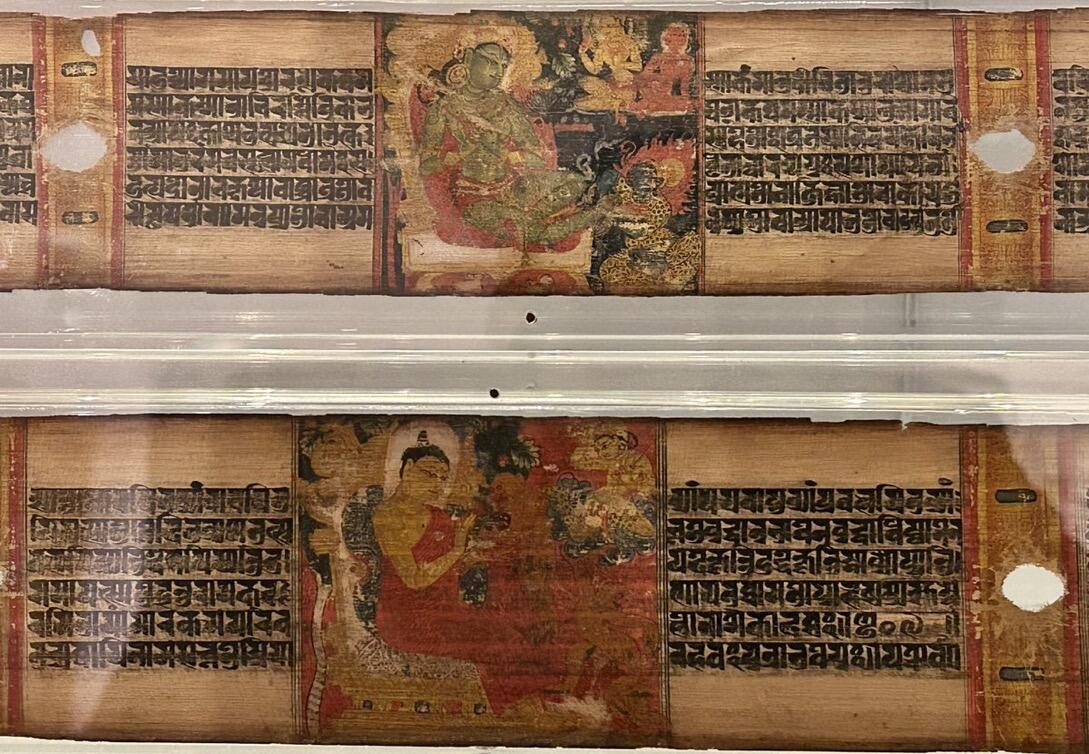
Two illuminated leaves from an Aṣṭasāhasrikāprajñāpāramitāsūtra manuscript copied in Nālandā during the reign of Govindapāla (c. 1179), Royal Asiatic Society, London
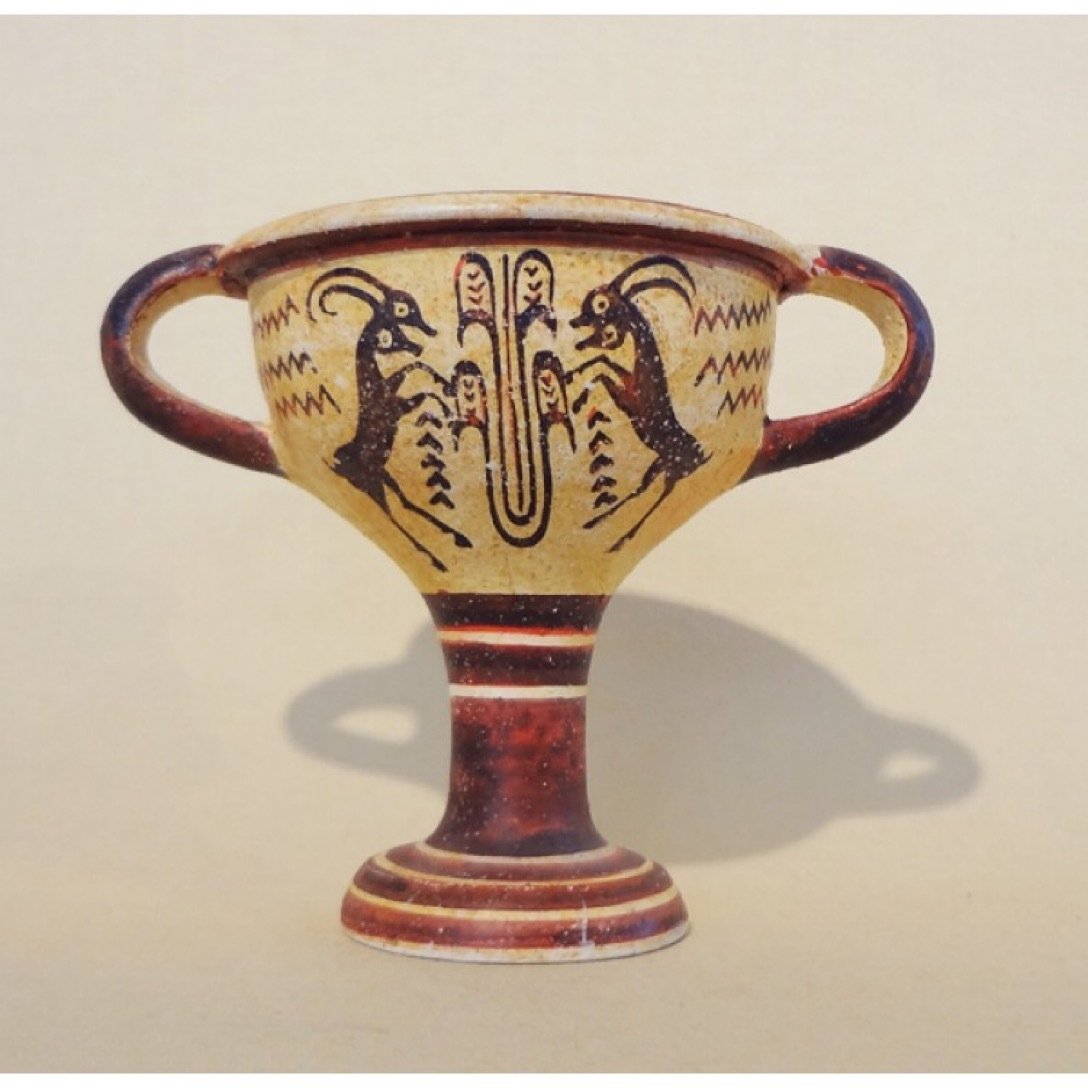
Minoan stem kylix with ibex / Archaeological Museum of Heraklion, Crete
ca. 1450-1340 B.C.
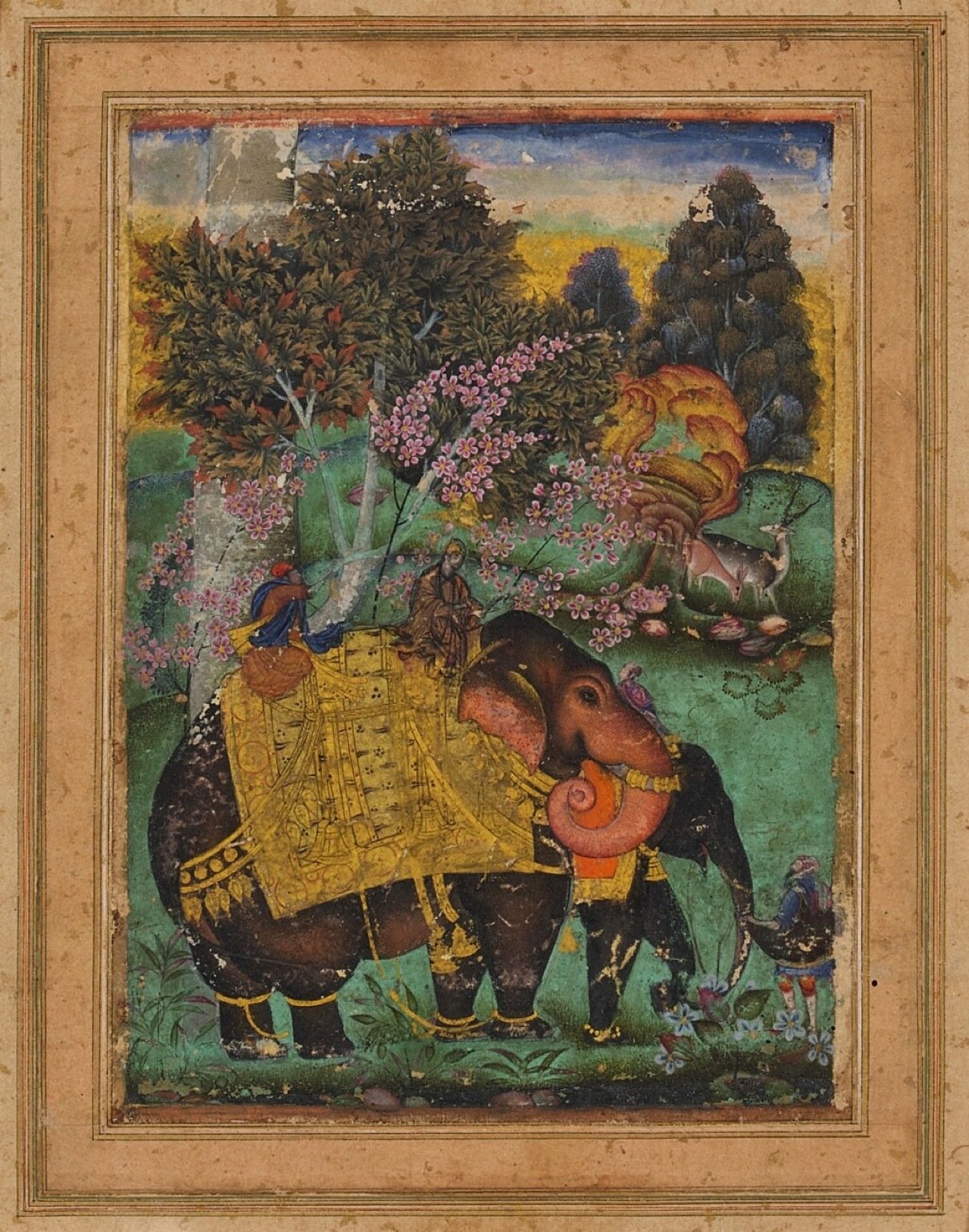
Sultan Ibrahim Adil Shah II of Riding his favourite Elephant Atash Khan
Attributed to artist Farrukh Beg, c1600 CE

Minoan
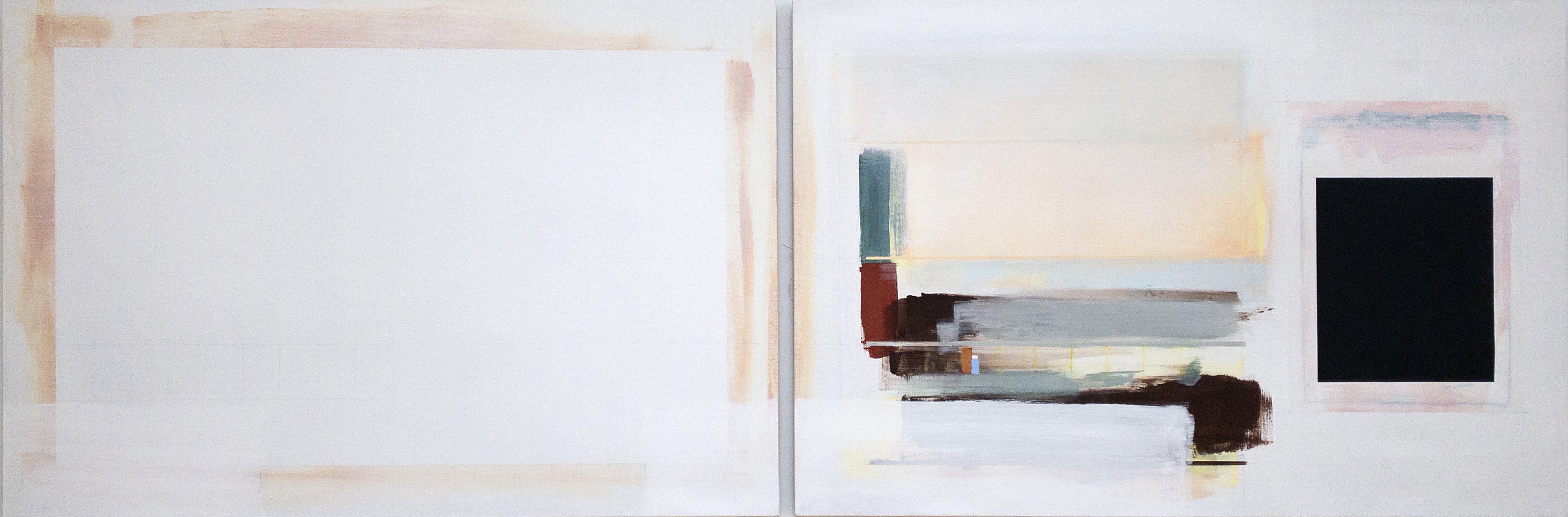
Hestia Dione Aphrodite | ensemble approximately 72 x 15 x 15 [ inches ] | each approximately 22 x 15 x 15 [ inches ]
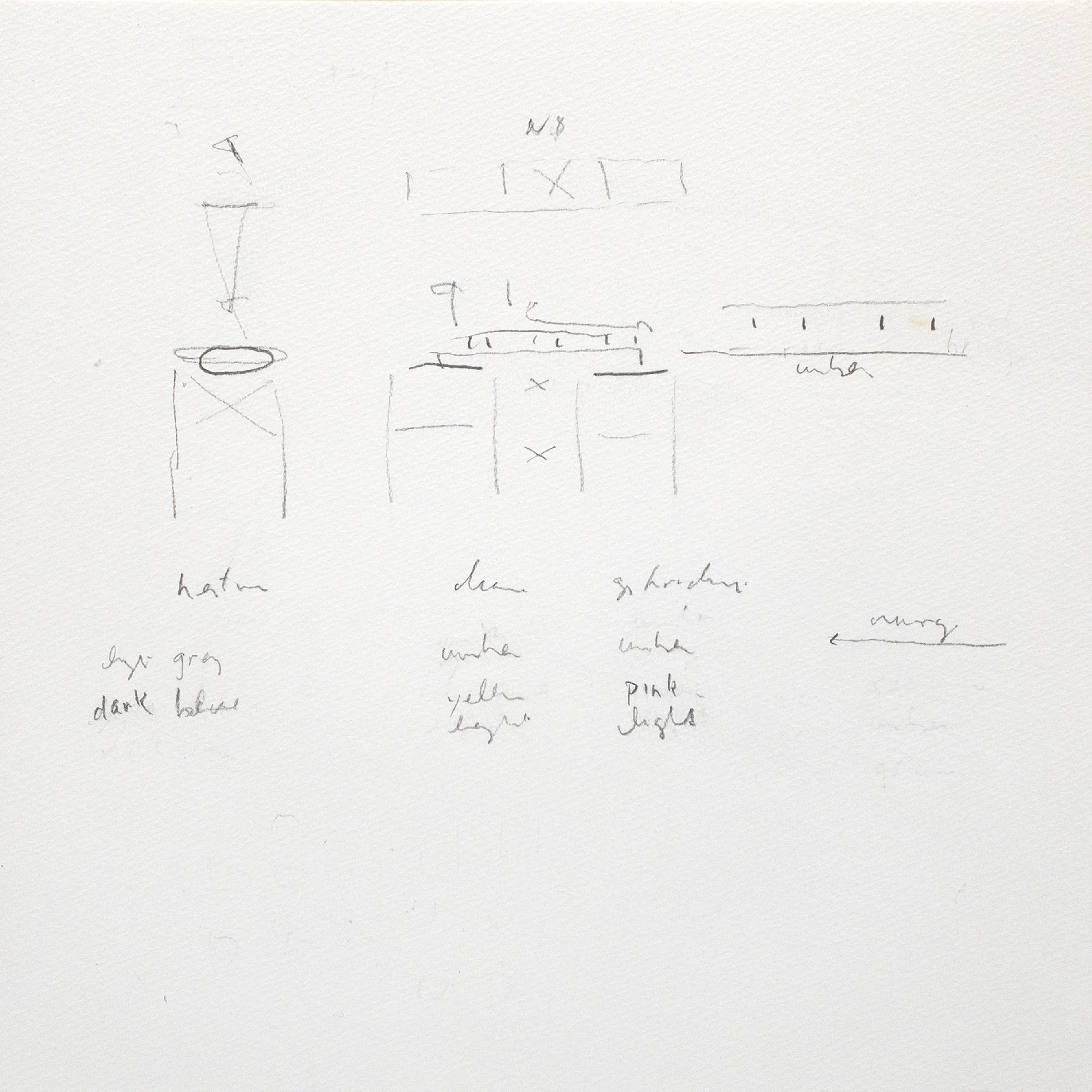
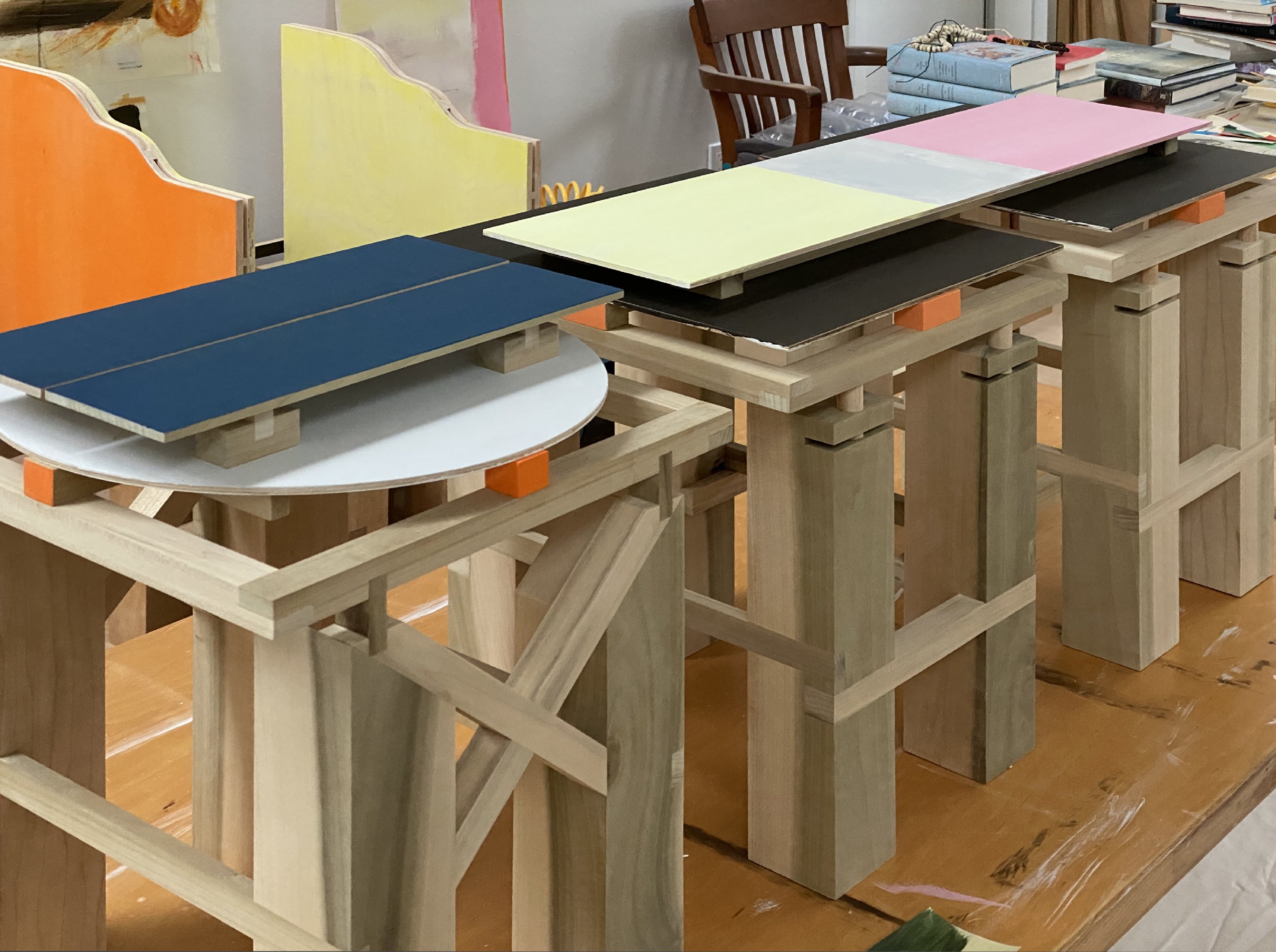
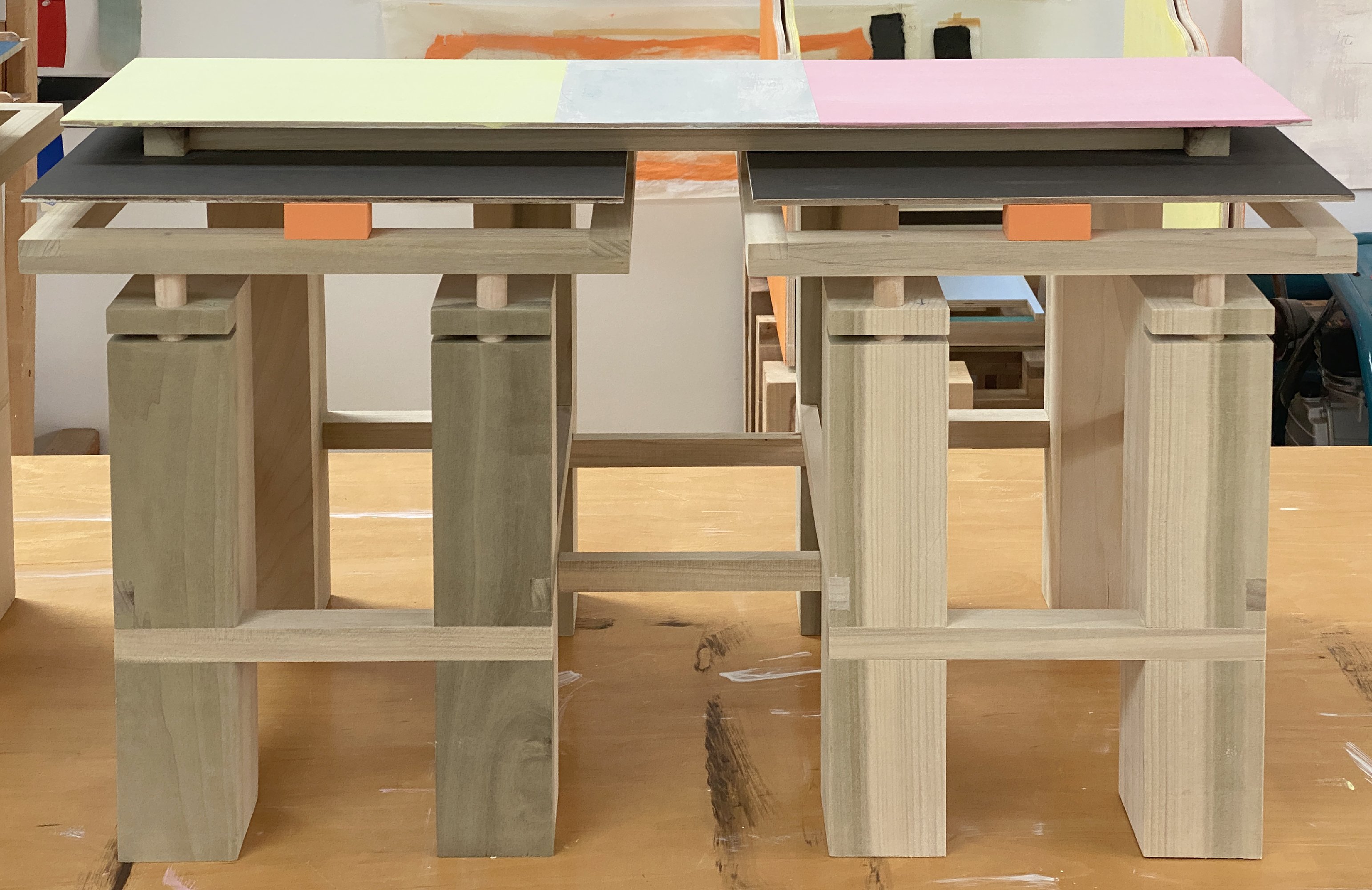
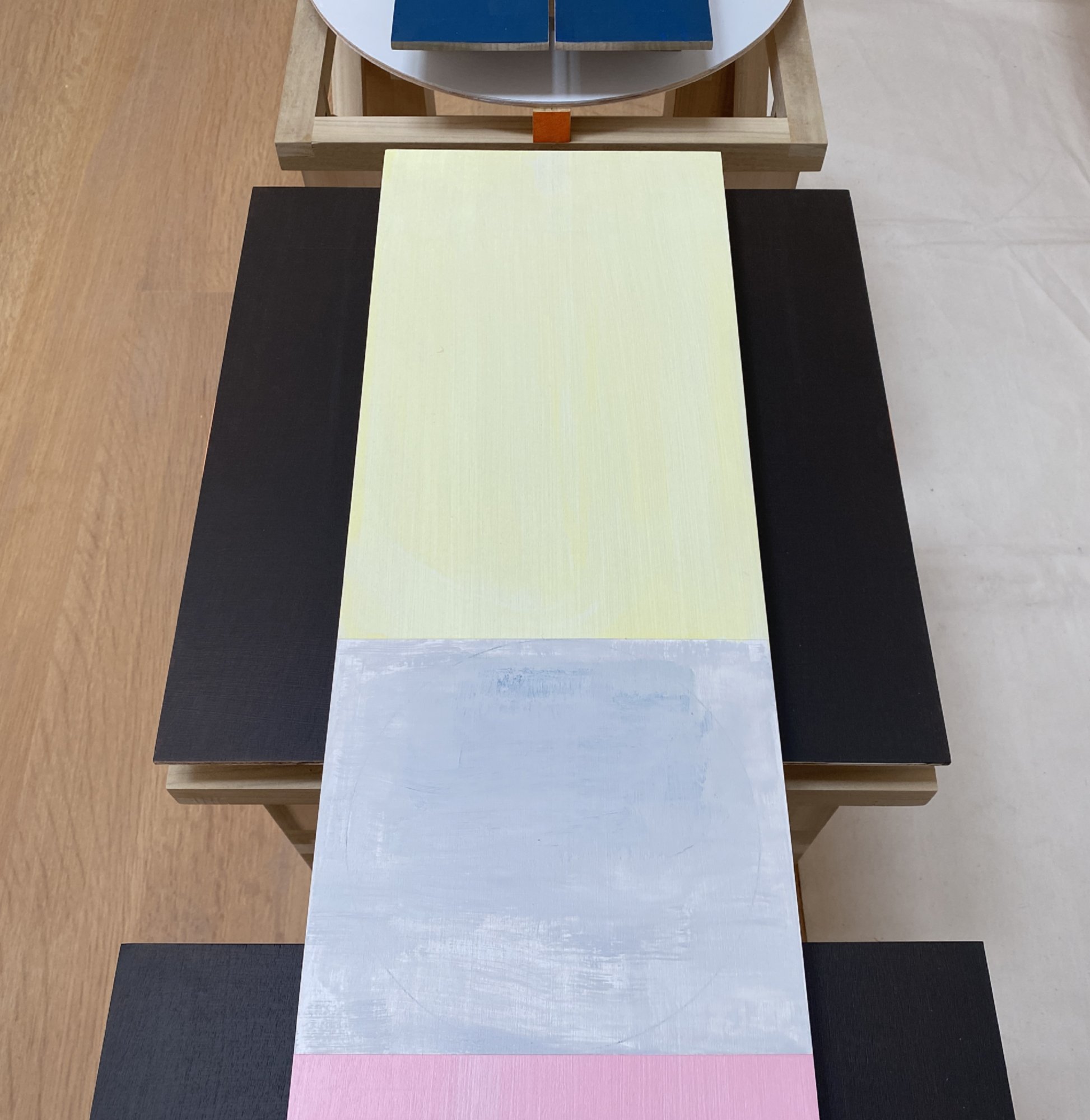
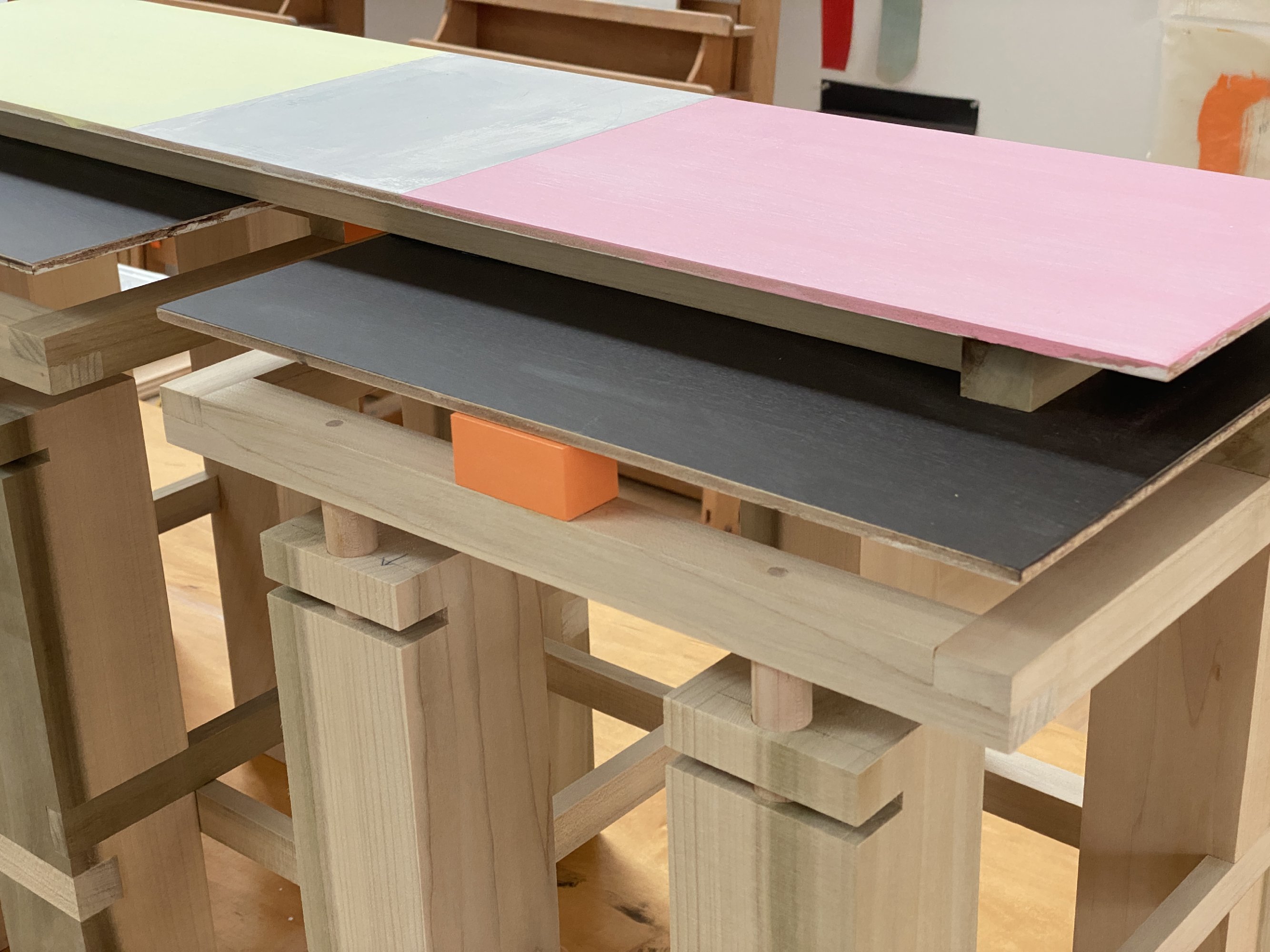
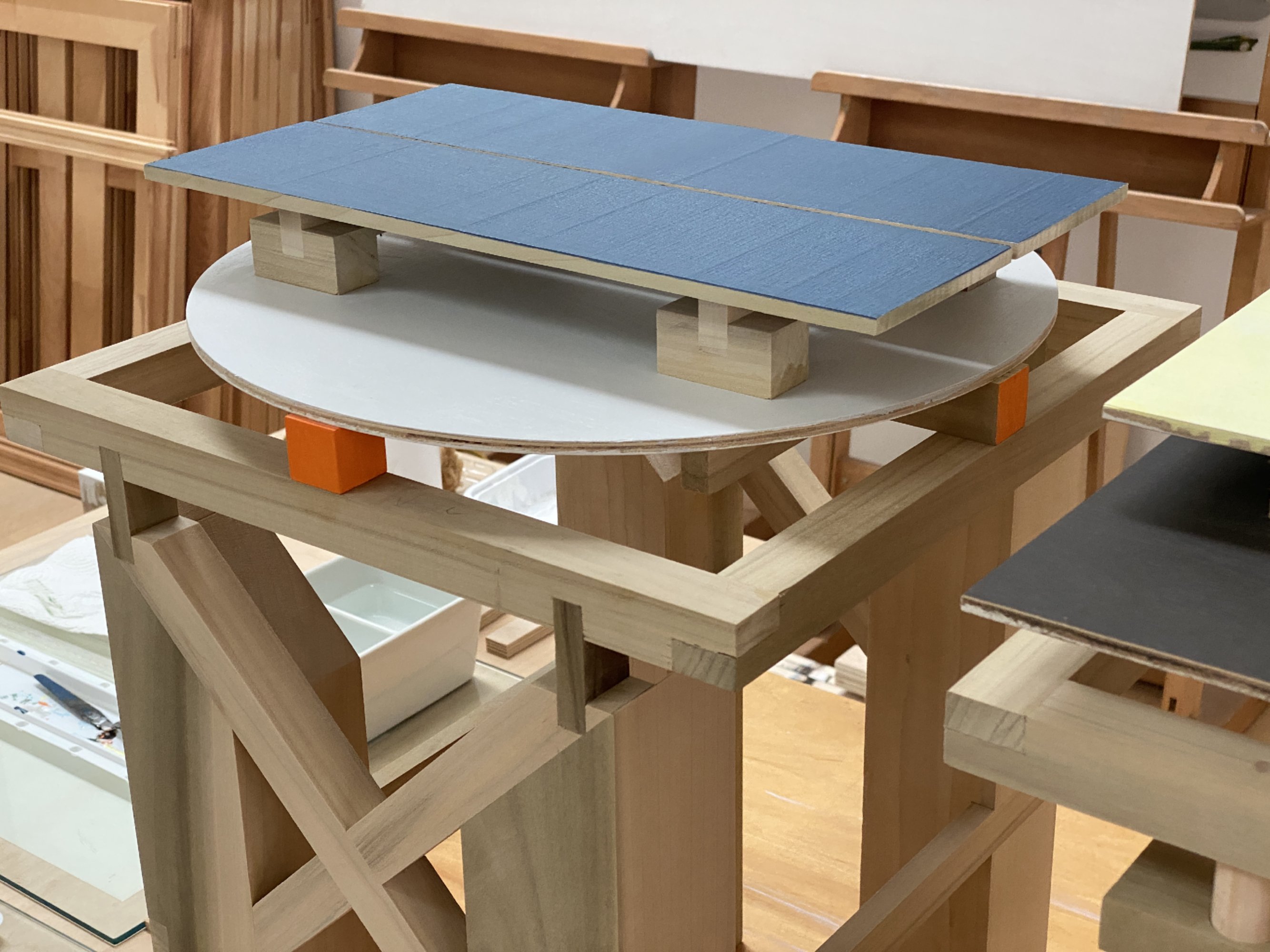
196883 / 4371 | 64 3/4 x 22 [ inches ]
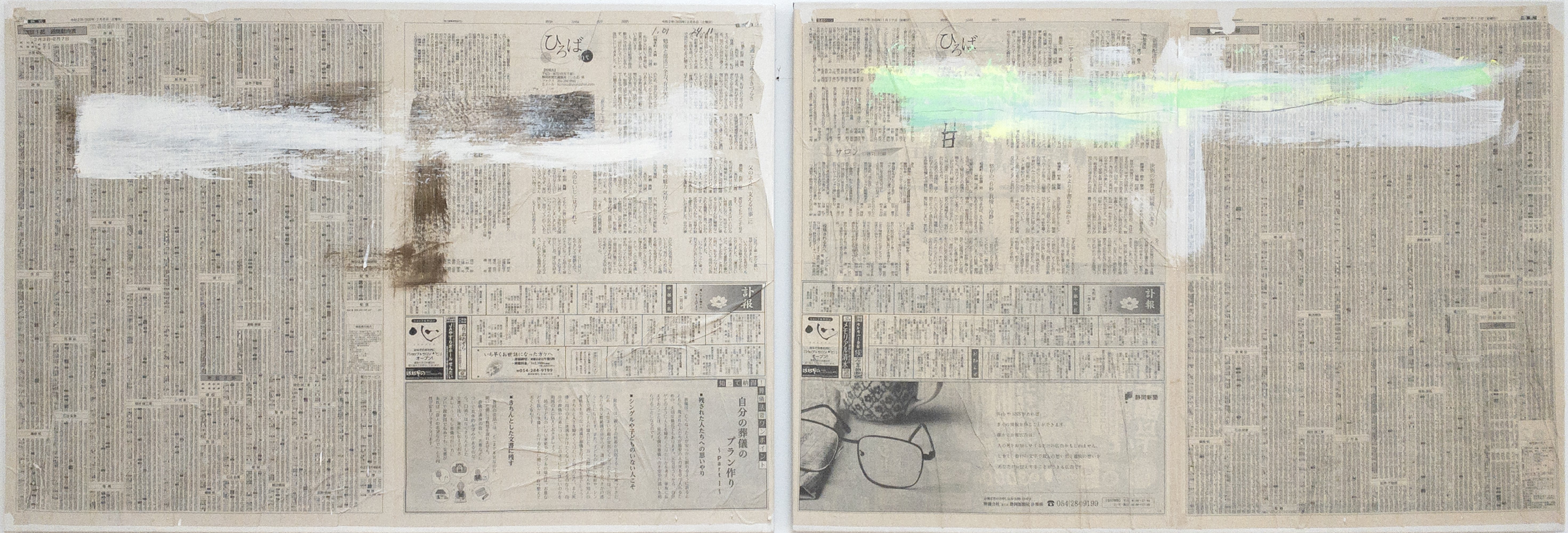
Appulia in Search of Appulus | 72 3/4 x 24 [ inches ] | vide Turner / Claude
Liu Hsieh | 465-522 CE | Wen-hsin tiao-lung
An Ancient said, "One may be on the rivers and sea in body, but his mind remains at the palace gate." This is what I mean by shen-ssu, or spiritual thought or imagination. One who is engaged in literary thought travels far in spirit. Quietly absorbed in contemplation, his thinking reaches back one thousand years; and with only the slightest movement of his countenance, his vision penetrates ten thousand Ii; he creates the music of pearls and jade between his poetic lines, and he witnesses the rolling of wind and clouds right before his brows and lashes. These things are possible because of the work of the imagination.
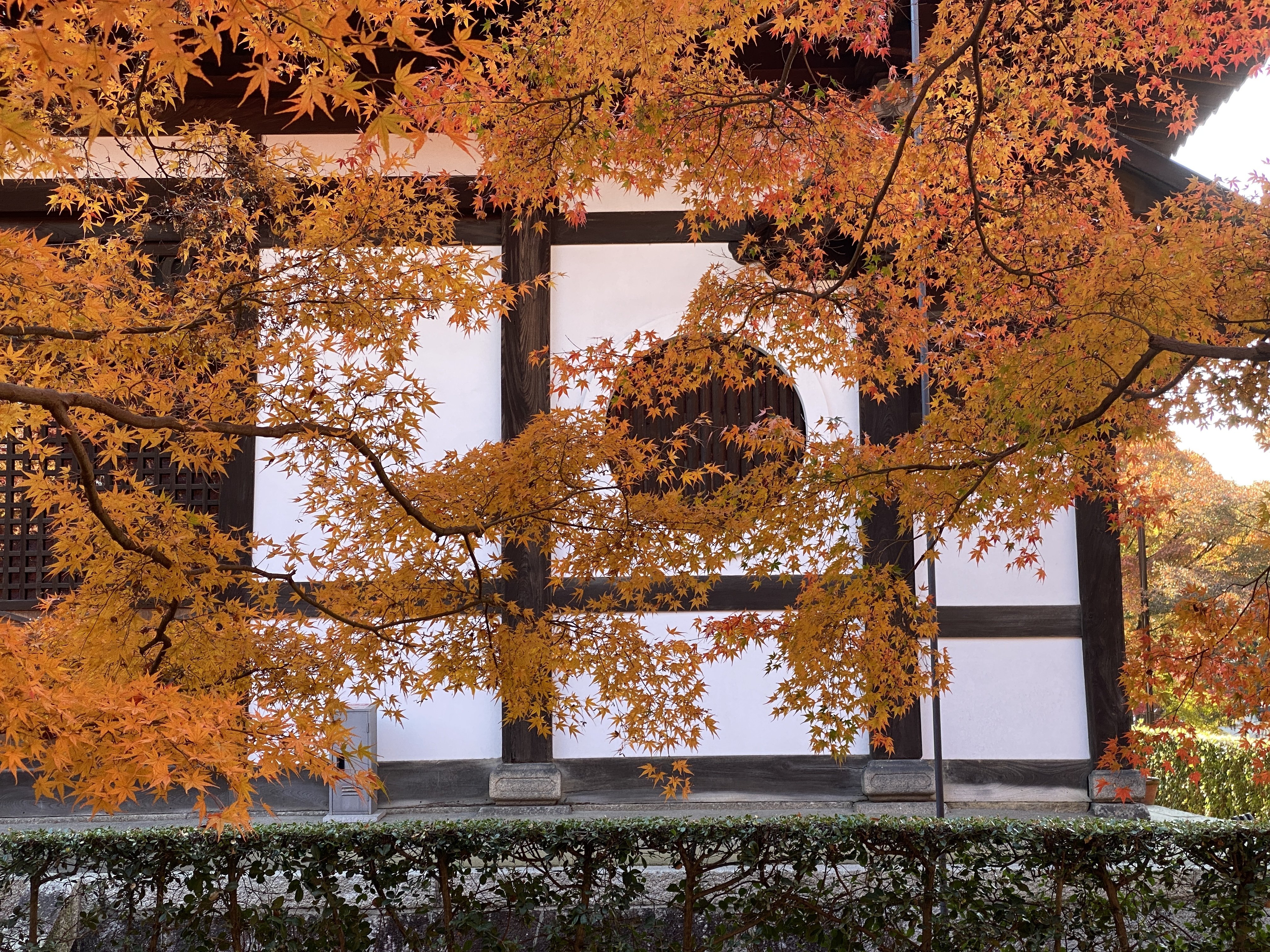
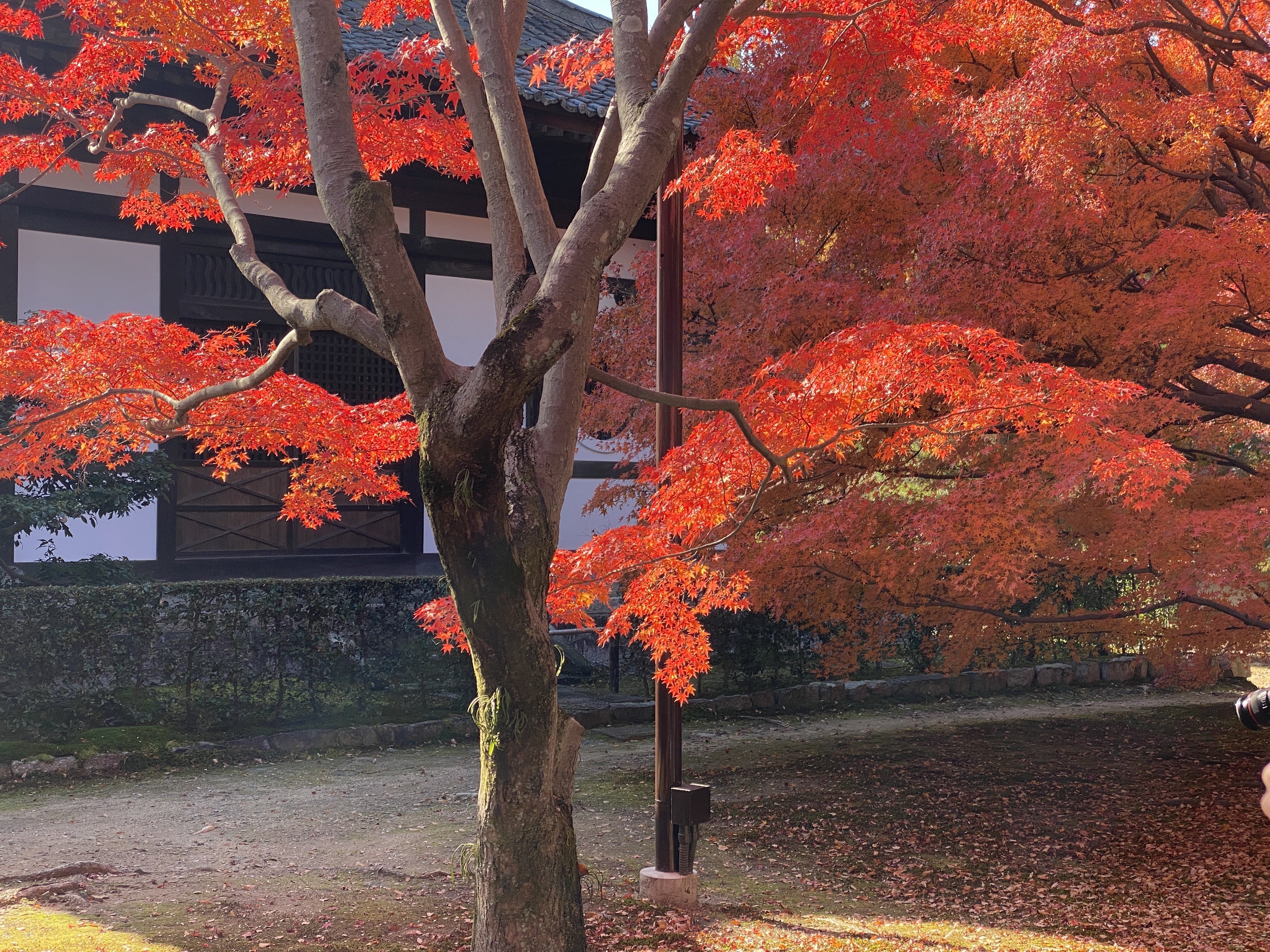
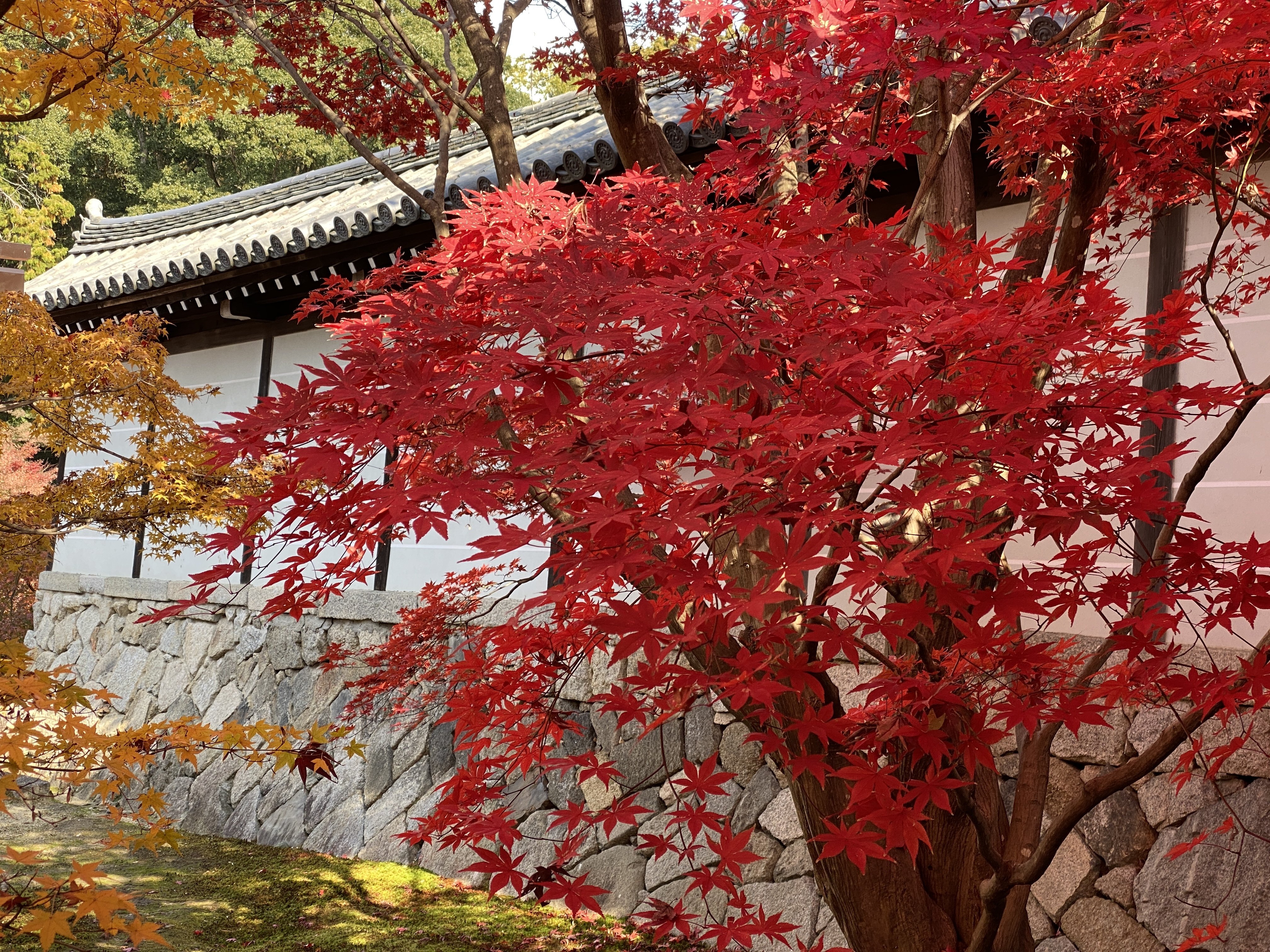
Heian-jingu shrine Kyoto 13/6/23


Radha and Krishna
C.19th Century CE
Kangra,Himachal Pradesh, India
Allahabad Museum, Allahabad

Byodouin in Uji City
These images are a computer reconstruction of what the original interior was like in a Buddhist temple located in Kyoto Prefecture in Japan. Colors are based on analysis of what remains of the existing material. No date is given for what time period this represents.


All apparent phenomena are nothing but delusion, and there is, moreover, no freedom from delusion to be achieved by dispelling delusion. Delusion is, by its own essence, completely pure and, hence, enlightened. All phenomena are, in this way, primordially, fully, and completely enlightened. Phenomena appearing as various attributes are, therefore, indeed the mandala of vajra body, speech, and mind. They are like the Buddhas of the three times, never transcending the essence of complete purity. Sentient beings and Buddhas are not differentiated in terms of their essence. Just like distinct causes and results appearing in a dream, they are nothing but perceptions of individual minds brought forth by the power of imputation.
Establishing Appearances as Divine: Rongzom Chökyi Zangpo on Reasoning, Madhyamaka, and Purity
Even if we think we have found the origin of phenomena, we are only being deluded by the karmic seeds of new discoveries which are constantly ripening, becoming exhausted, and being replaced through the ripening of other karmic seeds. Yet we continue to be fascinated by trying to define substance, constantly trying to catch it, thinking that we have caught it but then losing it. We are endlessly lured by the material creations of our conceptions. Sublime beings, knowing the characteristics of each phenomenon and the nature of all phenomena, are never lured by anything. They abide in the infinite display of enlightenment’s empty appearance without trying to catch anything or being able to be caught.
White Sail
Crossing the Waves of Ocean Mind to the Serene Continent of the Triple Gems : Thinley Norbu
tea room in Zuihō-in | a sub-temple of Daitokuji Monastery [ a Rinzai Buddhist Monastery complex founded in 1319 ] | room dates from the 16th C | Kyoto, Japan

on Anaxaminder [ circa 570 BCE ]
Anaximander claimed that the cosmic order is not monarchic but geometric, and that this causes the equilibrium of the earth, which is lying in the centre of the universe. This is the projection on nature of a new political order and a new space organized around a centre which is the static point of the system in the society as in nature (1). In this space there is isonomy (equal rights) and all the forces are symmetrical and transferable. The decisions are now taken by the assembly of demos in the agora which is lying in the middle of the city (2).
1. C. Mosse (1984) La Grece archaique d’Homere a Eschyle. Edition du Seuil. p 235
2. J. P. Vernart (1982) Les origins de la pensee grecque. PUF Pariw. p 128, J. P. Vernart (1982) The origins of the Greek thought. Cornell University Press.
Peplos Kore | circa 530 BCE | Parian marble | height : 120 cm | Acropolis Museum Athens


Ovid among the Scythians
Eugène Delacroix
1862
MMA
"The mind sinks into it with a slow and appreciative rapture, as it would sink into the heavens, or into the sea’s horizon—into eyes brimming with thought, or a rich and fertile drift of reverie" Baudelaire