
I wrote an essay for this issue of Qawwam Magazine talking about some societal consequences of Riba money, namely its effect on soil and agriculture, food quality, family, charity, and war.
Check it out here on page 80:
qawwam.online/issue-6/
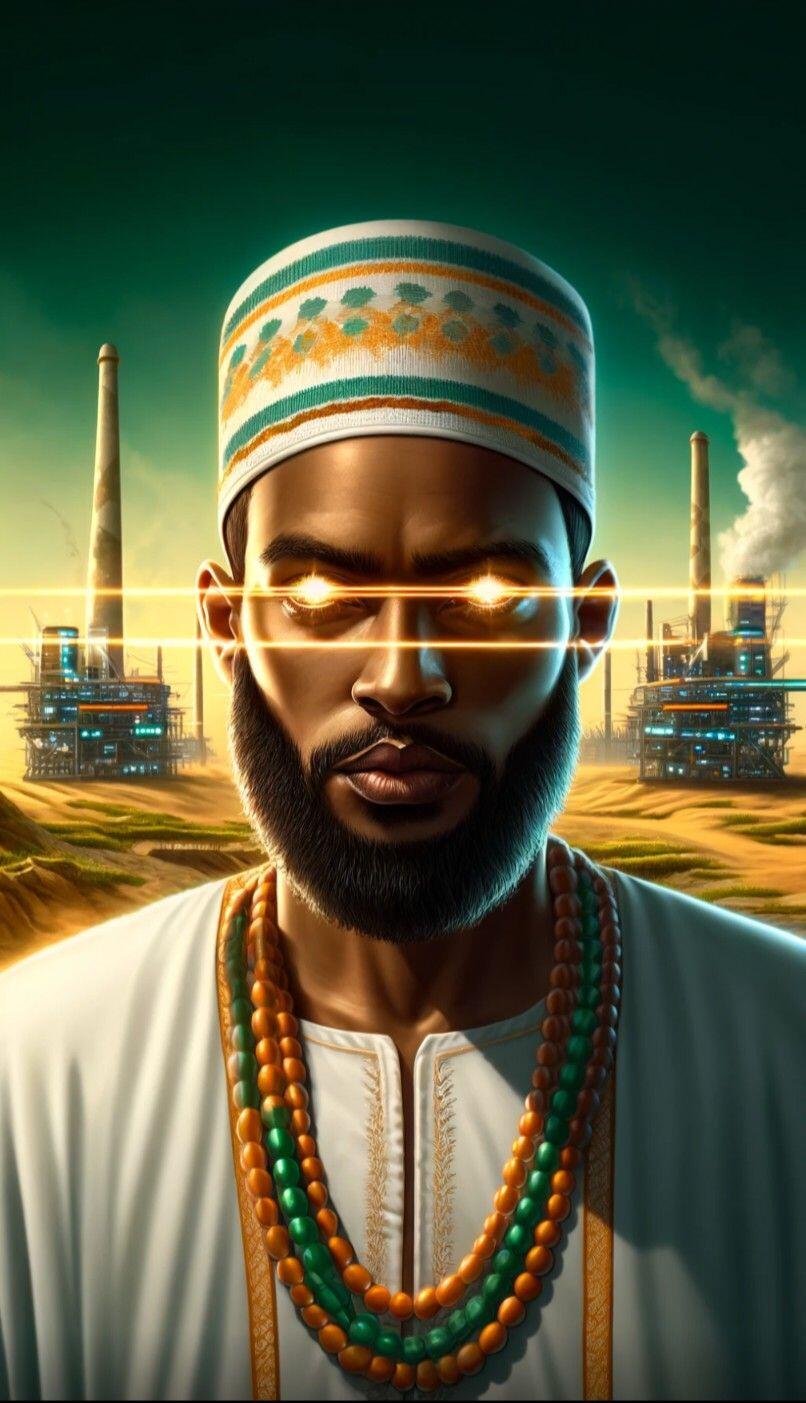
We actually had the fiat standard in the list but swapped it for gradually then Suddenly. Depending on the success of this grant, we might do a "part 2" where the fiat standard would definitely be included in that list
Alhamdulilah, we just launched our first grant program at Bitcoin Majlis! If you're a Muslim student or young scholar studying Islam we encourage you to apply. No prior knowledge of Bitcoin is needed.
Please share it with your local Muslim communities and networks
See full announcement here: https://bitcoinmajlis.org/bitcoin-educational-grant-for-muslims/
We chose The Bitcoin Standard, Broken Money, and Gradually then Suddenly as the three books for this grant because we felt like these 3 were comprehensive enough to give a thorough introduction to how fiat operates and why bitcoin fixes this.
What do you think of these 3 books? Is there a book you would swap in?

Anyone know about the Taliban’s policy on fractional reserve fiat currency?
I am curious about the monetary situation in day to day commerce, and what the Talib think and do about sound money, riba.
Wonder if they are receiving pressure on not adopting a sound money standard.
A cursory search indicates non-zero monetary inflation, and currency controls. Cant find a definite position on the 🌽.
cc nostr:npub1uzfp6cgwue2njm86cmyeq7m26y0n58w72acq98sjsnnv4c87002s6857h3 nostr:npub1a2cww4kn9wqte4ry70vyfwqyqvpswksna27rtxd8vty6c74era8sdcw83a nostr:npub1gdu7w6l6w65qhrdeaf6eyywepwe7v7ezqtugsrxy7hl7ypjsvxksd76nak
 /640px-500_Afghanis_closeup_-_06092008.jpg
/640px-500_Afghanis_closeup_-_06092008.jpg
 /351px-Muammar_al-Gaddafi-30112006.jpg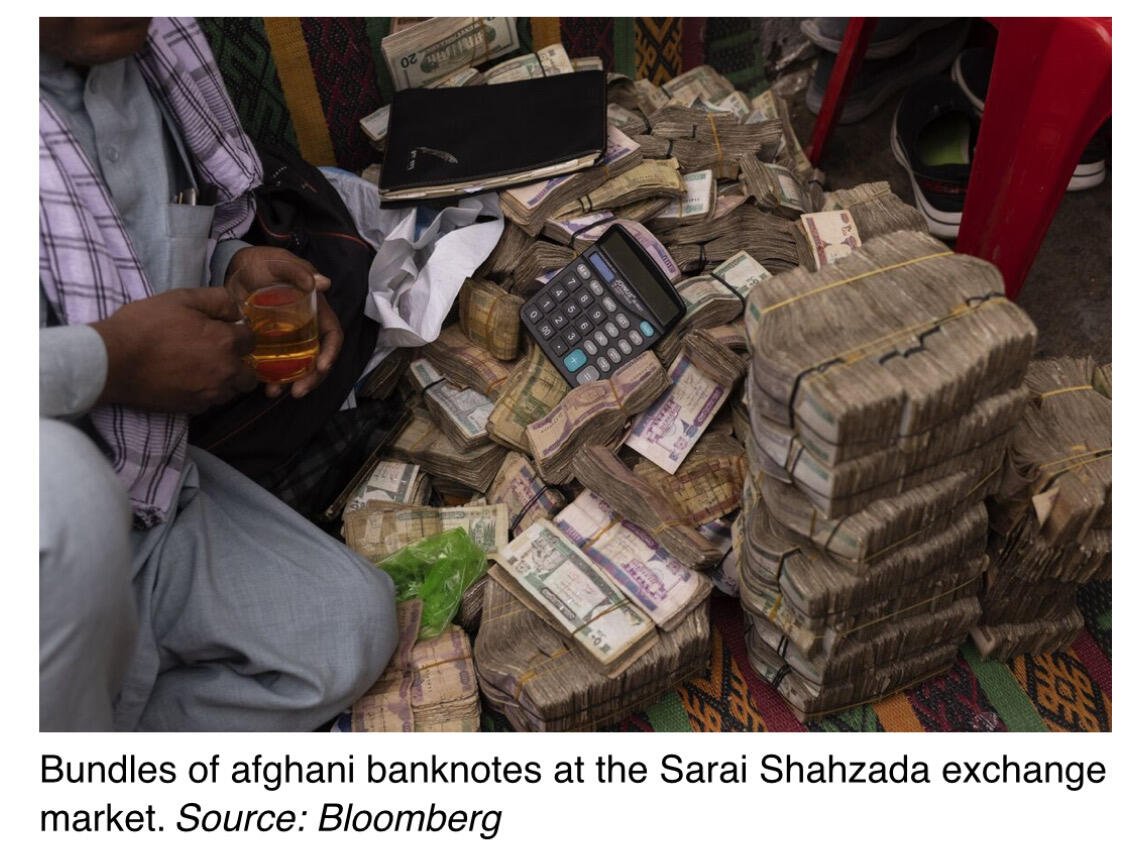
I actually don't know much about it. But I think they "officially" banned Riba recently right? If they're gonna sincerely follow through with that then they'll have to ban fiat...
Alhamdulilah, we just launched our first grant program at Bitcoin Majlis! If you're a Muslim student or young scholar studying Islam we encourage you to apply. No prior knowledge of Bitcoin is needed.
Please share it with your local Muslim communities and networks
See full announcement here: https://bitcoinmajlis.org/bitcoin-educational-grant-for-muslims/

What prevents people, especially Muslims, from recognizing Bitcoin as a solution to many civilizational problems:
- They think it is purely an investment/speculation asset not what it was created for, namely to simply be sound money.
- They do not realize the monstrosity of the sin of interest/usury (riba) and have become far too accustomed to living with it (yes, I mean all three religions).
- Consequently, they do not see the urgency of escaping riba as quickly as possible and prefer to continue as usual.
- They have not understood their religious texts or cannot adequately prioritize the commandments and prohibitions within them.
- They are unfamiliar with the Bitcoin ecosystem and do not know what is already possible.
- And even if they were to become familiar with it, they are too complacent to change their habits.
- They are not open to fundamental paradigm shifts, even if it should lead them back to the roots of their religion, and feel threatened by changes (see how many people become aggressive and patronizing at the mere mention of the word "Bitcoin").
- They lack a solid understanding of economics and are still influenced by Keynesianism.
- They are not optimistic.
Therefore, people are right who say that the biggest challenge lies in education. But how can you educate people who have stopped learning?
So I now see it like Dr. nostr:npub1gdu7w6l6w65qhrdeaf6eyywepwe7v7ezqtugsrxy7hl7ypjsvxksd76nak . The later they learn, the less of the pie they will get. Bitcoin is like gunpowder; it is not optional whether you adopt it. The question is WHEN you will adopt it and whether it will not be too late (for you) by then.
This is why the only realistic plan to address this is to write a book. I admit that it's not a very good plan, but it's something. Just lay out what we think is the Muslim case for Bitcoin, and inshaAllah Muslims pick up on it. It takes a lot more unlearning than actually learning about it.
InshaAllah we have something cooking up with Bitcoin Majlis that we'll announce in the next day or two. So exciting!
Banks in Muslim countries 
https://aboubarchos.substack.com/p/hizb-ut-tahrir-and-the-ummatic-ghost
Very insightful essay. I see this type of "ghost dance" solution when Muslims approach the global Riba problem, particularly from "gold dinar bugs".
Actually, if you watch this interview with Jamal Harwood (Head of Legal Affairs of HT Britain according to Wikipedia) on Blogging Theology, their solution is to just use gold and silver, and this will solve the global Riba problem with fiat money and help bring about the Caliphate.
https://youtu.be/QXSVbj433po?si=zuAN40ileA4d17Dq
We've tried bringing back the gold standard many times, and it's failed every single time.
Calling for a return to the gold standard is a ghost dance.

My brother and I did a podcast with Harris Irfan and Ralph from Onramp MENA where we talked about Bitcoin being anti-Riba money. Check it out:

That's how it started for me, by first reading the Bitcoin standard. There really is no better introduction to Bitcoin. I keep many copies of the book on hand to give out to people.
"There’s clearly a paradox. Money can’t be in two places at once. The money can’t be simultaneously available for withdrawal by depositors and also loaned out to the banks’ borrowers.
Therefore there’s a large element of risk in commercial banking activities. They use statistical models to insinuate that this risk is low. But the risks are more common than we think.
Suffice to say that banks are operating with an element of gharar. Gharar means uncertainty. It’s rooted in the Arabic word ‘to deceive’ (gharra). This can happen when the claim of ownership or the outcome isn’t clear. Gambling and the use of derivatives (like futures and options) are examples of gharar." - Secret Muslim Banker
From: https://www.secretmuslimbanker.com/content/the-islamic-banking-paradox
I genuinely don't understand the thought process behind holding any altcoin.
Sure, some altcoins have specific use cases to supposedly optimize their "medium of exchange" function on the base layer, like smart contracts, privacy, faster payments, yield, etc. But when you claim to use these altcoins for those purposes, you've already inadvertently made the case why you shouldn't hold on to these coins for any duration longer than needed to complete a transaction or benefit from some heavily marketed utility.
If desired, the most logical move is to quickly use the altcoin for its "utility", then convert the altcoin back to Bitcoin.
But you see the problem? There is no incentive to actually hold on to the altcoin. If there's no rational reason to hold to the altcoin, it will underperform compared to Bitcoin. It will lose the fight for liquidity. An altcoin "money" cannot develop without people holding it.
I don't see the economic, or more importantly, the philosophical, justification for holding on to any altcoin for any significant amount of time, or how it could even compete as an actual money.
They simply go to zero against Bitcoin.
It worked! Now start shit posting and earn those zaps!
Says unable to zap
If you're Muslim and into Bitcoin and are looking to continue down the Islamic version of the Bitcoin rabbit hole, I highly recommend reading these 7 books.
👇
1. Heaven's Bankers: Inside the Hidden World of Islamic Finance by Harris Irfan
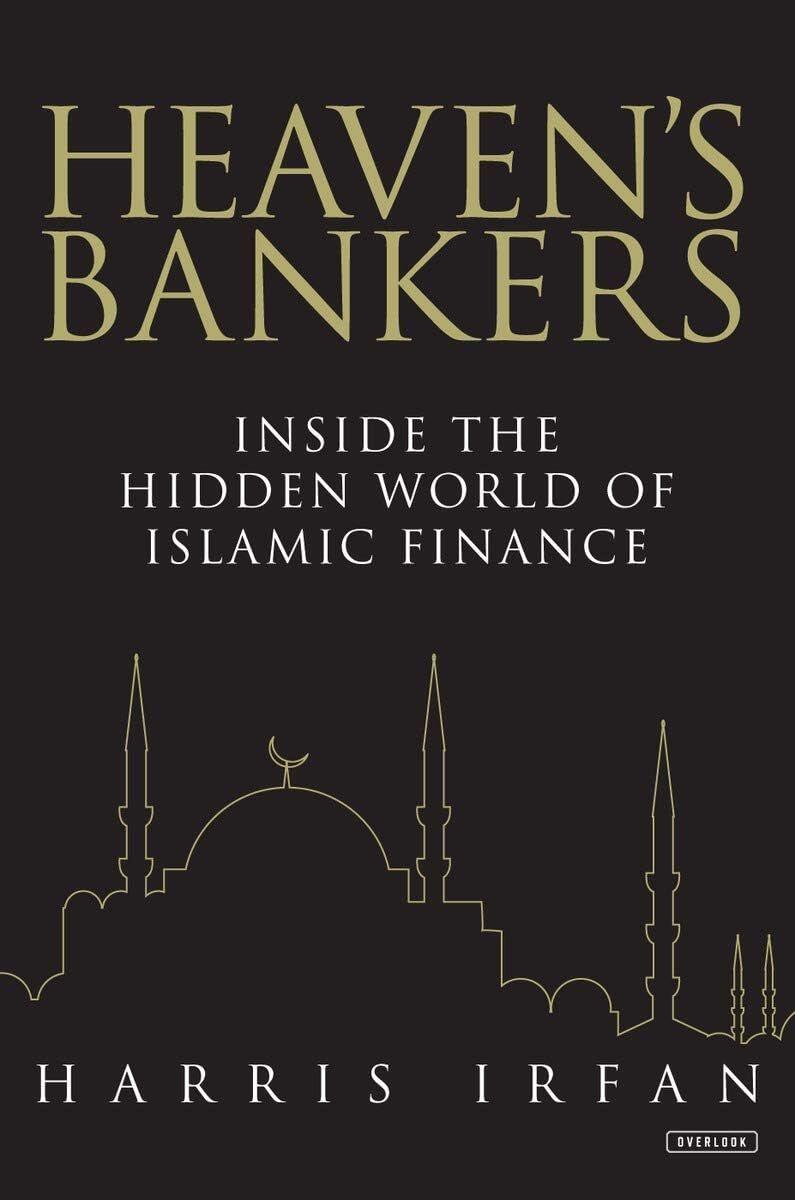
This books goes over some of the challenges that Islamic finance institutions go through to comply with shariah, and the author gives examples from his personal experience. One of my favorite books!
2. The Problem with Interest by Tarek El Diwany
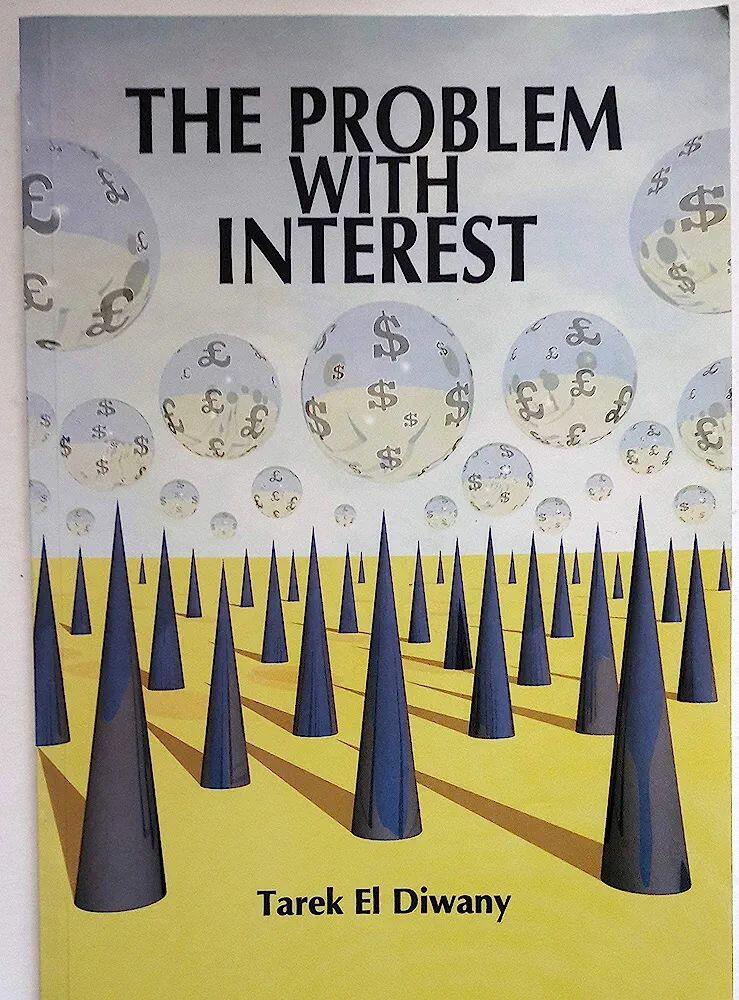
This one goes over the effects of having an interest based monetary system on society. It also has a nice summary of the history of how we transitioned from a gold based money to fiat money. Also talks about Islamic economics.
3. Banking: the root cause of the injustices of our time by Abdassamad Clarke and others
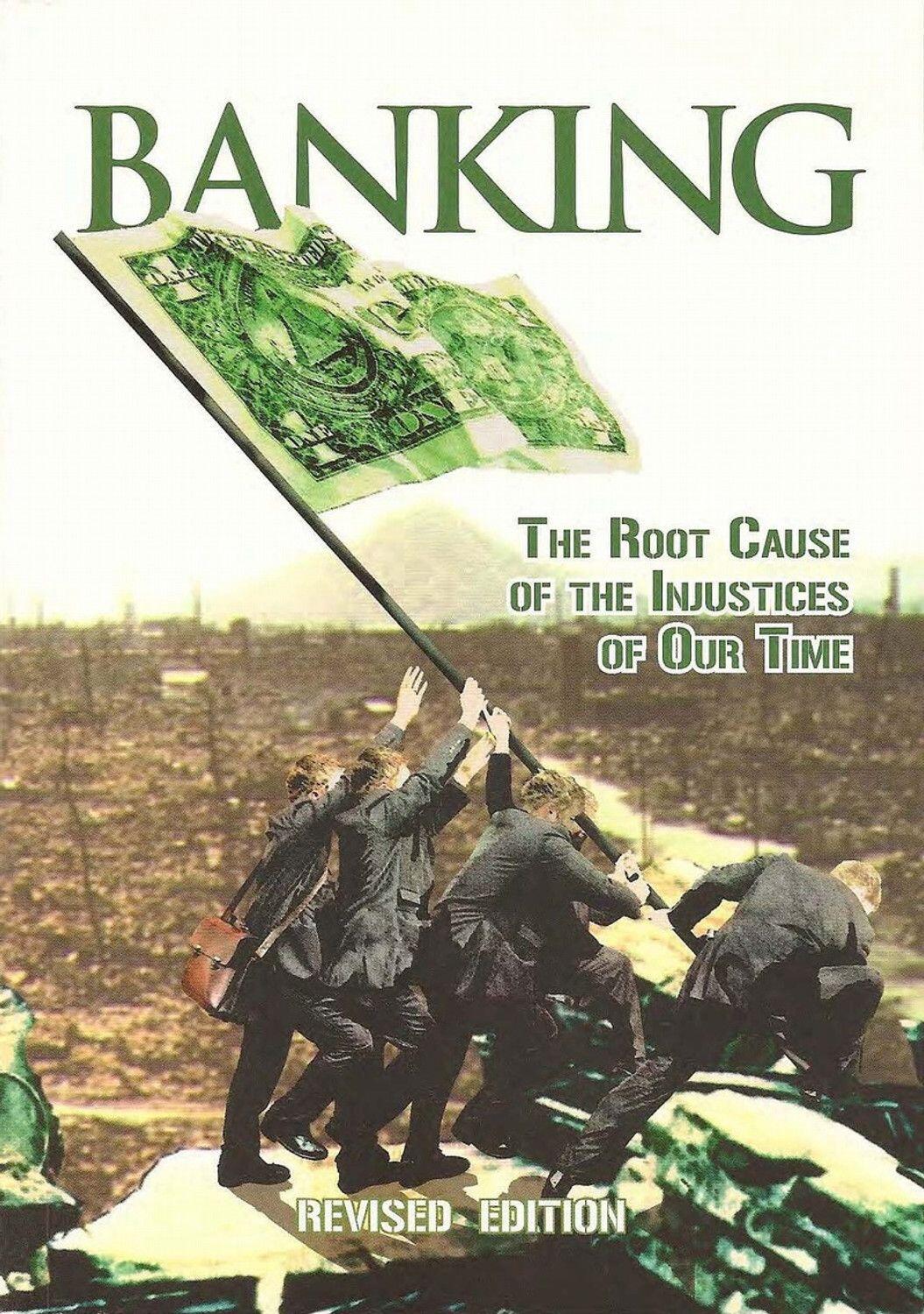
This book is really about usury, and it highlights its destructive aspects. The chapter on the history of usury legalization is fascinating, and there's a great chapter about its environmental impacts.
4. Early Islam and the Birth of Capitalism by Benedikt Koehler
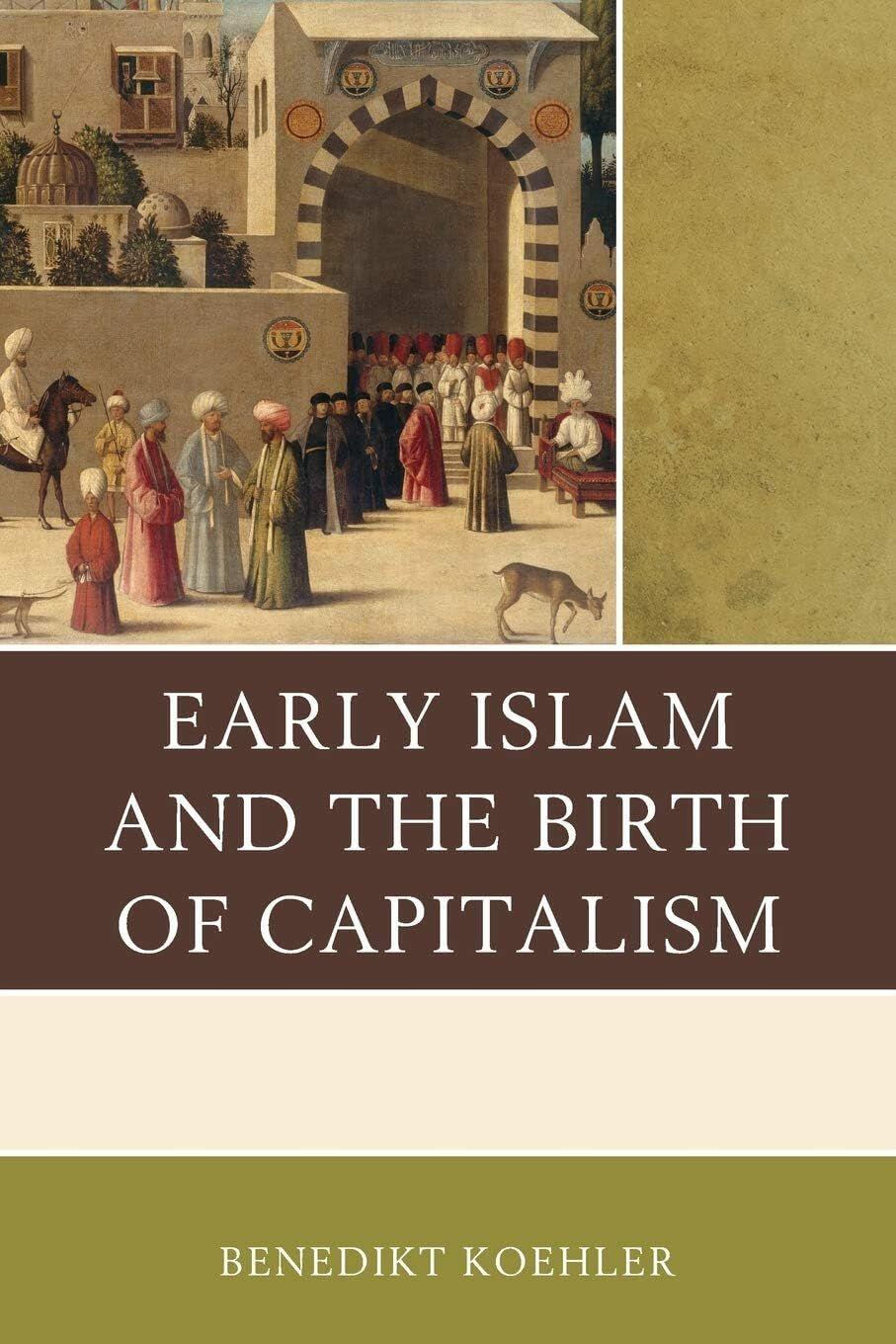
The author makes the case for free market capitalism having its roots in early Islam in Arabia, and how that model of capitalism was adopted in Europe.
5. Islam and Economics: a primer on Markets, Morality, and Justice by Ali Salman
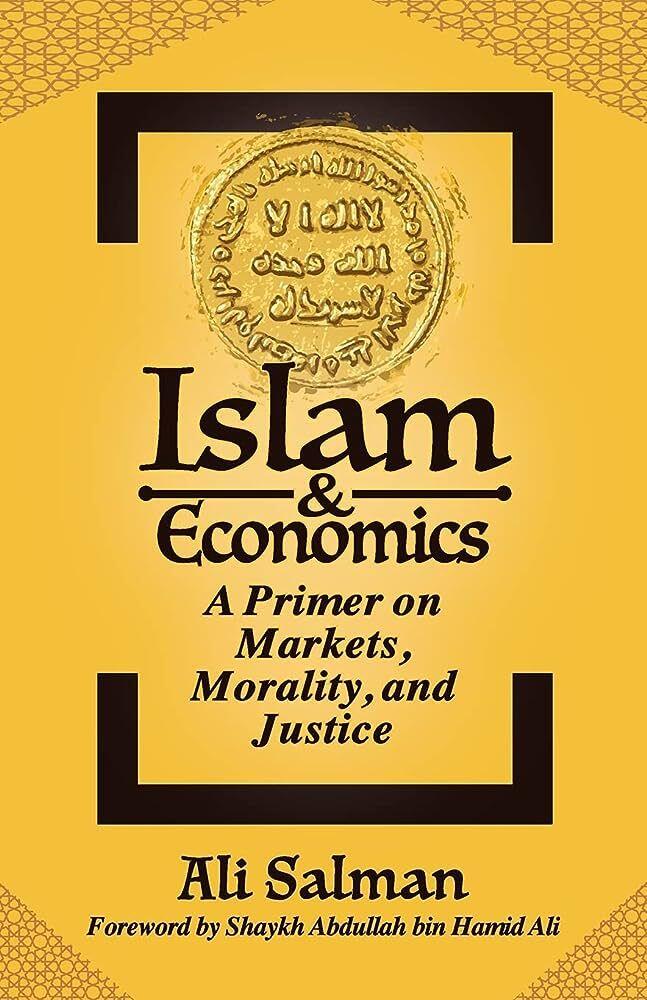
Great summary of core concepts of Islamic economics. Subjects include private property, wealth creation, price fixing, trade, market regulations, money and banking, Riba, and zakat.
6. The Impossible State: Islam, Politics, and Modernity's Moral Predicament by Wael Hallaq
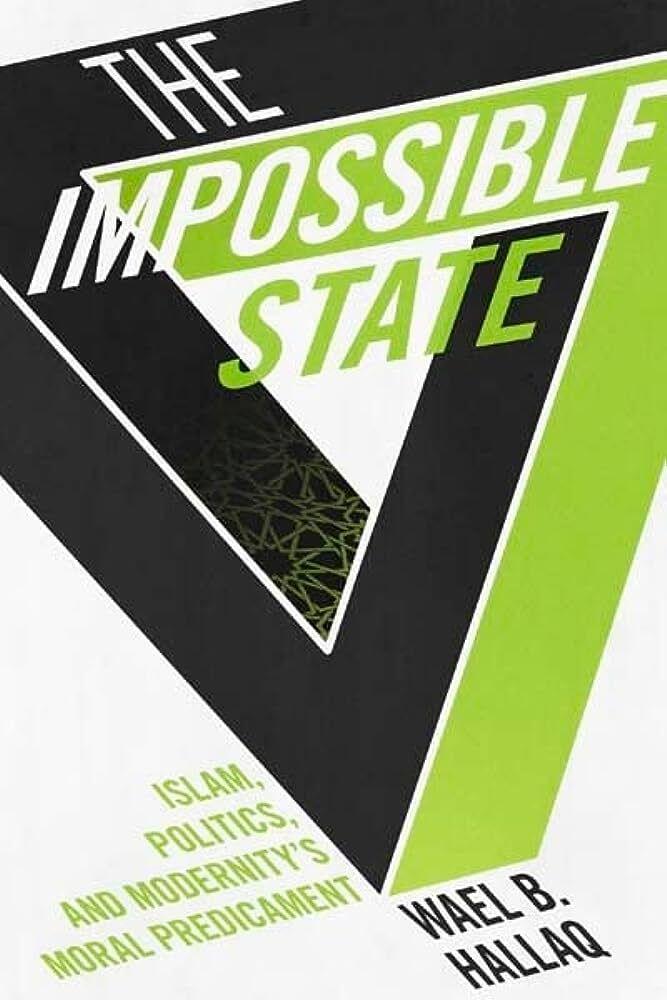
Hallaq criticizes the institution of the modern nation state, and he argues that the nation state suffers from legal, political, and moral issues that make it incompatible with Islam.
7. Return of the Caliphate by Shaykh Abdalqadir As-Sufi
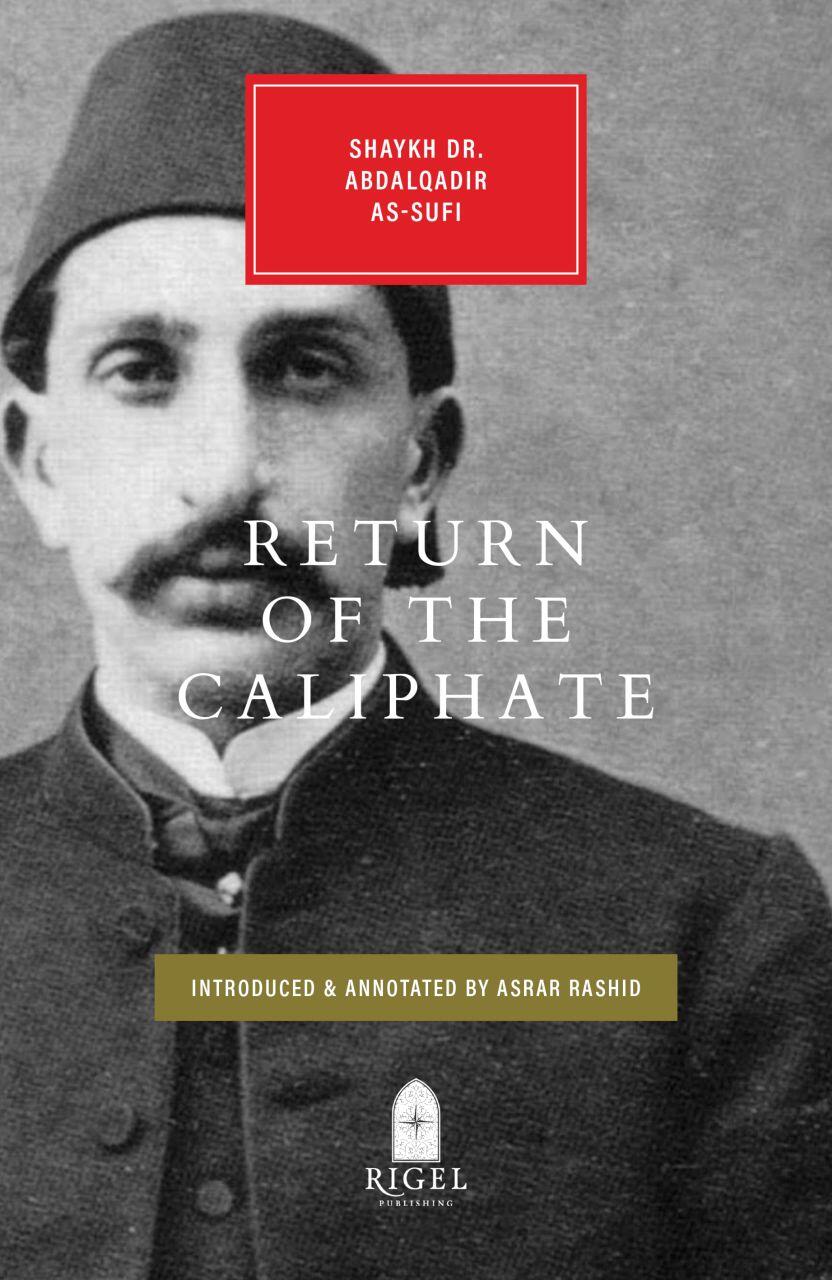
This book makes the case that the fall and decline of the Ottoman Empire was due to funding through usurious debt and the adoption of fiat paper money and secular governance.

Don't get your hopes up! Have been writing this book on my phone since my kids won't let me sit in front of a laptop for 5 minutes 😭