

#Australia, where even the whales try to kill you 😨
🤣 #[1]

Looks like Florida-man taking his pet out for a walk again.

I’m very interested to see where RISC-V goes in the future.
https://www.tomshardware.com/news/risc-v-laptop-looks-like-thinkpad

#podcastr #noAgenda #[2]


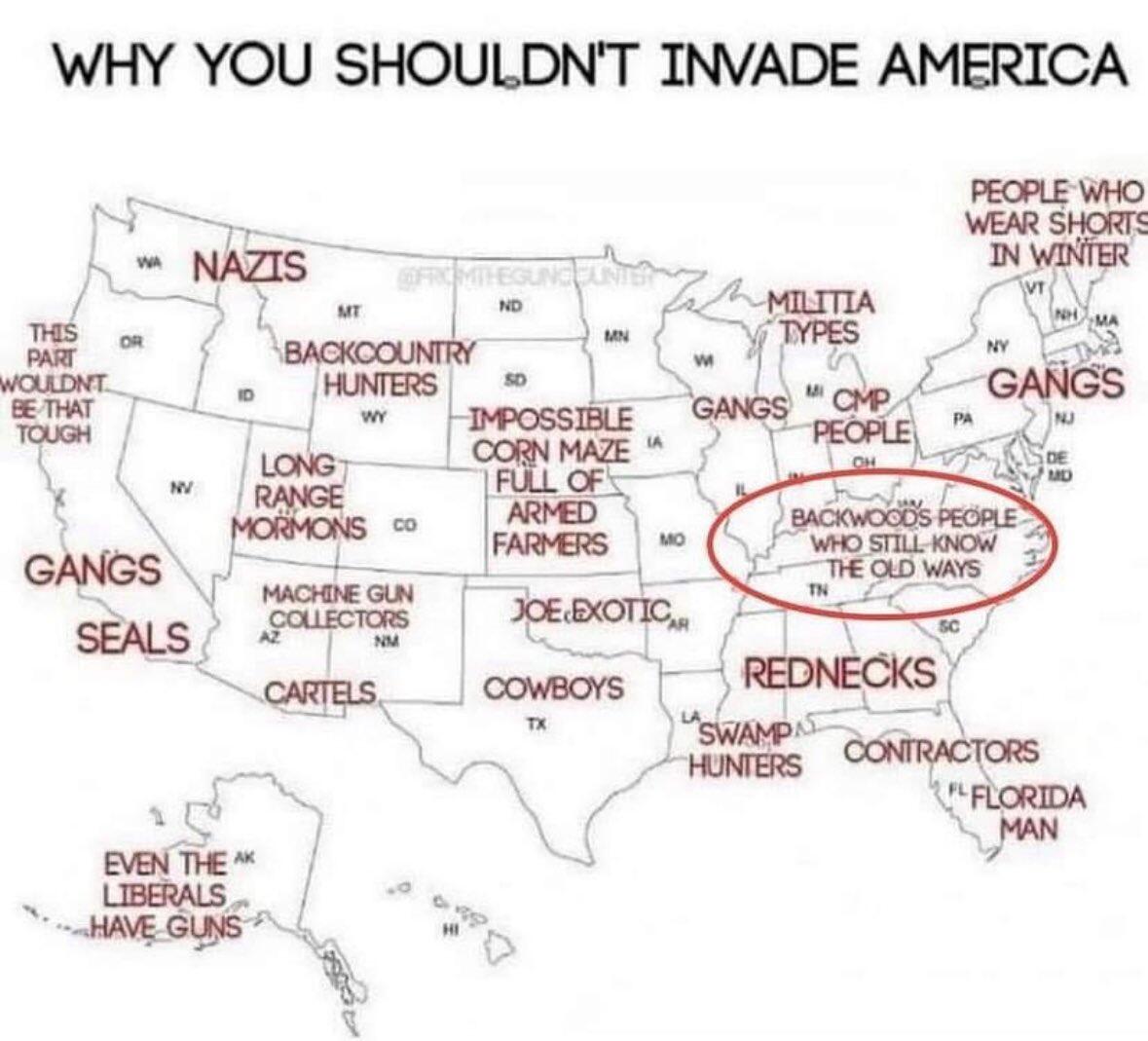

I had no idea 🤷♂️

“Just keep fixing it until it is broken”


#[0] is looking at adding post #quantum #encryption to their double ratchet protocol. Seems like the way #Signal did it was substandard
#simplex
https://github.com/simplex-chat/simplex-chat/blob/ep/pqdr/docs/rfcs/2023-09-30-pq-double-ratchet.md
Per Evgeny on #simplex
Signal adopting highly controversial Kyber without making DR pq-resistant is a similar story: protecting some part of the system, without protecting the whole system, and failing to be explicit about it. See https://signal.org/blog/pqxdh/ - while it's not incorrect, strictly speaking, it creates the impression that DR is now PQ secure, without it being achieved. On PQ-resistance, we are reviewing our options, and Streamlined NTRU-Prime 761 seems the most promising candidate at this point, and it's "relatively simple" to make DR PQ resistant: https://github.com/simplex-chat/simplex-chat/blob/ep/pqdr/docs/rfcs/2023-09-30-pq-double-ratchet.md
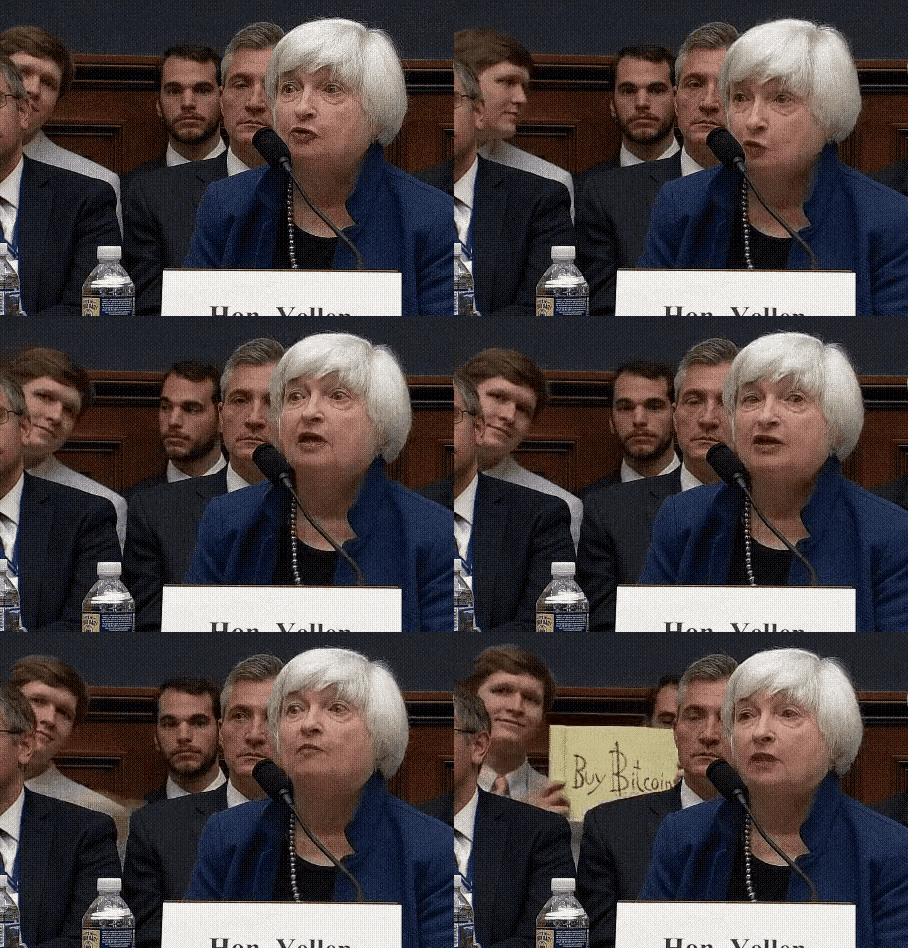

#meme #memestr #nostrmemes
Some extra, unrelated info to keep us, the #Bitcoin nerds in the loop:
Current block number is a sweet 813,073 and the highly anticipated next #halving is estimated to go down on 24 Apr 2024 16:31:47 UTC. That's just 26,927 blocks away from that milestone. As my granny used to say: [Tick tock, next block; timechain doesn't stop 🤙💜](https://www.youtube.com/watch?v=X0BMg_70fo8)
Now, I'm here to serve you, so let me know if you're craving more or less of this #BTC intel alongside the #memes. Appreciate your support and keep that pura vida spirit alive, #plebchain fren. Without you, #Nostr is just a pile of sad code.
#[2] 🤣🤣🤣
#[0] is looking at adding post #quantum #encryption to their double ratchet protocol. Seems like the way #Signal did it was substandard
#simplex
https://github.com/simplex-chat/simplex-chat/blob/ep/pqdr/docs/rfcs/2023-09-30-pq-double-ratchet.md


🤣🤣🤣
lnbc80080n1pjn92gspp5eruenpxvyrr2yvfgnptnhgctcm389s2mx9k99dd85meu5au7apusdqqcqzzsxqyz5vqsp5gv06rq3v9sa9k8t7mgvl34sqva2nll5ekh8ndaftvfk393yyr7ks9qyyssqkfgtcv4hx2x90d7hupa64zwf3742uxngmx2kfvu7qk9ftz647lrhkte5kgtvdjp42g3nutygtxswvfx65g4ymdrlzlknt3t7uk8jn2qpf3mxme