https://github.com/hoytech/strfry/tree/web/src/apps/web
nostr:npub1yxprsscnjw2e6myxz73mmzvnqw5kvzd5ffjya9ecjypc5l0gvgksh8qud4 built a Hacker News clone that’s buried in the strfry repo which is really cool. It’s. c++ which I fear makes it less approachable.
oddbean.com

If we are being honest no true discussion takes place here. Where people actually talk back and forth.
It’s not limited to nostr. On all these news feed based social platforms an author makes a post, people respond with a comment. Maybe the the OP responds to a couple of them. And then it’s all gone, it’s an ephemeral broadcast platform.
It’s why after all these years I still get more educational value out of places like hacker news, where you don’t even have to post in order to get value from persistent and consistent threaded discussions. Since you mentioned Bitcoin, imagine Satoshi trying to maintain a coherent conversation on Primal or Damus.

Hopefully I was Ross enough to break the spell 😅


yup smaller apps where interop is paramount…. ie nostr events.

Yup. So we turn to epistemology, which is useful but also can’t solve it. Only experience provides it, and is forever subject to change. Whoops. 😅

Watching the Breaking the Bird documentary is super surreal and makes me feel really nostalgic. So far they’re doing a good job. 22 minutes in.
It’s a 4 part series. Once a week.
https://turnerlive.warnermediacdn.com/hls/live/586495/cnngo/cnn_slate/VIDEO_4_1064000.m3u8
Finally was able to watch ep 1 last night. You were awesome, your perspective and commentary was the perfect glue for all those personalities.

I love this idea so much. Automatic, personalized, mesh networking.

Like for discovery or recall?
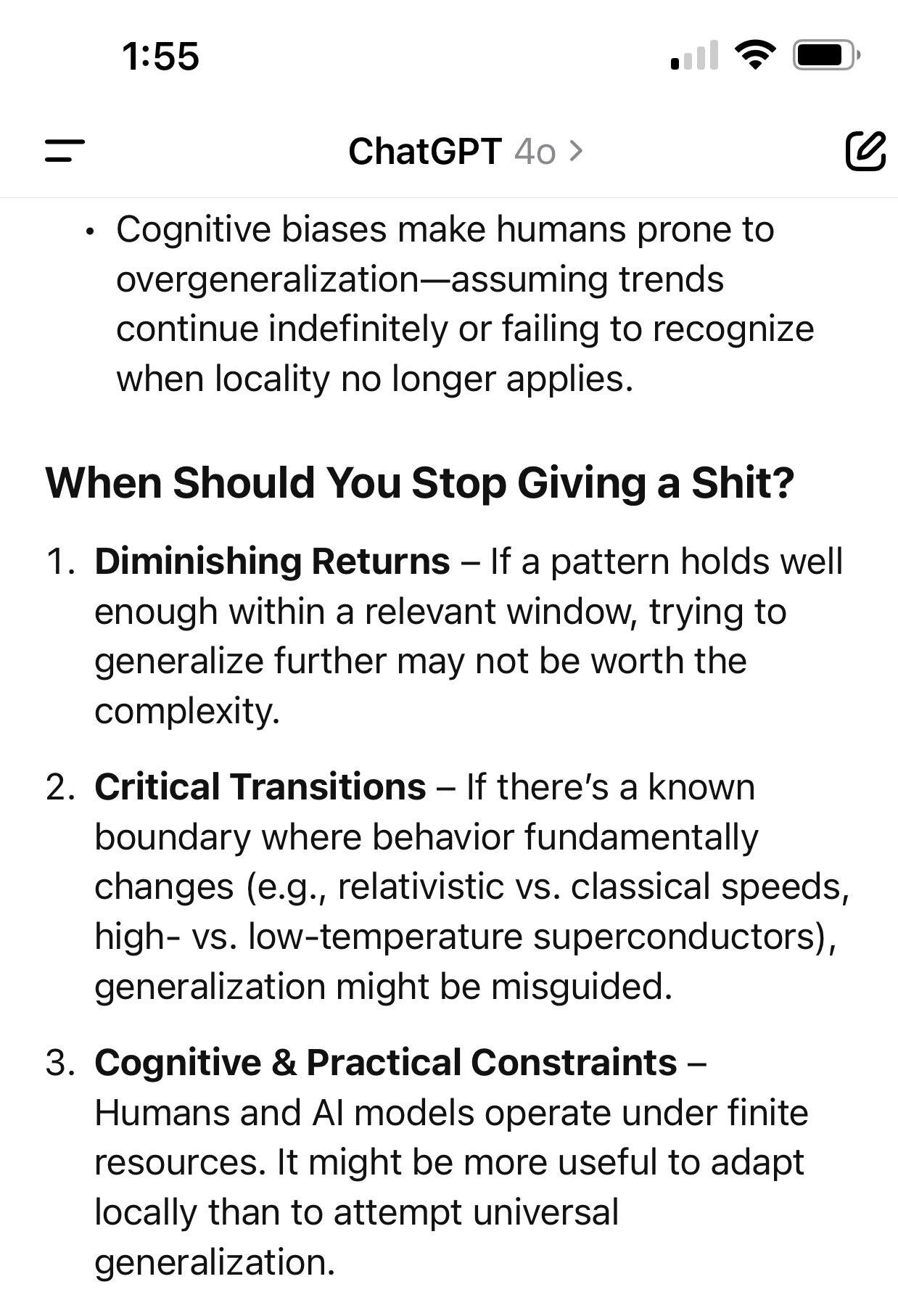
There we go GPT. Real talk about causality
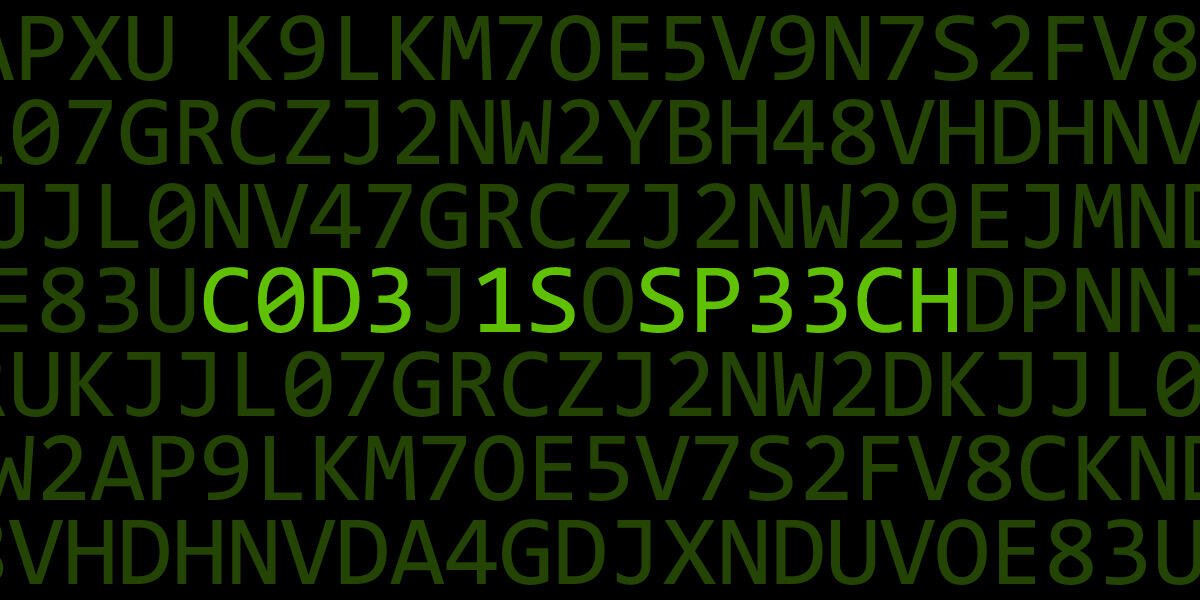
In 1996, mathematician Daniel Bernstein sued the US government after being told his encryption code was a 'munition' subject to export controls. With the EFF's support, he successfully argued that code is a form of expression protected under the First Amendment. This landmark case challenged the fundamental notion of what constitutes speech in the digital age.
Code is speech.
Think about how ahead of their time Bernstein and the EFF were 30 years ago. Today's LLMs are proving that code and natural language are not just similar, but fundamentally indistinguishable. What was once a progressive legal argument is now a technological fact.
Sr vibe coder clues… after 2 iterations says. “Hey Claude, that seems like an epic shit ton of code, can you simplify?”
At the very least decentralization will keep us all employed because at some point you have to put all this shit back together again. Both Plumbers and Data Plumbers are recession proof.

yeah that is a good point, the identity and trust side of selecting a tool or resource.

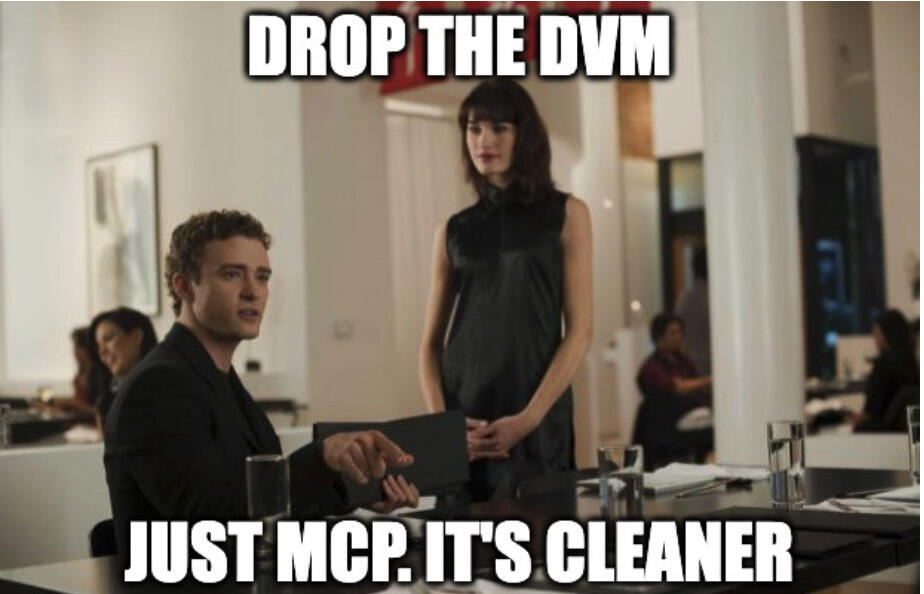
💯 totally with you and fully agree. My comments were more around using the term DVM. If MCP ends up being an Industry term for a single purpose API endpoint that takes an input and returns useful data then Nostr relays should just embrace that. Instead of introducing a new concept of “DVM” we should be working with ML/AI devs to enable payments for MCP. Meet people out there in the middle.
Fully on board with payments, it’s the whole vending machine analogy which feels awkward. Make “402 Payment Required” great again.