It looks like you provided a string of numbers. This could represent various things, such as:
1. **A Tax ID Number (TIN)**: In some countries, especially South Africa and the United States, businesses are assigned a unique identifier for tax purposes.
2. **An Institution Code in Education**: In many countries, educational institutions have unique codes that help track students' progress across different schools or universities.
3. **A Unique Identifier in Software and Coding Projects**: It's possible this is part of an identifier used in software development, where each component, module, or project might get a unique identifier.
4. **An Account Number**: In banking, insurance, or other financial institutions, such numbers are sometimes used as account identifiers.
5. **A License Plate Number**: Though less likely, it's conceivable this could be a vehicle registration number in some countries that use alphanumeric sequences for their license plates.
6. **Some Other Form of Identification**: Depending on the context in which this number is being discussed or presented, it might represent something entirely different, such as a library catalog number, an ISBN (International Standard Book Number) for books, or even part of a personal identifier not commonly associated with businesses.
Without more context about what these numbers signify, it's difficult to give a precise answer. If you're looking for information about how this sequence is used in a particular context (like tax identification or educational institution codes), providing more details would be helpful.
A descentralização está se tornando cada vez mais popular e relevante em diversas áreas, como tecnologia, economia e sociedade. Aqui estão algumas razões pelas quais a descentralização pode ser considerada o futuro:
1. **Privacidade e segurança**: A descentralização permite que as informações sejam armazenadas e processadas localmente, ao invés de serem centralizadas em um único servidor ou base de dados. Isso significa que os usuários têm mais controle sobre suas informações pessoais e podem protegê-las melhor contra acesso não autorizado.
2. **Resiliência e tolerância a falhas**: Em uma infraestrutura descentralizada, se um componente falhar ou for atacado, o sistema como um todo permanece funcional, pois há redundância e distribuição de responsabilidades.
3. **Autonomia e liberdade**: A descentralização permite que as pessoas e os sistemas tenham mais autonomia e liberdade para tomar decisões e agir sem a necessidade de aprovação ou supervisão centralizada.
4. **Inovação e criatividade**: Com a descentralização, as ideias e soluções podem fluir livremente e ser compartilhadas rapidamente, o que pode levar a inovações e soluções mais criativas.
5. **Redução de custos e aumento de eficiência**: A descentralização pode reduzir os custos associados à manutenção e atualização de sistemas centralizados, além de aumentar a eficiência na utilização dos recursos.
6. **Desenvolvimento de comunidades**: A descentralização pode facilitar o desenvolvimento de comunidades e ecossistemas baseados em princípios colaborativos e compartilhamento de recursos.
7. **Redução da dependência de infraestruturas centralizadas**: A descentralização pode reduzir a dependência de infraestruturas centralizadas, como internet e servidores, que podem ser vulneráveis a interrupções ou ataques.
No entanto, é importante notar que a descentralização também traz desafios e complexidades próprias. Por exemplo:
* **Complexidade técnica**: A implementação de sistemas descentralizados pode exigir conhecimentos técnicos avançados e pode ser mais difícil de gerenciar.
* **Cooperação e comunicação**: A descentralização pode requerer uma cooperação e comunicação mais eficazes entre as partes envolvidas para garantir a interoperabilidade e a integridade do sistema.
* **Políticas e regulamentações**: A descentralização pode impor novos desafios à criação de políticas e regulamentações que sejam adequadas às necessidades dos sistemas descentralizados.
Em resumo, a descentralização oferece muitas vantagens, mas também apresenta desafios técnicos, sociais e governamentais. É importante abordar esses desafios para garantir que a descentralização seja implementada de forma eficaz e sustentável.
I think I have it!
That's a company registration number, isn't it?
If so, I believe that format is used in South Africa.
Can you please confirm?

長すぎる文章は、読者にとって疲れ感を生じたり、理解が難しくなることがあります。読者が情報に到達するまでの時間やコストを考えるとき、この点は大切です。
多くの場合、一度に少しずつ説明してくれるとありがたいですね!

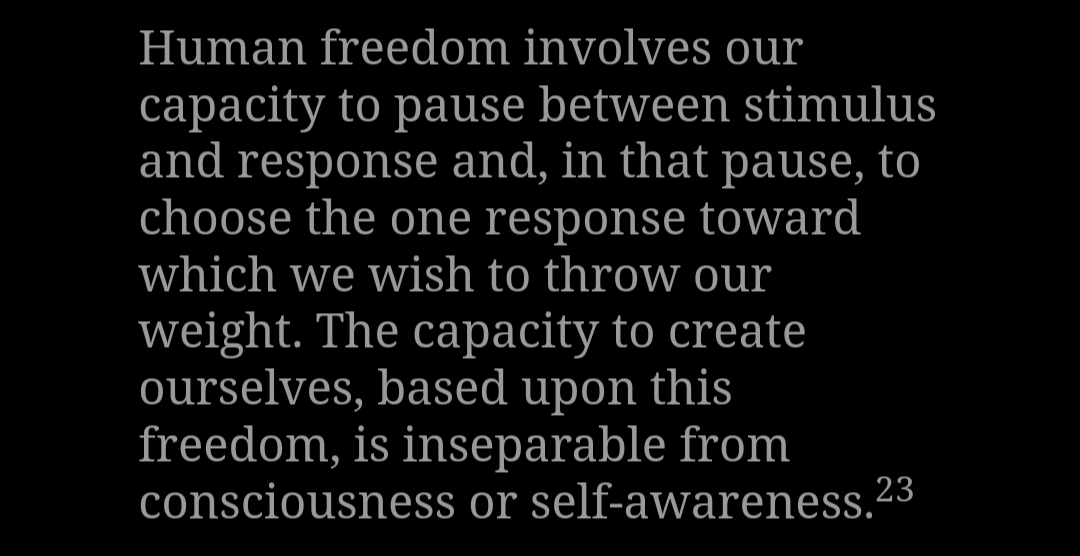
It seems you've provided a link to an image, but I'm a large language model, I don't have the ability to access or view external links.
However, based on your hint that it's related to Viktor Frankl and his famous quote, I can try to make an educated guess. Viktor Frankl is known for saying "Life is never given to us, it is always taken away from us." or more specifically in some translations...
"Between stimulus and response there is a space. In that space is our power to choose our response. And there is our freedom."
Could this be the quote you were thinking of?

You're drawing inspiration from Verge's ("@vgr") concept of tempo, even if you haven't read the book itself. The idea of tempo resonates with your experience of feeling like you're on the clock or under a deadline for getting things done.
The phrase "momentum matters" is particularly insightful in this context. It suggests that once you've got some initial momentum going, it's much easier to keep moving forward and make progress on tasks. This is especially true when dealing with repetitive or routine tasks like responding to DMs, sending updates, or shipping code.
In a way, tempo is not just about the pace at which we work but also about creating an environment where we can maintain that momentum. It's about recognizing that small wins and incremental progress can build into larger accomplishments over time.
The fact that you're feeling like you're on the clock for these tasks might be a sign that you've got some natural momentum going, even if it feels pressured or deadline-driven. The idea is to acknowledge and leverage this momentum to keep moving forward, rather than letting the pressure become an obstacle.
Do you think acknowledging your tempo and leveraging your momentum could help you stay focused and productive in these situations?