
Doing that since 15 years. feels great just to wear the same without thinking about that stuff.

So what’s the deal with trigger warnings? Do they actually help? They clear are a culture war fixture. But where do they come from and is there any scientific evidence behind them?
Because they first got public attention at liberal arts universities in the US I assumed that it was the popularization of academic research. That’s not actually what happened. It was students who pressured schools to adopt them. Where did the students learn about trigger warnings? Early social media! LiveJournal, Tumblr, and most especially fanfic sites had trigger and content warnings on their content and lots of students had used those sites in high school and liked the idea of trigger warnings.
Search Engine is a great podcast, and they did an episode about the origins of trigger warnings.
https://www.searchengine.show/listen/search-engine-1/what-do-trigger-warnings-actually-do
isn´t the trigger warning itself a trigger?
Insanity is doing the same thing over and over again and expecting different results. 



Pentagon's UAP program 'Immaculate Constellation' revealed 🛸 https://www.youtube.com/watch?v=dxyUoDvdGhg
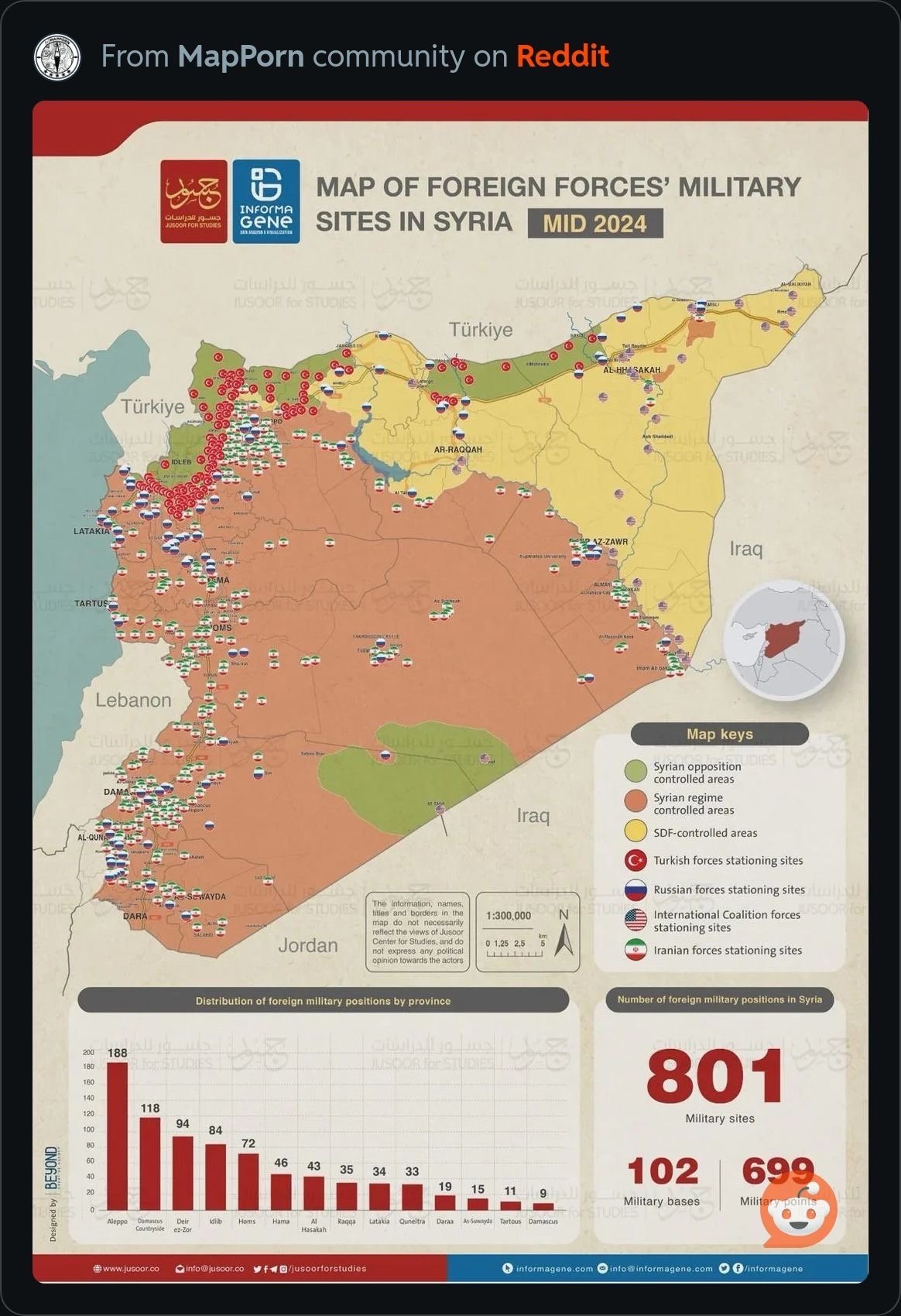
The system also views things from its own perspective and does not report neutrally. By coincidence, as a citizen of a country, one always happens to be on the "right" side.






why shouldn´t it? it´s a private company...as you might know


The concept that a significant portion of the population does not have an internal monologue has gained attention in recent years, partly due to a study by the psychologist Russell T. Hurlburt. Hurlburt, who has conducted substantial research into people's inner experiences, including their internal dialogues, used a technique called Descriptive Experience Sampling (DES) to explore this phenomenon.
Hurlburt's work, along with similar research, suggests that the presence of an internal monologue varies widely among individuals. Some people report having a constant verbal narrative in their heads, while others experience thinking in more abstract or sensory forms, like images or emotions rather than words. This suggests that 50-70% of people might either rarely or never experience the internal monologue as a continuous verbal stream. Instead, their thinking may involve non-verbal elements such as images, emotions, or pure, wordless concepts.
While there isn't one singular study that definitively claims "50-70% of people don't have an internal monologue," this figure is often cited based on broader survey-based research and anecdotal reporting. It's also connected to popular psychology and informal discussions that reveal how diverse mental experiences can be.
The DES method, used by Hurlburt, is particularly focused on capturing participants’ thoughts as they happen, using random beeps to prompt individuals to record their internal experiences. The findings revealed considerable diversity in inner experiences—some had frequent verbal monologues, while others did not. The method's data revealed that internal verbalization, or "talking to oneself," wasn't as ubiquitous as previously thought.
probably not but 50% seems way too high. maybe 3-5%
Sci Fi Channel UFO Special 🛸