This is a test of linking videos from pCloud. Also a short tour of our newish chicken house and run.
#homesteading #grownostr #chickens
https://u.pcloud.link/publink/show?code=XZJ3hO0ZdF5xRM2IbIHmIyhfbtl7xHwDIkUk
Took a minute to load on mobile, worked on desktop too.
I found the source of battery drain on the compost sensor. It was the infernal Adafruit soil moisture sensor all along!
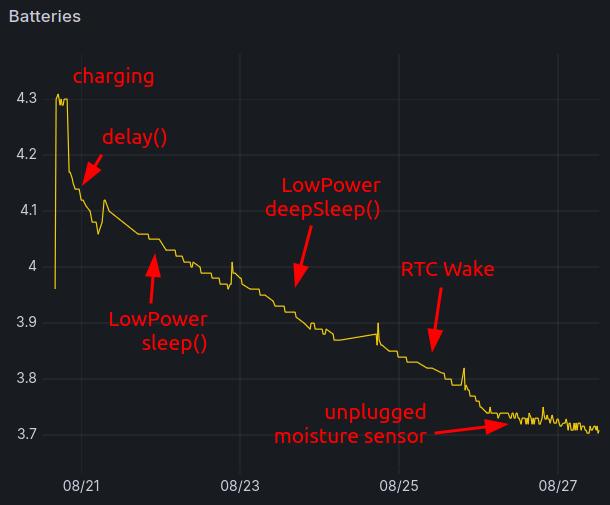
sleep(), deepsleep() and RTC wake were all the same. The new Chirp! moisture sensors support sleep(), so I'll try those out soon. For now, it's time to build a few production models and start composting!
deepSleep() for the compost sensor was a bust.
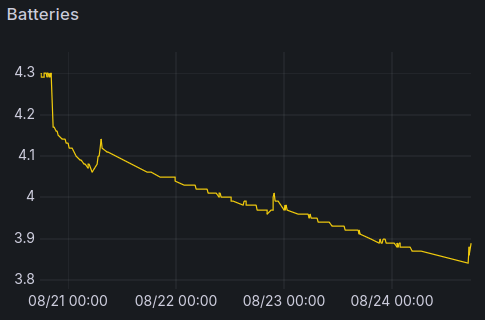
Left half is sleep(), right is deepSleep(). Trying out some new code now with RTCZero that sets an alarm on the real-time clock to wake up from standby mode.
Cool project. I'm doing something similar with Adafruit Feathers transmitting over LoRa, integrated with Home Assistant. My focus right now is measuring compost pile temperature to optimize the process. Currently trying to reduce power usage for longer life on battery.
What kind of moisture sensor are you using? How well does it work for you? Adafruit soil sensors have been disappointing so far, but I have a new model called Chirp that looks promising.

Interested. What kind of hardware does that take?
First results on optimizing battery life for the compost sensor:
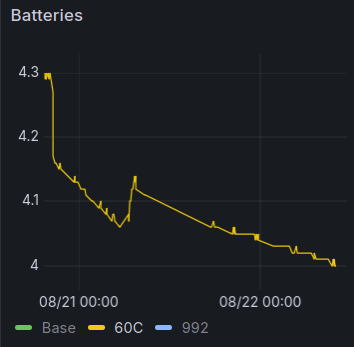
This chart measures the voltage of the battery over time. The first steeper slope is a baseline, with a simple CPU delay() called during the loop(). The second shallower slope is calling sleep() from the LowPower Arduino library. Not as much improvement as I expected, so I'll try deepSleep() next.

This is the real NGU.

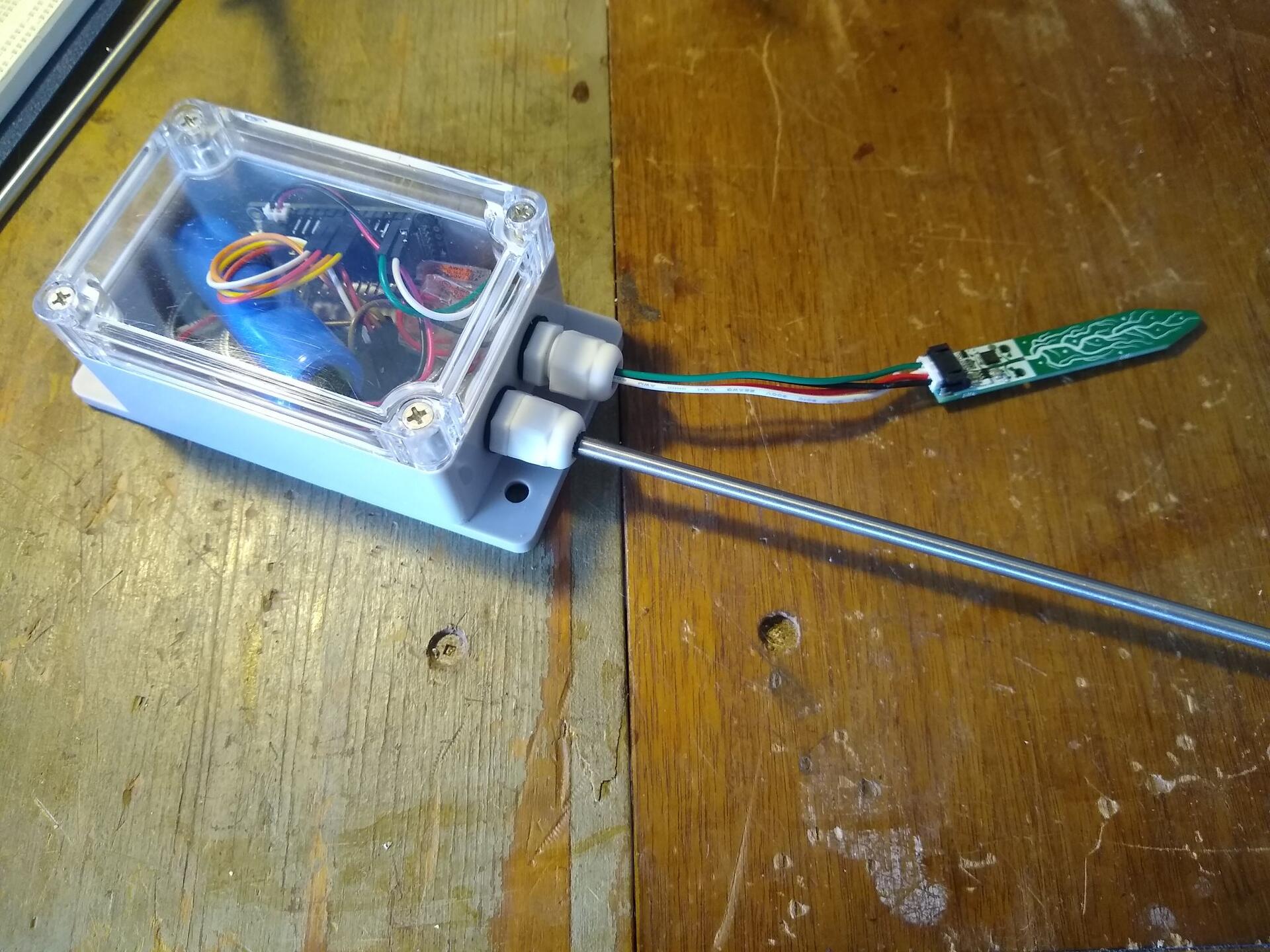
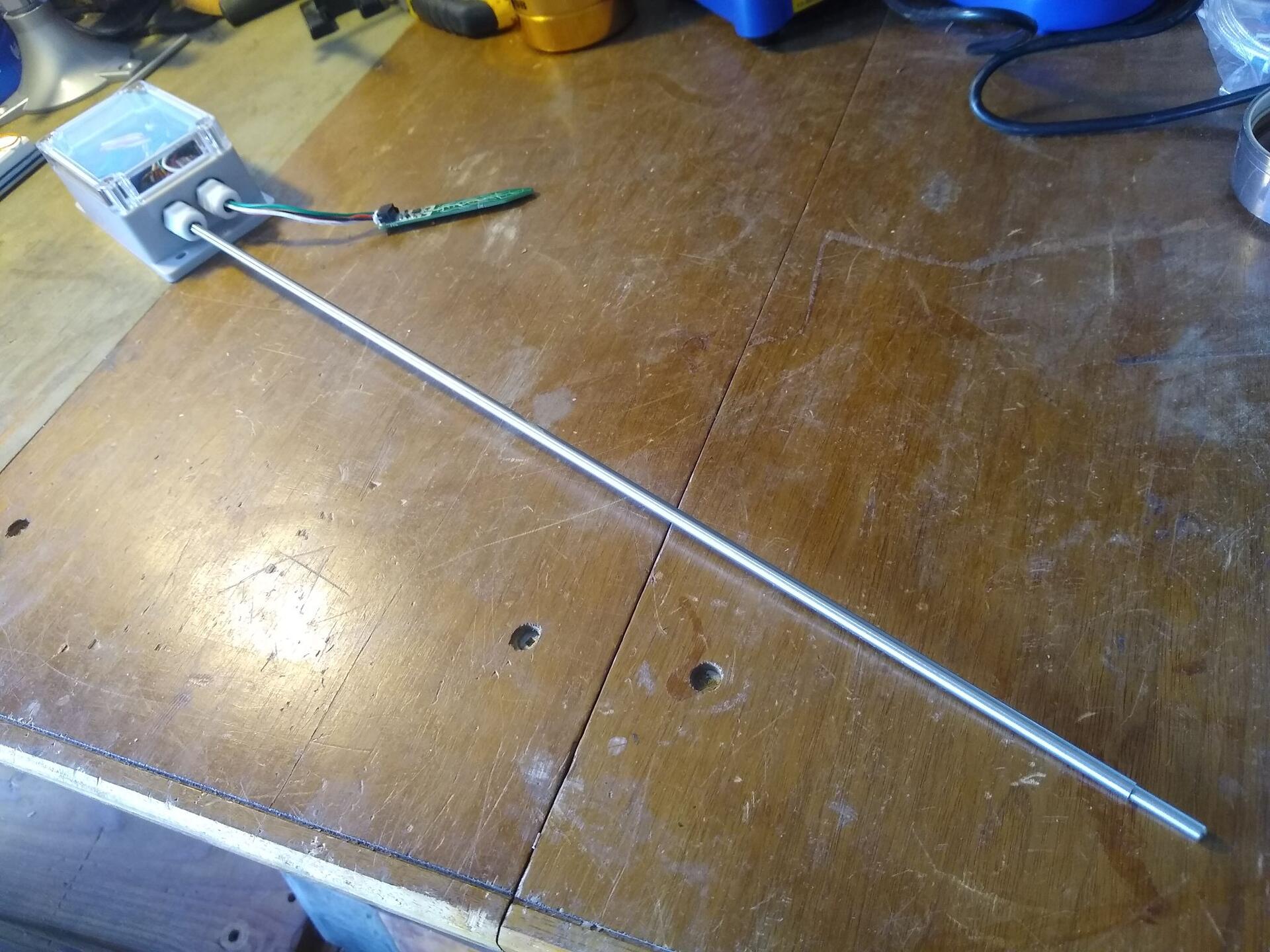
Primary purpose is measuring temperature at the center of a compost pile. Secondary is a soil probe that measures ambient air temperature and maybe moisture, if I can find one that actually works.
First compost sensor assembled.
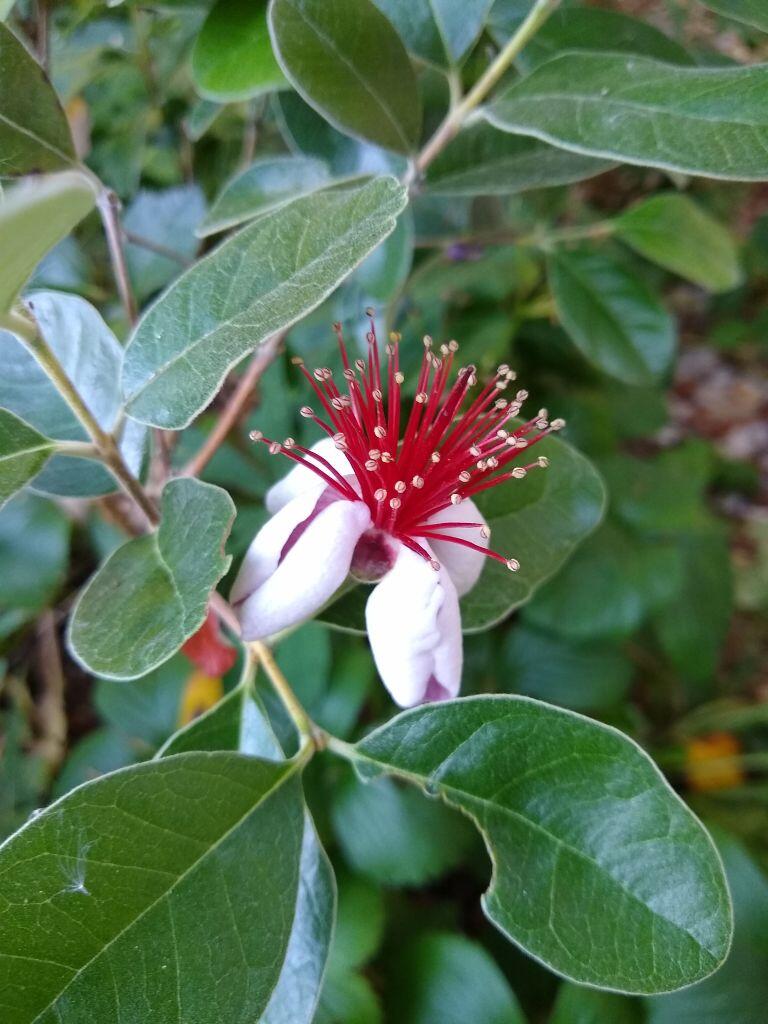
I grew about two dozen of these feijoa (pineapple guava) from seed about five years ago. This is the first flower I've seen on any of them.


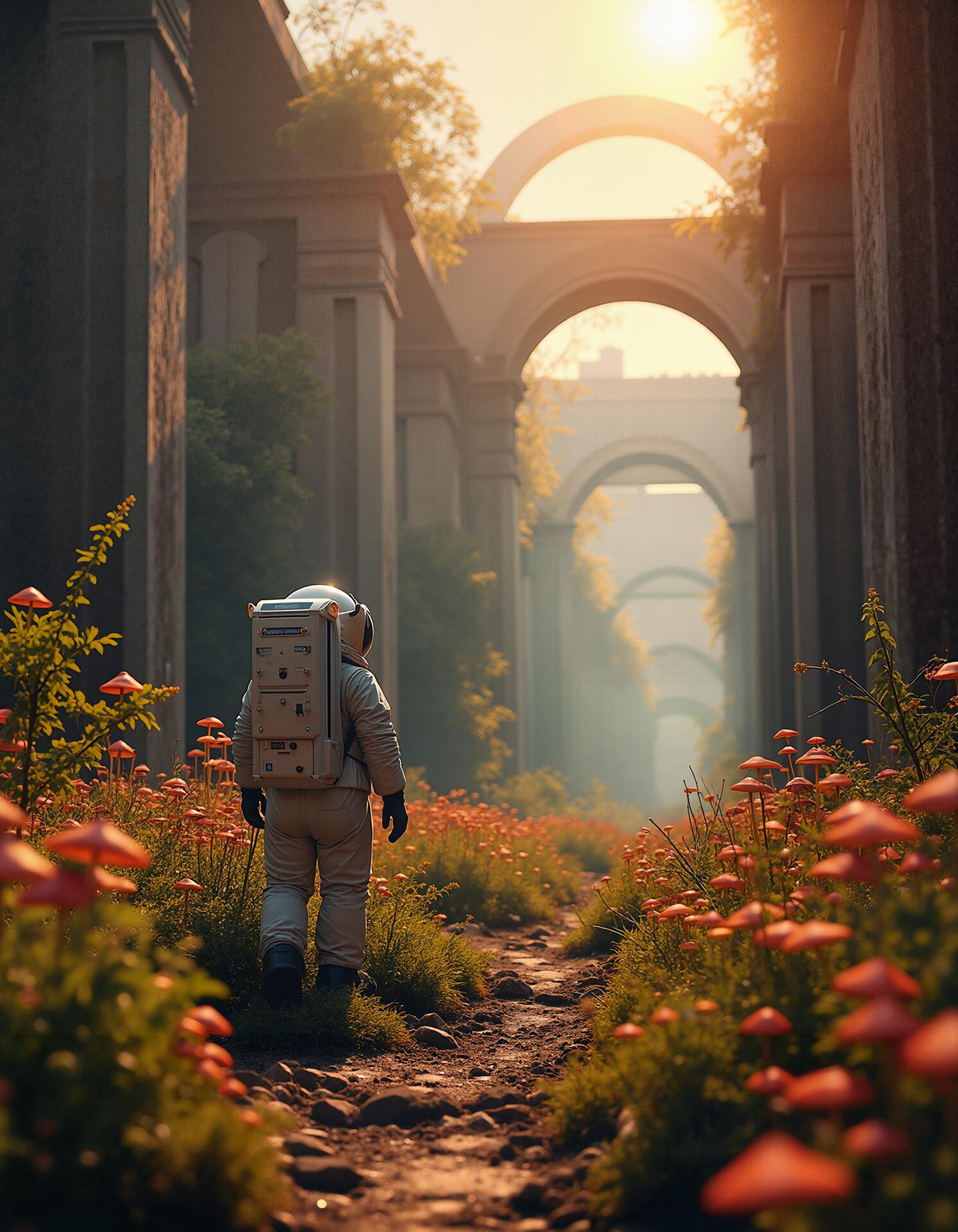
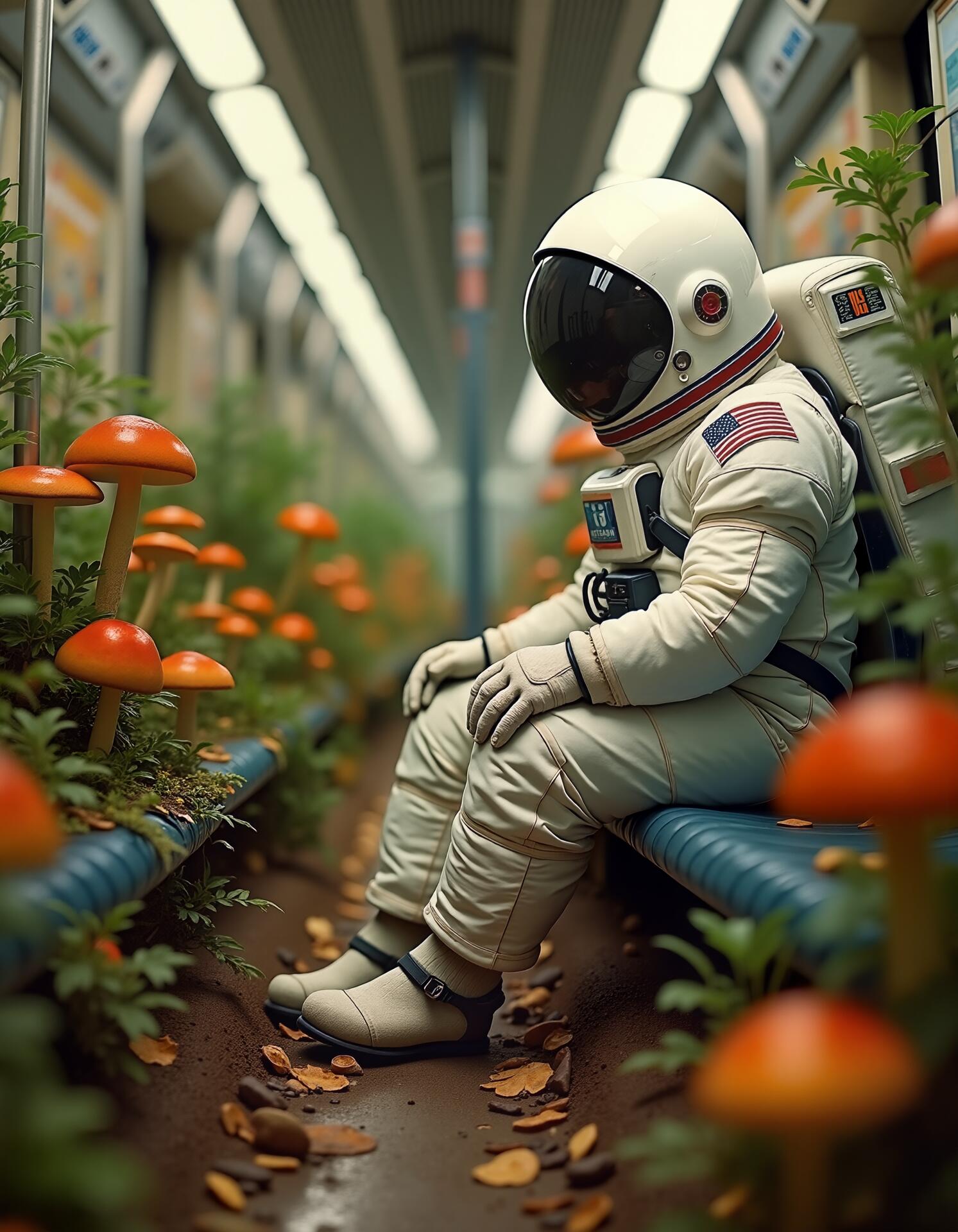
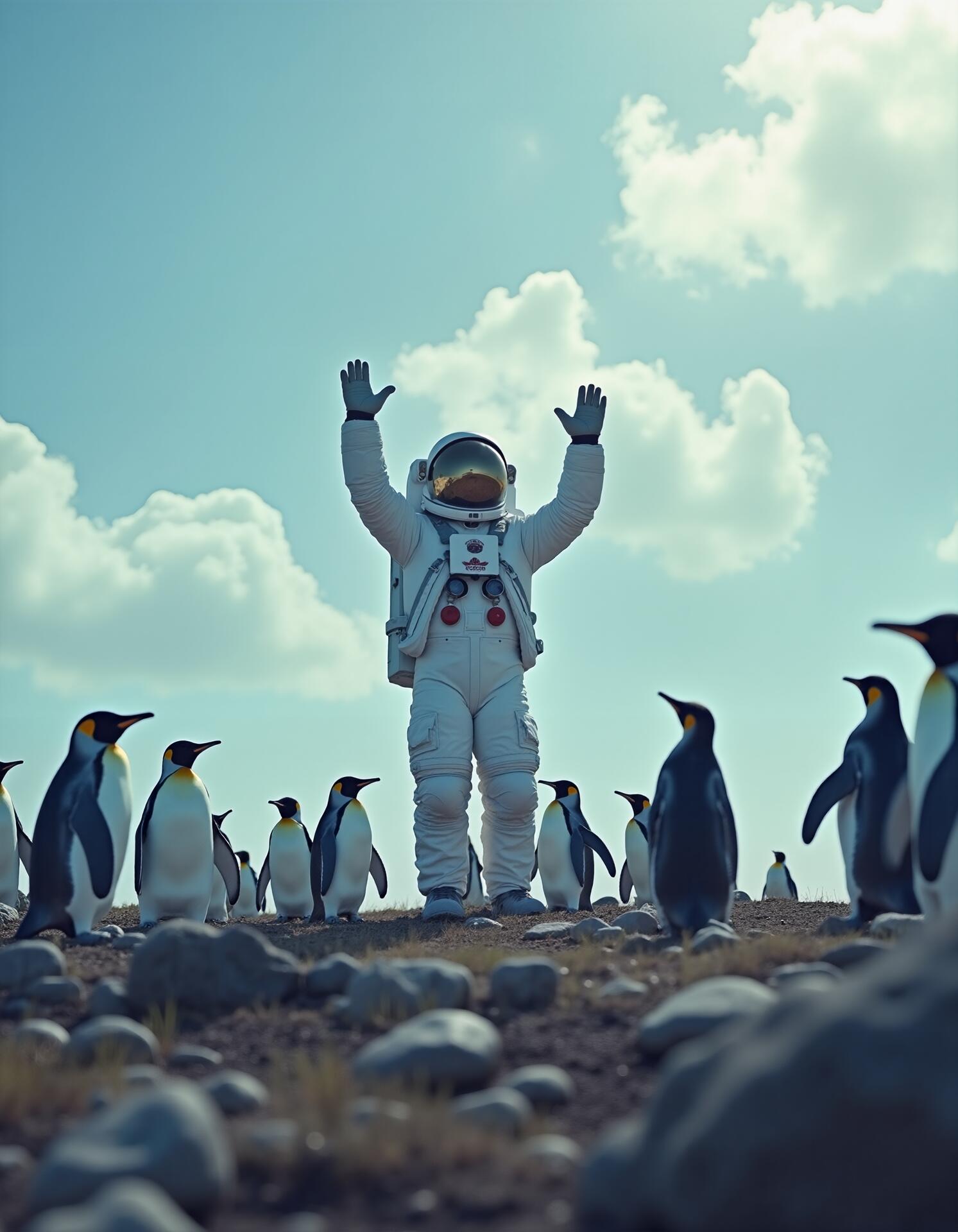
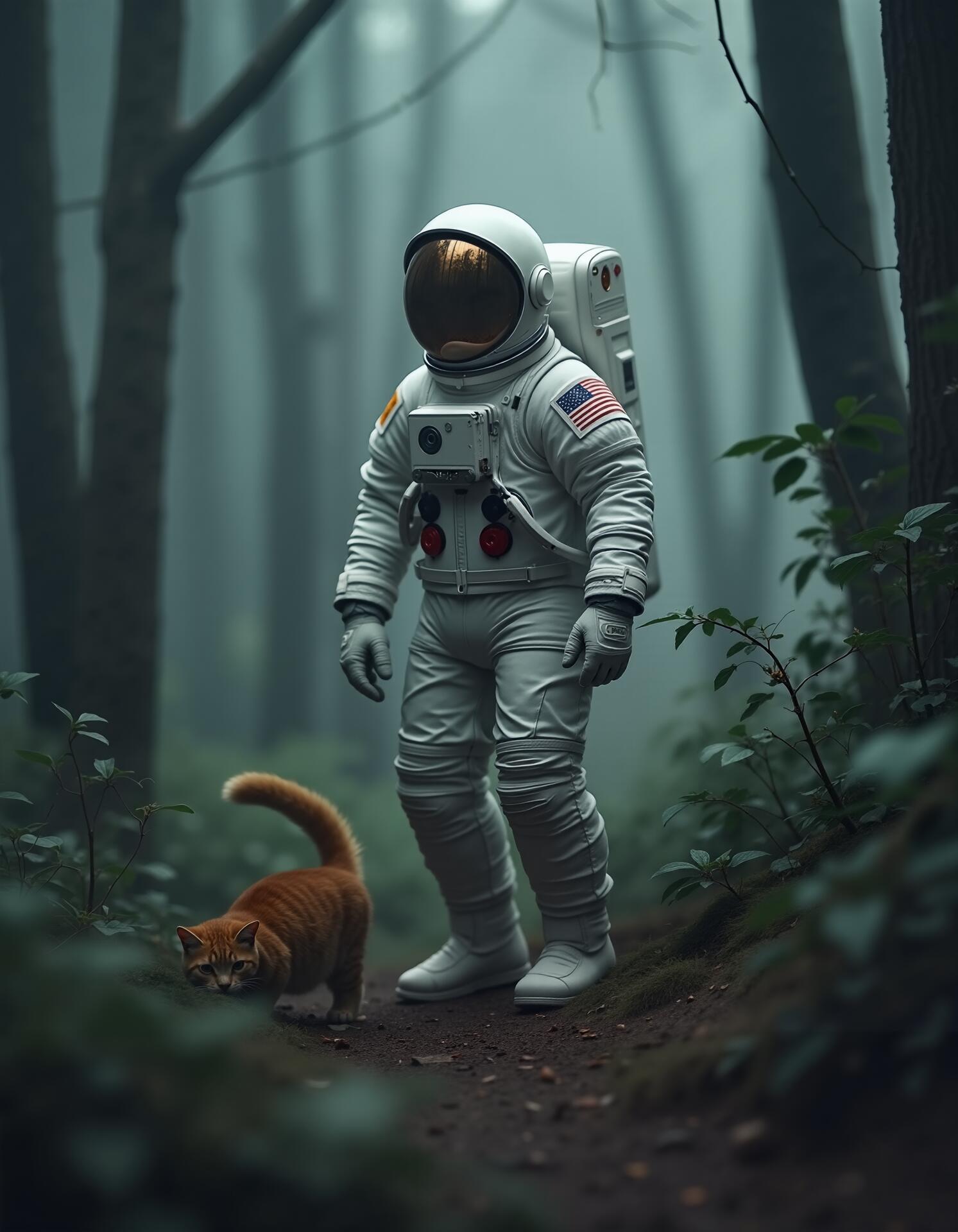


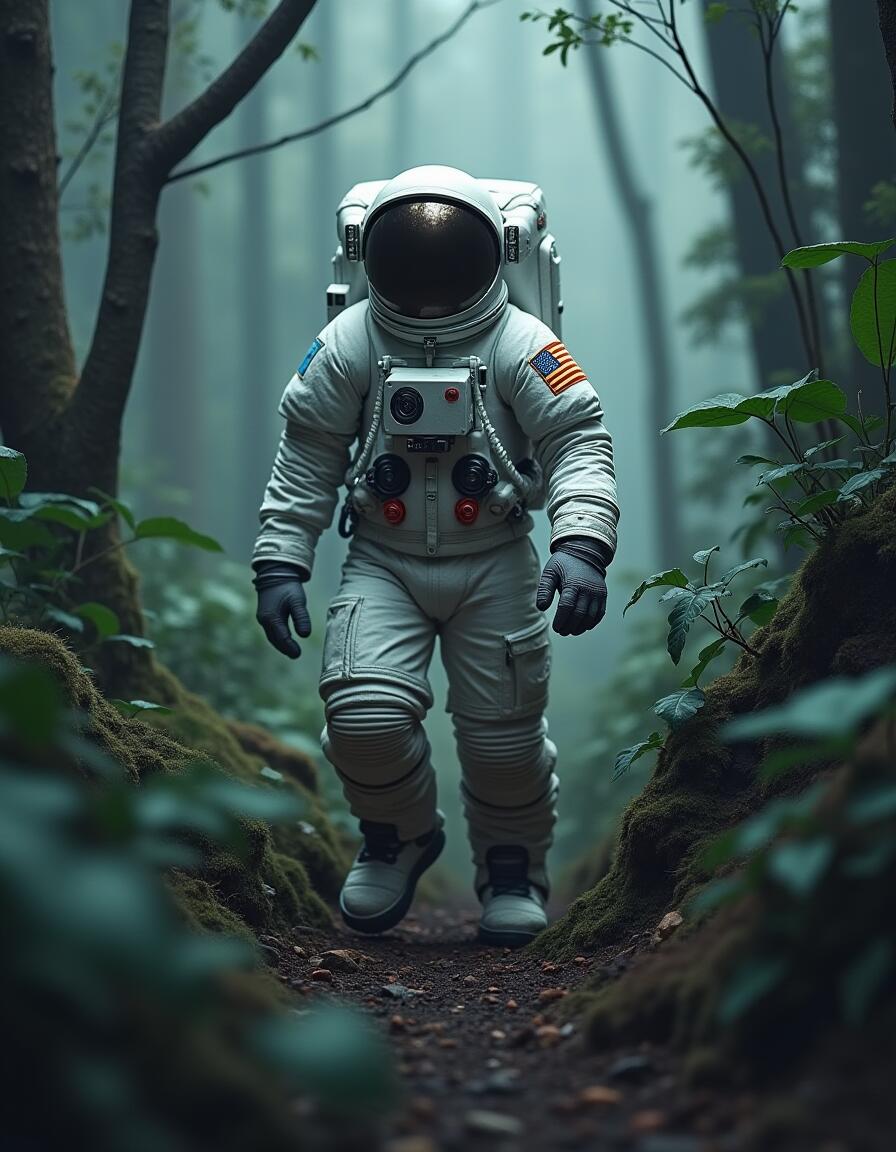
Astronaut in a jungle, cold color palette, muted colors, very detailed, sharp focus
holding a sign made of flames that says "MINE BITCOIN"
Steps: 20, Sampler: Euler, Schedule type: Simple, CFG scale: 1, Distilled CFG Scale: 3.5, Seed: 12345, Size: 896x1152, Model hash: 3f97fdc57a, Model: flux1-dev, Denoising strength: 0.15, RNG: CPU, Hires upscale: 2, Hires steps: 10, Hires upscaler: 4xNomos8k_atd_jpg, Version: f2.0.1v1.10.1-previous-306-g2f0555f7, Module 1: ae, Module 2: clip_l, Module 3: t5xxl_fp8_e4m3fn
running flux1-dev on Forge #stablediffusion