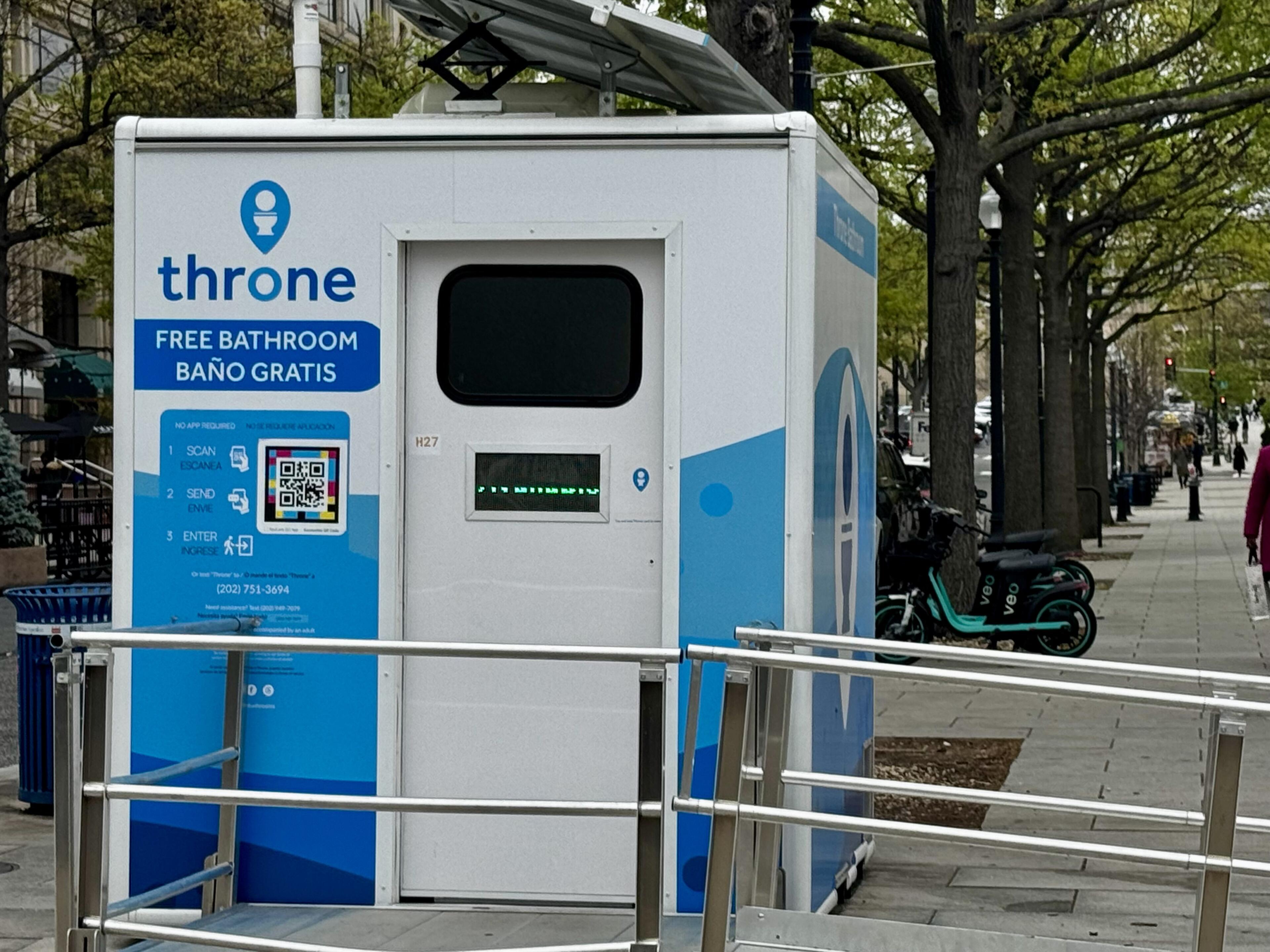


Or loving your JUNK! 
GM! Spring rain! https://youtu.be/JGb_E3UzDXk



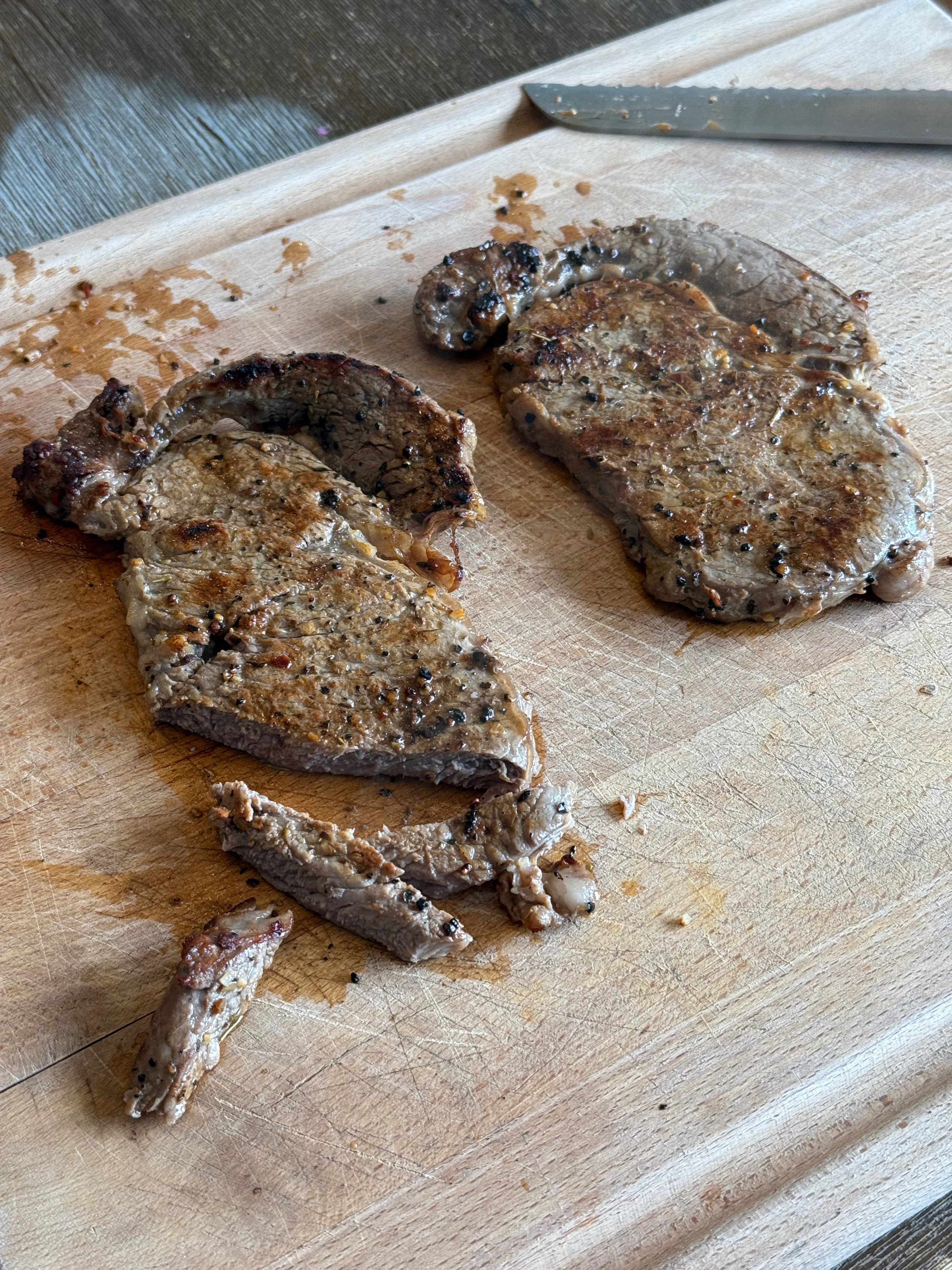

Until the shelves go empty, the plebs ransack your crib, and the state declares martial law. Yeah, so cool.




nostr:nprofile1qyxhwumn8ghj7mn0wvhxcmmvqyehwumn8ghj7mnhvvh8qunfd4skctnwv46z7ctewe4xcetfd3khsvrpdsmk5vnsw96rydr3v4jrz73hvyu8xqpqsg6plzptd64u62a878hep2kev88swjh3tw00gjsfl8f237lmu63q8dzj6n showed me nostr recently. Reminds me of a writeup I did back in 2021 on decentralized social media:
https://rossulbricht.medium.com/decentralize-social-media-cc47dcfd4f99
I'll be mirroring my X account here and hopefully finding some good conversations.
Welcome. Decentralized. Keep the good ideas coming!


Original Rage Coding = #BTCPayServer - I'M GOING TO MAKE YOU OBSOLETE!
https://wavlake.com/track/957bc9b8-50c0-4de7-bd67-71eac1e41e94

Point my Alby Hub to my LAN based Tor proxy.


So much demand and so little price action... there is some serious paper Bitcoin being sold. When the tide goes out, we'll see the skinny dippers. NOT YOUR KEYS, NOT YOUR CHEESE.

Only pay in sats. No shitcoin, no tracking and no ads. #BTCBrave people!
Anyone know how to point Alby Hub to a Tor proxy? nostr:nprofile1qythwumn8ghj7un9d3shjtnwdaehgu3wvfskuep0qyt8wumn8ghj7etyv4hzumn0wd68ytnvv9hxgtcppemhxue69uhkummn9ekx7mp0qy2hwumn8ghj7un9d3shjtnyv9kh2uewd9hj7qgewaehxw309aex2mrp0yh8xmn0wf6zuum0vd5kzmp0qqsyv47lazt9h6ycp2fsw270khje5egjgsrdkrupjg27u796g7f5k0sql8gpe ?

Gm! Same same!
Exactly, the experts (vintners) must educate the ignorant (wine enthusiasts) to create the demand for quality. I've pitched a label standard to many of my winemaking friends. It goes like this: 1. Honest labels - no BS fluffy story about the wine, just facts about its character, where and how it was made, 2. No barcode - that's for supermarket shit, 3. "Ingredients: Grapes" - that's it, nothing else that isn't necessary solely for vinification, 4. Include varietal(s) with %'s if it's a blend, vintage, plot/geography of origin, dryness (dry, semi-dry, etc), alc %, sugar grams/liter and acidity grams/liter - with these figures, one can know the character of a wine without even tasting it.
Agree. It's about leading the way with best practices and transparent labeling. If it becomes the expected norm, no regulation is needed.
It's from California. Everything there was mega in the early 2000s.
All New World wine geography suffers the Mega Purple curse.


I've been fighting and avoiding mega purple since 2009. Nasty stuff. Wine labeling needs to get better. I love the Czech wines with their g/l of sugar and acid. The only ingredient allowed in France is grapes... otherwise it's not wine, but a beverage.