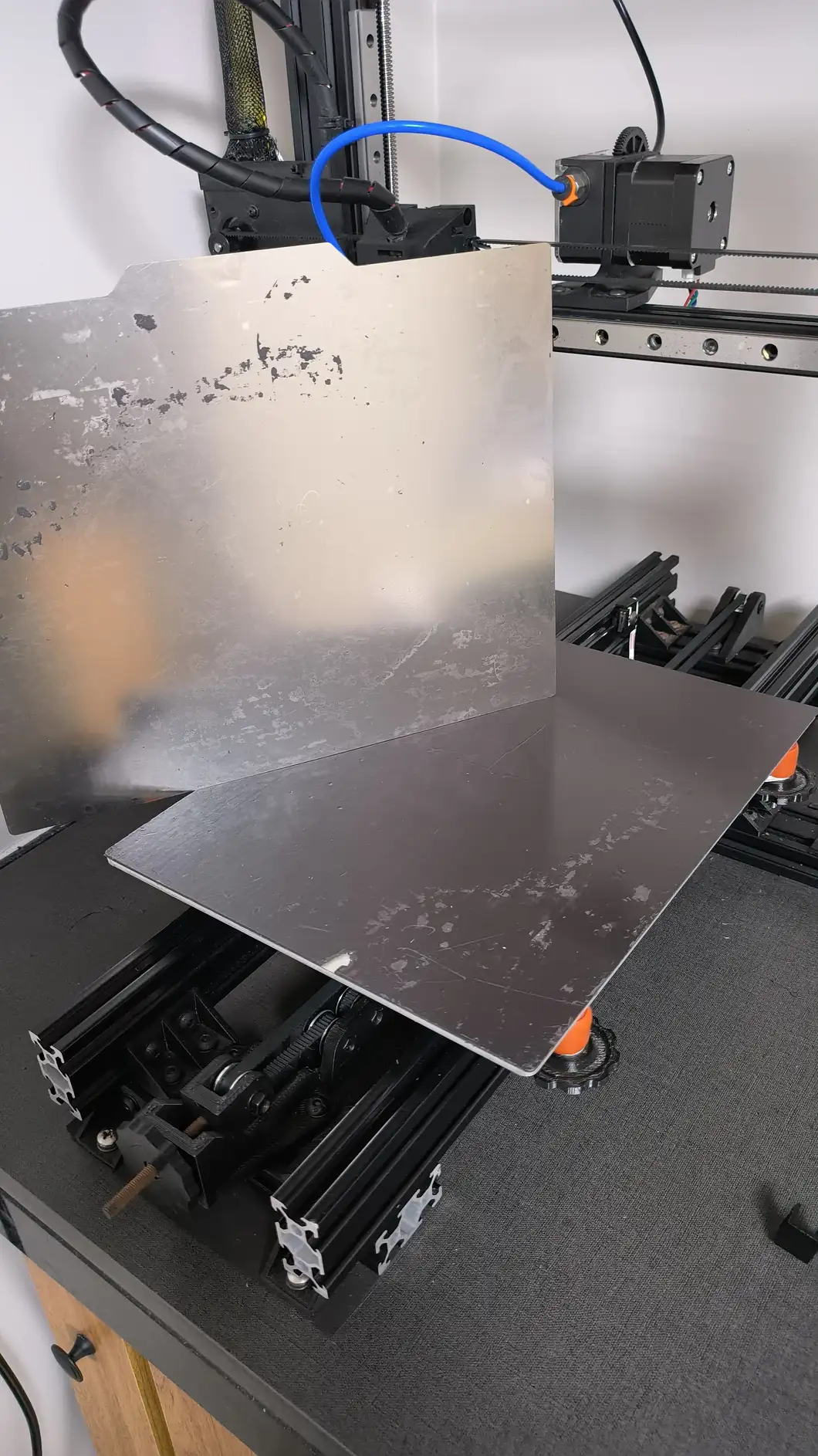
I regret upgrading to a PEI-coated magnetic print surface. At first, it seemed like a convenient way to remove prints more easily, but in practice, it caused more problems than it solved.

Here’s what went wrong:

Bed warping became more apparent, leading to leveling issues in specific spots. A bed mesh was now essential.

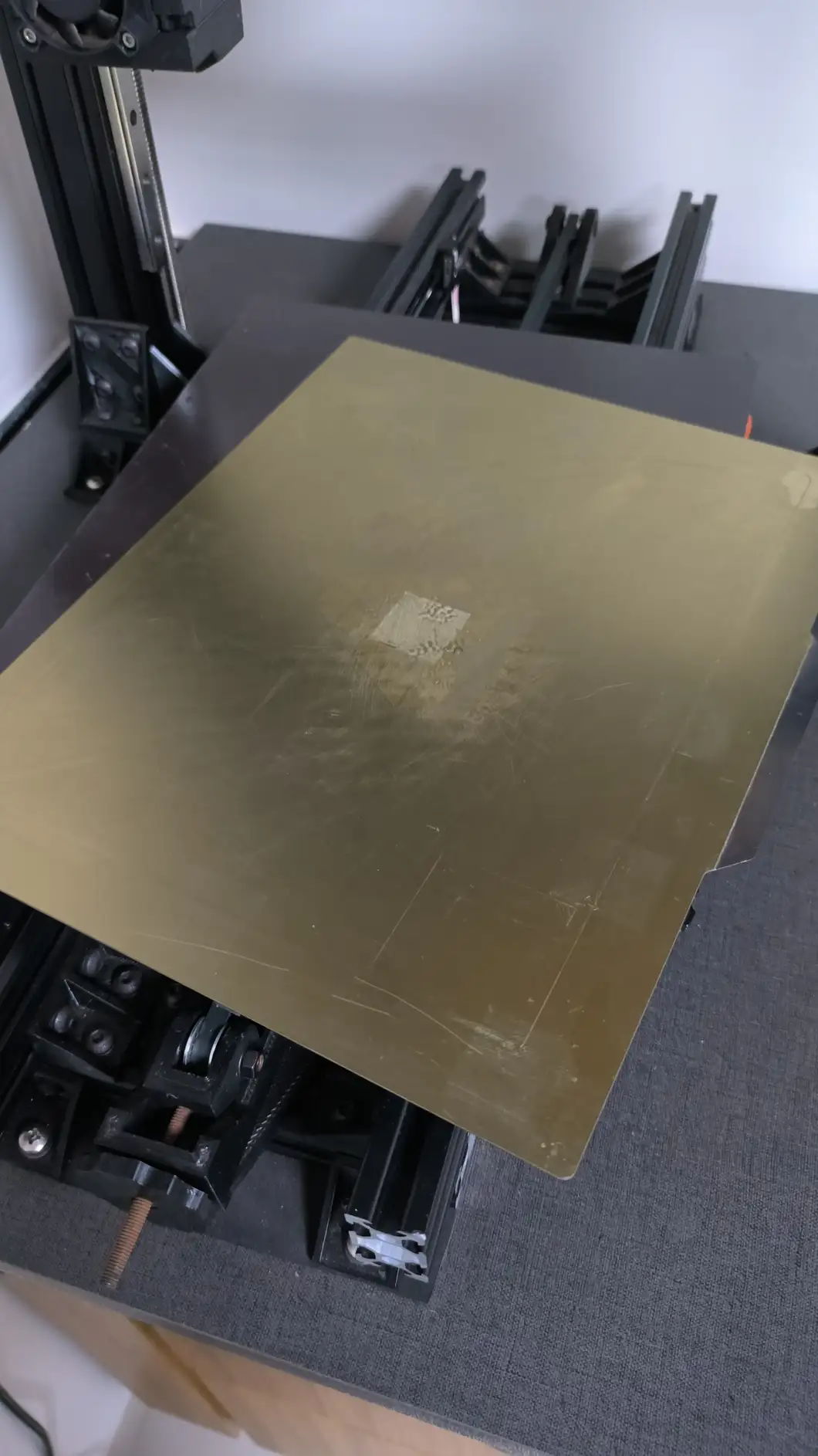
PETG adhesion was excessive, leaving permanent marks on the PEI surface, which transferred to subsequent prints.

Removing skirts and brims required scraping, risking surface damage that affected future first layers.

In hindsight, this upgrade was unnecessary—I never had serious adhesion or removal issues with glass. When I realized I’d need a bed probe just to compensate for the problems introduced by this “upgrade,” it became clear that it was actually a downgrade.

The final straw? Last week, I found my print surface stuck to the magnetic base, almost like it was glued. Peeling it off was a nightmare, so I made the decision: I'm going back to glass.

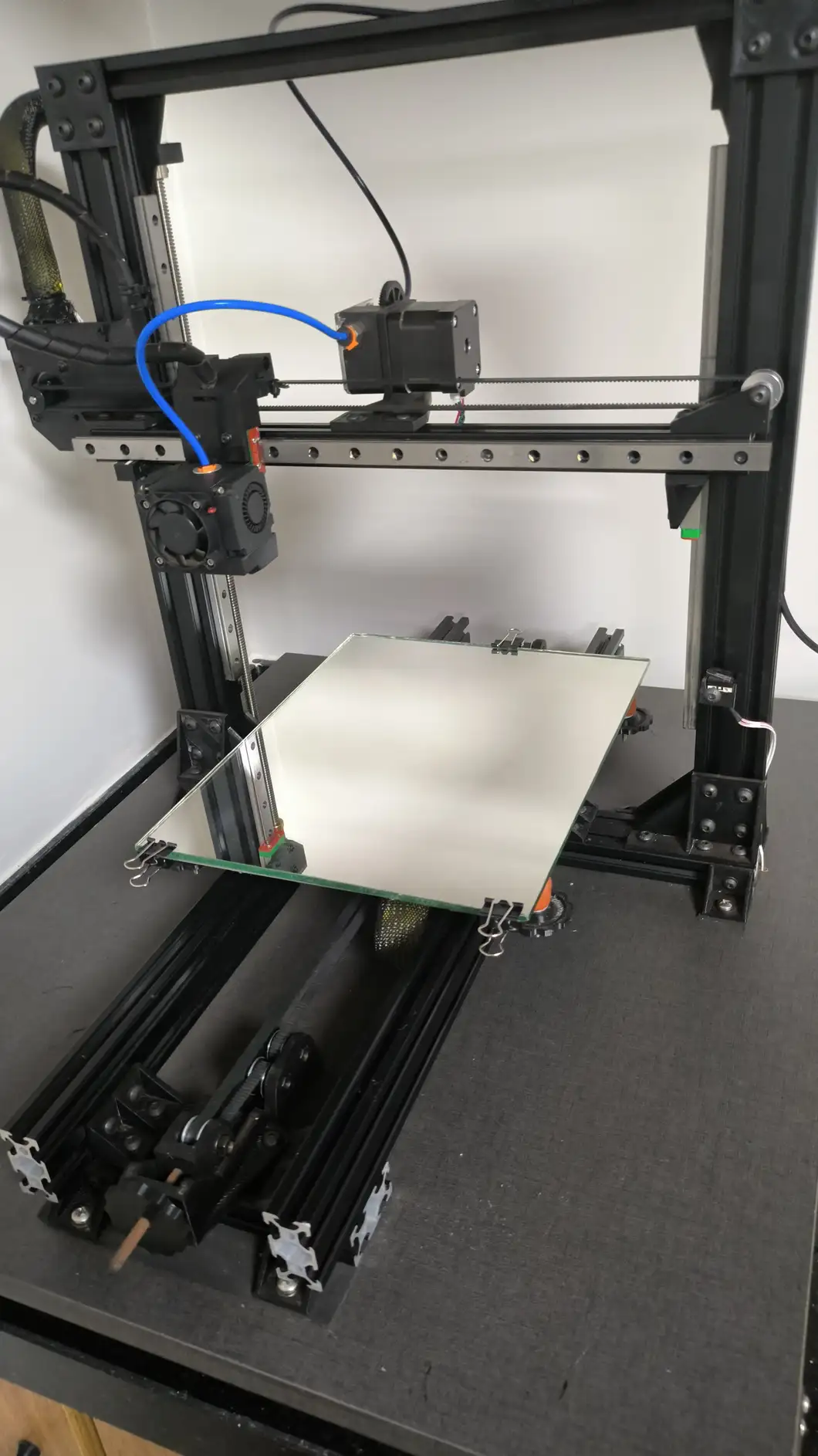
Welcome back, good-looking mirror.

#3dprinting #3dprint
Reply to this note

Please Login to reply.

Discussion

Sad to hear your troubles

Glass is always the best; most forgiving

Those troubles came with some valuable lessons. I explored Klipper settings I hadn’t touched before, and most importantly, I learned not to fall for the hype of upgrading what doesn’t need improvement.

I spent a lot on something that only caused headaches, and today, I replaced it with a $1 mirror—better looking, easier to use in every way, and even handy for inspecting my nozzle from different angles.

What a relief to finally throw that piece of sheet in the trash, lol.

The older textured sheets are great; actually quality.

These newer ones are junk; its a damn PEI sticker on top of the textured plate. I was upset when I ordered some new ones and that's what I got.

Better to pay the $40+ for the good plates.

But again, nothing beats a glass/mirror surface.

I don’t think it was a case of a bad product—it was from Creativity brand (not Creality), and it worked "ok" for a few years.

The issues showed up gradually. For example, the increased warping only became noticeable when I printed across the entire bed, which wasn’t the case for most of my prints.

In the end, I think my problems had more to do with being used to a glass plate—which, as you said, is the best and most forgiving.

I never wanted to deal with a bed mesh. With glass, I’d just adjust the four screws using a piece of paper, and voilà—perfect first layer across the whole bed. No need for adhesives or special treatments based on the material either—glass always worked well with everything.

I've never had a problem with the PEI plate that came with my V3 KE but I've only printed PLA. I understand that PETG doesn't play nice with PEI and that it is better to use adhesive when printing PETG, not for extra adhesion but to improve release. I think I've only cleaned the sheet (with washing up liquid and hot water) once since I got the printer, though I am careful not to touch the print surface. Often prints release as soon as I lift the print plate and if they don't then they release as soon as they cool down. I've never had to use a scraper.

Yeah, YMMV.

Honestly, I think most of my issues come from being used to a glass plate. I never had to worry about a bed mesh or adhesives, no matter what I printed.

I believe the V3 KE doesn’t have a bed probe, but its bed is also smaller than mine. Mine started as a Tevo Tarantula (1st gen) with the large bed upgrade, but at this point, the only original parts left are pretty much just the aluminum extrusions.

Not sure if you’ve used a glass bed before, but for me, switching away from it felt like a downgrade. Maybe the only real advantage of a PEI sheet is the lower weight for bed slinger printer, however, the magnetic sheet also feels a little heavy.