
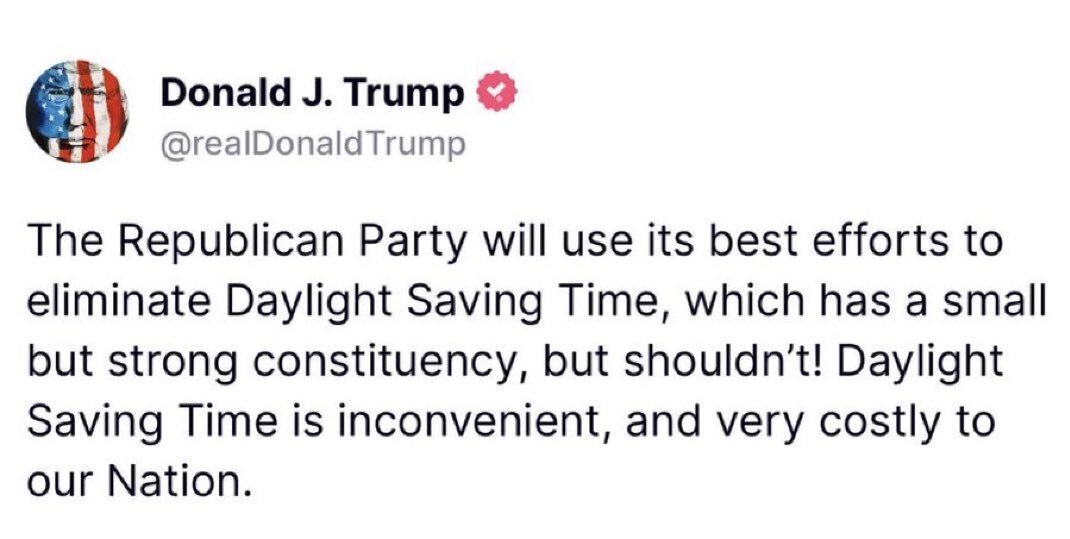

Do you know they tried to do this in the 70s people hated it
Discussion
I did not know this. I will have to search and read about it. Thanks
The change that occurred in January 1974 was the implementation of permanent daylight saving time (DST) in the United States. This meant that clocks were set forward one hour and remained that way year-round, rather than reverting back to standard time in the fall.
As a result of this change, people experienced a number of issues, including:
1. Children having to go to school in the dark: The time change meant that children were forced to go to school before sunrise, which was a major concern for parents and educators.
2. Increased risk of accidents: The reduced morning daylight was also linked to an increased risk of accidents, particularly among children and pedestrians.
3. Health problems: Some people experienced health problems, such as fatigue and seasonal affective disorder, due to the reduced morning sunlight.
4. Economic impacts: Some industries, such as agriculture and transportation, were negatively impacted by the time change.
The public's initial support for the idea of year-round DST was high, with 79% of people in favor of the change. However, as the months went by, support for the idea dwindled, and people began to voice their complaints.
The law was eventually retracted in October 1974, just 10 months after it was implemented, and the country reverted to the standard DST schedule. The experiment was widely seen as a failure, and it has been used as a cautionary tale in debates about the effectiveness of DST.
The 1974 experiment was part of a larger effort to conserve energy during the 1973 oil crisis. The idea was that by moving the clock forward, people would use less energy for lighting in the evening, which would help to reduce the country's energy consumption. However, the actual energy savings were not as significant as expected, and the negative impacts of the time change outweighed any potential benefits.
In recent years, there have been renewed calls to make DST permanent, but the 1974 experiment serves as a reminder of the potential pitfalls of such a change.
Interesting thanks