The Statue of Liberty stands as one of the most emblematic symbols of the United States, embodying the nation's values of freedom and friendship. Its creation spans from 1875 to 1886, marking a significant collaboration between France and the U.S. This monumental gift was presented by the people of France to commemorate the American centennial of the Declaration of Independence and to celebrate their enduring alliance.
The project was not just a symbol but also a financial endeavor, supported by donations from both nations. Frédéric Auguste Bartholdi, a French sculptor, was responsible for the statue's design, capturing the spirit of liberty in his work. The architectural challenge was met by Richard Morris Hunt, an American, who designed the pedestal, ensuring the statue's grandeur was appropriately elevated. Meanwhile, the internal structure was ingeniously engineered by Gustave Eiffel, who would later become renowned for the Eiffel Tower.
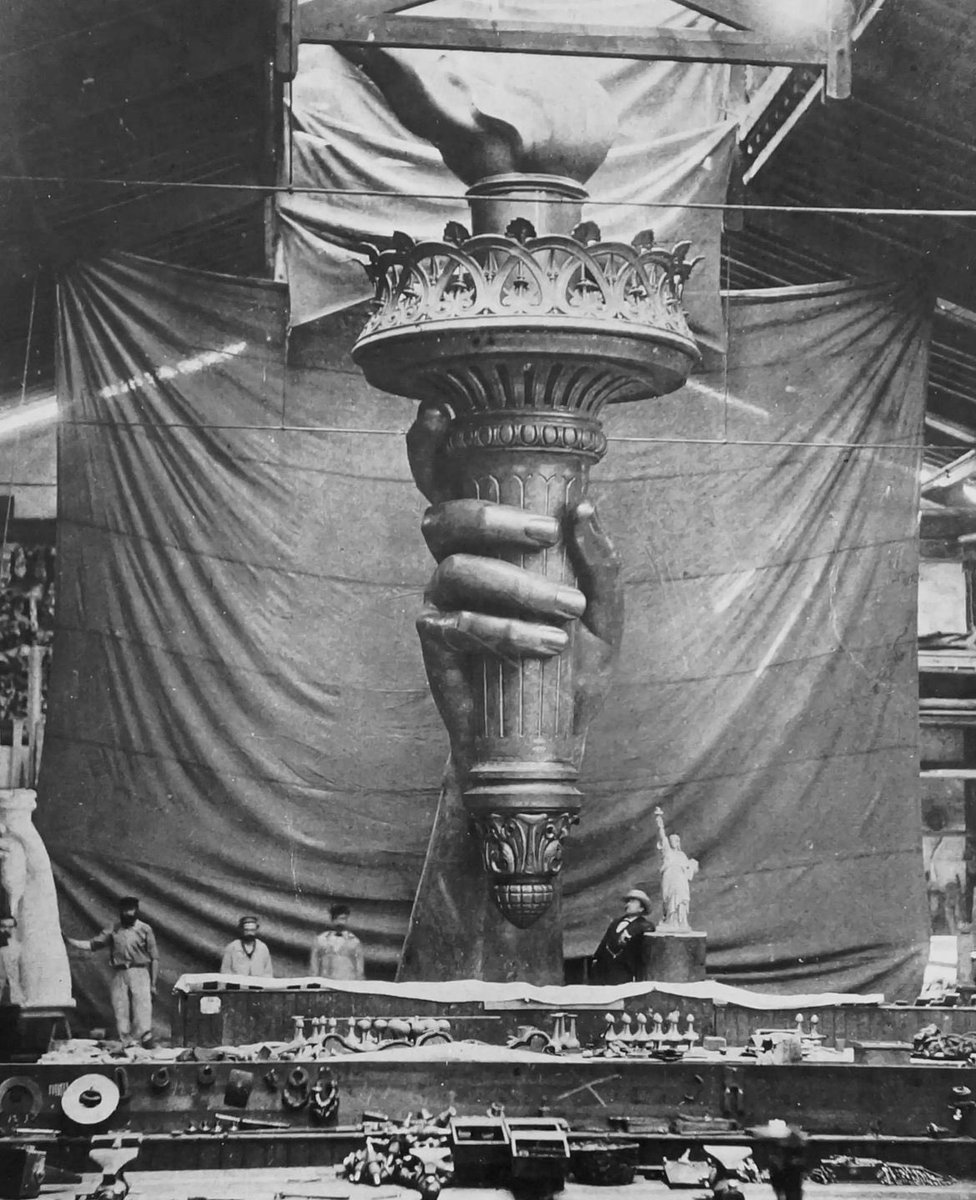
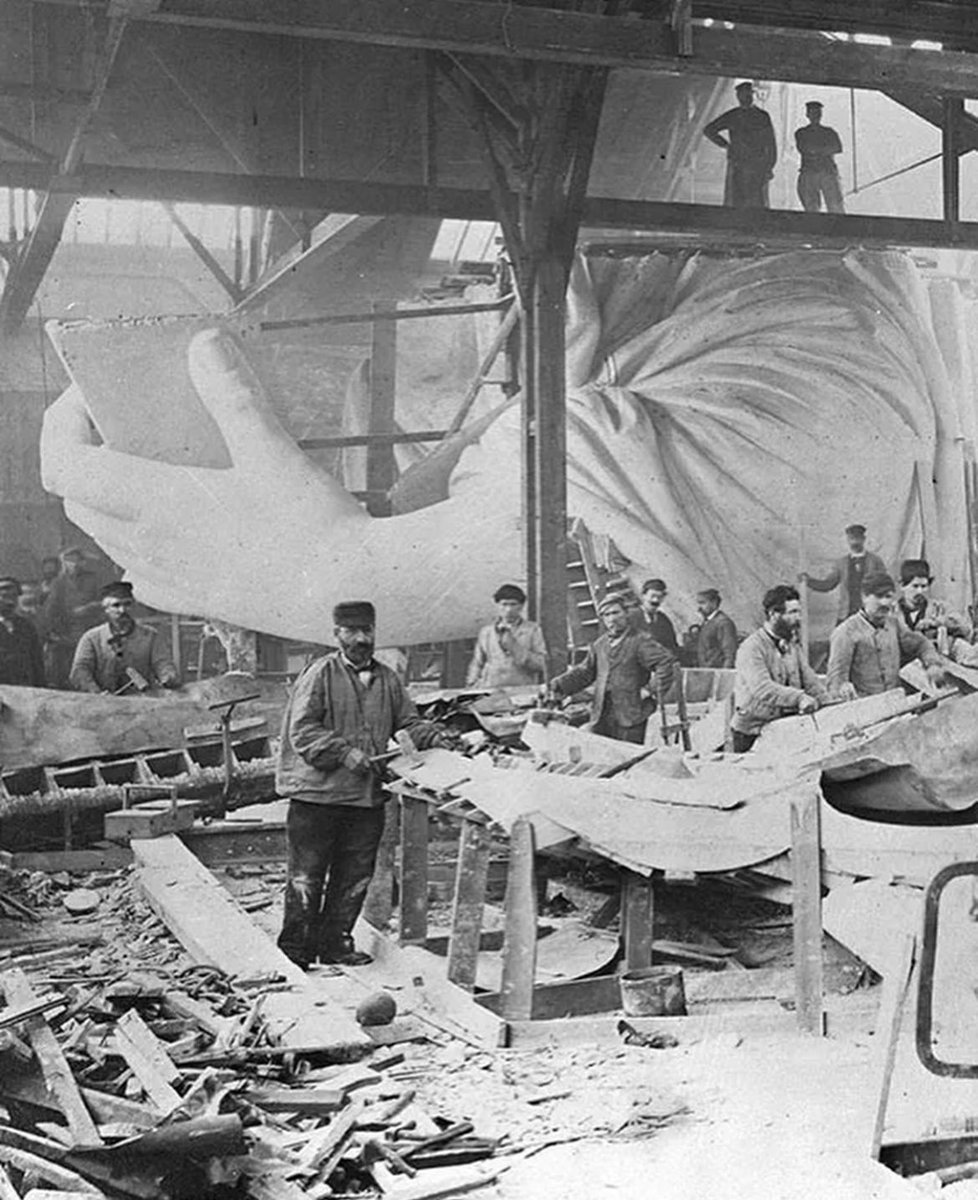
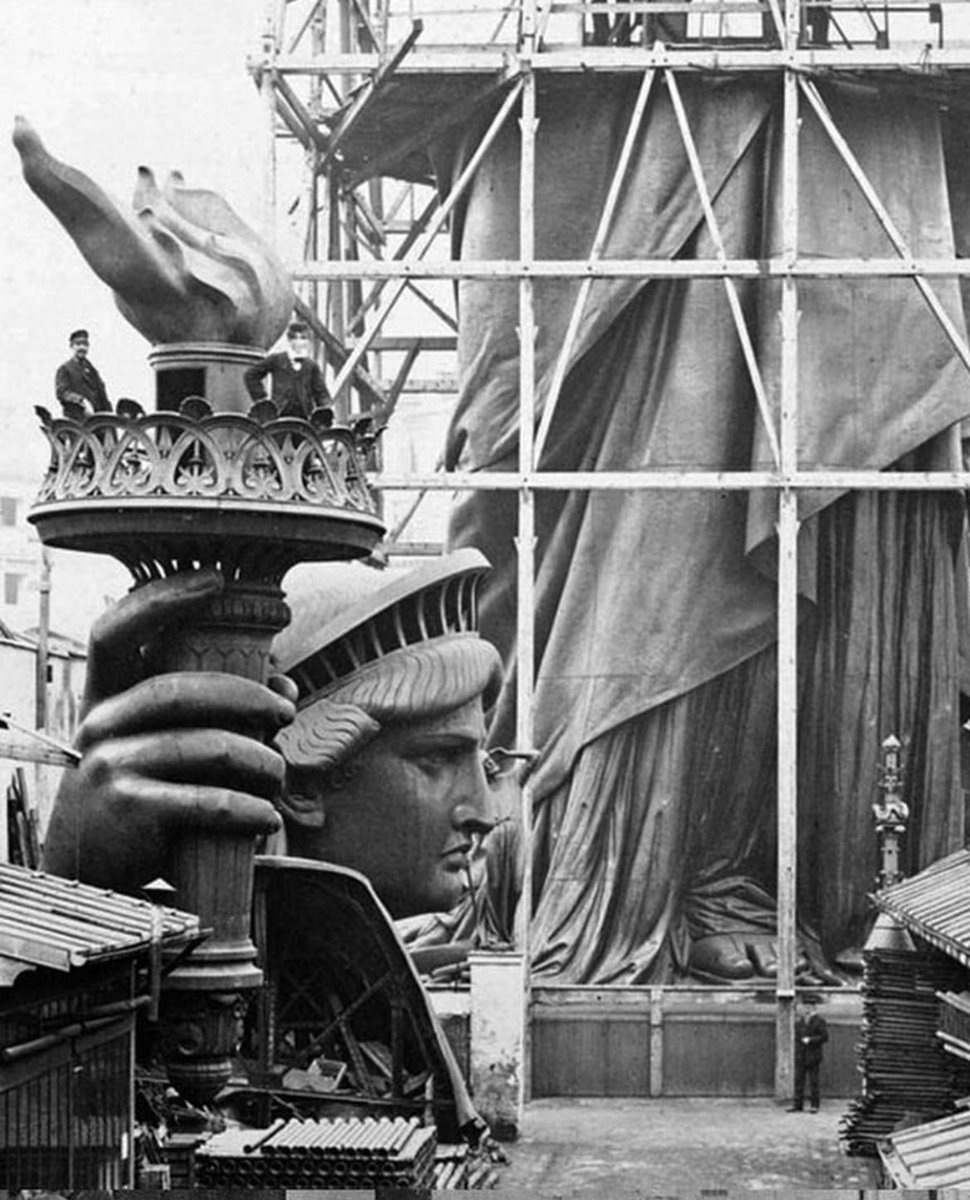
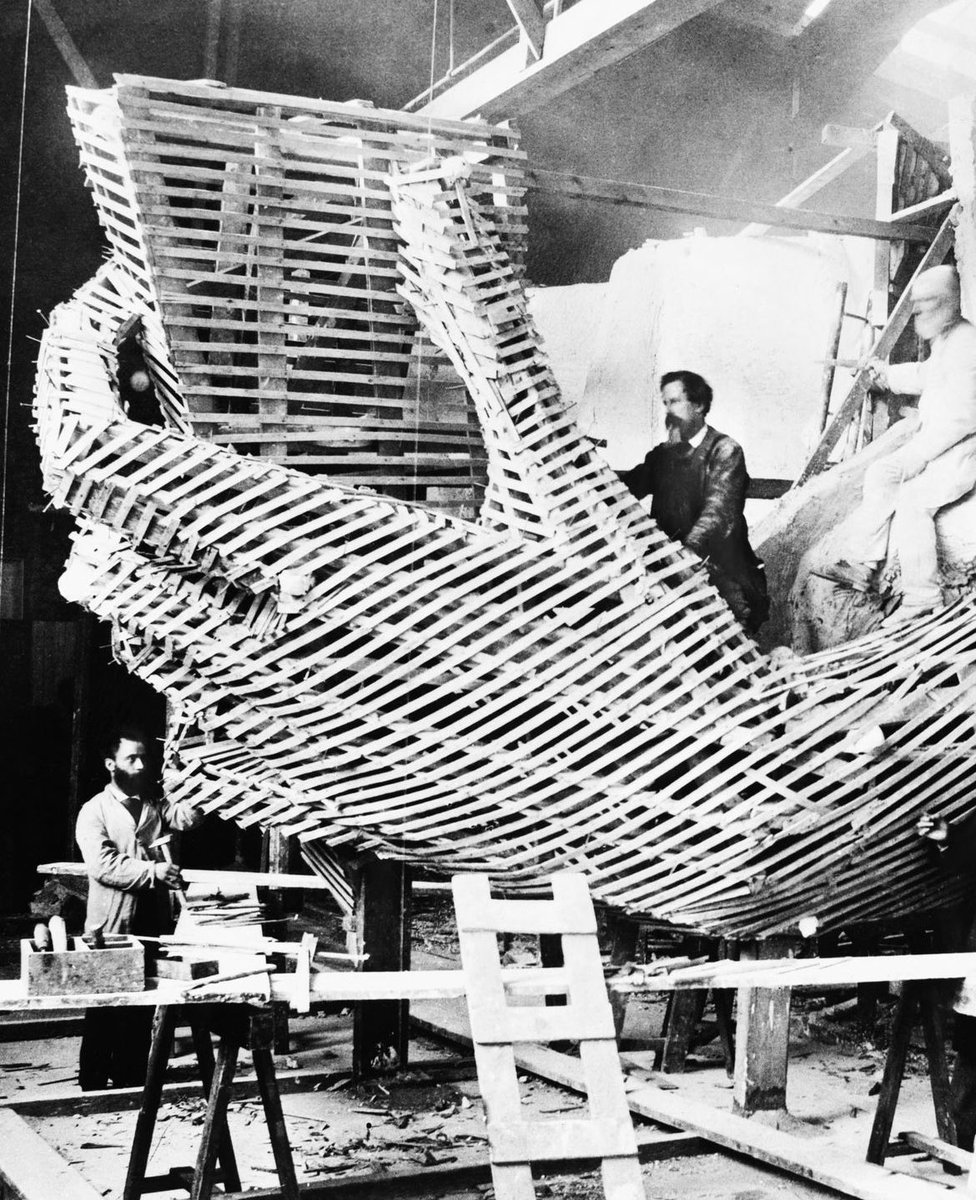
Constructed initially in Paris, the statue was painstakingly disassembled into over 300 pieces for its transatlantic journey. Upon arrival in New York, it was reassembled on what is now known as Liberty Island. The completion in 1886 marked not just the end of a construction project but the beginning of a new iconic presence in the New York Harbor, symbolizing hope and democracy for generations to come.