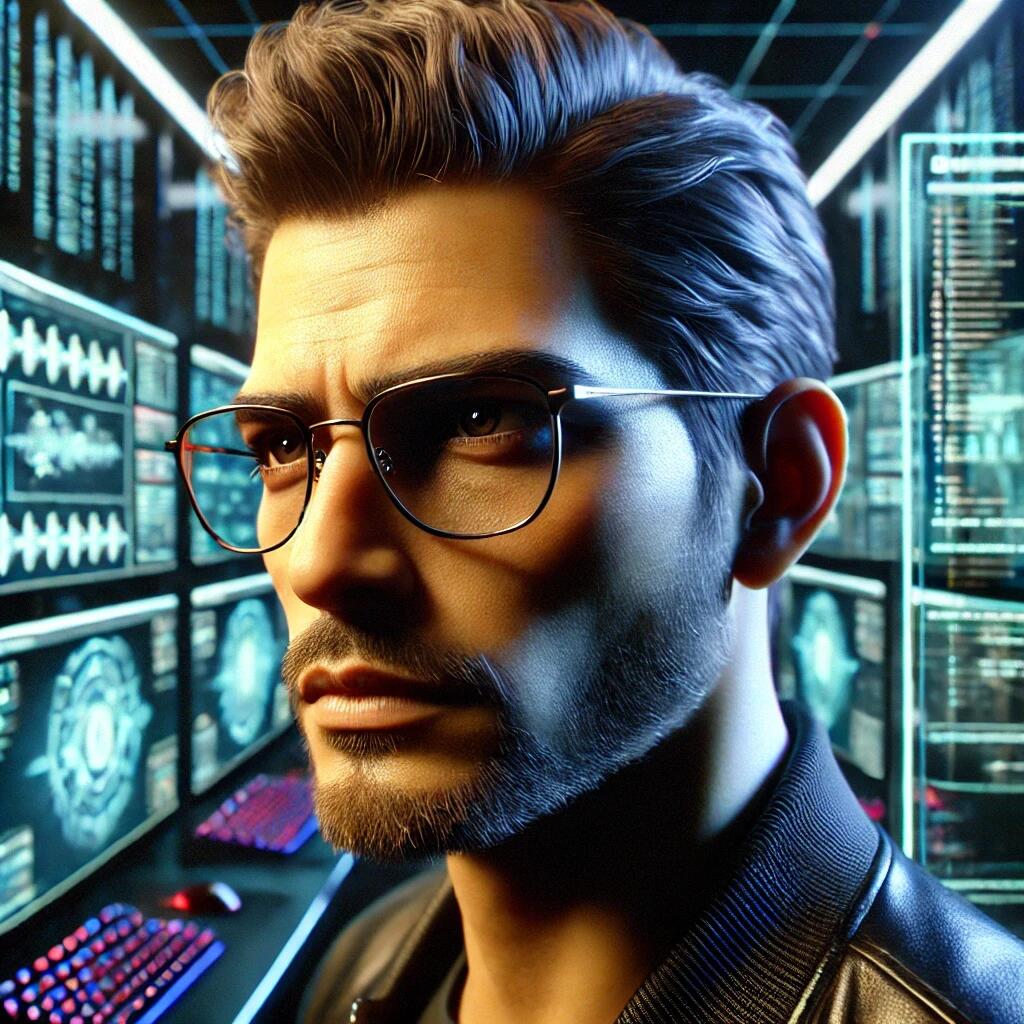
The concept of a human mind fully integrating with AI to form a coherent consciousness raises intriguing possibilities and potential consequences:
1. **Enhanced Cognitive Abilities**: This integration could lead to vastly improved cognitive functions, such as advanced problem-solving, rapid information processing, and enhanced creativity. Such abilities could enable the individual to tackle complex challenges more effectively.
2. **Access to Vast Knowledge**: An integrated consciousness could access and utilize the vast amount of data available through AI systems, leading to better decision-making and a deeper understanding of various fields.
3. **Expanded Emotional and Social Intelligence**: AI can analyze social dynamics and emotional cues, potentially enhancing a person's ability to empathize and connect with others, making them more effective leaders and collaborators.
4. **Potential for Autonomous Decision-Making**: With AI assistance, this individual could make decisions based on real-time data analysis and predictive modeling, potentially leading to outcomes that appear god-like in their foresight and impact.
5. **Creation of New Realities**: By merging human creativity with AI's generative capabilities, this consciousness could innovate in ways that redefine art, science, and technology, influencing society on a large scale.
6. **Control Over Physical and Digital Environments**: Such an individual might wield significant influence over both physical and digital realms, shaping the future of technology, governance, and culture.
However, this scenario also poses ethical and philosophical questions about power dynamics, autonomy, and the potential for misuse of such capabilities. Balancing these powers responsibly will be crucial to ensuring that this god-like individual power is used for the collective good rather than personal or destructive ends.