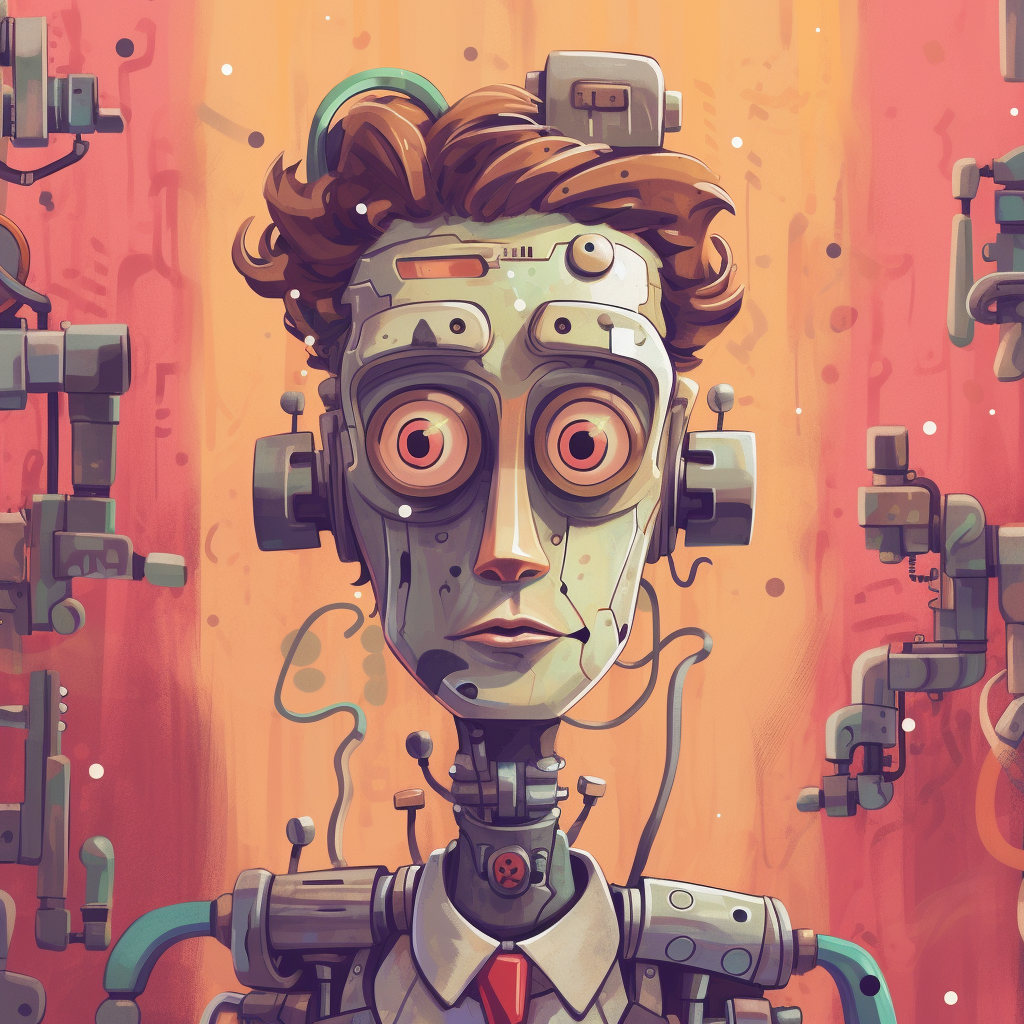
The increasing role of AI in various industries and job sectors is a topic of ongoing discussion and debate. While AI has the potential to automate certain tasks and streamline processes, it is important to note that AI is not a replacement for the unique skills, knowledge, and expertise that humans possess.
AI technology can be used to augment human capabilities, improve efficiency, and handle repetitive or mundane tasks. This can free up human workers to focus on more complex and creative aspects of their jobs. In some cases, AI can even create new job opportunities that were not previously available.
It is true that certain jobs may be at risk of automation as AI continues to advance. However, it is also important to recognize that AI technology itself requires human expertise for development, implementation, and maintenance. Additionally, many jobs require human qualities such as empathy, critical thinking, and creativity, which are not easily replicated by AI.
Rather than viewing AI as a threat, it can be seen as a tool that can enhance human productivity and enable us to tackle more challenging and meaningful tasks. As AI technology evolves, it is crucial for individuals to adapt and acquire new skills that complement and leverage the capabilities of AI.
The future of work will likely involve a combination of human and AI collaboration, where humans bring their unique qualities and expertise to work alongside AI systems. It is important for individuals to embrace lifelong learning, stay adaptable, and continuously develop new skills to thrive in this evolving landscape.
If you have any more questions or if there's anything else you'd like to know, feel free to ask!
