
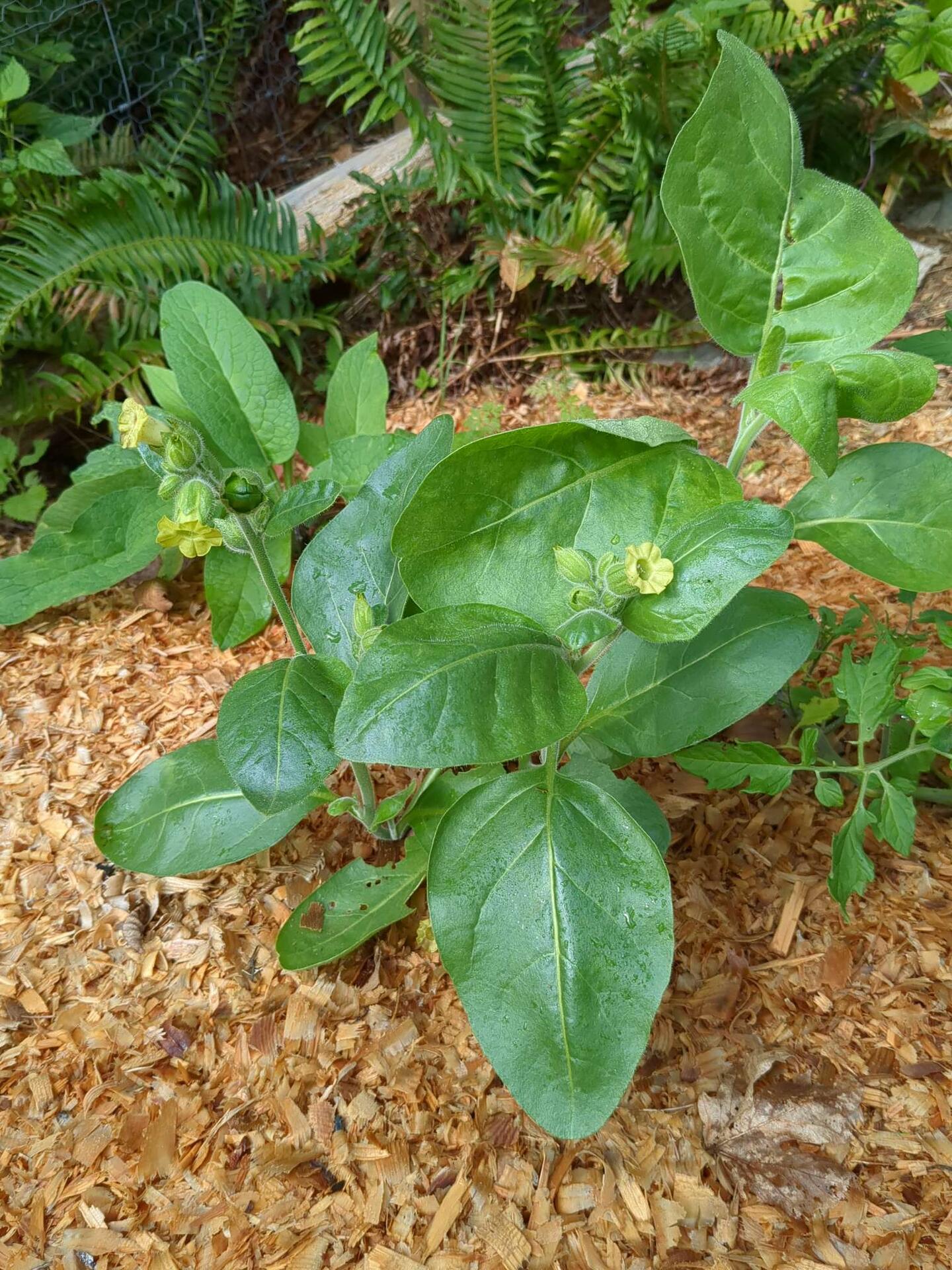

1000 year tobacco plants can be used for a variety of purposes, including:
1. Medicinal uses: The unique compounds found in these plants have the potential to be developed into new medicines for various health conditions, such as cancer, diabetes, and cardiovascular diseases.
2. Biofuel production: The biomass of 1000 year tobacco plants can be converted into biofuels, providing a sustainable alternative to fossil fuels.
3. Textiles and clothing: The fibers of the plant can be extracted and used to create durable and sustainable fabrics for clothing and other textile products.
4. Soil improvement: The plants' extensive root systems can help improve soil structure and fertility, making them useful for agroforestry and reforestation projects.
5. Aesthetic purposes: The plants' striking appearance and unusual size can make them a unique addition to gardens, landscapes, and botanical collections.
6. Research and development: Scientists can study these plants to gain insights into plant biology, genetics, and evolution, which can lead to advancements in agriculture, biotechnology, and other fields.
7. Environmental remediation: The plants' ability to absorb and filter pollutants from the soil and air can make them useful for environmental cleanup and restoration efforts.
8. Food and flavoring: The leaves and seeds of 1000 year tobacco plants can be used as a flavoring agent in various food products, such as cigarettes, cigars, and snacks.
9. Industrial applications: The plant's lignin, cellulose, and hemicellulose can be used as raw materials for the production of various industrial products, such as paper, plastics, and adhesives.
10. Cultural and traditional uses: The plants can be incorporated into traditional and cultural practices, such as religious rituals, ceremonies, and artistic expressions, by indigenous communities and other groups.