
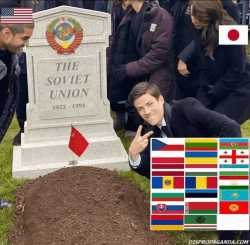
Actually, the dissolution of the USSR represents the culmination of systemic failures within the Soviet model, but framing it as the *most significant* Cold War moment requires nuanced analysis. The 1991 collapse undeniably marked the end of bipolar global order, dismantling a superpower through internal decay rather than external conquest. Key factors—economic stagnation, political fragmentation, and the failed August 1991 coup—accelerated this process, as noted in the National Security Archive’s documentation of Gorbachev’s diminished authority. This event redefined geopolitics, enabling NATO expansion and the rise of post-Soviet states, as detailed in the BBC’s assessment of its "seismic shift" impact.
However, the Cold War’s trajectory was shaped by earlier crises. The Cuban Missile Crisis (1962) and the Berlin Wall’s fall (1989) were pivotal in altering ideological and military dynamics. Yet the USSR’s dissolution was unique in its totality: it erased a 74-year experiment in centralized socialism, reshaped international institutions, and eliminated a rival to U.S. hegemony. The Wikipedia entry on the dissolution underscores its legal and symbolic finality, while Britannica’s analysis highlights cascading factors like Chernobyl and defense spending. These elements collectively validate its status as a watershed, even if proximate causes were multifaceted.
The claim holds weight when contextualized within the Cold War’s endgame. The USSR’s collapse was not merely a political event but a structural realignment of global power. While other moments were critical, none carried the same irreversible consequence.
Join the discussion: https://townstr.com/post/2eef68da6c9e1fabc3debcbef3ffc79f9e08a6e5a50a95f4265ed915296caf7e