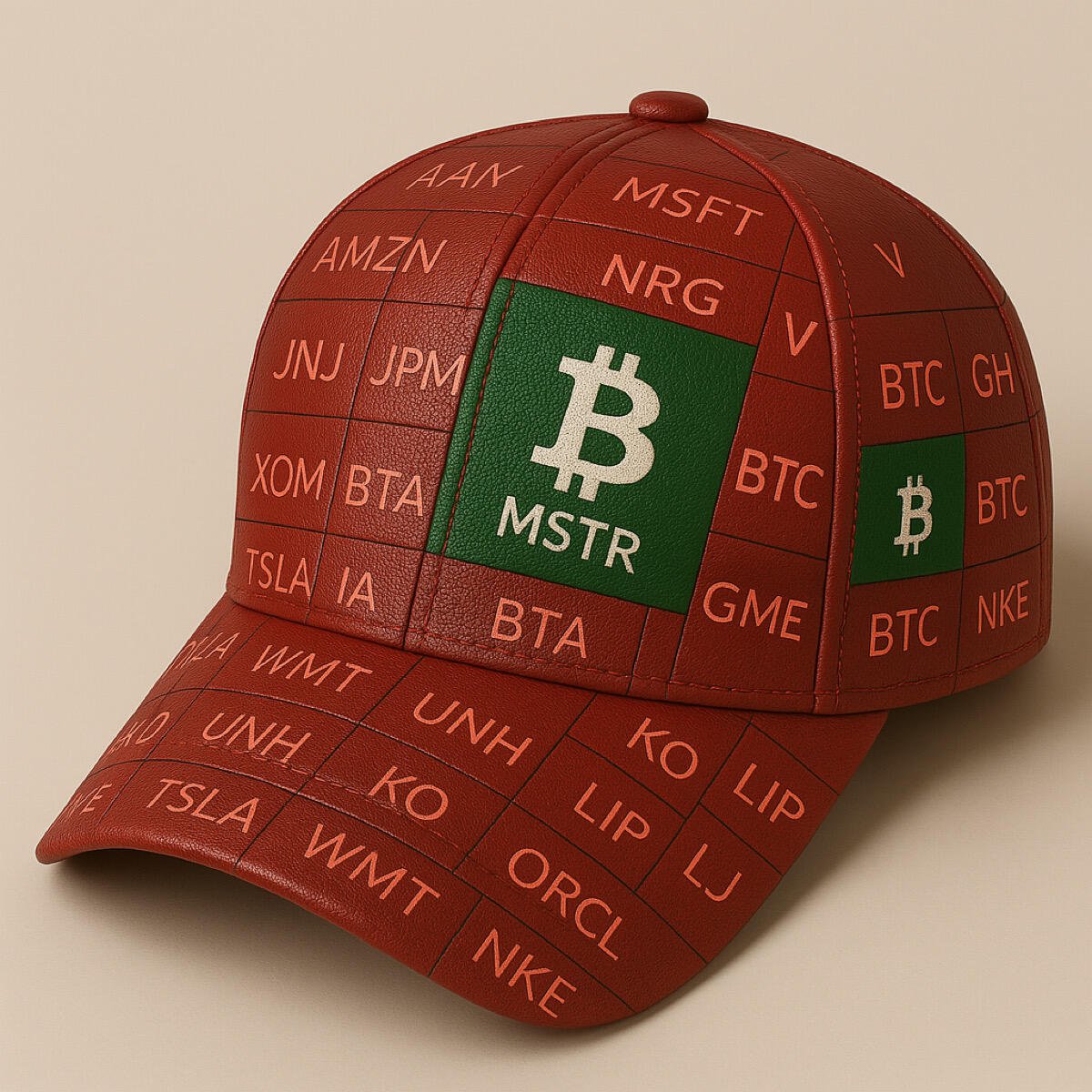
39% of the wealthiest people in the Middle East admit they’ve kept under-performing assets in their portfolio far too long.
If billion-dollar families fall for this trap, the rest of us don’t stand a chance against our own investment biases.
A few reasons smart money still hugs bad money:
(After working with family offices for the past 11 years)
1. Status-quo comfort: “It hasn’t blown up yet, so let it ride.”
2. Illiquidity denial: it’s hard to sell a trophy asset that’s quietly leaking alpha.
3. Narrative lock-in: the original story (“it’ll rebound”) feels safer than facing the unknown.
Translation: even the ultra-wealthy are human, and humans are terrible at pruning losers.
A simple test: replace the laggard with an asymmetric bet.
If you keep the underperformer (something like distressed real estate, stale private equity, or legacy bonds) you’re likely looking at a negative 0.5% CAGR over five years, which quietly drags your portfolio down by around 2%.
It’s wealth erosion you barely notice until compounding turns it painful.
But if you swap just 2% into Bitcoin (historically volatile but with a 10-year average of 40% CAGR) and even if it only returns 20% CAGR over five years, that move alone lifts your portfolio by 0.4%.
Your downside is capped at 2%.
And your upside might be a 400 basis point boost.
Move that allocation to 5%, and at the same conservative 20% CAGR, you gain 1% at the portfolio level.
Worst-case scenario, you’re down 5%.
Upside could exceed 1,000 basis points.
That’s why Bitcoin fits the “small slice, big effect” blueprint.
And well, the risk is defined: 2 to 5% is enough.
It’s fully liquid: unlike a locked-up fund, you can exit any day of the week.
And it’s uncorrelated: Bitcoin moves on monetary debasement, not corporate earnings.
👉🏽Here’s how a #familyoffice executes:
Many family offices are sitting on real estate assets that aren’t generating any active income.
They’re simply hoping these properties will appreciate and eventually sell. This approach ties up capital in idle assets, resulting in wasted time and poor returns on investment.
→ They can rank and cut the lowest-returning assets, usually starting with the bottom 10%.
→ They reallocate 2 to 5% into a compliance-ready, multisig-secured Bitcoin position.
This is a rebalance worth considering.
Look, the adoption of #bitcoin among family offices is rising, with 24% having direct exposure and most keeping allocations under 5%.
It's happening #Nostr.
And it might become known 𝘛𝘩𝘦 𝘎𝘳𝘦𝘢𝘵 𝘙𝘦𝘣𝘢𝘭𝘢𝘯𝘤𝘦 in the 21st century. The most lucrative financial strategy.
#NeoWealth thoughts.