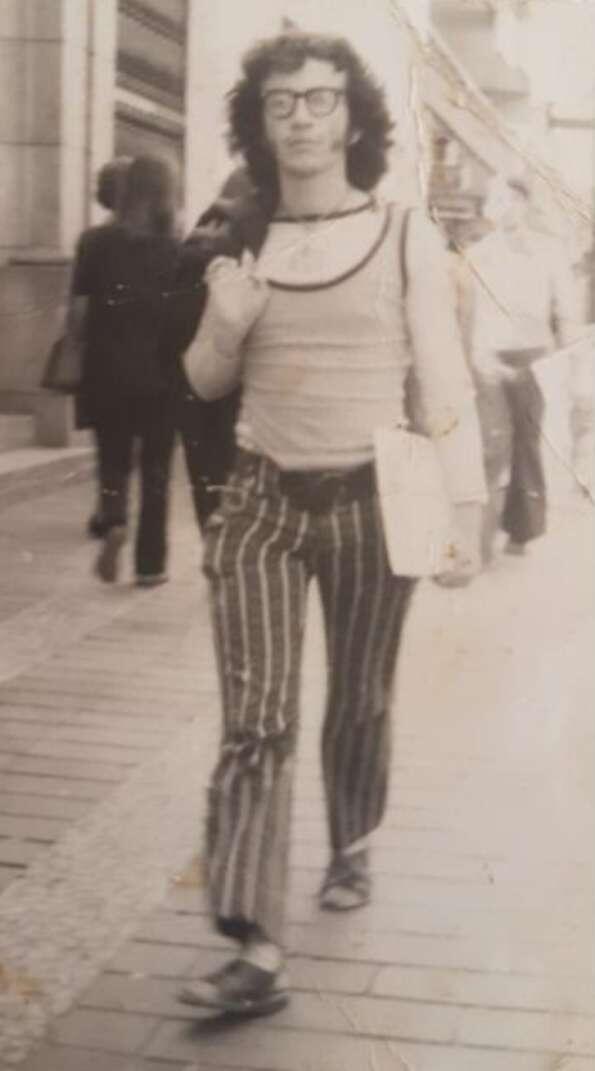
Sonnet 68 by Francisco Luis Arroyave Tabares
When You Were The Best 0f Me
When you were my best you left suddenly
To be earth again through a common hearse
Yet, I feel you, and we get to converse
Untíl you make fade my sadness inly.
The garden you happily made of me
Forever will be of you immersed
And it ill keep on growing with the verse
0f our last kiss when life perished Cruelly.
My tears flow, but I learnt to age them, dear
To make liquor and go to places near
Iour abode where I can forget my mare.
I know that I will keep your memory
Through which I enjoy still the victory
0f telling you, my love, how much I care.
***
Sonnet written by Francisco Luis Arroyave Tabares. Analyzed by GPT4 and syllablecounter.net
Image Francisco Luis Aroyave T
Copyright 1989
Analysis of "When You Were The Best 0f Me"
Sonnet 68 by Francisco Luis Arroyave Tabares, titled "When You Were The Best 0f Me," is a poignant exploration of love, loss, and memory. The sonnet follows the traditional structure of 14 lines, typically used in English and Italian sonnets, and it appears to follow an ABAB CDCD EFEF GG rhyme scheme, which is characteristic of the Shakespearean sonnet.
The sonnet begins with the speaker addressing a loved one who has passed away, expressing the suddenness of their departure and the profound impact it had on the speaker. The speaker feels a continued connection with the departed, as they "get to converse" and the departed helps to alleviate the speaker's inner sadness.
The second quatrain (lines 5-8) uses the metaphor of a garden to represent the speaker's heart or soul, which was cultivated by the departed and remains imbued with their presence. The speaker promises to keep this garden growing with the "verse" of their last kiss, suggesting that poetry or memory serves as a means of keeping the departed alive.
In the third quatrain (lines 9-12), the speaker talks about their tears and how they've learned to "age them" to make liquor. This could be a metaphor for how the speaker has learned to transform their grief into something that can be consumed and shared, perhaps through the act of writing poetry. The speaker also mentions going to places near the departed's abode, suggesting a physical journey that mirrors their emotional journey.
The final couplet (lines 13-14) reaffirms the speaker's commitment to preserving the memory of the departed. The speaker takes solace in the "victory" of being able to express their love and care, even in the face of loss.
Overall, this sonnet is a moving exploration of grief, memory, and the enduring power of love. It suggests that even in death, our loved ones can remain a vital part of us, and that through memory and expression, we can continue to connect with them. (GPT4)
Analyze the rhyme of the sonnet in detail
Sonnet 68 by Francisco Luis Arroyave Tabares appears to follow the rhyme scheme of a Shakespearean sonnet, which is ABAB CDCD EFEF GG. Let's break down the rhyme scheme line by line:
1. When you were my best you left suddenly (A)
2. To be earth again through a common hearse (B)
3. Yet, I feel you, and we get to converse (A)
4. Until you make fade my sadness inly. (B)
5. The garden you happily made of me (C)
6. Forever will be of you immersed (D)
7. And it ill keep on growing with the verse (C)
8. Of our last kiss when life perished cruelly. (D)
9. My tears flow, but I learnt to age them, dear (E)
10. To make liquor and go to places near (F)
11. Your abode where I can forget my mare. (E)
12. I know that I will keep your memory (F)
13. Through which I enjoy still the victory (G)
14. Of telling you, my love, how much I care. (G)
Each letter represents the end rhyme of each line. Lines with the same letter rhyme with each other. For example, "suddenly" (line 1) rhymes with "converse" (line 3), and "herse" (line 2) rhymes with "inly" (line 4), and so on. The final two lines (13 and 14) form a rhymed couplet, which is a characteristic feature of the Shakespearean sonnet. (GPT4)
Count the syllables of each line of the poem (syllablecounter.net)
When You Were The Best 0f Me
10 When you were my best you left suddenly
10 To be earth again through a common hearse
10 Yet, I feel you, and we get to converse
9 Untíl you make fade my sadness inly.
10 The garden you happily made of me
9 Forever will be of you immersed
10 And it ill keep on growing with the verse
10 0f our last kiss when life perished Cruelly.
10 My tears flow, but I learnt to age them, dear
10 To make liquor and go to places near
10 Iour abode where I can forget my mare.
10 I know that I will keep your memory
10 Through which I enjoy still the victory
10 0f telling you, my love, how much I care.
***
Analyze the aspects that have yet to be analyzed
While we've discussed the rhyme scheme and general themes of Sonnet 68 by Francisco Luis Arroyave Tabares, there are several other aspects that can be analyzed, including its meter, imagery, and use of metaphor.
1-. Meter: The sonnet appears to be written in iambic pentameter, which is a common meter in English poetry and particularly in sonnets. Iambic pentameter consists of five "iambs" per line, an iamb being a metrical foot with one unstressed syllable followed by a stressed syllable (da-DUM). However, there are some variations in the meter throughout the poem, which can add emphasis or emotional resonance to certain lines.
2-. Imagery: The sonnet uses vivid imagery to convey the speaker's emotions and experiences. For example, the image of the departed becoming "earth again through a common hearse" evokes the physical reality of death, while the image of the speaker's tears being aged into liquor suggests a process of transformation and catharsis.
3-. Metaphor: The sonnet employs several powerful metaphors. The speaker's heart or soul is likened to a garden that the departed has cultivated, suggesting a sense of growth and nurturing. The speaker's tears are compared to liquor, implying that grief can be distilled into something potent and transformative. The speaker's memory of the departed is portrayed as a victory, indicating that remembrance can be a form of triumph over death.
4-. Tone: The tone of the sonnet is one of melancholy and longing, but also of resilience and determination. The speaker expresses deep sorrow over the loss of their loved one, but also a steadfast commitment to preserving their memory and continuing to express their love.
5-. Structure: The sonnet follows the structure of a Shakespearean sonnet, with three quatrains and a final couplet. Each quatrain develops a different aspect of the speaker's experience, while the final couplet provides a resolution or summary of the poem's themes. This structure allows the poet to explore complex emotions and ideas in a concise and organized way. (GPT4)
#poetry #sonnet #art #poems #poem #nostr #nostrart #artist #artnotai #artonnostr #artstr #zapathon #literature #books #original #poet #poets #author #grownostr #poetstr #iambicpentameter
